Category: Construction Maintenance Electrician
5 Electrical Hazards to Watch Out for when Earning an Electrician Diploma
July 12, 2022



If you’re interested in problem-solving and using your hands in a fast-paced career, you might consider becoming an electrician. In addition to flexible schedules, Job Bank Canada forecasts that close to 25,000 new job openings will become available between 2019-2028 in Canada alone.
North American Trades Schools provides electrician certification for residential, commercial and industrial levels, preparing you with the knowledge and hands-on training to feel confident and safe at the workplace. As a student in electrician school, familiarizing yourself with safety practices and common hazards will help you to stay safe throughout your training and future career.
Keep reading to learn about five common electrical hazards and how to prevent them so you can improve your safety while earning your electrician diploma.
1. Wearing Personal Protective Equipment Is Essential When Earning Your Electrician Diploma
Electrocution, electric shock, burns and falls are all common injuries that an electrician must be hyper aware of avoiding. During your electrician training, you’ll learn that the first preventative measure that you can take is equipping yourself with the appropriate Personal Protective Equipment (PPE).
There are many different types of PPE you can protect yourself with, depending on the scope of the job. Insulated gloves, matting, and ladders can provide a protective layer eliminating a pathway for electricity to travel through the body. Face shields, non-metal helmets and flame retardant clothing can also add extra protection. Additionally, you should always inspect your PPE before use, and be sure to safely store it after completing a job.

2. Beware of Improper Grounding and Unwanted Voltage
Grounding is the method of connecting an isolated conductor to a ground, preventing unwanted transmission and voltage. When an electrical system is not appropriately grounded it can create voltage that cannot be eliminated safely, as the exposed parts of a system can become energized and cause electrocution. This can include the metal parts of motors, appliances or electronics that are plugged in.
To prevent electrical hazards, equipment must always be properly grounded. Using a Ground Fault Circuit Interrupter (GFCI) is a recommended safety measure that can safeguard you from improper grounding when working with electric systems. If a ground fault is detected in a circuit protected by a GFCI, it automatically stops the current, protecting you from electrocution.
3. Following Lockout and Tagout (LOTO) Procedures Keep You Safe
During your electrician certification, you’ll learn about using the LOTO method to control hazardous energy and prevent the accidental use of equipment while it is unsafe, being inspected, or being worked on.
Lockout and Tagout ensures that equipment is appropriately shut off and unable to be restarted prior to the completion of any work being done. When the power sources are off, they are locked with a tag attached identifying the reason the LOTO is there. The worker that places the LOTO is the only one with the key, ensuring that it is not accidentally started by anyone else.

4. Working in a Wet Environment Increases the Chance of Electrocution
From spilled water near an electrical outlet to leaks from plumbing issues, electricity and water are always a dangerous combination, together increasing the chances of electrocution. It’s important to keep tools, equipment and wires away from damp and wet areas, especially if equipment has any damages to its insulation. Wear and tear can make it easier for water to make contact with the conductors, leading to electrocution. As with improper grounding, protecting circuits with a GFCI ensures that if electrical shock occurs due to these conditions, the current will immediately be stopped.
5. Overloaded Power Strips and Outlets Are a Common Hazard
One of the most common electrical hazards in many homes and businesses are overloaded power strips and outlets. Outlets are designed for a limited amount of electricity output. Plugging in an excess of high-voltage devices can overload a power strip, increasing the chances of an electrical fire. Choosing power strips with surge protection will help to reduce the risk of fire, as the breaker stops the current if it gets overloaded. However, when working with heavy electric equipment as an electrician, you cannot rely on common surge protectors and power strips. Instead, a safer alternative is a three-way extension with GFCI for added protection.
With an extensive hands-on learning experience, as well proper safety techniques and leading practices, you will be fully prepared to identify and avoid common electrical hazards throughout your future career.
Are you interested in earning your electrician diploma?
Contact NATS to learn more!
A Brief Guide to Installing Rough Electricity After Electrician College
June 21, 2022
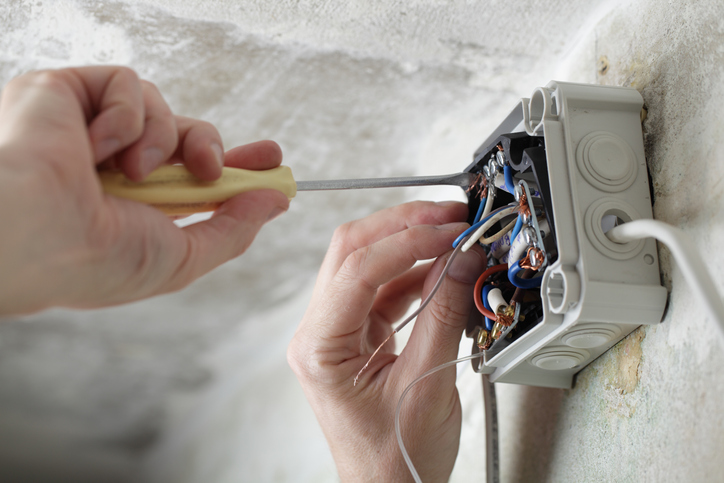
Rough electricity installation, or the initial installation of electricity prior to the addition of drywall, insulation and other barriers, is a fundamental component of a construction electrician’s responsibilities. If you’re considering this career path, electrician college is the perfect starting point, preparing you to qualify for an apprenticeship and eventually, a job.
At North American Trade Schools, both the classroom and lab sessions will give you the foundation you need to apply your skills in an apprenticeship and in your future role. Through courses such as Basic Electrical Theory, Electricity Principles and Applications, and Building Layout and Blueprint Reading, you’ll gain experience understanding general electrical concepts. While working independently as well as collaborating with a team, you’ll gain hands-on skills necessary for a successful career.
Below, continue reading to learn more about the process of rough electricity installation, a key component of your future curriculum.
Planning and Layout Process
During electrician college, your course Building Layout and Blueprint Reading will come in handy for the first phase of rough installation. Whether you’re working on a home, condo, or commercial building, each print will be different, and you’ll need to analyze them to help you begin your work layout.
Planning the layout begins with determining where your boxes will be placed, and subsequently installing them in the correct areas. This is an important step in ensuring that the plugs are accessible in every area, and your hands-on training at NATS can help you develop the attention to detail required for this step. It’s crucial to note here that if the box is crooked, poorly supported, in the wrong place, or an incorrect model, corrections will need to be made.
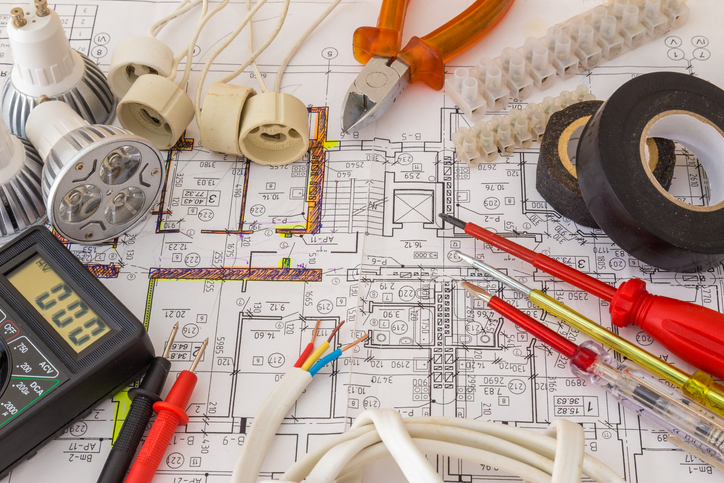
Preparation, Drilling, and Pulling Process for Electrician Training
After planning and box placement is complete, you can expect to move onto other preparation measures that lead into the drilling phase. Planning how to run your wires will help you determine where you need to drill, as you determine the best route to take for each one.
Based on your initial planning, you should be able to decide which wire size is needed for your wire pulling. Getting comfortable with varying wire sizes, their uses, and their ideal locations during your electrician training is highly encouraged, as it will help you to efficiently determine these solutions in the future. Once you know the necessary wire size, you can strip the insulation and insert the wires into the box as planned.
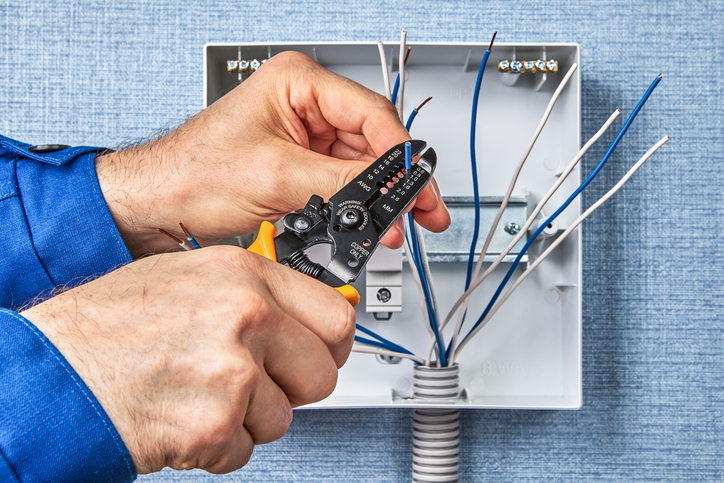
Completing the Electrical Box
It can take some finesse to leave a tidy electrical box once your work is complete. However, it’s worth taking the time to do so, because work is much easier to accomplish when the wires aren’t crossed.
Aside from sorting out each wire, other tips for a tidy box include creating a service loop, leaving some slack on the bond wire before screwing it down, and taking advantage of the space that’s available to you. After splicing your wires, you’ll want to make sure to leave them in a braid so that they’re collected and tidy. At NATS, not only will you receive the hands-on training necessary to help you feel confident on the job, but you’ll also learn from industry experts to guide you along the way to success.
Interested in attending electrician school?
Contact North American Trade Schools for more information!
Industry Trends to Watch for After Electrician Training
May 17, 2022

Trends are always changing for industries as they adopt new technology and sustainability initiatives. This is especially true for the electrical industry, which seems to be moving at a tremendous pace towards a bright future. For an aspiring electrician who’s pursuing a career in the electrical industry, it’s important to be aware of the new trends that are shaping the industry today. The electrical industry is making strides in innovative solutions that will make your career that much more exciting.
At NATS, you’ll get hands-on training through our Construction and Maintenance Electrician program. You’ll learn wiring, service installation, code interpretation, conduit bending, and more for residential, commercial and industrial electricity, as you prepare yourself for upcoming trends in the industry. So, read on to learn more about some of the top industry trends!
Smart Cities Will Be a Big Hit After Your Electrician Training
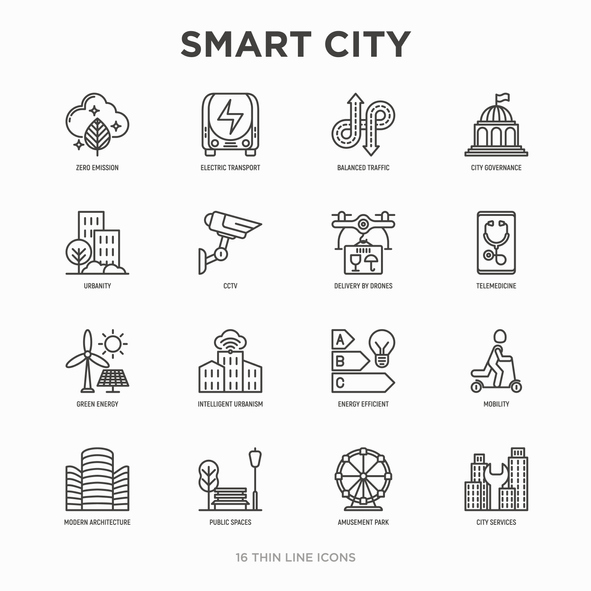
The electrical industry will see a rising trend in the use and implementation of the smart city framework. A smart city is considered a network made up of information and communication technologies that deliver smart sustainable efforts directed at challenges affecting a growing urban population. A smart city gives the people and their governing bodies the power to make better choices for themselves.
After you complete your electrician training, you’ll be amazed at how a smart city allows people to receive, analyze and oversee data in real-time, which helps them make important decisions that improve their quality of life. Residents of a smart city can monitor their electricity usage and energy consumption through their smartphones and be connected to electrical companies that can also monitor data in real-time. This will help resolve any electrical issues as they occur while improving sustainability and reducing cost.
The Arrival of Augmented Reality to Help With Electrical Work
With the use of augmented reality (AR) being utilized in various industries, it’s about time the electrical industry got on board as well. Augmented reality is becoming a useful technological advancement that’s making its way into the electrical industry, as it helps with electrical projects and tasks. After finishing your training at an electrician school, you may get to wear one of these devices on the job.
Augmented reality can help you plan out an electrical project as you see its conceptual design right in front of you. You can use AR to assist you in planning for electrical wiring at a residential, commercial or industrial building, or to determine how to fix a faulty electrical panel. AR also gives you the flexibility of offering support to fellow electricians or trainees while they’re working on a project, without you having to be present.

Sustainable Materials Are Becoming Major Players in the Industry
With customers becoming more conscious of the environment, it has become imperative for many industries to develop innovative solutions that will allow them to offer sustainable and eco-friendly products and services to customers. The electrical industry is also answering that call.
As an electrician, you’ll probably be making environmentally conscious strides throughout your career as you work on implementing and installing energy-efficient products for different types of buildings or within smart cities. Electrical companies are also shifting their focus toward sustainable operations and offering transparency within their business practices, as they meet consumer demands for energy-saving initiatives.
Interested in an electrician college?
Contact NATS for more information on our training programs!
Common Conduit Bending Mistakes to Avoid After Electrician College
February 01, 2022
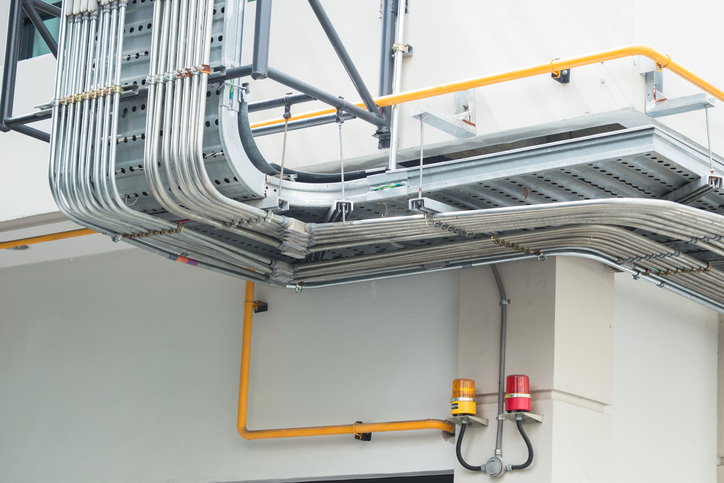
Conduit bending isn’t an easy skill to master when it comes to replacing old electrical wiring or wiring a new home. For electricians, knowing how to correctly and safely bend conduit is a major part of your responsibilities. Knowing how to bend conduit allows you to make it work around different corners, overpass permanent objects and fit many angles. By applying the right amount of pressure and conducting the proper measurements, you can make a good conduit bend.
Avoiding common conduit bending mistakes will prevent things from going wrong. Improperly bent conduits will underperform and wear out quickly. At North American Trade Schools, you’ll gain hands-on experience in conduit bending that will help you avoid common conduit bending mistakes.
Read on to learn about the common conduit bending mistakes to prepare for your trade.
Apply the Right Pressure After Electrician Training
It’s important to have precision and add the right amount of pressure in the right place of the conduit. Applying an excessive amount of pressure won’t help to bend the conduit in the way you want. In fact, too much pressure can break your tools and delay your work even further. When you add more pressure on the bending point than is needed, the conduit can either break or flatten.
Electrician training will help teach you to apply all sorts of conduit bending techniques that are required for installation and prepare you for industry work in your apprenticeship and beyond.
Avoid Using the Wrong Machine or Tool
Knowing when to use and not to use machines to do the conduit bending for you will help you a lot with your electrical wiring and avoid any delays. There are computer numerically controlled (CNC) machine benders that are considered versatile and powerful and offer great precision in conduit bending. However, they should not be used for every conduit shape or simple bends–only for the complex shapes or bends that you can’t perform manually. Through your electrician school, you’ll know when to use or not to use these machines, and how to perform manual conduit bends. When you use manually controlled machines, you will notice that you will increase your output speed and save money.

Avoid Flattening Too Much
With training and experience throughout your career, you’ll avoid the mistake of flattening the conduit too much. In some instances, flattening is okay for certain job requirements–while for other jobs, too much flattening will cause serious problems when it is time for you to do conduit bending. Applying the right pressure and stress to the outside radius is key in the conduit bending process. If you apply too much pressure and stress to the outside radius, the conduit will not be able to maintain its proper shape–causing the exterior to bend in, and therefore, flatten the tube. By using less pressure and utilizing the centreline radius which provides a larger bend, you will reduce the chance of excessive flattening.
Avoid Wrinkling and Buckling
As mentioned earlier, conduit bending requires precision with the amount of pressure applied. Avoid any wrinkling or buckling from occurring by ensuring a smooth bend in the conduit. If you notice any wrinkles or buckling, the bend could cause problems down the line.

This wrinkling and buckling occurs when the cross-section of your bend is unable to support the pressure applied. This happens by using excessive pressure far from the die or by not using a mandrel tool when you should.
Interested in enrolling in electrician college?
Contact NATS for more information!
Keywords: electrician college, electrician school, electrician training
Why to Consider Becoming an Electrical Service Technician After Electrician College
December 14, 2021

If you like working with your hands and have a knack for handling electrical issues, then you should consider becoming an electrical service technician. It is a dynamic career that offers the potential to develop specialized skills that you can apply to many different industries and settings.
At North American Trade Schools, we offer a Construction & Maintenance Electrician Pre-Apprenticeship Diploma program for aspiring technicians looking to explore a skilled trade in a cutting-edge industry. The program will prepare you to become an electrical service technician, as you develop practical skills while studying the theoretical principles of electricity. Read on to find out why you should consider becoming an electrical service technician today.
No Day Is the Same While on the Job
Electrical service technicians will enjoy the challenge of solving a variety of electrical issues across different settings. You’ll be responsible for diagnosing and troubleshooting any electrical problems relating to commercial, residential, and industrial equipment. In the process, you’ll use diagnostic tools (such as multimeters and signal generators), refer to schematics and wiring diagrams, and repair loose or damaged electrical wiring. As you apply your skills to different projects, your duties can take you to different settings based on the company and industry you work in. By attending an electrician school, you’ll develop a diverse skillset in residential wiring, service installation, code interpretation, conduit bending, print reading, and the principles of electricity.

Join a Practical Profession After Electrician School
Knowledge and experience go hand in hand at an electrician college, like NATS. Students have access to state-of-the-industry campuses with ample opportunity to gain experience using modern equipment in the electrical industry today.
Through a hands-on learning approach, you’ll be ready to design, develop and test a variety of different electrical components and systems in your career. At the same time, you can apply your practical skills to diagnosing and operating specialized equipment. Throughout your career, you’ll also be expected to interpret electrical blueprints and have the expertise to advise clients on the use and safety of certain equipment. With a practical skillset, you can offer a valuable service to homes and companies across different industries.
Exciting Potential for Growth
For an aspiring electrical service technician, earning a diploma in the trade is the best way to improve your job prospects in the field. As an electrical service technician, you can specialize in various types of electrical systems across different sectors. Most industries today rely on service technicians to ensure their operations run smoothly and efficiently. These sectors range from media and government to electrical utilities, wholesale trade and computer services. As technology continues to advance in the modern world, we’ll see a growing demand for skilled professionals who can maintain these new systems.
Are you interested in kickstarting your career with electrician training?
Contact NATS to learn more about our program.
3 Specializations to Explore After Completing Your Electrician Training
November 09, 2021

Is a career in the electrical industry right for you? If you’re a great problem solver and are always up for a challenge, a career as an electrician might be right for you. Electricians work either alone or in teams to maintain, install, and repair electrical systems. While all electricians work with these systems, there are actually many different types of electricians within the industry. With the skills they have in wiring, service installation, and more, electricians can specialize in a variety of different electrical work. If you’re considering training to become an electrician, explore the specializations which may be available to you upon getting your certification below.
1. After Electrician Training, You Can Become a Maintenance Electrician
After completing electrician school and getting your certification, one of the career paths you might consider within the electrical industry is that of a maintenance electrician. Maintenance electricians are responsible for the installation and maintenance of the electrical systems which facilitate the operation of factories and plants. These professionals are experts in the electrical aspects of heavy machinery and equipment, large power grids, and general utility electronics.
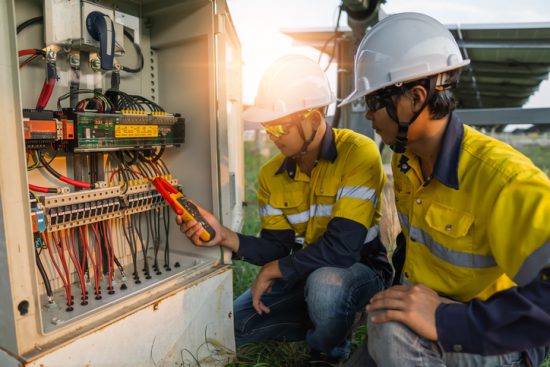
On a day to day basis, maintenance electricians will make routine inspections of machinery and equipment, and identify any repairs or replacements necessary. They’ll conduct repairs, make sure the electrical systems and components are aligned with provincial and national codes, as well as ensure that everything is functioning to ensure the efficient operation of the plant or factory. If you’re interested in an engaging career path within the electrical industry, becoming a maintenance electrician could be right for you.
2. Consider a Career as a Construction Electrician
If you’re interested in tackling larger projects throughout your career as an electrician, you may want to specialize within the construction industry after your electrician training. Construction electricians work to install electrical systems within newly constructed buildings, or buildings which are undergoing significant renovations. These professionals are experts in building codes and safety procedures–enabling them to safely install wiring and electrical components within a structure. These professionals may work closely with engineers and other professionals working at a construction site. These parties will collaborate in order to ensure that electrical systems are not only installed accurately and efficiently, but also meet the requirements of the projects. Construction electricians may interpret blueprints and architectural drawings, and use their strong communication skills to troubleshoot problems with other professionals on the project.
3. Explore a Career as an Electrical Inspector
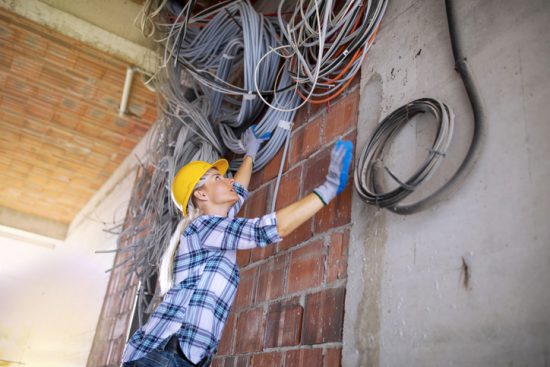
With construction and maintenance electrician training, you can build the necessary skills and expertise to become an electrical inspector after some years of experience. Electrical inspectors don’t work directly with electrical components and systems. Rather, they conduct examinations within the construction industry–making sure that the systems within new structures are up to code and safety regulations. They may also inspect the electrical systems of older homes if a renovation is being done or the house is up for sale.
With their keen eye and expertise, these professionals will monitor wiring on construction sites, approve new plans for installation, and document their inspections thoroughly. If an electrical inspector notices any mistakes or problems, they have the authority to stop work on a project. If you’re passionate about electrical work but are looking to apply your skills in a manner different from hands-on work, a career as an electrical inspector could be right for you!
Are you ready to enroll in electrician college?
Build the skills you need for a successful career at the North American Trade Schools.
How to Craft a Great Resume After Completing Electrician Training
October 12, 2021
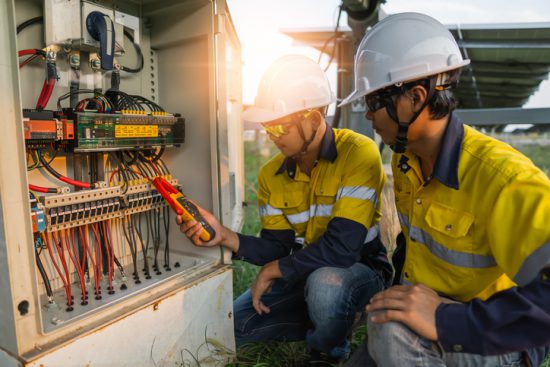
If you’re about to complete your electrician training, you’re probably gearing up to apply for jobs in the electrician industry. While the job application process can seem intimidating, once you know how to put together a great resume, you’ll be able to succeed in launching a rewarding career. During your training, you’ll have built the skills and gained the qualifications necessary to perform a variety of tasks as a construction and maintenance electrician. Not only should your resume reflect that you have what it takes to be an asset to any organization within the industry, but it should help you to stand out amongst other candidates and catch the attention of potential employers. Below, discover a few tips that will help you to create a strong, industry-aligned resume as a future electrician.
After Electrician Training, Don’t Forget to Format Your Resume Correctly
When putting together your resume, one of the biggest mistakes you can make is to neglect to format your resume correctly. When searching for the right candidate, employers may look over hundreds of resumes in a short span of time. Thus, your resume should be formatted in a way that makes it easy for a potential employer to read. When formatting your resume after electrician training, make sure to include a header that includes your name and contact information, followed by clearly labeled sections. Within each section, there should be clear spacing between separate items, and bullet points should be used when listing details such as skills or descriptions of activities and experience.

Include a Summary of Your Qualifications
The goal of your resume is to catch the attention of potential employers, and there’s no better way to do this than with a brief summary of your skills and qualifications at the top of the page. Including a summary of your qualifications gives a potential employer an idea of who you are as a candidate, and lets them know why you’re qualified for the position you’re seeking. Depending on the job description, you can tailor your summary to highlight what makes you a good fit for the particular position.
Detail the Skills You’ve Gained in Electrician Training
Within your resume, you’ll also want to include a list of the skills you’ve built in electrician training. Including a list of skills will help employers to identify why you’re qualified for a particular position, and verify that you’re well-trained as a future electrician. It is important to make sure your details are results-oriented–to show what kind of skills you can offer. Skills to consider putting on your resume might include residential wiring, code interpretation, print reading, conduit bending, service installation, machine control repair, and more.

Tailor Your Resume to the Job Listing
After completing your training at electrician college, it can be tempting to send the same resume to each position you apply to. After all, the job application process can be plenty of work. However, it’s crucial to tailor your resume to the specific job you’re applying for. You’ll want to make sure that the skills and qualifications you’re including in your resume are those which align with what the employer is seeking. Using keywords listed in the job posting can help you make your resume more specific to the position you’re applying to. Tailoring your resume will help employers to recognize how your specific skills and qualifications make you a great fit for the job at hand, increasing your chances of success in the process.
Are you ready to enroll in electrician school?
Launch your career with a program at the North American Trade Schools today!
4 Interview Questions to Expect After Construction School (& How To Answer Them)
September 16, 2021

Ready to launch your career as a construction electrician? Preparing for your job interview is one of the best ways to increase your chances of success. When you arrive at the interview stage, your potential employer has already seen your resume. This means they already know you have the skills and experience necessary to take on the job at hand. So what’s the point of an interview? It’s your golden opportunity to show an organization that you’re not only a good fit for the role you’re applying for on paper. You’ll get to tell them why you’re perfect for the job based on your character, commitment, work ethic–and any other professional talents you think they need to hear about!
Below, discover four common interview questions that you should prepare to be asked when applying for a job as a construction electrician.
1. What Made You Choose a Career in Construction?
Employers want to know what motivated you to enter a career in construction, as this will tell them more about who you are as a person and how committed you are to the industry. When answering this question, it’s important to be honest–while emphasizing why you’re passionate about working as a construction electrician. Did you always know you were going to become an electrician? Tell your potential employer why. Do you enjoy being challenged and solving complex problems? Don’t forget to let your interviewer know what excites you about this career path. By answering honestly, your passion for the role will shine through–which will impress prospective employers.

2. What Do You Know About Our Company?
In almost any field, it’s likely that an interviewer will ask a candidate what they know about their company. This question is meant to test your knowledge of the organization you’re applying to work for. Interviewers want to know that you’ve researched their company. This demonstrates your interest in the position and let’s them know that for you, this isn’t just another job. Prepare for this question by conducting plenty of research on the company before arriving at the interview. You’ll want to familiarize yourself with the organization’s mission, values, their history, the services they offer, and any other relevant information.
3. Where Do You See Yourself in the Next Five Years?
If you’re interviewing for a position in the construction trades after completing your training, you’ll want to come to an interview prepared to explain your future career plans. A hiring organization wants to know that the person they’re planning to hire has an idea of how they want to advance throughout their career. When answering this question, talk about how the position you’re applying for will equip you with the skills you’ll need to succeed in attaining your career goals. Showing your potential employer that this job is a step in the right direction for you assures them that you’ll be committed to their organization for a longer period of time.

4. Do You Have Any Questions for Us?
Don’t mistake this seemingly “easy” question for one that isn’t important. When an organization asks an interviewee whether they have any questions, they’re gauging your interest in the role. Coming prepared for an interview with a list of questions based on the research you’ve conducted is a great way to show an organization that you’ve given this opportunity plenty of thought. Asking questions also shows that you’re taking the process seriously.
Before your next interview, study these questions and come up with some thoughtful answers. When you arrive prepared, you’ll be sure to succeed!
Are you considering attending construction school?
Launch your career with a program at the North American Trade Schools today!
The Principles of Electricity Explained for Electrician College Students
August 27, 2021
If you’re considering launching your career as an electrician, you’ll use your knowledge of the principles of electricity to accurately install and repair electrical systems–as well as diagnose and troubleshoot electrical problems. Construction and Maintenance Electricians are equipped with the skills to perform a variety of different functions. Some may include: service installation, conduit bending, code interpretation, print reading, machine and electronic control repair, and more. As a Construction and Maintenance Electrician, understanding the principles of electricity will be important to your success. It will help to determine how the electrical systems you’re working with operate, and what the best solution is to any problems that may arise. Below, discover an introductory guide to the principles of electricity.
Where Does Electricity Come From? A Guide for Students in Electrician Training
Essentially, electricity is a secondary source of energy that’s created from the conversion of other sources of energy. Electricity is made up of atoms, which contain a nucleus composed of protons and neutrons. Around the nucleus are electrons, which revolve around the nucleus due to their attraction to protons and electrons. These respective particles contain an electrical charge, as protons are positively charged and electrons are negatively charged. Orbiting electrons that don’t have a strong attraction to the protons in one atom will be pushed out of the rotation and into another atom’s orbit. Electricity is the result of this shifting pattern. After completing your electrician training, you’ll be using this knowledge of electricity to inform the work that you do on the electrical systems within residential and commercial buildings.
The Electricity Generation Process
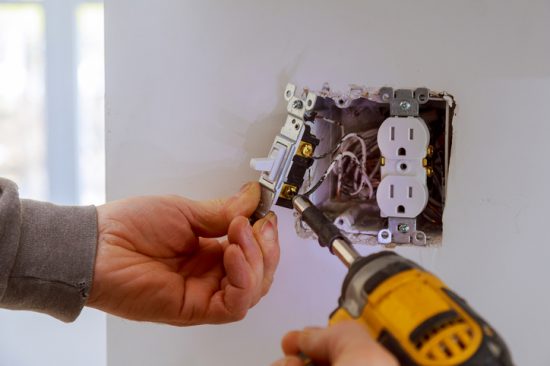
The electricity that’s used in residences and other buildings can be created in many ways, but some of the most common sources of electricity generation are coal, wind, and nuclear energy. Coal is burned at an extremely high generator, creating steam which passes through a turbine. The turbines are equipped with a generator–containing coils that rotate within a magnetic field to create electricity. Wind energy is created when wind turns the blades of wind turbines, spinning a shaft connected to a generator which creates electricity. Nuclear energy is produced within power plants, where an atom is split through the process of nuclear fission to create energy. This energy is used to produce heat, and the steam created by this heat generates electricity.
After this electricity is generated, it’s then delivered to consumers via different power lines that make up an electricity grid. Electricity grids connect electricity producers to consumers using substations, transformers, and power lines. As a graduate of electrician college, you’ll be working with the electricity delivered to these residences and commercial buildings.

Terms to Know Surrounding the Principles of Electricity
When learning about the principles of electricity, learning a few basic terms will enhance your understanding of how electricity works.
- Coulomb: A coulomb is a unit of electric charge
- Ampere (Current): Flow rate of an electric current
- Ohm: The unit of resistance within a conductor, determined by temperature, material and size.
- Resistance: Measured in Ohms is the electromotive force needed to pull electrons away from protons within an atom.
- Volt: Measure of the amount of electromotive force needed to push one ampere through a conductor.
- Ohm’s Law: Used to explain the relationship between current, resistance, and voltage. According to Ohm’s Law, the current is equal to the voltage divided by the number of Ohms.
- Watts: A unit of electrical power, equal to the number of volts multiplied by the current.
- Ampacity: The maximum amount of current that a conductor can handle.
Once you master an understanding of the terms used to measure electrical currents and charges, you’ll be able to use this knowledge to install, repair, and maintain electrical systems.
Ready to enroll in electrician school?
Explore your options with a program at the North American Trade Schools today!
If You’re in Construction College, Here’s What You Need to Know About Electrical Motor Theory
July 20, 2021

Working in the electrical industry requires knowledge of one of the fundamental components of modern construction: electric motors. From power tools to household appliances to industrial applications, electric motors are found everywhere. Essentially, an electric motor is a machine used to convert electrical energy into mechanical energy. Electricity is passed through a coil to produce the power to drive a machine.
Given their availability in today’s world, knowledge of the theory and application of electrical motors is essential for anyone hoping to pursue a career in the field of electrical construction. Skilled professionals should have a complete understanding of electrical motor theory and its application in residential, commercial, and industrial systems. If you’re considering a career as a construction and maintenance electrician, here’s a quick look at the fundamentals of electrical motor theory!
How Do Electric Motors Work?
The electric motor works according to an interaction between the electric current and the magnetic field, which generates a force to make the shaft rotate. In other words, when an electric current passes through a coil, a magnetic field is generated that causes the coil to rotate on its own axis. Most electric motors today work according to this principle of electromagnetic induction. The mechanics of a generator work in much the same way as an electric motor – however, a generator works in the opposite direction, converting mechanical energy into electrical energy.
Students in construction college learn the principles and applications of electricity to prepare them for competitive careers as electrical control assemblers, electrical technicians, and more.
Types of Electrical Motors
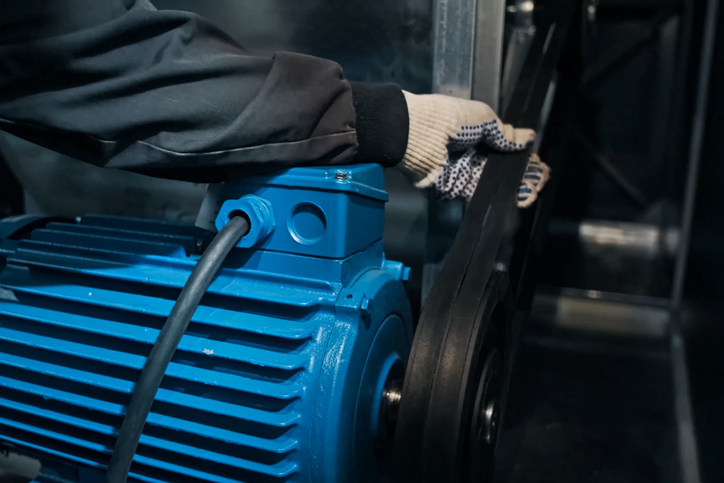
Electric motors can be classified according to their power source, construction, motion output, and application. Typical motors are equipped to provide sufficient mechanical power for industrial uses in pumps, fans, power tools, and disk drives. Today, the most commonly used electrical motors are AC motors and DC motors.
DC (Direct Current) motors are widely used because they come with a pre-existing power distribution system. Their speed can be adjusted through the intensity of the electric current. The ability to control the speed makes them a popular choice for home appliances, vehicles, and elevators.
AC (Alternating Current) motors are able to reverse the direction of the electric current at regular intervals. This type of motor uses magnetic forces to propel the current through the device. The current creates a rotating magnetic field that can move the rotor. With a low starting power and controlled acceleration, AC motors are suitable for instrumentation and industrial applications.
Trained electricians pursuing a career in construction will be able to distinguish the appropriate uses of different types of electrical motors.
Advantages of Electrical Motors in Construction Careers
In application, electric motors have several advantages over normal engines. When it comes to their comparative power, the horsepower rating is similar – however, the cost of electric motors is significantly lower than fossil fuel engines. These motors also don’t use fuel, nor do they require the maintenance of engine oil. In that sense, electric motors require little maintenance with a lifespan of up to 30,000 hours if maintained properly. Not to mention, electric motors can be widely used across different appliances, including machine tools, ships, paper mills, motor vehicles, as well as heating and ventilation systems. With knowledge of the fundamental workings of electric motors, students in construction are prepared for a modern and practical career path.
Are you interested in construction careers?
Contact NATS today to learn more about our program!