Category: Construction Maintenance Electrician
How to Succeed in Your Electrical Apprenticeship After Electrician Training
November 15, 2022



The road to becoming a licensed electrician is a rewarding one. First, you’ll learn the fundamentals of the trade in a certified training program. Once you’ve learned the basics, you’ll have the opportunity to earn money as you learn during your apprenticeship. This is a great time to hone your skills, learn the electrical codes in your area, purchase the right tools, learn how to use them properly, and make meaningful professional connections. Let’s explore some effective ways to succeed during your electrical apprenticeship!
Ask Questions to Absorb as Much Information as You Can
You may need to approach your apprenticeship differently than you might other positions. While being able to earn an income is a huge perk of an electrical apprenticeship, your main priority should be to learn and practice your skills. Whenever you can, try to absorb new information. Listen attentively when others offer feedback and try to remember it. Keep your eyes open when licensed electricians complete tasks.
As you watch, look for parts of the process that don’t make sense to you and ask clarifying questions. As your apprenticeship progresses, try to answer some of your own questions using your prior knowledge and experience. That being said, it’s always a good idea to double-check when you’re unsure. Remember that mistakes are a normal part of the learning process, and try your best to turn yours into valuable learning experiences after electrician college!
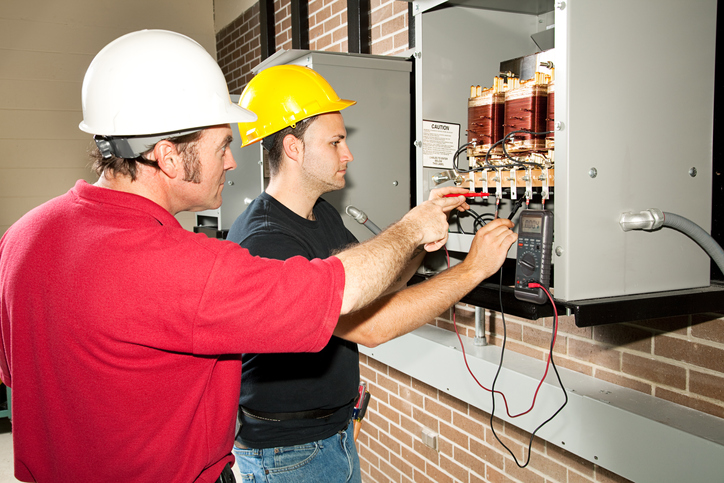
Understand the National Electrical Code
This one may take some time. The Canadian Electrical Code is a long document published by the Canadian Standards Association. It’s full of information about how to safely install and maintain electrical equipment in Canada. It’s a great idea to make sure you have access to a copy that you can refer to when you need extra clarification. A clear understanding of electrical standards will help you stay safe on the job, as well as protect the safety of clients. Have faith in the learning process! With time, you’ll become familiar with the electrical code in your area. Keep in mind that the Canadian Electrical Code is revised every three years, so be sure to stay up to date.

Master the Art of Networking After Electrician Training
During and after electrician training, networking should be a priority. Your success in most fields will depend heavily on your ability to build meaningful relationships in the workplace–in addition to your skill and experience level, of course. On the job, try to be personable and open to meeting new people. You have no idea what conversation could lead to a major opportunity for career advancement, so always put your best foot forward and don’t hesitate to share your contact information when you’ve established a connection.
Your electrical apprenticeship will be an exciting phase of your career. The Construction & Maintenance Electrician Pre-Apprenticeship Diploma Program can help you find success as you learn and earn. Receive hands-on training on electricity principles and applications, blueprint reading, framing, and more!
Ready to enrol in earning an electrician diploma?
Contact NATS to learn more!
Residential vs. Commercial Wiring: A Guide for Those Considering Electrician Training
October 11, 2022
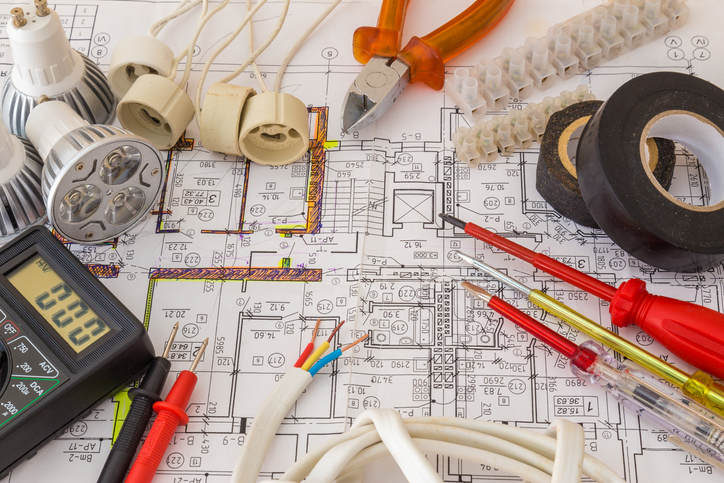
Do you want to launch a career as an electrician? If so, you’re in for a dynamic, interesting, and lucrative work life that will give you the opportunity to collect many valuable experiences and use them to seek higher positions. During your electrical apprenticeship, you’ll likely have the opportunity to explore both residential and commercial wiring. This will allow you to decide on your area of focus down the line as a licensed electrician.
To get you thinking, here are some of the key differences between residential and commercial wiring and what to keep in mind when doing both types of work.
Different Materials Are Used for Residential and Commercial Wiring
One notable difference between commercial and residential wiring is the material the wires are made from. Residential wires, which are typically hidden behind drywall, are only covered with a thin PVC sheath. Commercial wiring typically has a greater amount of insulation in order to withstand higher temperatures. The wires are usually protected by a thick sheath of Nylon, a tough thermoplastic that makes an excellent electrical insulator. In addition, commercial wires are held to higher codes than residential wiring, so higher-grade materials are needed.
A Conduit Is Always Used For Commercial Wiring
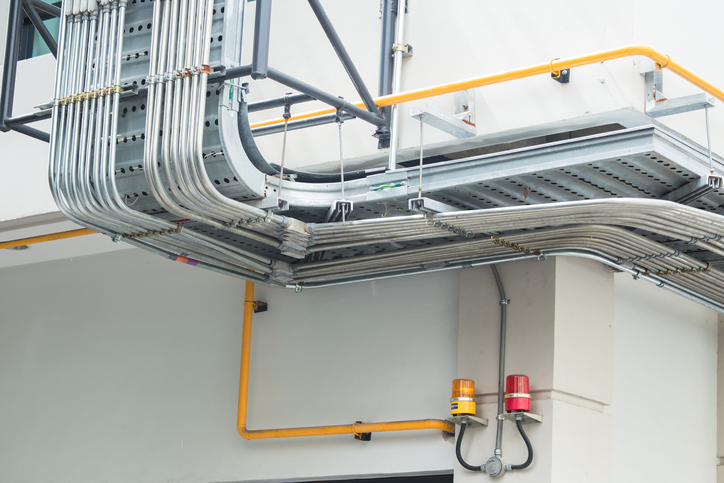
An electrical conduit is a metal or plastic tube through which an electrical wire is run; the primary purpose is to protect the wires. After electrician college, you’ll find that the use of conduits depends on local codes. That being said, conduits are generally considered a must in commercial settings. They are used for residential applications as well, primarily when the wire remains exposed as they would be in an unfinished basement, crawlspace, or attic.
After Electrician Training, Load Capacity Will Differ For Commercial and Residential Wiring
Electrical load capacity refers to the total amount of power provided by a building’s main source of power. In general, a commercial setting will have a higher load capacity than a residence. Usually, a single-phase circuit of 120 volts is used. Single-phase systems require only two lines–one for power to enter and a return path. For appliances like refrigerators, washers, and dryers, two-phase systems of 240 volts are used.
When you work in a commercial setting after electrician training, you’ll find that three-phase systems are used, which are comprised of two 120-volt legs and a wider 208-volt leg. This system reduces the load on each individual line while maximizing the overall output of an electrical circuit.
Ease of Access Differs Depending on the Type of Wiring
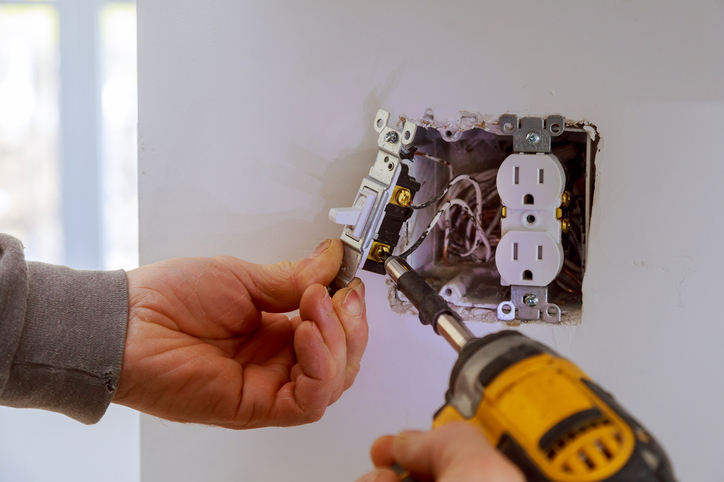
With residential wiring, safety and aesthetics are the main priorities. For this reason, wires are tucked away and out of sight. This makes residential electrical lines a bit less convenient to access. Commercial wiring on the other hand does not require as much consideration for aesthetics, so they’re often easy to access.
The Construction Maintenance Electrician program at NATS will teach you the ins and outs of residential, commercial, and industrial electricity. In addition to electrical theory, you will leave the program with well-rounded practical skills in code interpretation, circuit building, and print reading. As a result, you will be ready to take up an electrical apprenticeship confidently and competently.
Ready to start electrician school?
Contact NATS for more information!
5 Opportunities For Advancement After Construction College
October 04, 2022

Learning the core principles of electricity and construction is a great way to begin your career. However, you may be wondering exactly how you might continue to advance your career after graduation. Work is often more satisfying when there are opportunities to progress and seek higher, more lucrative positions for yourself. Luckily, you have many options at your disposal when you train as a Construction and Maintenance Electrician with the North American Trade Schools. Below, explore five great opportunities for advancement available with the skill set you’ll gain during your program.
1. Start an Electrical Apprenticeship to Open Doors in Your Career
Electrical construction is a lucrative and interesting field with many opportunities for career advancement and many different work environments to choose from. To open doors in this field, you should first enrol in an electrical apprenticeship after construction college with NATS. This way, you’ll gain all of the hands-on experience you’ll need to wire industrial or residential buildings safely and effectively. When looking for an apprenticeship, do your research and select a reputable company that consistently leaves customers satisfied. You’ll want to learn how to be an outstanding electrician first in order to continue advancing your career.

2. Become a Journeyman Electrician After Construction College
A journeyman electrician is qualified to work on all sorts of electrical systems. The job includes installing, repairing, and maintaining these systems within various settings. After completing your training, taking a four-year apprenticeship, and completing 6000 hours of technical, on-the-job training, you’ll be equipped with the skills for this career. The experience you gain in this position will prepare you to become a master electrician, which will significantly increase opportunities for growth and earning potential.
3. Consider Becoming an Electrical Inspector
After you’ve been working in the field for some time and have developed a degree of expertise, you might consider becoming an electrical inspector. The position involves inspecting generating systems, appliances, electrical wiring, and motors. You’ll work primarily on construction sites and in homes, ensuring that electrical systems are up to code and in good working condition. An electrical inspection may also involve making repairs to bring systems up to standard.

4. Are you a Good Teacher? Become an Electrical Instructor
Once you’ve gained confidence in your skills after graduating from construction school, instructing is a great option. This career path is very rewarding as you can use your knowledge and experience to help others pursue a career they’re passionate about. Responsibilities include planning and preparing learning materials, teaching the core principles of electrical technology, and adapting teaching methods to meet the needs of each student. In some cases, you may be asked to contribute to program planning.
5. Work For Yourself as a General Contractor
Have you always wanted to try your hand at business? You’re certainly not alone. Entrepreneurship can be extremely lucrative and fun, especially in the construction sector! Once you’ve become a master electrician, which involves three years of field experience and passing a licensing exam, you can run your own electrical company and enjoy the freedom and limitless possibilities that come with entrepreneurship. General contractors have the opportunity to work in industrial, commercial, and residential environments, depending on what clients they cater to.
Ready to start your path in one of the construction careers?
Contact NATS for more information!
5 Soft Skills Necessary for Success in Construction Careers
August 23, 2022

Construction careers are multi-faceted and they often require workers to wear multiple hats and carry out a wide variety of duties. In addition to practical construction skills, there are several soft skills that can boost your ability to reach your career goals. The soft skills you’ll develop in training and on the job sites will help you create the right mindset to face workplace challenges head-on. Let’s explore a few of them!
1. Effective Communication Skills Are a Must for Efficiency on Site
Effective communication is the key to a productive construction site. It involves being able to listen, understand, and express yourself accurately and clearly. There are several types of communication that every aspiring construction worker should master. Not only will you need to have the skills to coordinate with your co-workers but also with clients and different people across the supply chain. Each type of interaction requires you to communicate differently.
2. Use Your Knowledge from Construction College to Develop Problem-Solving Skills
Throughout your construction career, you’ll likely be required to come up with solutions to pressing issues on the spot. This certainly takes practice, but with the right training from a construction college and some experience under your belt, you will have the knowledge you need to quickly weigh the pros and cons of different solutions and make the right decision for the issue at hand. Want to develop a mind for problem-solving? You’ll have the chance to exercise these skills in our Construction & Maintenance Electrician Pre-Apprenticeship program where you’ll learn to come up with different home wiring solutions, how to interpret codes, analyze and repair machine controls, and more.

3. Mental Clarity and Focus With Stress-Management Skills
In a construction career, there will be a lot going on around you and often many different tasks will demand your attention at once. Though this is the perfect work environment for someone who likes a dynamic, hands-on work life, you’ll certainly experience some stress from time to time. Your ability to manage it will determine the extent to which you can perform your duties with mental clarity and focus. You can practice stress management throughout construction school by managing your time well, practicing self-care, and asking for help when you need it.
4. Be Flexible and Adapt to Work Through Inevitable Setbacks
As we discussed, construction sites can get very busy and on any given project, there’s a possibility that something will go wrong–or at least not exactly according to plan. In situations like these, it’s important to be able to quickly adapt to new circumstances and work with whatever you have at your disposal to get the job done. Your team will certainly appreciate your ability to switch gears and prioritize tasks sensibly when setbacks arise and you’re prepared to relocate when needed.

5. Have Commercial Awareness to Ensure Profitability
Whether you plan to run your own construction business or be a valued team member, understanding commercial demand will help you produce results that clients are happy with. In addition, commercial awareness helps you adapt to market trends and world events that may affect the construction industry. One way to improve in this area is to regularly keep up with construction news. In addition, by getting trained with us in both the classroom and in practical labs, you will learn everything you need to perform construction work up to an industry standard.
Ready to start training in one of the construction careers?
Contact NATS for more information!
5 Electrical Safety Tips to Follow After Electrician School
August 11, 2022

Electricians encounter potential safety hazards every day. While working with the voltages and currents within electrical systems always involves a risk, it’s important to know how to reduce as much risk as possible. With the right safety practices and protocols in place, electricians are able to stay safe on the job, ensuring long and successful careers.
At the North American Trade Schools, students in the Construction and Maintenance Electrician Program not only build practical skills in wiring, installation and more, but they also receive comprehensive safety training which they’ll be able to apply in their future careers. Below, get a head start on your electrical safety knowledge by discovering five key electrical safety tips to follow.
1. Wear the Right Protective Equipment
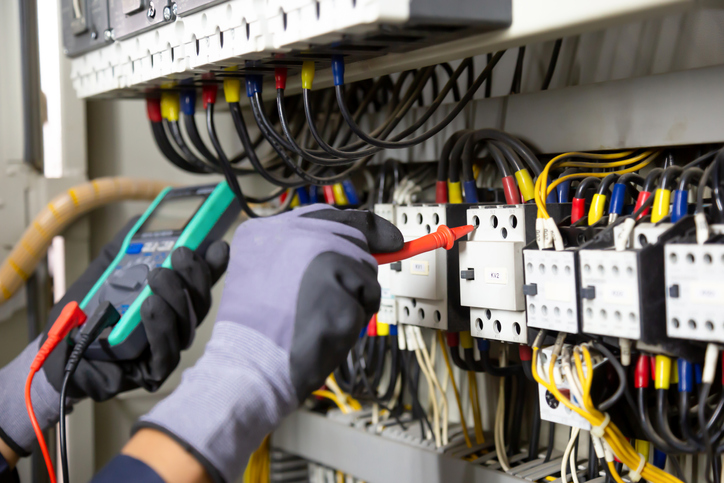
Personal Protective Equipment (PPE) is key for an electrician. With the right PPE, those with electrician training can avoid the risk of shock or other dangers associated with working with electrical equipment. Typically, proper safety gear includes insulated gloves, long sleeves, hard hats, goggles, line hoses and blankets. Depending on the job, more gear may be required to ensure adequate protection. As an extra precaution, make sure to inspect your gear before starting any job to ensure that it’s not damaged.
2. Keep the Electrical Code in Mind
As a student at NATS, you’ll have the opportunity to learn about the Canadian Electrical Code (CEC). The CEC was developed to outline the safety risks involved in the wiring, installation and maintenance of electrical systems. It includes information about the proper safety protocols and best practices to follow while on the job. As an electrician, it’s important to maintain a working knowledge of the CEC, as this will help you to avoid hazardous situations and respond to risks safely.
3. Know What to Do in Wet Conditions With Electrician Training
Damp or wet areas are a hazard for electricians, as water contact increases the risk of electrocution. After electrician school, it’s important to take the proper steps in preventing electrocution as a result of water. When working in any wet area, it’s crucial to install Ground Fault Circuit Interrupters (GFCIs) before beginning your project. When cords and equipment are plugged into GFCI-protected receptacles, the risk of electrocution is minimized as the circuit is interrupted before making contact with your body.
4. Maintain Your Electrical Tools
Damaged tools are an accident waiting to happen. The tools electricians use (trigger locks, power tools, extension cords and more) are designed to maximize safety, but when these tools are in need of repair, they can pose a serious safety hazard. Before beginning any job, make sure to examine your tools for signs of wear and tear, fraying or cracking. If any tools show signs of damage, it’s important to remove them from the site and get them repaired immediately.

5. Remember Lockout and Tagout
Lockout and tagout procedures are critical for any electrical job. During the program at NATS, you’ll receive training in lockout and tagout, which involves de-energizing any equipment before the repair process. All electrical equipment, including hanging wires, metallic covering and other components, must be de-energized in order to avoid electrocution. Lockout and tagout are performed by turning off the current at the switch box and keeping it off by padlocking the switch in place. Before any electrical job, don’t forget to complete this step.
Ready to enroll in electrician college?
Contact the North American Trade Schools for more information!
Exploring Construction Careers? Ways to Promote Sustainability in the Field
July 19, 2022

Caring for the environment is becoming increasingly more important, making sustainable construction a key part of the process. According to research, annual global construction waste is anticipated to reach 2.2 billion tons by 2025. Professionals in construction careers can embrace sustainable practices to reduce this number and make a positive difference.
Sustainable construction can typically be viewed as any kind of construction practice that serves to reduce its impact on the environment. Typically, this involves being environmentally conscious when starting construction projects—choosing the right materials and methods to minimize energy consumption or waste production.
Read on to learn about how professionals in the industry can embrace sustainability and contribute to protecting the environment through their work.
Selecting Environmentally-Friendly Construction Materials
Before starting a construction project, professionals can begin by selecting sustainable materials. These materials do not negatively impact the environment nor do they play a role in draining natural resources. Here, it’s best to avoid using non-renewable and scarce materials and prioritize reclaimed materials over new ones.
Professionals can consider using bamboo, recycled plastic, laminated timber, ferrock and hempcrete when constructing green buildings—ones that are environmentally responsible and resource-efficient. It’s also good practice for professionals in construction careers to aim for using fewer materials and opting for ones with low embodied energy. By taking on this approach, construction professionals can reduce their energy consumption, better protect the environment and decrease the carbon footprint of their projects.

Embracing Sustainable Construction Methods After Construction School
Prefabricated construction, also referred to as offsite or modular construction, is when parts of a structure are assembled at a manufacturing site before being transported to their final destination. This technique is considered to be more sustainable as it promotes factory-based manufacturing with more affordable operating costs.
In fact, it’s even been noted that this construction method uses up to 67% less energy than a traditional site. Because manufacturers would be more able to accurately estimate the necessary materials, they can reduce waste by 50% compared to conventional construction.
Interestingly, buildings developed using the prefabricated approach can even be recycled and repurposed over time, ultimately reducing waste. Students in construction school can embrace these methods in their careers to build a more sustainable future.

Managing Construction Waste With the Environment in Mind
Reducing waste is a key way to promote sustainability in construction. This can be done by carefully planning waste management efforts, anticipating potential waste, preparing sufficient bins for separating waste, estimating the right amount of materials and identifying recyclable materials.
Another valuable approach is to prioritize deconstruction over demolition. That’s because demolition is typically more destructive, preventing professionals from preserving reusable materials. By opting for deconstruction, professionals can disassemble structures to salvage reusable materials and save them for future projects. Adopting these approaches and taking active measures to promote sustainability in the field can help reduce our impact on the environment.
Thinking of attending a construction college?
Contact NATS for more information!
5 Electrical Hazards to Watch Out for when Earning an Electrician Diploma
July 12, 2022

If you’re interested in problem-solving and using your hands in a fast-paced career, you might consider becoming an electrician. In addition to flexible schedules, Job Bank Canada forecasts that close to 25,000 new job openings will become available between 2019-2028 in Canada alone.
North American Trades Schools provides electrician certification for residential, commercial and industrial levels, preparing you with the knowledge and hands-on training to feel confident and safe at the workplace. As a student in electrician school, familiarizing yourself with safety practices and common hazards will help you to stay safe throughout your training and future career.
Keep reading to learn about five common electrical hazards and how to prevent them so you can improve your safety while earning your electrician diploma.
1. Wearing Personal Protective Equipment Is Essential When Earning Your Electrician Diploma
Electrocution, electric shock, burns and falls are all common injuries that an electrician must be hyper aware of avoiding. During your electrician training, you’ll learn that the first preventative measure that you can take is equipping yourself with the appropriate Personal Protective Equipment (PPE).
There are many different types of PPE you can protect yourself with, depending on the scope of the job. Insulated gloves, matting, and ladders can provide a protective layer eliminating a pathway for electricity to travel through the body. Face shields, non-metal helmets and flame retardant clothing can also add extra protection. Additionally, you should always inspect your PPE before use, and be sure to safely store it after completing a job.

2. Beware of Improper Grounding and Unwanted Voltage
Grounding is the method of connecting an isolated conductor to a ground, preventing unwanted transmission and voltage. When an electrical system is not appropriately grounded it can create voltage that cannot be eliminated safely, as the exposed parts of a system can become energized and cause electrocution. This can include the metal parts of motors, appliances or electronics that are plugged in.
To prevent electrical hazards, equipment must always be properly grounded. Using a Ground Fault Circuit Interrupter (GFCI) is a recommended safety measure that can safeguard you from improper grounding when working with electric systems. If a ground fault is detected in a circuit protected by a GFCI, it automatically stops the current, protecting you from electrocution.
3. Following Lockout and Tagout (LOTO) Procedures Keep You Safe
During your electrician certification, you’ll learn about using the LOTO method to control hazardous energy and prevent the accidental use of equipment while it is unsafe, being inspected, or being worked on.
Lockout and Tagout ensures that equipment is appropriately shut off and unable to be restarted prior to the completion of any work being done. When the power sources are off, they are locked with a tag attached identifying the reason the LOTO is there. The worker that places the LOTO is the only one with the key, ensuring that it is not accidentally started by anyone else.

4. Working in a Wet Environment Increases the Chance of Electrocution
From spilled water near an electrical outlet to leaks from plumbing issues, electricity and water are always a dangerous combination, together increasing the chances of electrocution. It’s important to keep tools, equipment and wires away from damp and wet areas, especially if equipment has any damages to its insulation. Wear and tear can make it easier for water to make contact with the conductors, leading to electrocution. As with improper grounding, protecting circuits with a GFCI ensures that if electrical shock occurs due to these conditions, the current will immediately be stopped.
5. Overloaded Power Strips and Outlets Are a Common Hazard
One of the most common electrical hazards in many homes and businesses are overloaded power strips and outlets. Outlets are designed for a limited amount of electricity output. Plugging in an excess of high-voltage devices can overload a power strip, increasing the chances of an electrical fire. Choosing power strips with surge protection will help to reduce the risk of fire, as the breaker stops the current if it gets overloaded. However, when working with heavy electric equipment as an electrician, you cannot rely on common surge protectors and power strips. Instead, a safer alternative is a three-way extension with GFCI for added protection.
With an extensive hands-on learning experience, as well proper safety techniques and leading practices, you will be fully prepared to identify and avoid common electrical hazards throughout your future career.
Are you interested in earning your electrician diploma?
Contact NATS to learn more!
A Brief Guide to Installing Rough Electricity After Electrician College
June 21, 2022
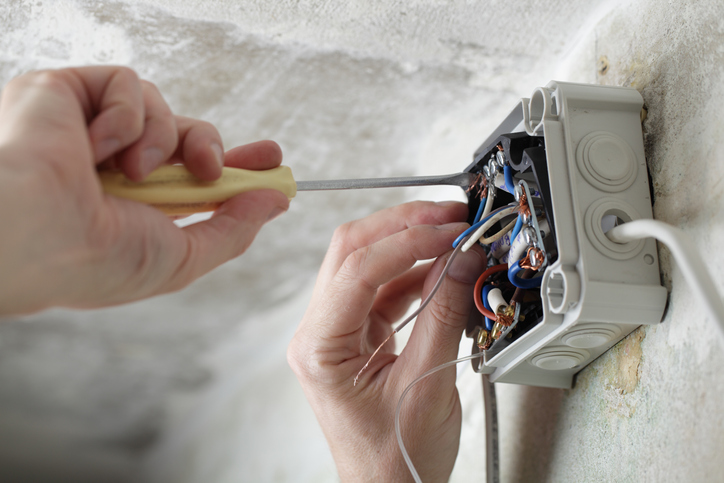
Rough electricity installation, or the initial installation of electricity prior to the addition of drywall, insulation and other barriers, is a fundamental component of a construction electrician’s responsibilities. If you’re considering this career path, electrician college is the perfect starting point, preparing you to qualify for an apprenticeship and eventually, a job.
At North American Trade Schools, both the classroom and lab sessions will give you the foundation you need to apply your skills in an apprenticeship and in your future role. Through courses such as Basic Electrical Theory, Electricity Principles and Applications, and Building Layout and Blueprint Reading, you’ll gain experience understanding general electrical concepts. While working independently as well as collaborating with a team, you’ll gain hands-on skills necessary for a successful career.
Below, continue reading to learn more about the process of rough electricity installation, a key component of your future curriculum.
Planning and Layout Process
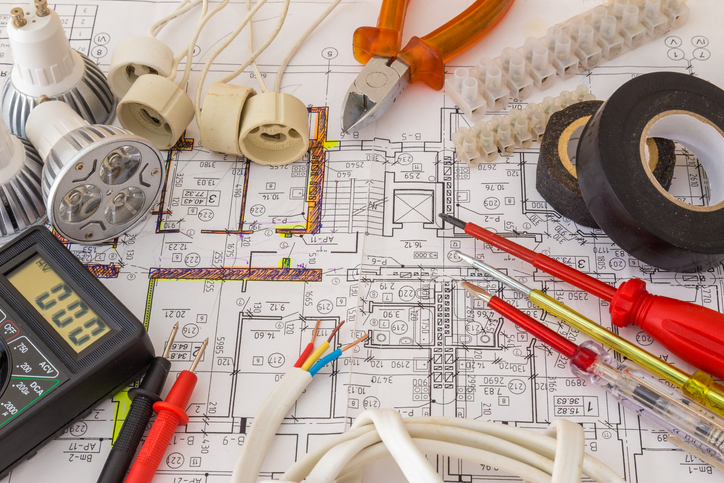
During electrician college, your course Building Layout and Blueprint Reading will come in handy for the first phase of rough installation. Whether you’re working on a home, condo, or commercial building, each print will be different, and you’ll need to analyze them to help you begin your work layout.
Planning the layout begins with determining where your boxes will be placed, and subsequently installing them in the correct areas. This is an important step in ensuring that the plugs are accessible in every area, and your hands-on training at NATS can help you develop the attention to detail required for this step. It’s crucial to note here that if the box is crooked, poorly supported, in the wrong place, or an incorrect model, corrections will need to be made.
Preparation, Drilling, and Pulling Process for Electrician Training
After planning and box placement is complete, you can expect to move onto other preparation measures that lead into the drilling phase. Planning how to run your wires will help you determine where you need to drill, as you determine the best route to take for each one.
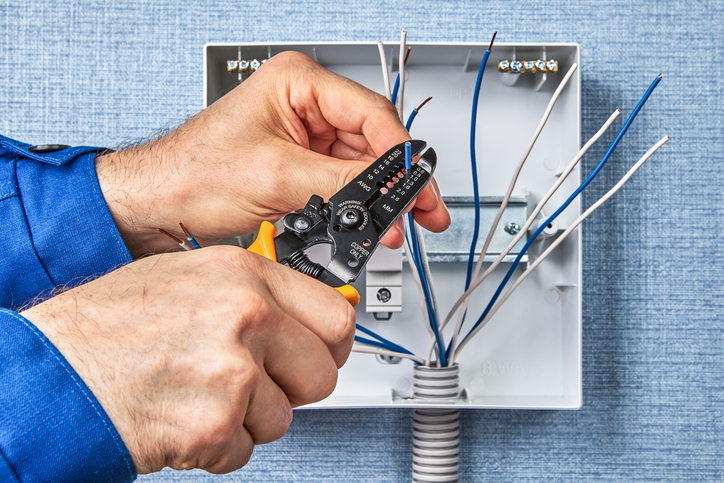
Based on your initial planning, you should be able to decide which wire size is needed for your wire pulling. Getting comfortable with varying wire sizes, their uses, and their ideal locations during your electrician training is highly encouraged, as it will help you to efficiently determine these solutions in the future. Once you know the necessary wire size, you can strip the insulation and insert the wires into the box as planned.
Completing the Electrical Box
It can take some finesse to leave a tidy electrical box once your work is complete. However, it’s worth taking the time to do so, because work is much easier to accomplish when the wires aren’t crossed.
Aside from sorting out each wire, other tips for a tidy box include creating a service loop, leaving some slack on the bond wire before screwing it down, and taking advantage of the space that’s available to you. After splicing your wires, you’ll want to make sure to leave them in a braid so that they’re collected and tidy. At NATS, not only will you receive the hands-on training necessary to help you feel confident on the job, but you’ll also learn from industry experts to guide you along the way to success.
Interested in attending electrician school?
Contact North American Trade Schools for more information!
Industry Trends to Watch for After Electrician Training
May 17, 2022

Trends are always changing for industries as they adopt new technology and sustainability initiatives. This is especially true for the electrical industry, which seems to be moving at a tremendous pace towards a bright future. For an aspiring electrician who’s pursuing a career in the electrical industry, it’s important to be aware of the new trends that are shaping the industry today. The electrical industry is making strides in innovative solutions that will make your career that much more exciting.
At NATS, you’ll get hands-on training through our Construction and Maintenance Electrician program. You’ll learn wiring, service installation, code interpretation, conduit bending, and more for residential, commercial and industrial electricity, as you prepare yourself for upcoming trends in the industry. So, read on to learn more about some of the top industry trends!
Smart Cities Will Be a Big Hit After Your Electrician Training
The electrical industry will see a rising trend in the use and implementation of the smart city framework. A smart city is considered a network made up of information and communication technologies that deliver smart sustainable efforts directed at challenges affecting a growing urban population. A smart city gives the people and their governing bodies the power to make better choices for themselves.
After you complete your electrician training, you’ll be amazed at how a smart city allows people to receive, analyze and oversee data in real-time, which helps them make important decisions that improve their quality of life. Residents of a smart city can monitor their electricity usage and energy consumption through their smartphones and be connected to electrical companies that can also monitor data in real-time. This will help resolve any electrical issues as they occur while improving sustainability and reducing cost.

The Arrival of Augmented Reality to Help With Electrical Work
With the use of augmented reality (AR) being utilized in various industries, it’s about time the electrical industry got on board as well. Augmented reality is becoming a useful technological advancement that’s making its way into the electrical industry, as it helps with electrical projects and tasks. After finishing your training at an electrician school, you may get to wear one of these devices on the job.
Augmented reality can help you plan out an electrical project as you see its conceptual design right in front of you. You can use AR to assist you in planning for electrical wiring at a residential, commercial or industrial building, or to determine how to fix a faulty electrical panel. AR also gives you the flexibility of offering support to fellow electricians or trainees while they’re working on a project, without you having to be present.

Sustainable Materials Are Becoming Major Players in the Industry
With customers becoming more conscious of the environment, it has become imperative for many industries to develop innovative solutions that will allow them to offer sustainable and eco-friendly products and services to customers. The electrical industry is also answering that call.
As an electrician, you’ll probably be making environmentally conscious strides throughout your career as you work on implementing and installing energy-efficient products for different types of buildings or within smart cities. Electrical companies are also shifting their focus toward sustainable operations and offering transparency within their business practices, as they meet consumer demands for energy-saving initiatives.
Interested in an electrician college?
Contact NATS for more information on our training programs!
Common Conduit Bending Mistakes to Avoid After Electrician College
February 01, 2022
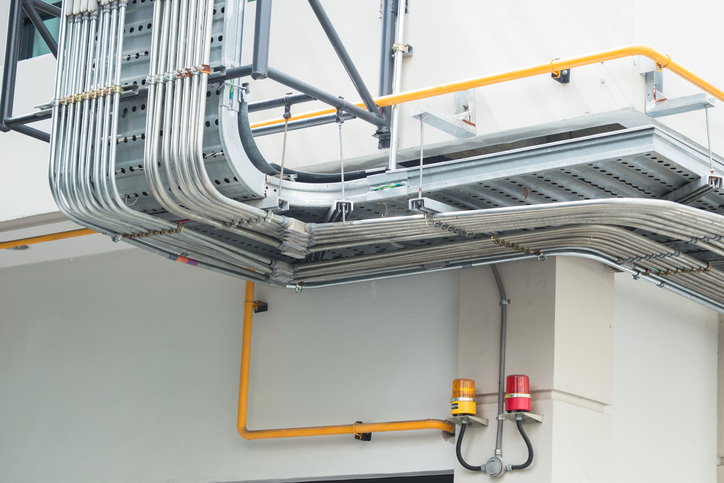
Conduit bending isn’t an easy skill to master when it comes to replacing old electrical wiring or wiring a new home. For electricians, knowing how to correctly and safely bend conduit is a major part of your responsibilities. Knowing how to bend conduit allows you to make it work around different corners, overpass permanent objects and fit many angles. By applying the right amount of pressure and conducting the proper measurements, you can make a good conduit bend.
Avoiding common conduit bending mistakes will prevent things from going wrong. Improperly bent conduits will underperform and wear out quickly. At North American Trade Schools, you’ll gain hands-on experience in conduit bending that will help you avoid common conduit bending mistakes.
Read on to learn about the common conduit bending mistakes to prepare for your trade.
Apply the Right Pressure After Electrician Training
It’s important to have precision and add the right amount of pressure in the right place of the conduit. Applying an excessive amount of pressure won’t help to bend the conduit in the way you want. In fact, too much pressure can break your tools and delay your work even further. When you add more pressure on the bending point than is needed, the conduit can either break or flatten.
Electrician training will help teach you to apply all sorts of conduit bending techniques that are required for installation and prepare you for industry work in your apprenticeship and beyond.
Avoid Using the Wrong Machine or Tool
Knowing when to use and not to use machines to do the conduit bending for you will help you a lot with your electrical wiring and avoid any delays. There are computer numerically controlled (CNC) machine benders that are considered versatile and powerful and offer great precision in conduit bending. However, they should not be used for every conduit shape or simple bends–only for the complex shapes or bends that you can’t perform manually. Through your electrician school, you’ll know when to use or not to use these machines, and how to perform manual conduit bends. When you use manually controlled machines, you will notice that you will increase your output speed and save money.

Avoid Flattening Too Much
With training and experience throughout your career, you’ll avoid the mistake of flattening the conduit too much. In some instances, flattening is okay for certain job requirements–while for other jobs, too much flattening will cause serious problems when it is time for you to do conduit bending. Applying the right pressure and stress to the outside radius is key in the conduit bending process. If you apply too much pressure and stress to the outside radius, the conduit will not be able to maintain its proper shape–causing the exterior to bend in, and therefore, flatten the tube. By using less pressure and utilizing the centreline radius which provides a larger bend, you will reduce the chance of excessive flattening.
Avoid Wrinkling and Buckling
As mentioned earlier, conduit bending requires precision with the amount of pressure applied. Avoid any wrinkling or buckling from occurring by ensuring a smooth bend in the conduit. If you notice any wrinkles or buckling, the bend could cause problems down the line.

This wrinkling and buckling occurs when the cross-section of your bend is unable to support the pressure applied. This happens by using excessive pressure far from the die or by not using a mandrel tool when you should.
Interested in enrolling in electrician college?
Contact NATS for more information!
Keywords: electrician college, electrician school, electrician training