Category: Skilled Trades



Starting a skilled trade can feel like a big step, and for people living in Brampton, a welding apprenticeship offers one of the clearest paths to get going. It’s a practical option that gets you learning by doing, working with real tools and gaining exposure to actual job sites. Whether you’re finishing high school or thinking about your next move, a welding apprenticeship in Brampton gives you a strong starting point with real job skills behind it.
This path is about more than learning to weld. It’s about building good habits, gaining shop confidence, and working toward reliable employment that connects with local industries in manufacturing, construction, and custom metal work. With every bead you run and every joint you weld, you are building a career shaped by skill, teamwork, and hands-on progress.
What a Welding Apprenticeship Actually Involves
In Ontario, a welding apprenticeship means working under the guidance of a licensed tradesperson while also completing official training hours. It’s a mix of on-the-job experience and formal skill-building that helps you develop in the trade with the support of someone who has been there before.
As an apprentice, you aren’t stuck watching from the sidelines. Entry-level tasks often include setting up pieces, handling tools, prepping surfaces, and tacking joints. Slowly, with supervision, you’ll start laying down your own welds, reading basic drawings, and finishing assignments that match your skill level. Each shift gets you more comfortable with the gear, temperature control, safety steps, and structure of a busy site.
The early stages of apprenticeship are focused on practice. You are developing judgment and technique through repetition and feedback. That kind of hands-on learning builds speed and trust, two things employers value highly.
Training Comes First: How to Prepare Before You Apply
Finding an apprenticeship often takes focus and persistence, but having formal training can give you a real boost. Welding schools lay the groundwork by teaching the tools and techniques you’ll use on site. This makes the jump to new work settings less overwhelming.
Students in a hands-on welding program at North American Trade Schools learn how to read blueprints, cut and prep metal, use different welding types such as MIG and stick, and follow the safety processes that protect everyone on the job. While NATS provides the diploma training that prepares you to step into an apprenticeship, your apprenticeship hours are completed through employment and Ontario’s apprenticeship system. The training is built around real shop time, using welding machines and gear you’ll see at work. Spending hours in the shop lets you get used to the heat, sound, and flow of daily tasks.
NATS students use industry-grade booths and equipment, so you’ll be working on the same type of machines found in local shops. This sets you up to step into an apprenticeship with practice under your belt, not just classroom theory. Students who have this background tend to pick up job site routines faster and feel less stressed in those first few months.
Why Brampton is a Solid Place to Launch Your Welding Career
Brampton continues to see steady growth in both housing and commercial development, keeping local trades in high demand. With new buildings rising and businesses opening up shop, there’s year-round need for skilled welders to support construction, renovation, and manufacturing projects.
Living and training in Brampton means you are close to shops and worksites in the city and nearby locations like Mississauga, Vaughan, and Etobicoke. Many local employers are familiar with NATS, so that connection can help when applying for apprenticeship openings. Learning and working in your own community means less travel time and more focus on building your skills.
Being near to where you will train and work helps with networking too. Building connections early on helps increase the odds of finding job leads or getting advice from other skilled tradespeople who have taken the same path. The workplace culture in Brampton supports skill-sharing and growth for those willing to put in the effort.
Is Welding Right for You? What Makes a Good Fit
Not everyone enjoys the same kind of work, but welding suits people who like hands-on tasks and pay attention to detail. If you feel good about problem-solving, can stay focused on one thing at a time, and do not mind getting a little dirty or standing for stretches, welding might fit you well.
Good welders do not all act or look the same, but many are steady, patient, and willing to stick with a job until it is done right. Comfort with hand tools is helpful, but you can start from square one as long as you are open to learning. Asking questions, learning from mistakes, and being ready to show up early are more important than being perfect on day one.
This trade lets you start moving toward skilled work without spending years buried in books. The mix of classroom help and shop practice helps you get ready for the pace of the real world, faster than a lot of other career paths.
A Career Path You Can Build On
Starting with an apprenticeship means you are opening the door to steady, reliable work in a trade that values practical skill. Once you become certified and gain some field experience, you can move up to more advanced tasks, shift into specialized types of welding, or even supervise other apprentices.
Progress often looks like this:
- Complete your apprenticeship while learning on the job from others.
- Take on more complex welding projects or different materials as you build your skill set.
- Add extra certifications over time, such as welding for high-pressure pipes or intricate drawings.
- Move into roles such as inspector, mentor, or shop supervisor.
- Some welders go on to run small repair businesses or take extra courses to teach the next generation.
The road forward is flexible. You might aim for stable work close to home, or you could go for job sites right across Ontario. No matter your end goal, the apprenticeship is a springboard that gives you strong footing in a trade with staying power.
Finding Your Fit in the Skilled Trades
A welding apprenticeship in Brampton is one of the best places to get your start. You spend your days mixing instruction with shop learning, practising on real equipment, and seeing your skills take shape on real projects.
For people who want practical, hands-on training and a future they can count on, welding brings that together. This path combines real teamwork, mentorship, and job-ready skills that grow every week. If you want a career that builds with you, Brampton has the work, the training, and a future that starts as soon as you do.
Starting with solid training can make a big difference when you’re trying to land your first welding apprenticeship in Brampton. Learning how to handle equipment, follow safety steps, and build strong habits in a shop setting gives you a clear edge once you’re on a real site. Employers pay attention when someone shows up ready to work and willing to learn. At North American Trade Schools, we help you take that next step with confidence.
When it comes to home renovations, taking down a wall might seem simple, but there’s a lot more to it than swinging a hammer. Whether you’re creating an open concept layout or reworking an older home, proper wall demolition and structural changes make a big difference. These steps must be done safely using the right tools and techniques. Get them wrong and you may end up facing serious issues with both safety and structure.
For anyone interested in a home renovation career, learning how to handle these changes the proper way is key. That’s why proper training is so important. In London, students in home renovation training programs learn how to plan a demolition, follow safety procedures, and complete structural work without causing damage. This skillset doesn’t just help get the job done, it helps people build trust with clients, and that’s what keeps a career moving forward.
Planning And Preparation Before Demolition
Before any walls come down, there’s prep work involved. You can’t just knock something out without knowing what’s behind or above it. Good planning helps you avoid costly surprises and keeps the job running smoothly, especially on renovation sites where things don’t always go as planned.
Here’s what proper prep looks like:
- Assess the wall: Check for electrical wiring, plumbing, and insulation. If it’s a load-bearing wall, you’ll need a plan for temporary supports and structural changes.
- Review the building layout: Look at blueprints or floor plans when possible to understand how the space is constructed.
- Get permits: Every project must meet local building codes. Skipping this step can lead to repeat work or fines.
- Communicate: Consult a licensed building inspector or engineer if structural work is required.
- Protect the site: Cover floors, remove fixtures, and seal off the space to control dust.
Knowing how to do this step by step is something students get to work on during hands-on training. In the Home Renovation Technician Program offered in London, students learn how to spot problem areas early and walk through a proper planning checklist before starting any job. This kind of preparation helps avoid delays and protects clients’ homes from unnecessary damage.
Safety Considerations That Can’t Be Skipped
Once planning is complete, safety comes next and it’s not up for negotiation. Wall demolition can be risky if you skip steps or rush through the work. Falling debris, electrical shocks, and damage to nearby structures are real hazards. This is exactly why trades training focuses so much on safe practices.
During training, students learn to:
- Wear the right protective gear: This means steel-toe boots, safety glasses, gloves, dust masks, and hard hats.
- Secure the area: Make sure only trained people are in the workspace. Use signs and barriers to keep others safe.
- Identify load-bearing walls: These support the weight of the structure. Knocking them down without supports leads to major damage and danger.
- Check for utilities: Before making any cuts, wires and pipes need to be located and shut off if needed.
An example: A student working on a practice demolition might find a beam they didn’t expect. Instead of continuing blindly, they’re taught to stop, reassess, and ask the right questions. This is how real-life projects are handled.
Training also focuses on how to handle unexpected issues safely. For instance, if there’s mould or asbestos, students learn the proper way to respond instead of putting themselves or others at risk. These are the kinds of experiences that prepare grads for real worksites once they leave the classroom. Safe habits aren’t just rules to follow, they’re skills that stick with you.
Tools And Techniques That Matter
Demolishing a wall isn’t about brute strength. It takes control, awareness, and knowing exactly what tool to use and when. That’s why technical training spends time on tool handling. Students don’t just read about tools, they actually use them.
Here are some of the main tools used in wall demolition:
- Sledgehammer: Best for efficiently breaking down drywall or framing
- Pry bar: Used for pulling apart trim, baseboards, or separating studs
- Reciprocating saw (Sawzall): Helps cut through studs, nails, and sometimes piping, depending on the blade
- Utility knife: Used for scoring drywall or cutting through caulk and adhesive
- Dust collection tools and masks: Dust can build up fast, especially indoors. Proper gear and tools help reduce exposure
Each tool is useful, but only when it’s used the right way in the right setting. For example, a sledgehammer can wreck more than it should if you go in too fast without checking what’s on the other side. That’s where technique makes the difference. Held at the wrong angle or used with too much force, a tool can do damage outside the target area.
Training in demolition gives future tradespeople this kind of awareness. Students at hands-on programs in London learn how to approach walls with different materials, from old plaster and wood studs to more modern framing methods. Each type handles differently. Practicing with various materials gives them the confidence to work safely no matter what kind of structure they’re facing.
Understanding And Making Structural Changes
Tearing down a wall is one thing. Rebuilding it, or changing the structure altogether, is another stage that demands even more focus. Especially with load-bearing walls, there’s no room for guesswork. These walls help hold up ceilings, upper floors, or even roofs. If you remove one without putting supports in place, you’re risking collapse or long-term structural damage.
Students in renovation and construction training programs learn to:
- Measure support loads properly
- Choose the right beam for the job (wood, engineered, or steel)
- Install headers and temporary walls to hold weight during demolition
- Review floor joist direction to determine support locations
These pieces come together to form a full plan. For a beginner stepping into the trades, this might seem like a lot. But with direction and hands-on experience, it becomes repeatable, a routine part of the job.
In real project settings, something as small as poor measuring can throw off an entire structure. Gaps between beams, uneven floors, and cracked drywall all trace back to lack of precision during early framing or support work. Training teaches how to check a structure thoroughly, not just once but throughout the build, adjusting when needed.
In London, it’s common to work with older homes where past renovations weren’t always done properly. More than ever, tradespeople need to know how to handle old framing, fix sagging beams, and strengthen weak points. Learning these skills early sets people up to handle both routine and tricky jobs in their careers.
Building Skills That Lead To Long-Term Careers
Wall demolition and structural work might sound like rough jobs, but there’s intent behind every move. It’s about understanding how buildings stand and knowing how to work within that system to improve a space without damaging it. For anyone looking to start, or restart, a career in renovation, these are the foundation skills that make future advancement possible.
Students who go into home renovation training in London learn to handle demo tools, follow safety plans, and carry out structural changes from start to finish. That kind of experience builds more than just skills. It builds work habits, attention to detail, and confidence under pressure. These are traits employers look for in a job site leader.
Whether it’s a full career change or starting fresh after high school, learning how to handle wall demo and structural work opens doors. It sets someone up not just to work in the trades, but to thrive. With strong training and real hands-on time, there’s no guesswork, just solid preparation for real jobs across the province.
Considering a shift into a rewarding renovation career? Dive into practical learning with our home renovation training in London. At North American Trade Schools, you’ll gain hands-on skills, from mastering wall demo techniques to executing complex structural changes. Equip yourself with real-world expertise to build a solid foundation for your future in the trades.
How Hands-On Training at Trade Schools Prepares You for Real-World Jobs in Ontario
July 30, 2025
Trade schools offer a valuable alternative to traditional education for many students, giving them the chance to focus on practical skills right from the start. Hands-on training is a huge part of this approach, and it helps students really learn their trade. In places like Ontario, where demand for skilled workers is growing, learning through doing is more relevant than ever.
By focusing on hands-on training, students don’t just learn about their trade, they live it. This method prepares them for real-world challenges and equips them with skills they can use the moment they enter the workforce. It’s easy to see why more people are choosing trade schools as a smart, practical option for career training.
The Importance of Hands-On Training
Hands-on training takes learning well beyond the pages of a textbook. It gives students the chance to try things firsthand and learn in a way that sticks. Think of an aspiring electrician working with real wires and tools in a controlled environment, which leads to a much deeper understanding than just reading instructions or watching a video.
While classroom theory has its place, most trades rely on practice. It’s one thing to study how a system works and another to physically install or fix that system. Hands-on training bridges that gap by letting learners apply their knowledge in practical situations. It’s similar to learning to ride a bike; you need to get on and try it out in order to gain balance and control.
Here’s how hands-on experiences get students ready for real job situations:
– Students learn to troubleshoot and solve actual problems
– They get familiar with industry tools and modern equipment
– They develop an understanding of teamwork and how workflows operate on site
As students engage directly with tasks, they begin building strong muscle memory, making it easier to perform similar tasks in the workplace. They also learn important soft skills like time management, communication, and adaptability—all key qualities in trades jobs.
Skills Developed in Trade Schools
Ontario trade school students gain skills that can be used immediately on job sites. Programs are built around doing, not just listening. These schools cover every part of a trade, from safety habits to practical applications.
Common skills taught in hands-on programs include:
– Welding: Reading blueprints, operating welding tools safely, and working with different materials like steel and aluminium
– HVAC: Understanding heating, ventilation, and air conditioning systems while learning installation and repair of equipment
– Cabinetmaking and Carpentry: Measuring, cutting, and building wood structures, furniture, or cabinetry
– Electrical: Installing wiring systems, reading codes, and following safety procedures
– Home Renovation: Managing projects from start to finish, including demolition, framing, plumbing, and finishing work
Safety training is emphasized from day one. Students learn proper lifting techniques, how to use personal protective equipment, and workplace hazard awareness before they’re hands-on with any materials. Using the same tools found on actual job sites gives students the confidence they need to walk into entry-level roles ready to contribute.
Real-World Job Readiness
People learn best when they’re doing, not just observing. That’s why students benefit greatly from practice-based training that mirrors the job environments they’ll enter. Whether it’s wiring a room or installing an air conditioning unit, the closer the training is to actual jobs, the more prepared graduates will be.
Many students finish school with real project experience, ready to plug right into paid roles. For example, one graduate who trained in HVAC installation was able to secure a job within weeks, thanks to the real-world experience he gained during his program.
Ontario’s construction and residential growth keeps the demand for qualified tradespeople strong. From home building and renovation to infrastructure repair and system maintenance, jobs in skilled trades continue to offer long-term stability. Training that prepares students for these roles directly gives them a leg up in a competitive job market.
Graduates who are already comfortable using tools, keeping workspaces safe, and sticking to a schedule are often more attractive to employers. These students also tend to get up to speed quickly during their early days on the job.
Choosing the Right Trade School in Ontario
Picking the right school matters, especially when it comes to trades training. Students should look for schools that don’t just teach the theory but let them get their hands dirty. It’s about striking a balance between up-to-date facilities, experienced instructors, and a strong reputation in the industry.
Look for these qualities when evaluating trade schools:
1. Instructors with real job-site experience
2. Fully equipped labs designed to mimic real work environments
3. Opportunities for one-on-one feedback and support
4. Strong industry connections and job placement support
5. A track record of students graduating into careers
Modern tools and comfortable workspaces can say a lot about an institution’s commitment to high-quality learning. If a school is clearly investing in its facilities, it’s probably also investing in helping students succeed. Choosing a school that takes your success seriously sets the tone for your entire career journey.
Making the Most of Your Training Experience
Getting value from your trade school experience means showing up and engaging. Make the most of workshops, ask questions, and take the time to practice until you’re comfortable. Active participation leads to faster skill development and stronger outcomes.
Externships and real-world placements offer another layer of readiness. These programs put you in working environments where you’re expected to perform, adapt, and contribute alongside experienced professionals. It’s often where students learn those practical tips and tricks that textbooks overlook.
Networking begins while you’re still in school. Your peers, instructors, and guest visitors from the trades community can all become valuable contacts. Building relationships early can open doors and connect you with future employers or mentors down the line.
Take every opportunity to improve your skills and track your growth. Whether you’re interested in HVAC, carpentry, or electrical work, your effort today builds toward your confidence tomorrow.
Working Toward a Strong Start in the Trades
Starting a skilled trade career comes with many benefits. With focused, hands-on training, students leave trade schools ready to work, not just ready to learn. They’ve had the chance to try, fail, and try again until the process becomes second nature.
Ontario’s skilled trades sector is full of opportunity. Workers are needed to support the province’s ongoing development—from new homes to upgraded systems and beyond. With the right education, students can walk onto job sites prepared, capable, and confident.
Trade schools play a big part in making that leap into the workforce smooth and well-supported. When structured around hands-on learning, with the proper tools and instruction, these programs are about more than just getting a diploma—they’re about building long-term careers.
If you’re ready to take the next step and build skills that set you up for long-term success, explore how North American Trade Schools offers real-world experience through focused hands-on trade school training in Ontario.
How to Choose the Right Path for Your Future
When it comes to planning for your future after high school, one of the biggest decisions you’ll face is whether to attend a traditional university or a trade school. Both paths have their advantages, but they cater to different interests and career goals. Let’s break down the differences and explore why vocational training can be a great choice for your future!
Traditional University: The Academic Route
Attending a traditional university usually involves a four-year degree program. Here, students take a variety of courses, from their major-specific subjects to general education classes like math, science, and humanities. It is a much more expensive option, largely due to the longer duration and potential housing costs; however, there is increased opportunity for networking with peers and pursuing recreational activities on campus. Many industries require a four-year degree, so it’s important to understand the expectations of your goal career.
Trade School: The Vocational Path
Trade schools focus on specific skills and training for particular career paths, like Welding, HVAC, or Home Renovation. These programs typically take about one year or less to complete and often prioritize hands-on instruction.
Benefits of Trade School
- Focused Training: Skilled trade schools provide specialized training in a field of your choice. This means you’ll spend less time on unrelated subjects and more time developing the skills you need for your career!
- Shorter Timeframe: Most trade programs can be completed in a year or even less. This allows you to enter the workforce much sooner and begin earning a salary.
- Lower Costs: Trade school is generally much less expensive than traditional university. You can save money on tuition upfront, and since the programs are far shorter, you may incur less student debt. Taking advantage of financial assistance options will also help cut down on costs!
- High Demand for Skilled Workers: Many trade jobs are in very high demand, meaning there are often plenty of job opportunities. Skilled trades workers often find well-paying jobs right after graduation, especially when your trade school offers career services!
- Hands-On Experience: Skilled trade schools often focus on helping students develop practical experience, which will pay off after graduation. When you enter the workforce, your daily responsibilities will likely be familiar to you already. You’ll learn by doing, which can be a great way to seamlessly transition between training and working.
Comparing Your Options
Choosing between a traditional university and a skilled trade school should be directed by your interests, career goals, and learning style. If you enjoy academics and want a broader education, a university might be the right fit. However, if you’re eager to learn specific skills and start working sooner, trade school could be the way to go!
Making the Right Choice for You
Both paths offer valuable opportunities, and there’s no one-size-fits-all answer. Consider what you want from your education and your future career during the decision-making process, and you’ll surely make the right choice. The many benefits of trade school will stand out in your research, but it can be helpful to hear graduate testimonials for a better idea of what to expect. Attending a high-quality Canadian trade school like North American Trade Schools can provide a direct route to a fulfilling and successful career, making it a worthy option to consider!
If you’re interested in beginning a trades career, contact us to learn more about training opportunities!
Welcome to North American Trade Schools, where we are committed to helping you excel in your studies and prepare for a successful trade career. Trade school can be an exciting and rewarding journey, but it requires dedication and hard work. To help you make the most of your time with us, here are 10 tips for trade school success.

[Infographic] Excel In Your Studies: 10 Tips For Trade School Success
1. Set Clear Goals
- Define what you want to achieve at trade school.
- Whether it’s mastering a specific skill or earning a certification.
- Having clear goals will keep you motivated and focused.
2. Manage Your Time Wisely
- Trade school can be intensive, so it’s important to manage your time.
- Create a study schedule and stick to it,
- Balance your coursework with other commitments.
3. Stay Organized
- Keep track of assignments, deadlines, and important dates.
- Use tools like planners or digital calendars to stay organized.
4. Actively Participate in Class
- Engage with your instructors and classmates.
- Ask questions,
- Participate in discussions
- Take advantage of opportunities
- Learn from others in your field.
5. Seek Help When Needed
- Ask for help if you’re struggling.
- Your instructors, advisors, and classmates are here to support you.
- Take advantage of tutoring services or study groups.
6. Stay Positive and Persistent
- Trade school can be challenging.
- Maintain a positive attitude.
- Stay persistent.
7. Network and Build Relationships
- Network with professionals in your field.
- Build relationships with your classmates.
- These connections are valuable as you start your career.
8. Take Care of Yourself
- Prioritize your health and well-being.
- Get plenty of rest
- Eat well.
- Make time for activities that help you relax and recharge.
9. Stay Updated on Industry Trends
- Stay informed about the latest trends and technologies.
- Attend workshops, conferences, and seminars to expand your knowledge.
10. Stay Committed to Your Goals
- Stay committed to your goals and don’t give up.
- With hard work, dedication, and the right mindset, you can achieve success in trade school and beyond.
At North American Trade Schools, we are here to support you every step of the way on your journey to trade school success. By following these 10 tips, you can make the most of your time with us and prepare for a rewarding trades career. We look forward to helping you achieve your goals and succeed in your studies.
Sources:
https://www.coursera.org/articles/how-to-be-successful-in-college
https://opportunity.org/learn/lists/10-habits-of-successful-students
3 Qualities Any Commercial Electrician Should Have After Electrician School
March 16, 2021

Commercial electricians install electrical systems and wiring within commercial buildings. Their work requires extreme precision and attention to detail–as well as extensive knowledge of electrical systems, codes, electrical standards and guidelines, and more. Commercial electricians often face the complex task of installing and maintaining extensive electrical systems for structures, such as: shopping malls, office complexes, restaurants, and other buildings. These electricians have difficult, and at times, dangerous jobs. Their ability to succeed in their field is made possible through a few key personal qualities.
If you’re interested in a career as a commercial electrician, exploring the qualities below can help you to gain a better grasp of what this profession requires.
1. Problem Solving Capabilities are Important for Those with Commercial Electrician Training
Installing and maintaining the electrical systems and components of a commercial complex can be a complicated task. During a typical job, commercial electricians will have a diverse range of responsibilities. Commercial complexes often have a greater need for efficient electrical systems due to the fact that businesses often use more electricity for communication and general operation. For commercial electricians, navigating the installation of these complex systems requires the ability to problem solve.

Commercial electricians will encounter unexpected challenges on-site, and must be able to come up with creative solutions to problems. Whether it’s determining how to install the number of outlets necessary to meet a business’s needs, or mapping out convenient placement of electrical wiring, professionals with commercial electrician training benefit from being great problem solvers.
2. Electrical Experience and Expertise
Typically, the electrical requirements of commercial complexes are much more demanding and extensive than those of residential buildings. These buildings are larger, consume more electricity, and have greater servicing needs than other structures. Thus, the electricians who perform installations and maintenance for commercial complexes must possess the electrical knowledge and expertise necessary to safely and efficiently meet a project’s needs.
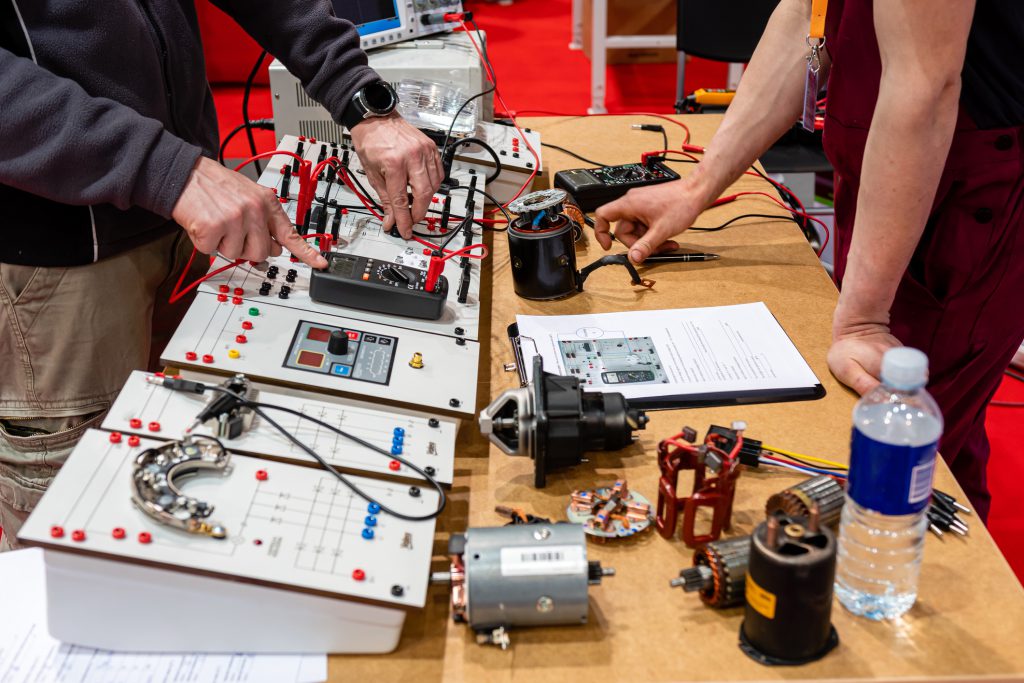
At the North American Trade Schools, electrician college students have access to hands-on training in the lab, which equips them with valuable knowledge and experience in a variety of electrical topics. Their training qualifies them to move on to an apprenticeship, where they continue to build skills through experiential experience. When their training is complete, students will be equipped with the practical knowledge necessary to prepare them for a successful career as a commercial electrician, where they can apply their skills in the field.
3. Commercial Electricians are Dependable
Electricians in all industries have a large amount of responsibility. They are the ones relied upon to plan for and install electrical systems, conduct inspections, and determine the cause of breakdowns or other electrical issues. Businesses and contractors rely on commercial electricians to get the job done right–as a mistake could enhance the risk of electrocution or even fire.
The extent of a commercial electrician’s responsibilities requires that these professionals are extremely dependable. Commercial electricians must be responsive to the needs of the team they are working with, making themselves available to fix problems when they arise. Dependable commercial electricians are better informed about what’s happening on site, and their dedication is reflected in the quality of their work and the efficiency of a structure’s electrical systems.
Are you interested in attending electrician school?
Explore programs with the North American Trade Schools today.
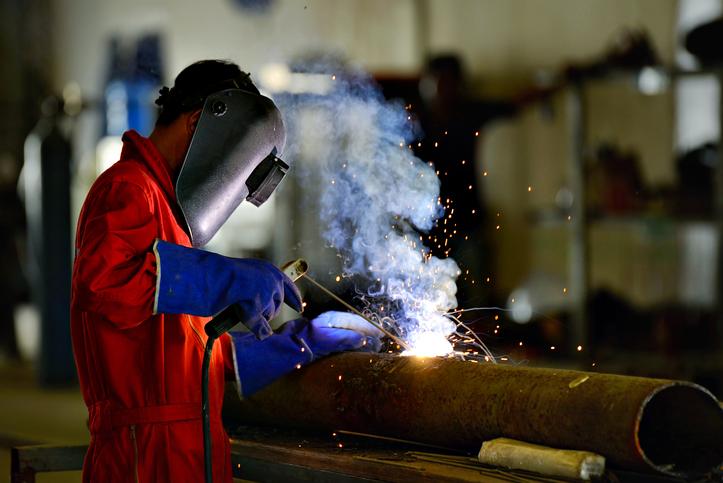 Welding, while a safe profession when the correct precautions are taken, involves many risks and hazards. Welders can work with high temperatures, gases and fumes, electrical voltage, sparks, and ultraviolet rays. In order to protect themselves against explosions, burns, fumes, eye damage, and more, welders must ensure that they are following safety best practices. If you’re thinking about becoming a welding operator, make sure that you’re aware of these safety tips in order to ensure that you’re always staying safe on the job.
Those with a Welding Career Should Stick to a Routine–Before, During, and After a Welding Job
Before beginning any welding job, it’s important to cover all your bases to ensure that the area you’re working in is as safe as possible. Welding operators should always review their operating manual, which contains all the safety information and regulations provided by the manufacturer.
Make a list or mental note of things to check for before, during, and after your welding project. If you’re in a welding career, check for any hazards before beginning your project, such as flammable materials nearby. Make sure to check the equipment you’re working with. Is it functioning properly? Could you injure yourself accidentally on nearby equipment? Do you know where everything is for easy access? During your project, stay mindful of surfaces or surrounding materials that could be hot and should be avoided. After you’ve finished the job, make sure to clean up your workspace. Return all equipment, and ensure that there’s no possibility of a fire occurring.
Wear the Right PPE (Personal Protective Equipment)
Welders should never begin a project without wearing the right PPE (personal protective equipment). Your PPE will keep you injury-free and protect you from burns, vibrations, and exposure to ultraviolet rays. Your PPE should consist of cotton clothing treated with flame-resistant properties. Wear leather boots that cover your ankles, and never roll up your sleeves or cuffs or unbutton your shirt, which can allow skin to become exposed to sparks or enable sparks to catch in cuffs or pockets, where they can burn. When welding, always wear safety glasses with side shields to protect your eyes from debris and sparks, and always wear protective gloves. Wear a helmet equipped with the proper shade lens for your project to prevent exposure to arc rays, which can cause painful injury to eyes and skin.
Ensure You’re Using Proper Ventilation
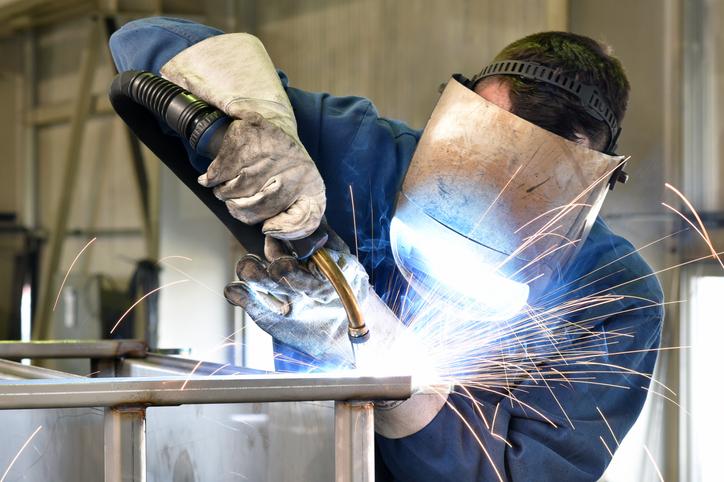
If you’ve attended welding school, you’ll understand the dangers of overexposure to welding fumes. In order to avoid this, make sure that your workspace is equipped with proper ventilation systems to remove fumes and gases from the breathing zone. Adequate ventilation will depend on the type of base metal and rod you’re using during your welding project, as these contain different levels of metal oxide compounds. It’s likely that your employer will provide a ventilation system, but make sure to wear a respirator unless you’re sure that exposure levels are below safety limits.
Take Precautions to Prevent Fires
Welding arcs can pose a lot of danger due to the intense heat and sparks they create. Make sure you remove all flammable materials from your work environment or cover them with a fire resistant material before beginning. Check to make sure you know where the fire extinguishers and alarms are located, check that they are functioning, and identify the fire exit nearest to you. If welding near flammable materials, have someone keep an eye on the sparks. Always stay in a work area for at least 30 minutes after finishing a project to ensure that the sparks created will not start a fire.

Stay Dry to Prevent Electric Shock
Welders should take great precautions to ensure that electric shock doesn’t occur, as shock can result in injury or death in serious cases. Electric shock can occur by contact with an electric circuit, which commonly occurs when two metal objects that have voltage between them are touched, or when secondary shock is experienced from a welding circuit. Always inspect electrode holders for damage before starting a project, checking that they are properly insulated, which ensures that the welder will not touch the hot parts within the electrode holder. Be sure to wear gloves and PPE that is completely dry when handling electrodes or electrode holders.
Are you interested in attending welding college?
Check out the North American Trade School’s program options for future welders.
4 Things for Electrician School Students to Know About Electric Motors
October 15, 2020

They’re found in appliances and toys throughout your house: remote control cars, electric can openers, computers, washing machines, electric mowers, electric toothbrushes, and much more. In fact, the electric motor might just be one of the most useful electrical inventions since Benjamin Franklin discovered electricity!
Most electric motors have a four-pole permanent magnet motor with double insulation design that runs at 120 volts. They work by adding electricity at one end, which sends a jolt to rotate the metal axle at the other end to power whichever machine the motor lives in.
What else should you know about these incredibly useful and common motors? Here are four things to keep in mind about their design and functioning.
1. They Work Using Electromagnetism
Those attending electrician school will learn electrical motor theory. When power is added, what really happens is that current flows through the motor’s coil to generate a magnetic force. One side of this force will flow in the direction the magnetic field is heading in, while a force generated on the other side of the housing will begin flowing the other way. Rotation on the armature thus happens, as an up-and-down action is created.
Most small household appliances like blenders and coffee grinders are run by a universal electric motor. This motor uses an electromagnet to take its energy from the DC or AC power feed, as the motor can be either AC or DC-powered.
2. Dynamic Braking Is Used for Safety
Most electric motors handle safety with the addition of a dynamic braking feature, also known as rheostatic braking. Located inside the circuitry of the motor, handle switch, and wire harness, the dynamic brake is activated upon the handle switch’s release. After the handle switch moves into the off position, the motor is brought to a complete halt.
There are also two other types of electric braking commonly found in the DC motor. Plugging—also called reverse current braking—gives greater braking torque than dynamic braking, and is more commonly used in larger machines such as printing presses and elevators. Regenerative braking is used when there is heavy inertia on the load on the motor, as one would find with an electric train.
3. Improper Maintenance Is the Leading Cause of Malfunction
Many electric motors will last longer if given the right level of care. Electric mowers and HVAC units are good examples of things needing regular maintenance, due to their exposure to grass, dirt, dust, and other contaminating elements.
At least once a year, an electric motor that can be contaminated in this way should be inspected and have all of its parts cleaned. This helps to avoid incidences of overheating by removing anything that may be clogging the filter and air cooling system of the machine.
4. Specialized Electrician Training Is Helpful for Attending to Repairs
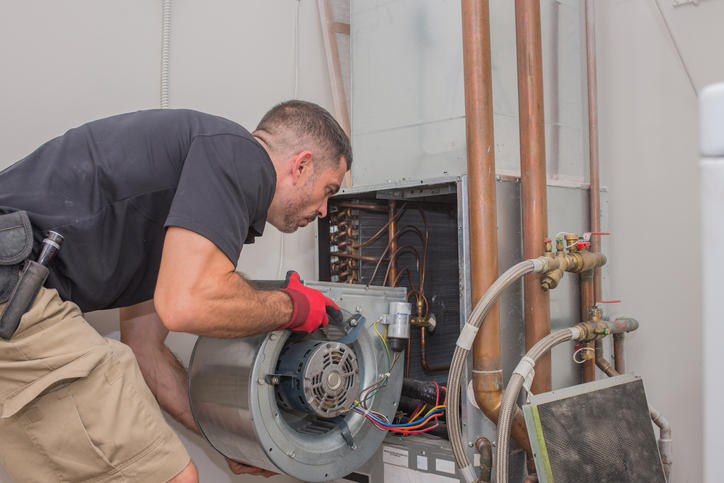
To diagnose a problem with an electric motor, a technician with electrician training should start by using a digital multimeter to assess the components. Once a problem has been identified, the motor must often be disassembled to proceed with repairs. From there, the parts can be assessed for damage, corrosion, rust, or other contaminants. Brushes will often need to be replaced, along with any damaged parts, but rust and corrosion can usually be cleaned off with a wire brush.

Electric motors are an essential part of modern life, used to power all kinds of machinery in and out of the household. Most of the designs on these kinds of motors are built to last, and will tend to have a good lifespan as long as they are well-maintained. When problems occur, people rely on the specialist knowledge that those trained on electric motor theory can provide.
Interested in learning more about electric motors by receiving professional training at an electrician college?
Contact North American Trade Schools today for more information on our Construction & Maintenance Electrician Pre-Apprenticeship diploma program!
They’re found in appliances and toys throughout your house: remote control cars, electric can openers, computers, washing machines, electric mowers, electric toothbrushes, and much more. In fact, the electric motor might just be one of the most useful electrical inventions since Benjamin Franklin discovered electricity!
Most electric motors have a four-pole permanent magnet motor with double insulation design that runs at 120 volts. They work by adding electricity at one end, which sends a jolt to rotate the metal axle at the other end to power whichever machine the motor lives in.
What else should you know about these incredibly useful and common motors? Here are four things to keep in mind about their design and functioning.
1. They Work Using Electromagnetism
Those attending electrician school will learn electrical motor theory. When power is added, what really happens is that current flows through the motor’s coil to generate a magnetic force. One side of this force will flow in the direction the magnetic field is heading in, while a force generated on the other side of the housing will begin flowing the other way. Rotation on the armature thus happens, as an up-and-down action is created.
Most small household appliances like blenders and coffee grinders are run by a universal electric motor. This motor uses an electromagnet to take its energy from the DC or AC power feed, as the motor can be either AC or DC-powered.
2. Dynamic Braking Is Used for Safety
Most electric motors handle safety with the addition of a dynamic braking feature, also known as rheostatic braking. Located inside the circuitry of the motor, handle switch, and wire harness, the dynamic brake is activated upon the handle switch’s release. After the handle switch moves into the off position, the motor is brought to a complete halt.
There are also two other types of electric braking commonly found in the DC motor. Plugging—also called reverse current braking—gives greater braking torque than dynamic braking, and is more commonly used in larger machines such as printing presses and elevators. Regenerative braking is used when there is heavy inertia on the load on the motor, as one would find with an electric train.
3. Improper Maintenance Is the Leading Cause of Malfunction
Many electric motors will last longer if given the right level of care. Electric mowers and HVAC units are good examples of things needing regular maintenance, due to their exposure to grass, dirt, dust, and other contaminating elements.
At least once a year, an electric motor that can be contaminated in this way should be inspected and have all of its parts cleaned. This helps to avoid incidences of overheating by removing anything that may be clogging the filter and air cooling system of the machine.
4. Specialized Electrician Training Is Helpful for Attending to Repairs
To diagnose a problem with an electric motor, a technician with electrician training should start by using a digital multimeter to assess the components. Once a problem has been identified, the motor must often be disassembled to proceed with repairs. From there, the parts can be assessed for damage, corrosion, rust, or other contaminants. Brushes will often need to be replaced, along with any damaged parts, but rust and corrosion can usually be cleaned off with a wire brush.
Electric motors are an essential part of modern life, used to power all kinds of machinery in and out of the household. Most of the designs on these kinds of motors are built to last, and will tend to have a good lifespan as long as they are well-maintained. When problems occur, people rely on the specialist knowledge that those trained on electric motor theory can provide.
Interested in learning more about electric motors by receiving professional training at an electrician college?
Contact North American Trade Schools today for more information on our Construction & Maintenance Electrician Pre-Apprenticeship diploma program!

There’s no doubt that the trades are an excellent path for individuals looking for a stimulating and reliable career that allows them to work with their hands and make a good income. If you’ve already determined that you want to work in the trades, the next step is to determine which particular trades career is ideal for you, so you can enroll in the right program at trades school!
There are plenty of exciting options available in the trades, from becoming a carpenter or cabinet maker to starting an electrician or HVAC career. Curious to learn more? Read our infographic below for an introduction to promising trades careers, so you can determine which career is right for you!

Which Trades Career Is Right for You?
Become an HVAC Technician!
What do they do?
- Install, service, and repair HVAC systems in commercial and residential buildings
Typical workplaces
- Private contracting companies
- Engineering firms
- Municipalities
- Residential services companies
Reap these benefits of an HVAC Career
- Canadian weather requires heating and cooling year-round, creating plenty of need for HVAC!
- Above average job growth expected in Ontario
Start a Hands-on Career as a Welder
What do they do?
- Install, maintain, and repair structural and piping systems in a variety of environments
- Weld together piping and metals
Typical workplaces
- Manufacturing organizations
- Residential service companies
- Private contracting companies
- Engineering firms
Unique perks of becoming a Welder
- A new challenge every day with a career that lets you work with your hands
- A variety of job opportunities available across many sectors
Launch an Eco-Friendly Career as a Solar Energy Technician
What do they do?
- Help to install, maintain, and troubleshoot solar energy systems
Typical workplaces
- Contracting companies
- Energy consultant companies
- Solar energy organizations
- Energy services organizations
Tempting perks of a solar energy career
- Work towards creating a more sustainable environment
- The renewable energy industry is booming in Canada
- 66% of Canada’s energy is from renewable sources
Put Your Hands to Work with a Cabinetmaking Career
What do they do?
- Transform wood into furniture and finishings such as trim and kitchen cupboards
Typical workplaces
- Millwork companies
- Furniture manufacturers
- Construction companies
Exciting benefits of a carpentry career
- Above average outlook for job growth in Ontario
- You can start your own business
- 34% of carpenters in Ontario are self-employed
Transform Homes as a Home Renovation Technician
What do they do?
- Work with clients to transform their homes
- Paint, add additions, and install windows, doors, flooring, and more
Typical workplaces
- Home restoration companies
- Residential renovation organizations
- Roofing companies
- Construction companies
Enjoy these perks of becoming a Home Renovation Technician
- Above average employment growth in Ontario
- Ability to work for yourself
- 68% of renovators are self-employed
Jumpstart a Lucrative Career as a Construction & Maintenance Electrician!
What do they do?
- Service, inspect, and test electrical systems
- Diagnose problems with electrical networks
Typical workplaces
- Electrical contracting companies
- Commercial and residential construction companies
- Government companies
Benefits of becoming a Construction & Maintenance Electrician
- Lucrative salary
- Above average job growth in Ontario
- 67% of workers work full-time
Sources:
https://www.app.tcu.gov.on.ca/eng/labourmarket/ojf/findoccupation.asp

Have you been considering enrolling in a training program for quite some time? If so, it’s the perfect time to stop making excuses and start making progress!
Trade school is an excellent option for students looking for an affordable and efficient education that will lead to a lucrative and secure career with great job satisfaction. There are so may trade and construction careers available in Canada, within many different industries, that you’re bound to find your ideal fit in the trades.
The first step towards starting your career, though, is enrolling in a training program so you have the knowledge you need to succeed. If you’re hesitant to make the leap, keep reading to discover some great excuse-proof reasons why you should take control of your future and enroll in trade school!

Excuse-proof Reasons to Enroll at a Trade School
You can’t argue with these great reasons to enroll in trade school!
Receive Highly Relevant and Applied Training
- Learn in a hands-on environment
- Begin practicing your new skills right away
- Apply all the knowledge you gain directly to your career
A Variety of Exciting Career Options
You can study to become a:
- Welder
- HVAC Technician
- Solar Energy Technician
- Cabinetmaker
- Home Renovation Technician
- Construction & Maintenance Electrician
- Electrical Technology Technician
- And more!
A Shorter & More Affordable Program than a Traditional University Degree
- Skip a 4-year degree
- Begin working quickly after graduation
- Financial options, like the following, help students pay for their studies:
- Student Lines of Credit
- Ontario Student Assistance Program (OSAP)
- Second Careers
- RESP
- Lifelong Learning Plan
- Employment Ontario
- Monthly Payment Plan
The Trades Are Booming Across Canada
- 6 million skilled job openings by 2021
- Trades workers make an hourly wage that’s about 6% higher than other occupations
Begin a Career That Aligns with Your Passions
- Train for a career you’re excited about
- Work in a hands-on environment
- See the fruits of your labour
- Have the opportunity to open your own business
Fun fact: Professionals working in the trades report higher job satisfaction
Receive Personalized Help Finding Your Ideal Career
- Learn how to create an effective cover letter, resume, and portfolio
- Benefit from private job listings through your college
- Choose a school with a Hire a Grad program
Experienced Instructors
- Receive career advice from experienced industry professionals
- Learn from knowledgeable and passionate instructors
Sources:
https://www.ontariocolleges.ca/colleges/paying-for-college
https://business.financialpost.com/executive/making-a-university-degree-pay-off
https://www.macleans.ca/work/jobs/the-future-of-jobs-in-canada/