Category: Welding
4 Reasons to Consider a Career as a Construction Millwright After Welding College
October 18, 2022



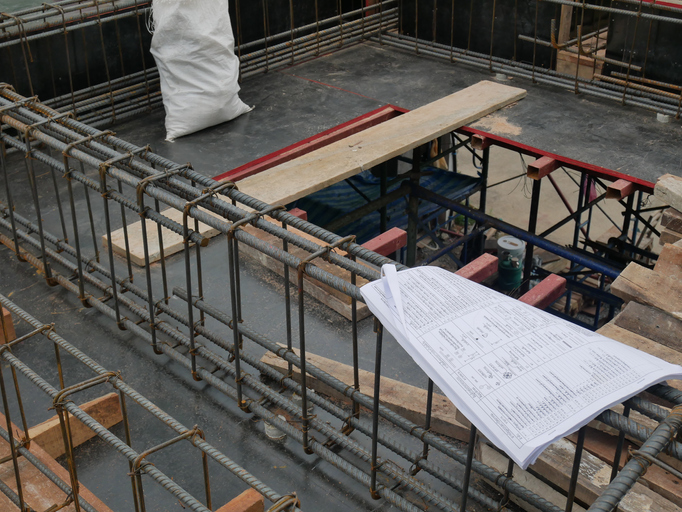
Construction millwrights are responsible for installing, maintaining, troubleshooting, and repairing industrial and mechanical equipment. If you enjoy working with machines, are good with your hands, and like to practice your problem-solving skills, this could be the perfect career path for you. Some core responsibilities include reading schematic drawings, blueprints, and diagrams in order to guide your work. In addition, construction millwrights inspect equipment in order to identify malfunctions to be fixed.
On your path to becoming a construction millwright, you’ll have the opportunity to develop many specialized skills that will help you become a sought-after professional in a thriving industry. Are you still wondering if this path is right for you? Here are four great reasons to pursue a career as a construction millwright.
1. The Chance to Work in a Variety of Settings
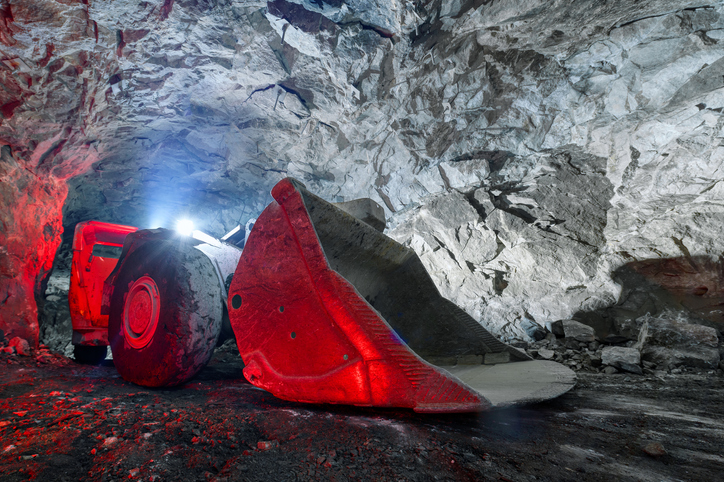
As a construction millwright, some of your most common employment opportunities will be in the manufacturing, construction, industrial, mining, and electrical industries. This presents you with a range of options when it comes to work environments to explore. Don’t know what sector to start with? No problem! There are so many areas to choose from–if you try one and dislike it, you can simply try another. After completing welding classes and your apprenticeship, you could choose to work in a warehouse, in a construction firm, or in a manufacturing plant.
2. Plenty of Full-Time Positions Available Due to a Labour Gap
Several industry trends have contributed to a labour demand for construction millwrights in Canada, which you should definitely take advantage of. Because of recent economic growth in Canadian manufacturing, there’s been a growing need for personnel that have the skills to service and maintain manufacturing equipment. In addition, large investments in the mining and nuclear power industries have skyrocketed the need for construction millwrights in those sectors as well. Because of this growing demand, you likely won’t struggle to find work for the time being. The assurance of stability is always an excellent reason to consider a career path.
3. Exercise Several Skills on the Job After Welding College
Once you’ve completed the necessary welding technician training and developed the practical skills you need to become a construction millwright, there will be plenty of opportunities to put your many skills to the test.
Troubleshooting equipment will be one of your main duties as a construction millwright. For this reason, you’ll have plenty of chances to practice your problem-solving skills. In addition, interpreting blueprints and diagrams will be a part of your duties, which requires visual-spatial skills. Construction millwright work will provide ample opportunity to polish this specialized skill, which doesn’t always come naturally to people. Other essential skills you can polish during your training and on the job include attention to detail and adaptability.
4. Earn as You Learn During Your Apprenticeship
One grievance that many people have when they decide to change their careers is the cost of training for a new job. When you have familial obligations and bills to pay, this can be a big obstacle. However, after training to become a construction millwright through welding college, you can choose to earn as you learn by applying for an apprenticeship. Looking for the right program to prepare you for learning on the job? In the Structural and Pressure Vessel Welder Diploma program, you’ll learn the fundamentals of welding and have the opportunity to put your knowledge to practice in the labs. With the right skills and experience, you’ll be ready to step into a paid job in no time.
Ready to enroll in welding college?
Contact NATS for more information!
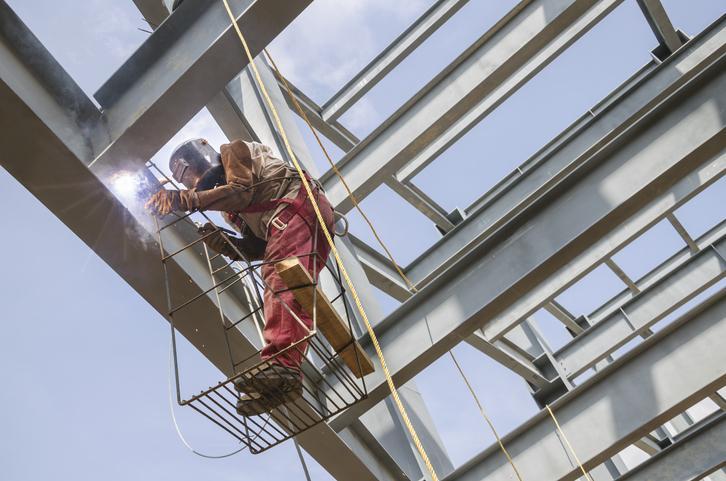
Are you looking for an interesting, dynamic career that’s in high demand? Ironwork is an excellent choice for anyone seeking hands-on work that allows them to enjoy variety and excitement. Ironworkers install structural and reinforced iron or steel to support buildings, bridges, and roads. As a trained ironworker, you’ll essentially help to build the structures that make a town or city function optimally–how rewarding!
In addition to being an interesting and stimulating occupation, a career in ironwork can provide you with the stability you’re looking for, since the demand for this skill will grow for years to come. Before you become an ironworker, there are several technical skills to learn. If you’re interested in pursuing this path, an apprenticeship is a great place to start. Wondering what it’s like? Keep reading to find out.
Every Day Starts With Safety
In class labs, any hands-on work you do will put you at risk of injury if you neglect safety practices. You should always start your day by making sure you’re wearing the right safety gear. In welding class, you’ll need a welding helmet, welding gloves, earplugs, heat-resistant clothing, and steel-toe boots.
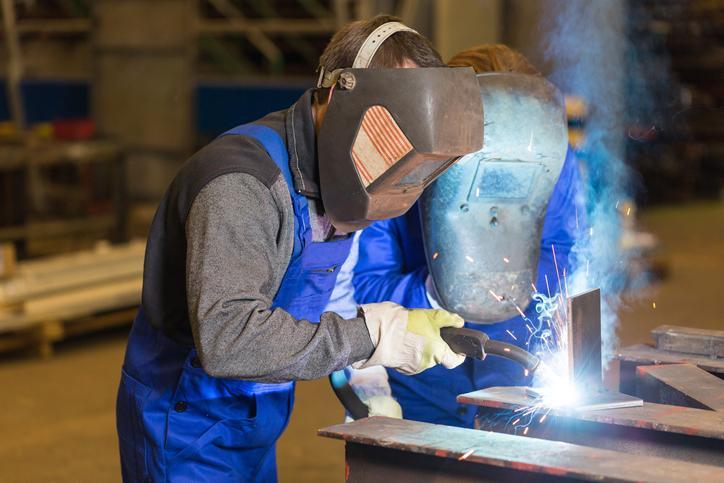
Depending on your job, you may be required to wear additional safety gear such as respirators and safety harnesses. Always be aware of your surroundings and make sure you’re up-to-date on all of the necessary safety training for your job site.
Learn the Skills You Need Using State-of-the-Industry Equipment
By taking welding classes at North American Trade Schools, you’ll learn both the theoretical and practical skills you need to succeed in your ironworking career. In addition, you’ll have access to modern state-of-the-industry equipment that will prepare you for work in the real world.
In your welding technician training, you’ll learn several fascinating skills. Gas Metal Arc Welding (GMAW), for example, is where an electric arc is the power source that causes metals to fuse. It’s considered a simpler process than Gas Tungsten Arc Welding (GTAW) which uses a non-consumable tungsten electrode to fuse metals and offers a cleaner finish.
Those are only a few of the competencies you’ll develop in class. Of course, to kick-start your ironworking career, you’ll want to get out there and see what it’s about for yourself. That’s where the next part of apprentice life comes in.
Put Your Skills From Welding Classes to Good Use on the Job
As an apprentice ironworker, you can expect to fulfill all sorts of duties which is great if variety is the spice of your life. You’ll probably start by doing basic but fundamental tasks like reading blueprints, welding, directing crane operators, and erecting steel structures. As you gain more experience on the job and have more opportunities to use your skills from welding class, your responsibilities will advance.
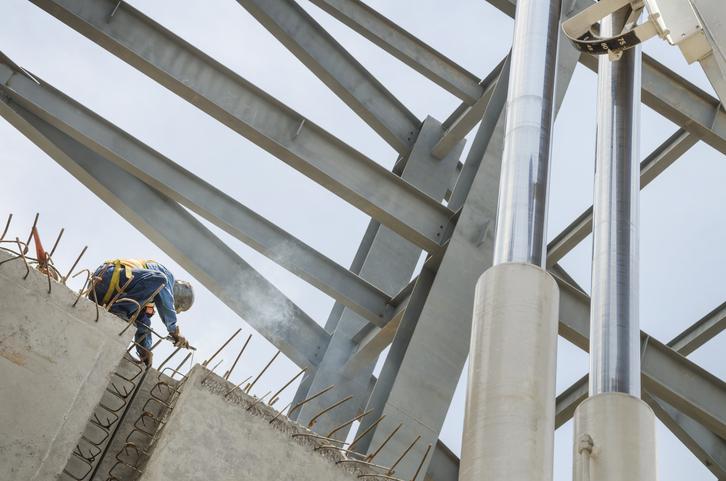
Working with a team of skilled ironworkers is such a crucial part of your journey as you will build important relationships and learn an array of skills–both practical and soft–where you’ll have support as you progress.
Interested in welding college?
Contact NATS to learn more!
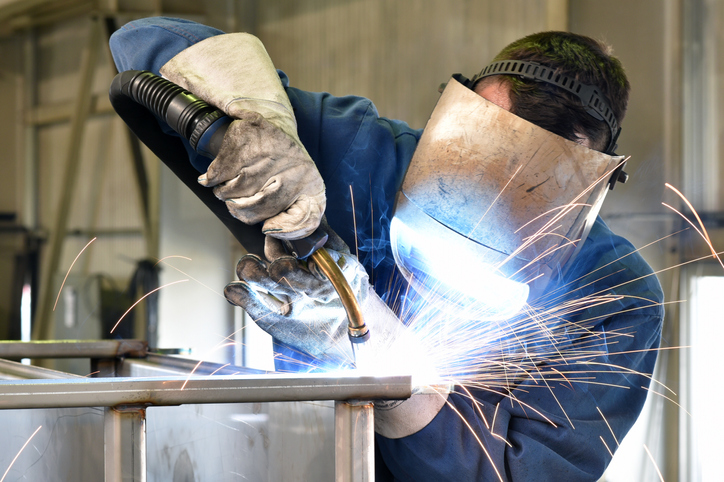
With skills that are required in various industries, Welders are professionals who are responsible for using different techniques to join metal parts, repair structural elements and more. Welders are needed in the construction and manufacturing industries, in addition to being employed in automotive garages, aviation, and underwater projects. Their principal duties might include choosing the right equipment for a specific weld, determining the proper weld technique to implement, accounting for safety hazards, adjusting and setting up metal components for a weld and more.
If you’re interested in welding training, building a few key skills will enhance your confidence while improving the accuracy and quality of your welds. Below, discover three key skills to develop during your training and throughout your apprenticeship to ensure a long and successful career as a welder.
Attention to Detail
While perfectionists aren’t a great fit for every career path, it’s safe to say that most would make a great welder. As you’re likely to realize during your welding technician training, it takes a lot of precision to become a welder. Welders benefit from being extremely attentive to detail–with the ability to notice every aspect of a welding project, spot potential mistakes before they happen, and align different components at just the right angles. They’ll need to perform precise cuts in accordance with specific dimensions, and produce a finished project with minimal flaws. For these reasons, employers in the welding industry often look for welders who are detail-oriented, as their work tends to be more accurate and more efficient in comparison to others.
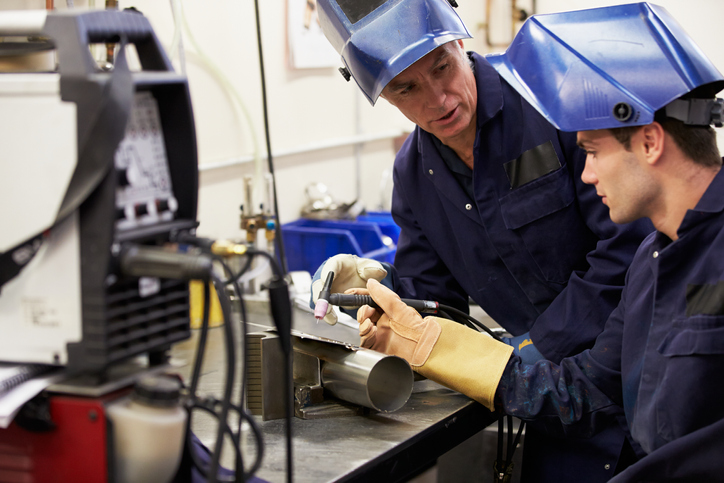
Develop Strong Mathematical Skills During Welder Training
Welders spend plenty of time on calculations, determining the correct amounts, sizes and measurements for various components of their projects. While you’ll probably be able to use a calculator as a welder, it’s no secret that if you possess the mathematical skills to perform most calculations off the top of your head, your workflow will become a lot more efficient. During welding classes, you’ll gain an understanding of the calculations you’ll need throughout your career, putting your mathematical skills to the test and enabling you to improve them. As a future welder, you’ll use mathematical skills to interpret model sketches and 2D/3D prints, trim materials accurately and much more.
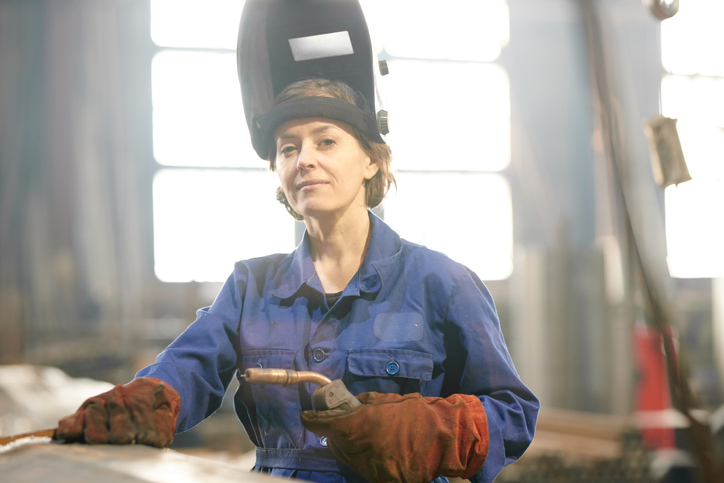
Physical Strength Will be Important
As a welder, you won’t only be expected to have a knack for math; you’ll also need the physical skills to match the job. Welders use their whole bodies on the job, and are consistently lifting, bending, stooping and configuring materials. What’s more, being a welder requires standing for long hours. In addition to physical strength, welders also must be dextrous, as their hands serve as guides for any welding project they complete. If you have steady hands and a good grip, you’re likely to excel in this career path, as you’ll spend long periods of time handling various tools and joining different components with a weld. During an interview for your next job as a welder, an employer may test your hand-eye coordination, your ability to lift heavy weights and the steadiness of your hands.
Looking to pursue welder training?
Check out our program at the North American Trade Schools today!
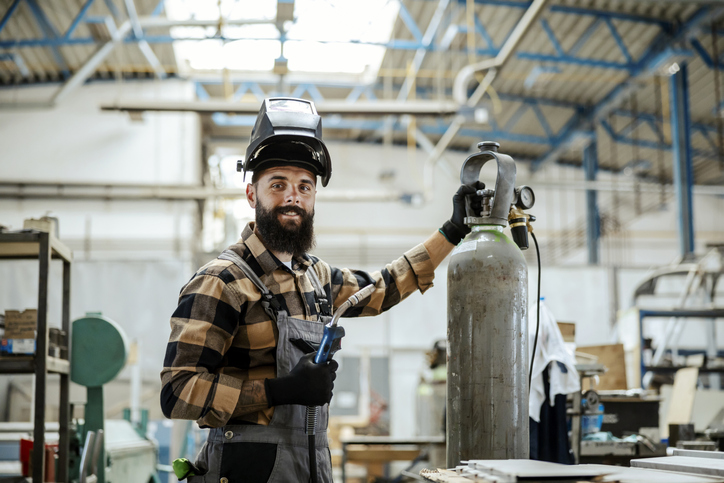
For an individual who’s aspiring to have a successful and rewarding career, becoming a professional welder may be the right path for you. Welding is a fabrication process that uses heat and pressure to join metals or thermoplastics together. A welding career can take you to many different industries, from manufacturing, construction and mining to the aerospace, shipbuilding and military industries.
At North American Trade Schools, you’ll get hands-on and theoretical training in the welding practice. Through our pre-apprenticeship welding program, you’ll learn how to use modern equipment in welding processes for Gas Metal Arc Welding, Gas Tungsten Arc Welding and more. So, what’s it like having a welding career? Read on to find out!
After Your Welding Classes, Keep Safety Top of Mind
The first thing you need to know about welding is that as soon as your workday starts, you’ll be changing into your protective uniform and gear. Without the proper protective equipment and gear, you’re at risk of injury on the job site. After you complete your welding classes, you’ll have to make sure that you have fire-resistant clothing and gloves, as well as a protective helmet and N95 mask. You’ll then check your assigned projects and see what needs to be done for the day. At the same time, you’ll be collaborating with your co-workers and supervisors to ensure that everyone operates safely in the workspace and that the welding process runs smoothly.
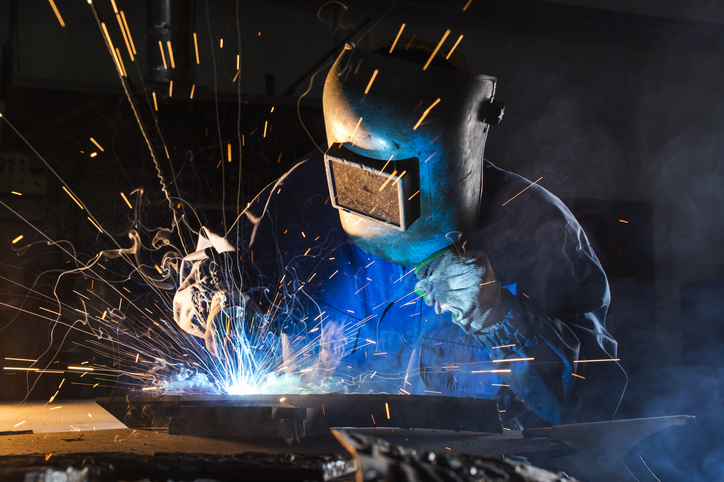
Expect Excitement Each Day of Your Welding Career
If you’re looking for dynamic work that keeps you busy, then you’re in luck! After you complete your welding technician training, you’ll find yourself working in a career that’s full of interesting opportunities, different settings, and varying working hours. You may get to work on a variety of tasks throughout the day, including joining metals together, cutting through materials, repairing holes for different structures, and more. So, a long day goes by more quickly than you think.
Your career won’t just lead to work in indoor spaces or scaffolding but will give you the chance to apply your skills to outside environments–sometimes in extreme or volatile conditions. You can be sure to get your adrenaline pumping as you work away on the job. So whether you’re working as a Welder, Welder Fitter, Boilermaker, Construction Millwright or Ironworker, your day will be full of excitement. As you shift from one welding project to the next, expect variety in your daily work and the potential to develop your career as an expert in different settings.
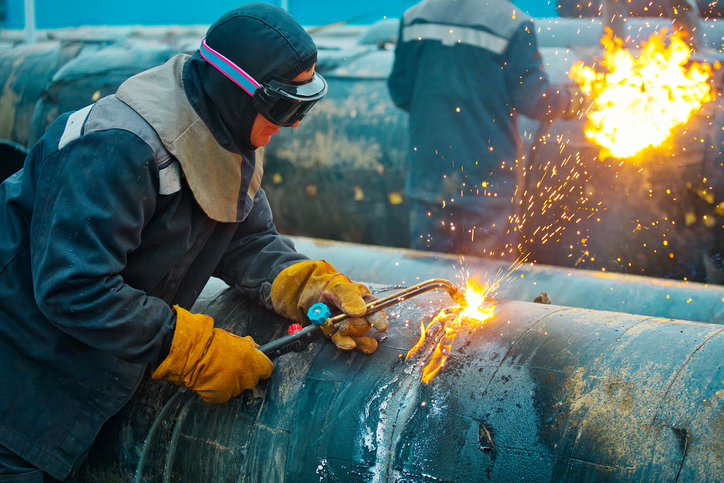
Your Day Ends the Same Way as it Started
Just like how you started, you’ll have to ensure the correct safety procedures are followed before you leave for the day. At the end of the day, it’s all about making sure that everything is ready for other welders and for the next day of operations. You’ll have to ensure that your welding job has been completed properly and that no issues have been left unresolved. Take the time to check that all the welding equipment and tools have been switched off and stored properly. It’ll be up to you to ensure that your work area is clean for the next day and with no hazardous materials left around. That way, you’ll be ready to start the next day on the job safely and efficiently.
Interested in a welding college?
Contact NATS for more information on our training programs!
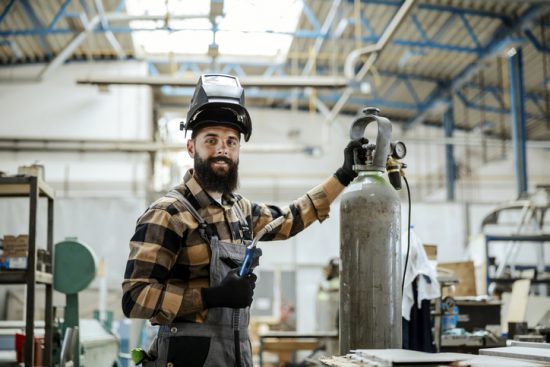
Welding professionals are responsible for joining metal parts together for different types of metal structures, including buildings, power plants, ships, pipelines and refineries. Training to become a Welder is a great way to secure a successful and rewarding career that you can be proud of.
At NATS, you’ll receive hands-on training in Gas Metal Arc Welding (GMAW or ‘MIG’), Gas Tungsten Arc Welding (GTAW or ‘TIG’), Flux Cored Arc Welding (FCAW) and Shielded Metal Arc Welding (SMAW or ‘Stick’). You’ll also learn techniques for basic joint welding, welding preparation, weld symbols and much more. Upon completing your training, this experience will prepare you to pursue a wealth of opportunities within the welding sector. You can begin your career in a junior position, and then gradually advance to other positions as you gain experience and skills.
Here, learn more about the career advancement opportunities you can access later in your career.
Become a Welding Inspector After Welding College
After several years of working as a welding professional, you may consider advancing your career and becoming a Welding Inspector. As a Welding Inspector, you’ll be managing other welders, with the responsibility of ensuring that all job specifications for the project at hand are met. Your welding college training, knowledge, and experience in health and safety will be of help when becoming a Welding Inspector. Your expertise will be needed to ensure that bridges, buildings, and other structures are structurally sound, performing visual inspections to catch any errors in the weld, such as cracks or pits. As a Welding Inspector, you’ll also be testing the stress level of the welds to make sure that they meet the required levels of ductility and strength.
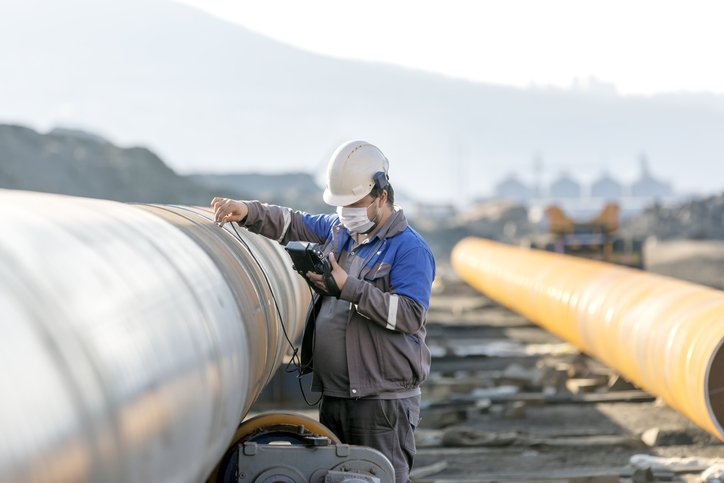
Consider Becoming a Boilermaker
With welding technician training and additional experience working as a Welder, there are a few other advancement options you might want to consider during your career. For example, you may choose to work towards becoming a Boilermaker. As a Boilermaker, you’ll have the opportunity to build, install, maintain and repair the pressure vessels designed to store various gases and liquids. The pressure vessels boilermakers work with might include reactors, heat exchangers, boilers, tanks, closed vats or other containers. These professionals often work within energy facilities including hydro and oil-sands plants, as well as steel, chemical, cement and other manufacturing plants.
If you’re considering a career as a Boilermaker, you may need to complete additional training in the construction and maintenance of boilers, applying your background in welding to the field. You’ll use your welding skills to assemble boiler tanks, inspect and repair leaks and defects, and complete other necessary work orders.
Pursue a Career as a Pipe Fitter
Are you attentive to detail, or do you possess an aptitude for mechanics? If so, a career as a Pipe Fitter could be right for you. Pipe fitters are responsible for designing, installing and repairing pipe systems, using their background in welding to safely secure pipes to fixtures, walls and other system components. As a pipe fitter, you’ll spend time creating intricate pipe systems in alignment with industry specifications and regulations, measuring pipes to determine where they should be cut, and putting together piping using various welding techniques.
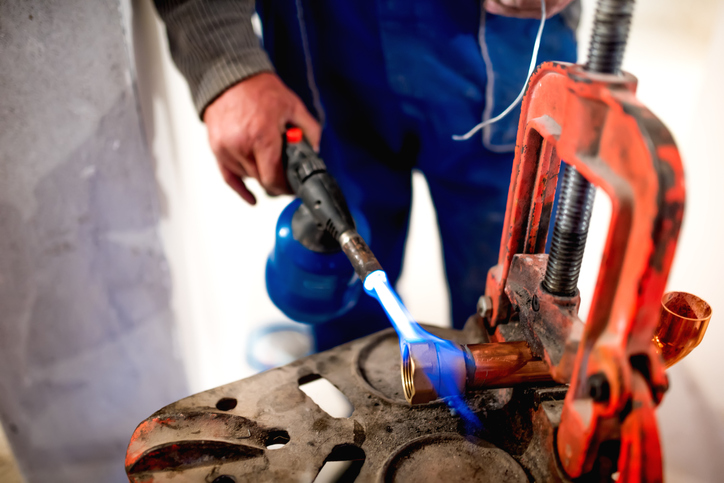
Successful pipe fitters have plenty of welding experience, enabling them to perform the often complicated welds necessary for pipe fitting projects. What’s more, these professionals possess a strong understanding of industry standards and codes, ensuring that they develop pipe systems which are able to safely transport hazardous chemicals. If this career path interests you, consider specializing in pipe fitting after completing your welding training.
Are you interested in welding classes?
Contact NATS for more information about our training programs!
A Guide to the Different Types of Welding Processes for Pros in Welding Technician Training
February 15, 2022
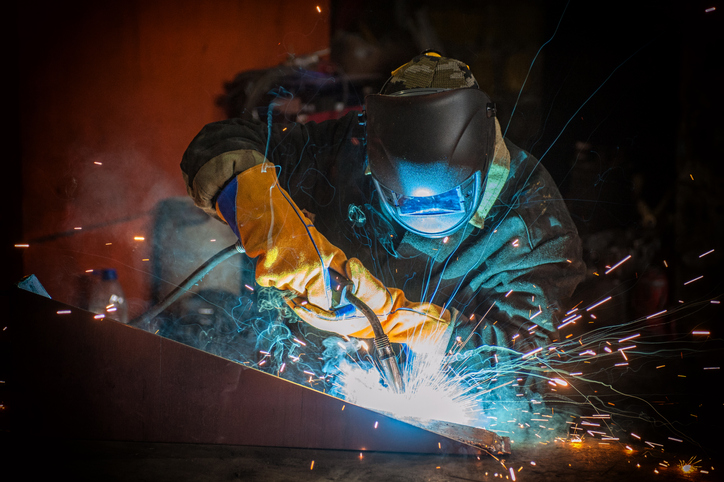
For aspiring welding professionals, there are endless opportunities to apply your trade. Without welding, many industries like the construction industry, aviation, automotive and more would not exist in the way that they do today. Buildings, appliances, vehicles, fences and space shuttles would have never come to life without the art of welding metals.
At the NATS, you’ll get hands-on and theoretical training in the field of welding, using modern equipment for different welding processes. By understanding some of the most common welding processes, you can launch a successful and skilled career. Read on to discover the different types of welding processes worth knowing.
Know The Simplest Form of Welding After Your Welding Technician Training
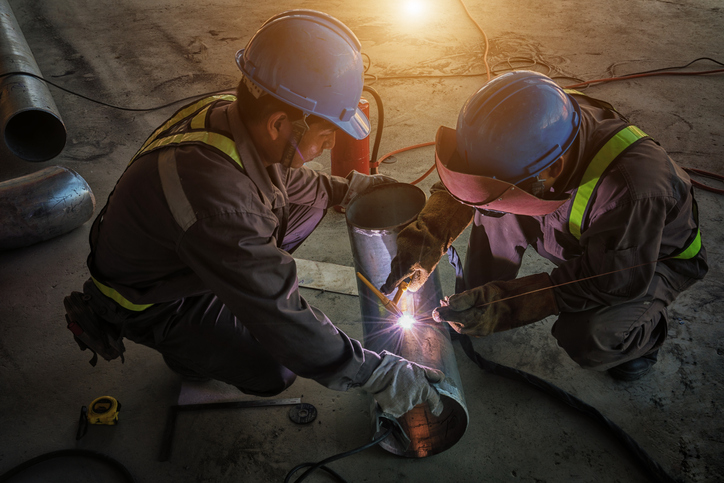
Stick Welding, or Shielded Metal Arc Welding (SMAW), is the simplest form of welding. This form of welding produces a constant current electric arc, using a power source. The current flows through a flux in the coated welding electrode. This coating mechanism ensures that the weld zone is not exposed to air while the rod is melting. You’ll realize after welding technician training, how cheap stick welding is and how compatible it is with most metals out there. This will allow you to work with stick welding in many industries, for shipbuilding, pipelines, constructions, and much more.
MIG Welding Is the Way to Go for D.I.Y Projects
MIG Welding, which is short for Gas Metal Arc Welding, is one easy type of welding that forms an electric arc between a consumable MIG wire and the piece you are welding. After you train at a welding college like NATS, you’ll be prepared to perform this type of MIG welding. You’ll see how MIG welding creates heat and causes the materials you’re working on to melt and join, forming a piece of molten metal. The heat that occurs during this welding process is covered by a shielding gas, which protects the welding from any contamination. MIG welding is also the method of choice for those who don’t want to spend too much on welding equipment.
Gain Experience and Start TIG Welding
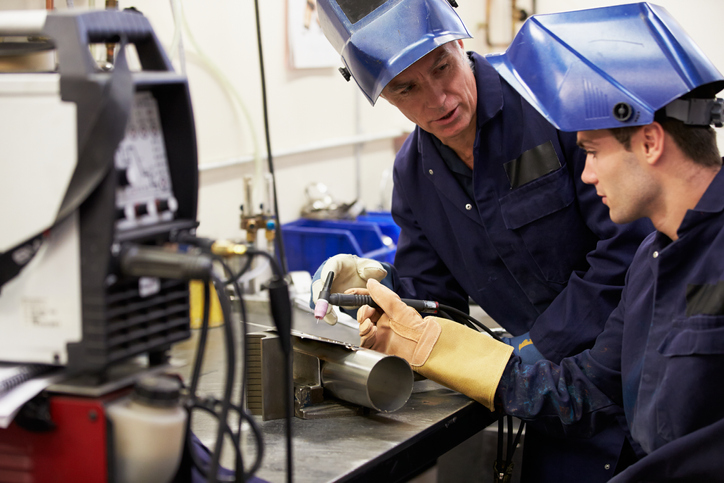
TIG Welding, which is the short form for Gas Tungsten Arc Welding, delivers electric current to the weld section, using an arc welding process that uses a tungsten electrode. This type of welding has a non-consumable electrode. Welding also requires the use of Argon, a type of shielding gas that protects the weld metal from any contamination. This form of welding is not for everyone. In order to perform TIG welding without any challenges, you need to have proper training and gain experience in the field. TIG Welding is generally used to weld thin areas of aluminum, magnesium, copper alloys and stainless steel.
Finally, the Flux Cored Arc Welding
Flux Cored Arc Welding (FCAW) is an automatic or semi-automatic welding process. FCAW requires a consumable to be continuously fed a tubular electrode that contains a flux. It also requires a constant power supply and an external shielding gas to be supplied to protect the weld metal from any contamination. While most flux-cored wires can run without gas, some cannot. As a professional welder, you’ll have to refer to the manufacturer’s datasheet to know which welding wire to use. Flux Cored Arc Welding can be used for shipbuilding, heavy fabrications, constructing, welding and earthmoving.
Interested in enrolling in welding classes?
Contact NATS for more information!
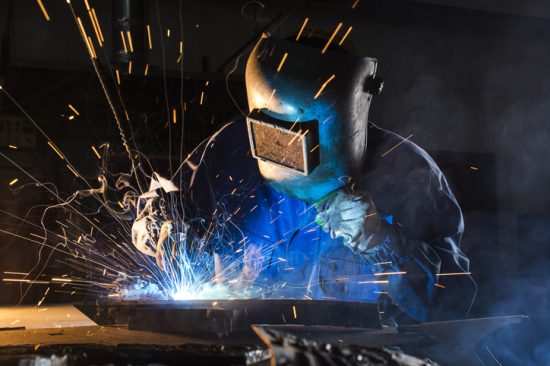
Are you looking for a new profession? When you choose to embark on a career path as a welder, you can make 2022 your most rewarding year yet. Trained in using welding equipment and processes to combine pieces of metal, professional welders are qualified to work in the construction industry, aviation industry, and automotive industry. These professionals can even choose to operate a business of their own.
If you love working with your hands and are constantly seeking your next creative outlet, an engaging career as a welder could be right for you. Below, discover five compelling reasons to begin welding courses and transform your future in 2022.
1. Demand for Pros with Welding Technician Training is Growing
One of the greatest benefits of attending welding college is that your skills will be in high demand within the construction industry and beyond. The trades are currently facing labour shortages as the baby boomer generations inch closer to retirement. That means there will be plenty of opportunities for those looking for work in the skilled labor sector. If you’ve been considering a career change, training to become a welder is a great way to secure a successful future.
2. Choose from a Variety of Specializations
Training for a career should be a stepping stone, and with welding, that’s certainly the case. When you build the skills to become a professional welder, you’ll be able to specialize in a number of roles within the welding industry. You may choose to apply your skills within the manufacturing industry, the oil and gas industry, or perhaps work for a construction company. As a welder, you can also decide to become a boilermaker, a pipefitter, or an ironworker. No matter your interests, it’s easy to pursue them with welding training.
3. Welding is a Rewarding Profession
In addition to being extremely engaging, welding is a highly rewarding career path. After welding technician training, you’ll see your hard work pay off as you continue to develop your skill set. With dedication, there are many opportunities for advancement within the welding field. After gaining experience you can move beyond the role of the apprentice, to that of a supervisor, technician, instructor, or inspector. If you’re particularly passionate, you might even consider opening your own welding business!
4. Benefit from an Active Career
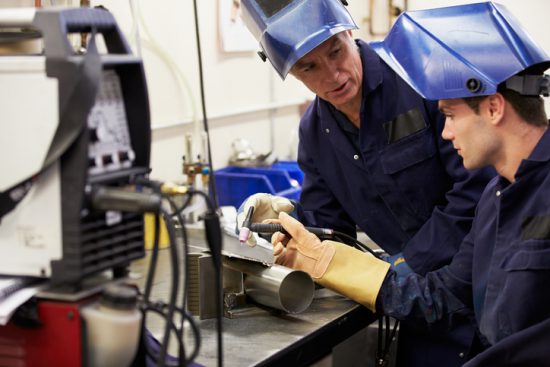
With the hands-on work and exciting opportunities that accompany a welding career, you’ll have the ability to maintain an active lifestyle while on the job. As a certain level of physical fitness is required to keep up with the demands of the job, most welding professionals are able to stay in shape for a long time–contributing to a healthy lifestyle. If you’re looking for an alternative to a typical office job or a non-sedentary career path, welding is the perfect way to keep on top of your health and fitness, while rarely sitting for hours at a desk.
5. Be Career-Ready in a Short Period of Time
If you’re all set to plan your transition to a welding career, you’ll be happy to know that not only is this a rewarding profession, but you can obtain your welding diploma and certification in a matter of months. At NATS, students receive hands-on and theoretical training in the welding field, preparing them to enter the industry as skilled professionals. So why wait? Take the leap and embark on a career path in welding in 2022!
Are you ready to begin your welding classes?
Contact NATS to learn more about our program!
Taking Welding Classes? Why You Should Consider Pursuing an Apprentice Boilermaker Position
December 07, 2021
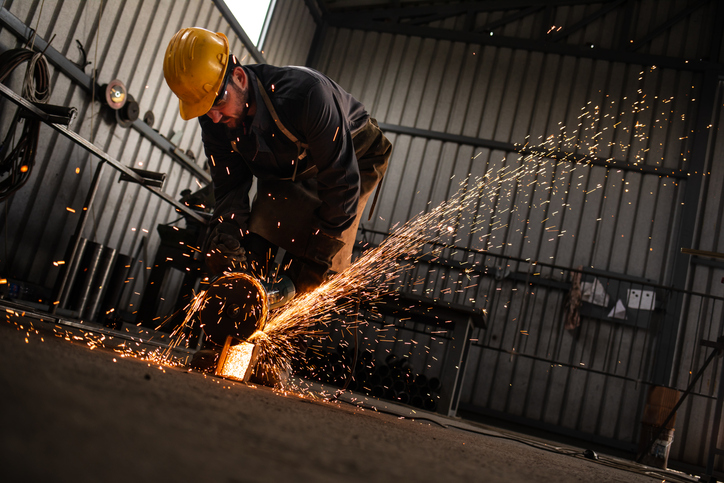
The best way to learn a trade is through hands-on experience in the field. This allows you to be job-ready, skilled, confident, and assume control of your choice of career path. An apprentice position is the key to establishing yourself as a skilled tradesman. It provides you with the necessary tools, skills, and credentials to get the job done–in different places–and within different settings. Studying theoretical concepts and knowledge is valuable, but especially so when combined with real-life training.
If you’re considering learning a trade, such as welding or are already learning one, a Boilermaker Apprenticeship opportunity is the way to go along with it. Read on to learn more.
Welding Technician Training That Makes a Difference
Welding Technician training prepares students for opportunities like an Apprentice Boilermaker position. At NATS, students have access to state-of-the-industry campuses providing ample opportunity to gain critical welding experience, while using modern equipment in welding processes.
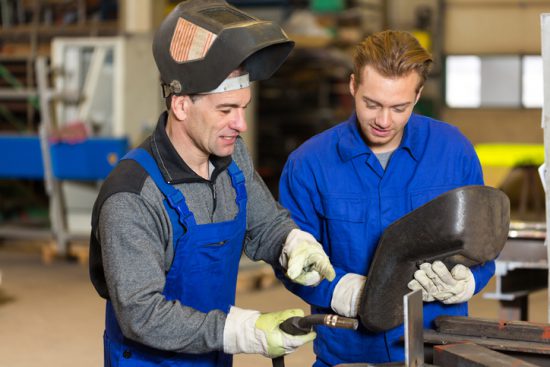
Our Structural & Pressure Vessel Welder Diploma Program will provide you with the knowledge and skills needed to set you on the right path as an apprentice and towards a fulfilling career with many opportunities.
No Day is the Same as a Boilermaker Apprentice
If you are looking for an exciting and fulfilling career, an Apprentice Boilermaker position could be the right choice. As an apprentice, you will experience different working conditions and develop essential skills that will propel your career towards succeeding at any work-related job site. Some of these skills include installation, maintenance, repairing, and troubleshooting when using stationary industrial machinery and mechanical equipment. You gain expertise in operating hoisting and lifting devices, which include jacks, tractors, cranes, and many more. You’ll get to learn to work on the ground, as well as a hundred feet above the ground, using heavy machinery that weighs by the tonne.
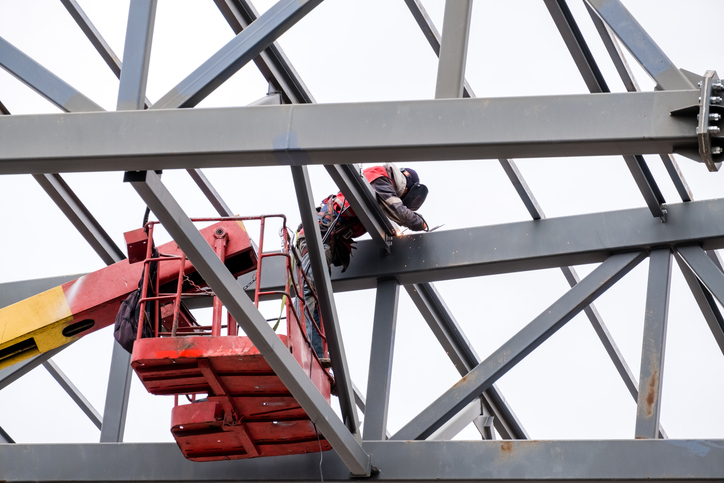
Welding classes at NATS will prepare you for the working conditions you will experience as an apprentice–such as tight spaces, and in varying climates, ranging from scorching heat to freezing cold weather.
Plenty of Career Opportunities at Your Fingertips
Graduates of our program have gone off to pursue a variety of career paths, holding many different job titles including: an Apprentice Boilermaker, Apprentice Welder, Construction Millwright Apprentice, and more. The skills you will acquire during your program, and as an Apprentice Boilermaker will equip you to work on: pressure vessels, storage tanks, boilers, towers, heaters, steel, and more. You will also have the opportunity to work at different job sites, such as oil refineries, nuclear power plants, pulp and paper mills, and gas generating stations.
Are you looking for a welding college that will provide you with the skills needed to thrive on this path?
Contact NATS to learn more about our program.
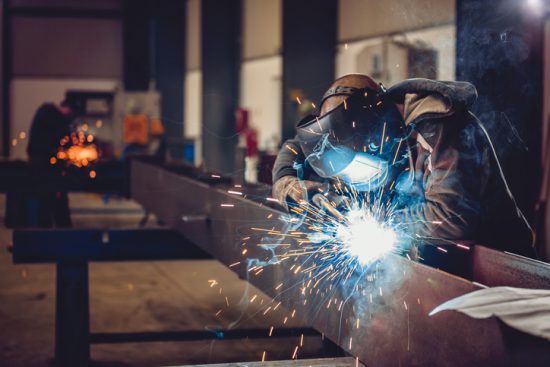
After building industry skills and expertise during your welding training, there’s only one thing between you and a successful career as a professional welding technician. It all comes down to the interview. Performing well in an interview will show a potential employer that you’re not only a qualified candidate for the respective position, but also that you have what it takes to succeed as a welder. While the interview process might seem intimidating at first, when you take the proper steps to prepare for this important meeting, you’ll be sure to succeed. Below, discover five different tips for a successful interview.
1. If You’re Seeking a Welding Career, Research the Company Before the Interview
While some welding skills and processes might be universal, the fact remains that no employer is the same. There are a variety of companies within many different industries, which require skilled welding technicians to perform certain tasks. When preparing for an interview, it’s important to conduct research on the company you’re interviewing with, as well as the position you’ll be applying for. After your welding technician training, conducting this research prior to the interview will ensure that you’re prepared to describe to an employer why you’re a good fit for the position in question. Additionally, you’ll be prepared for any questions that an interviewer might ask you regarding what you know about their company.
2. Make Sure You Dress for Success
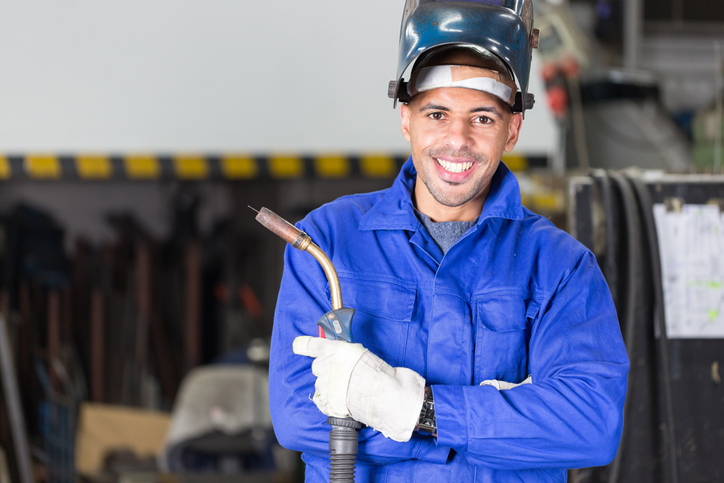
If you’re seeking a career as a welder, it will be important to dress appropriately before arriving at any interview. Within the welding industry, it’s typically standard to dress as you would for a welding job. Attire such as a long sleeve shirt, work boots, and jeans are all acceptable to wear for an interview. Additionally, you might want to bring along some basic welding tools and safety equipment, as you may be asked to perform a bench test or other welding procedures for your interviewer.
3. Be Prepared to Answer Questions About Yourself
While your interviewer will want to ensure that you have the necessary skills to succeed in the role in question, they’ll also want to know who you’ll be as an employee. Thus, during an interview for any welding career, you can expect some questions about your motivations for entering the welding industry, as well as your strengths as a welder. Preparing answers to questions like these will help you to show an interviewer who you are as a welder, and what benefits you’ll bring to their company if you’re hired for the position.

4. Demonstrate Your Credentials
In any job interview, it’s important to be prepared to demonstrate your credentials to your potential employer. You’ll want to bring your resume in paper form, as well as proof of your completion of a welding training program. If you have a relevant welding certification, you should also bring this along to an interview. Once your interviewer sees that you’ve completed the required training, they’ll be secure in the knowledge that you have what it takes to succeed.
5. Prepare Questions for Your Interviewer
Last but not least, never show up for an interview without at least a few questions prepared for your employer. In order to come up with your questions, you can use the research you’ve conducted about the employer you’re interviewing with, as well as the job description. An example could be asking the employer what a regular work day would look like at their company. When you ask questions during an interview, your interviewer will know that you’re taking this opportunity seriously, as you’ve taken the time to engage in critical thinking about the position at hand.
Ready to enrol in welding courses?
Launch a successful career with a welding program at the North American Trade Schools.
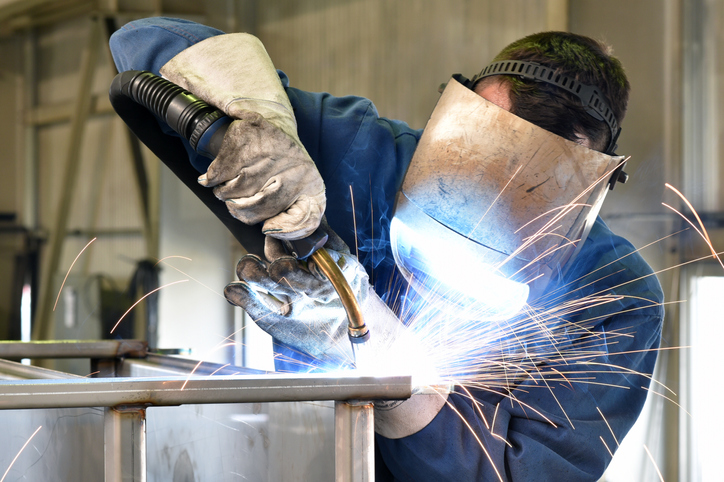
If you’re training to become a welding technician, you may be surprised to know that there are a wide range of career opportunities available to you upon graduating. With the skills you build in a welding technician program, you’ll be able to transition into a number of different work environments and career paths where your knowledge of welding principles will be applied to a variety of projects.
In a welding program, you’ll receive hands-on technical training in the welding arts, learning techniques in Gas Metal Arc Welding (GMAW or ‘MIG’), Gas Tungsten Arc Welding (GTAW or ‘TIG’), Shielded Metal Arc Welding (SMAW or ‘Stick’), and more. You’ll also learn about important safety procedures on the job, in addition to welding-associated mathematics and symbols. After completing your program, you’ll be able to transition into a number of different careers–some of which may require additional training or apprenticeships. Below, explore some career paths within the welding industry.
Become a Welding Technician After Welding Technician Training
Once you complete your welding technician training, one of the most direct career paths you can take is to become a welding technician. Welding technicians apply their knowledge of different welding techniques, materials, equipment, and joining processes to the manufacturing of welded products. These professionals assist welding engineers to develop and implement different techniques in order to produce a high-quality product–ensuring that the manufacturing process is in-line with industry standards and codes. They may work to solve problems, test new products, and perform experiments in order to identify the ideal welding process. If you have strong problem-solving skills, this could be the career path for you.
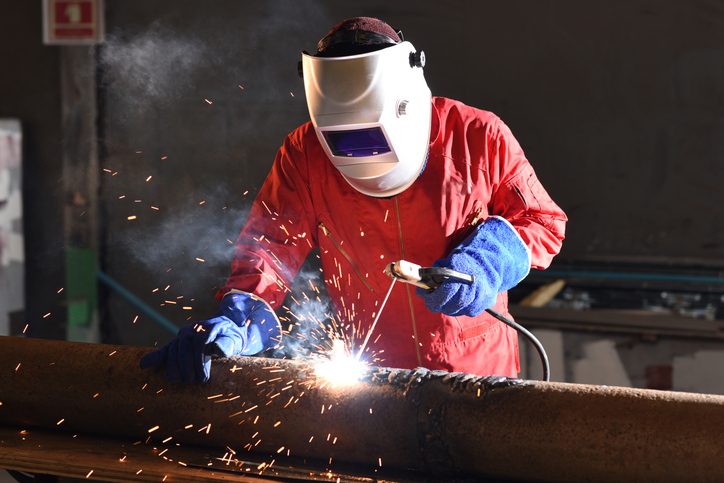
You Might Choose to Become a Boilermaker
One of the many specializations available within the welding industry is that of a boilermaker. Boilermakers work to install, maintain, repair, and manufacture the boilers within different buildings and ships. Boilers are responsible for heating up liquid in order to heat structures or generate electricity. As a boilermaker, you’ll work to interpret blueprints and assemble pre-made boiler components using different welding techniques. With your skills, you’ll be able to ensure that the boiler tank and system you manufacture is structurally sound so that it works safely and effectively.
A Career as a Welding Inspector Suits Those Attentive to Detail
With some additional experience in the welding industry, the knowledge you gain in welding college can translate to a future career as a welding inspector. Welding inspectors apply their knowledge of different welding processes, standards, materials, and methods of testing to the inspection of different welding processes. These professionals work to verify that the product being welded is done in compliance with different safety codes and industry standards–in addition to ensuring that the correct materials and equipment is being used. Their expertise is critical when it comes to ensuring the safety and soundness of the welding project. If there are any mistakes or discrepancies, welding inspectors are responsible for catching them and developing a sound solution. If you have a keen eye for detail, consider this career path after completing your welding training.
You’ll Be Qualified to Become a Pipefitter
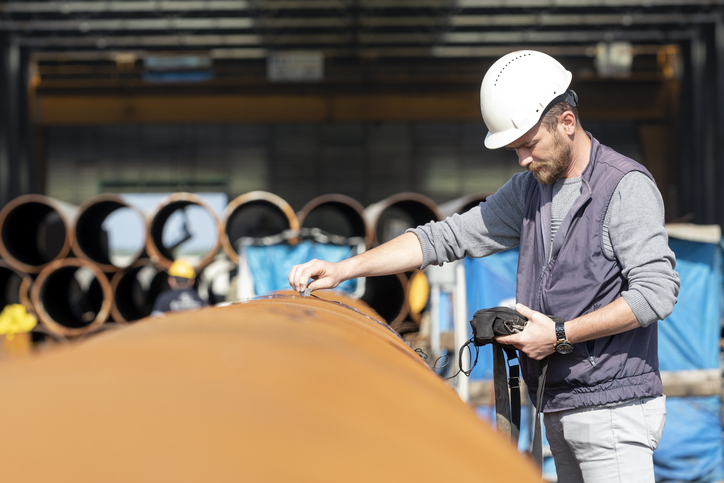
Pipefitters have a dynamic and important job within the industrial manufacturing industry. These professionals are responsible for creating, assembling, installing, and maintaining piping systems used in commercial, marine, or industrial structures. The piping systems they create are typically used to transport fuel, water, chemicals or steam, and often include technical assemblies with hydraulic, high-pressure, cooling, or pneumatic functions. Within this specialized career, pipefitters apply their understanding of piping systems to the implementation of different design plans–creating and maintaining piping systems by applying welding, cutting, and fabrication techniques. If you’re looking for a hands-on technical career in the welding industry, this could be the job for you.
Are you ready to enroll in welding classes?
Gain the skills to launch a dynamic career with a program at the North American Trade Schools!