Author: toppyhem



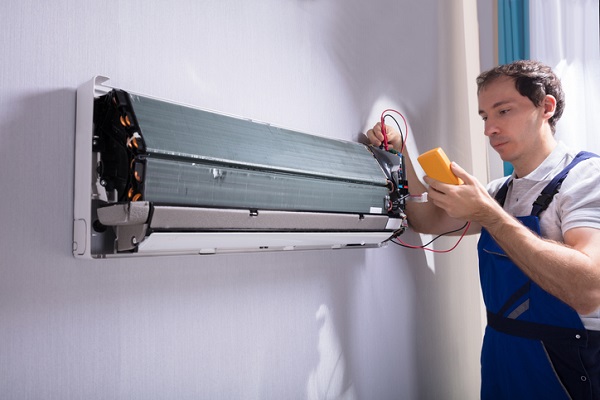
HVAC stands for heating, ventilation, and air conditioning, and as an HVAC technician you might be responsible for installing, maintaining, and repairing any of these systems. An HVAC diploma provides you with hands-on training in order to get you going in your career, no matter what type of system of you focus on.
One aspect of working as an HVAC technician is knowing how to use the right tools for the job. There are multiple instruments that you may encounter and utilize in your training or in your career, including testing devices.
Continue reading to discover a few of the testing devices frequently used by HVAC technicians.
1. An Infrared Thermometer Can Help You Spot Problems from a Distance
An infrared thermometer (IR) uses infrared technology to measure an object’s temperature from a distance. Sometimes called laser thermometers, IRs calculate the infrared emission of an object to determine its temperature. IRs may be used to quickly locate overheating circuits and equipment without requiring direct manual intervention. By adding an IR to your HVAC technician toolbelt, you can find and repair potentially hazardous components.

2. A Digital Multimeter Provides Important Information About Electrical Components
A digital multimeter (DMM) is a diagnostic tool employed by technicians working with electrical components, including by students developing their electricity-related knowledge at HVAC college. The primary purpose of a DMM is to measure electrical values—namely amps (current), volts (voltage), and ohms (resistance). The advantage of a DMM is that it combines the efficacy of multiple single-task meters into one comprehensive device. In one single reading, the user can receive information that would otherwise require three to four separate machines and three to four separate readings.
3. Leak Detectors Can Help You Detect Leaks When You Become an HVAC Technician
Leaks are a problem that HVAC technicians are often called upon to address. Such leaks may be caused by abrasive substances, physical damage, equipment malfunction or a variety of other factors. What is just as important as the problem itself is the ability to detect it. If a gas leak, for example, goes undetected for a prolonged period, it might become a health and safety hazard.
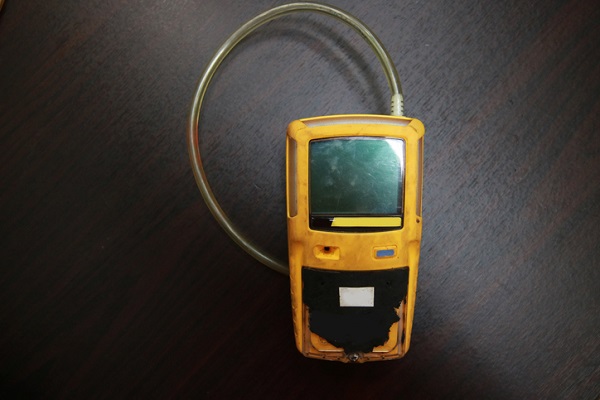
A leak detector helps you see what is otherwise invisible. If a system is utilizing compressed air to generate energy, for example, and that system is leaking, it might result in decreased productivity because energy will be lost. After your HVAC technician training, you may find yourself called upon to help detect and fix leaks and in those cases a leak detector will prove invaluable.
4. A Vacuum Gauge Is a Useful Tool to Have for Refrigeration Systems
A vacuum gauge is an instrument that measures the pressure in a vacuum. They are one of the most important tools used in refrigeration. As an HVAC technician, a vacuum gauge allows you to test the pressure of liquids and gases in cooling systems, which is essential when working with different refrigerants. Vacuum gauges are also necessary when servicing or replacing a refrigeration system as they provide you with important information about the system.
Do you want to become an HVAC technician?
Check out the North American Trade Schools to find out about our programs!
What to Know About Conduit Bending for Your Career After Electrician College
September 12, 2019
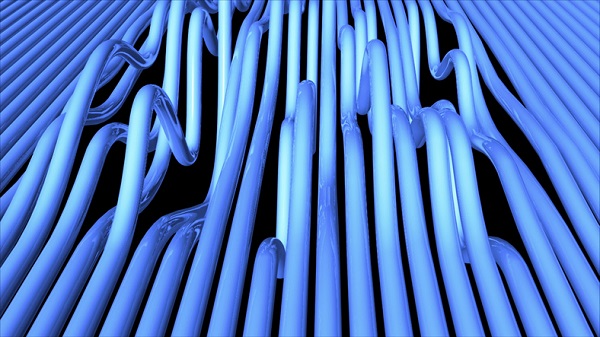
Conduit bending is an essential skill electricians learn during their training. Various materials from rigid steel to EMT (electrical metallic tubing) will call for bending at some point or another. If you’re studying to become an electrician, there are numerous reasons why this is an important skill to have under your belt.
While you’ll be taught about conduit bending during your courses, it’s good to have some idea of what it is beforehand. Here’s what students in electrician college need to know about conduit bending.
There Are At Least Four Different Ways You Can Bend It
With regards to conduit bending, there are several methods you can choose to get the job done. Among them are the 90º (also known as the “stub up” bend), back to back, offset, and the saddle bend. The stub-up bend is where one end of the conduit is bent upward into a 90º L shape. Back to back bends are where parallel stub-up bends are made to a 90º angle on both sides, making a U shape.
An offset bend is where a shift is made somewhere along the conduit even though the bend continues to run parallel to where it was initially. Lastly, the saddle bend is where one portion of the conduit is bent at 45º over an obstacle before returning to its original plane. You’ll learn to develop your conduit bending skills during maintenance electrician training.
Bending Conduit Involves a Lot of Marking
After you’ve undergone the first step of selecting the proper bender and removing cutting burrs if necessary, you’ll need to mark the points on the conduit for bending it properly. You’ll then need to decide where the conduit should start, the necessary length of the bend, and where you need it to change direction. Then, you’ll need to mark the bend’s midway point before measuring to make sure those marks will bend correctly, and then mark another line on the floor.
In other words, make sure you buy yourself a Sharpie if you want to be an electrician! However, if your bend is for exposed work like in factories, use a pencil instead to prevent the ink from bleeding through after the conduit is painted.
You’ll Want a Good Bender After Electrician College, But it’s Not the Only Tool You’ll Need
Whether it’s made of steel or aluminum, it should go without saying that having a good bender to use after getting your electrician diploma is important. However, aluminum ones are preferred over steel, as the latter type is a lot heavier. It’s also very useful for newer electricians to have a handle as well as multiplier markings on the bender, to streamline the calculation process.
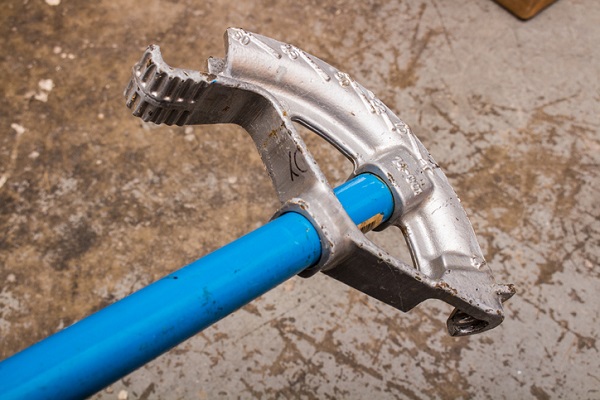
While a bender is easily the most essential tool you’ll need here, it’s not the only one. You will need a strong, high-quality level, and ideally one with rare-earth magnets and levels attached to them. Additionally, you will do well to have a tape measure and a framing square on hand, as both will be key in helping ensure you get the correct angles and measurements for the bend.
Do you want to study at an electrician college?
Contact North American Trade Schools to find out more about our programs!

Learning a trade like home renovation provides you with a marketable specialty. You’ll have skills that are in demand by the many people who require renovation work on their homes every year. In addition to providing a nice income, home renovation skills can benefit you in other ways.
If you’re considering training to work in the field of home renovation, you may be surprised by the number of benefits you’ll gain from it. Let’s look at just some of those benefits below.
Home Renovation Is a Skill That Will Never Be Out of Fashion
No matter how technologically advanced society becomes, there will still be a need for home renovation skills. Even if we eventually relocate to Mars, we’re going to build shelters and we’ll need home renovators to help! So long as people live in homes, they are going to need people with home renovation skills.
That’s why the demand for home renovators will continue to be strong. But there is more to a career as a home renovator than a stable income (although that’s certainly nice to have). The skills you’ll learn during home renovation technician training can serve you well both in your personal and your professional life.

Whether it’s helping your retired neighbors fix the porch or educating your teenaged son or daughter about how to read blueprints, the skills you will acquire during a career in home renovation will always benefit you and those around you. How many people can say that about their job?
Making Money Is One Thing, But Have You Thought of the Money You’ll Save?
There’s a financial benefit to being a home renovator you may not have considered: no longer having to hire someone else to renovate your own home. The average Canadian homeowner spends over $10,000 on home renovations. Now, imagine being your very own general contractor and pocketing that money. With the knowledge of a modern handyperson, you can achieve independence at home and in your career. Not only will your skills be in demand by other homeowners, but those skills will also help you save money by being able to do work on your own property.
Drop the Gym Membership—A Career in Home Renovation Is a Cheaper Way to Stay in Shape
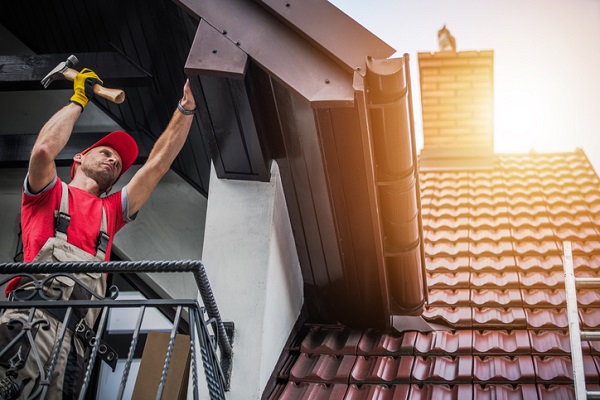
The benefits of engaging in regular physical activity are pretty obvious. But people who spend their days in a cubicle sitting in front of a computer don’t get too many opportunities to exercise. Unless, of course, they spend hundreds of dollars a year on a gym membership! As a home renovator, however, you’re constantly staying active on the job. You might be moving from one room to the next, one residence to the next, or one job to the next. At any rate, you’ll be moving and working with your hands, which is exactly what many home renovators love about their jobs.
Are you interested in home renovation college?
Contact the North American Trade Schools to find out if a career in home renovation is right for you.
Why Learning About Shielded Metal Arc Welding Can Help Your Welding Career
September 10, 2019
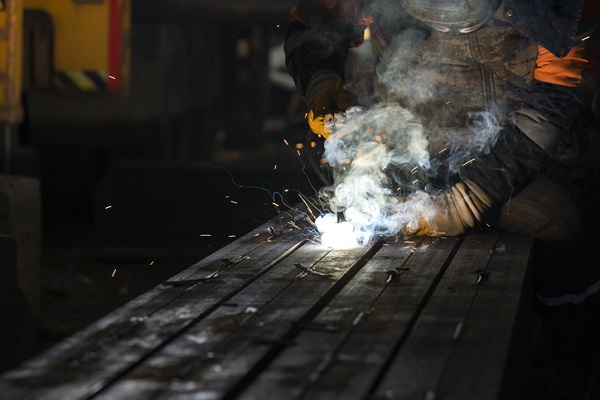
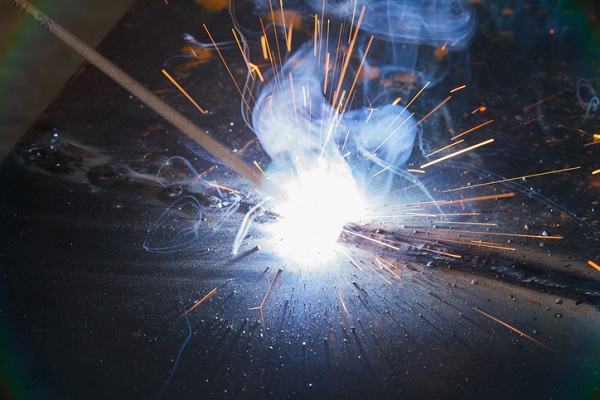
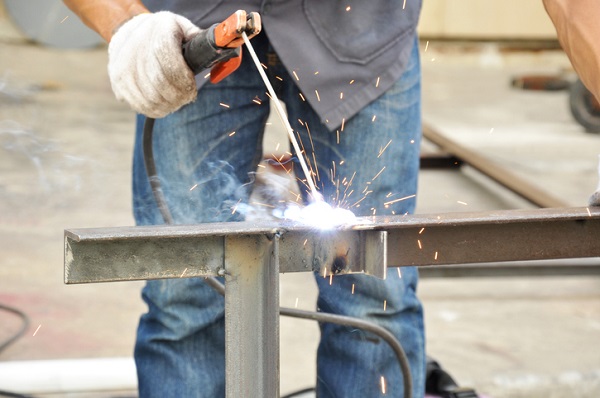
It’s an essential process for aspiring welders to learning, but how exactly does it work, and why do you need it in your welding career? Shielded metal arc welding (SMAW)—known by some as “stick welding”—is where a weld is made through an electric current that forms an arc between a weld pool and a flux-covered electrode, leading to the formation of gases that shield the weld pool and give it a layer of slag. As a result, the weld is protected from contamination.
Being one of the most basic and oldest welding techniques, SMAW may seem at first like it has a big learning curve, but it is actually quite simple once you’ve fully understood its inner workings. Here’s how SMAW works, and how it can be helpful for you and your welding career.
Those in Welding Technician Training Should Familiarize Themselves With the Process
Since it’s one of the simplest processes in welding, it goes without saying that those hoping to have a career in the profession should understand how shielded metal arc welding works. First, the electrode briefly comes into contact with the workpiece, striking the arc, which results in parts of the electrode being passed onto the weld pool before the covering disintegrates and forms protective gases. With the power source connected to a circuit, one of its two output terminals makes a connection with the electrode either with alternating current or direct current. Additionally, SMAW electrodes contain covering with various elements and materials that allow the welding process to be carried out, as not having the covering would make the arc hard to maintain and cause the weld bead to be improperly shaped.
Shielded Metal Arc Welding Needs to Meet Three Criteria to Work
Since SMAW is something you’ll learn in welding technician training, it’s important to remember that there are three steps the electrode in any SMAW application must take to properly weld. These are the ability to shield both the weld metal and the arc, the adding of metal to the weld, and the ability to sustain the arc. Furthermore, SMAW has three additional functions when the covering is heated well enough, which are the formation of the shield for the metal and the arc; the covering ionizing so that it can support the arc plasma; and the fluxing of the metal so it forms a cover on the weld bead as it cools, eventually giving off gases to avoid any contamination to the weld.
There Are Many Upsides to This Type of Welding—and Various Things it Can Weld, Too
The advantages of performing SMAW for your welding career are vast. Not only can it suitably weld a number of different alloys, metals and steels, but it’s also a process with various other upsides, not the least of which are its simplicity and relatively inexpensive nature. For example, the SMAW process isn’t as draft or wind-sensitive as gas shielded arc welding can be, nor does it necessitate the use of auxiliary gas shields. SMAW can also be applied to various welding positions, as well as its electrodes being able to access, and be applied to, hard-to-reach areas such as blind spots. Given how versatile and productive the process can be, it’s easy to see how advantageous it is for many welding projects.
Want to get your welding diploma?
Contact North American Trade Schools for more information about our Welding diploma program!
3 Environments You Might Be Working in After Electrician School
September 09, 2019
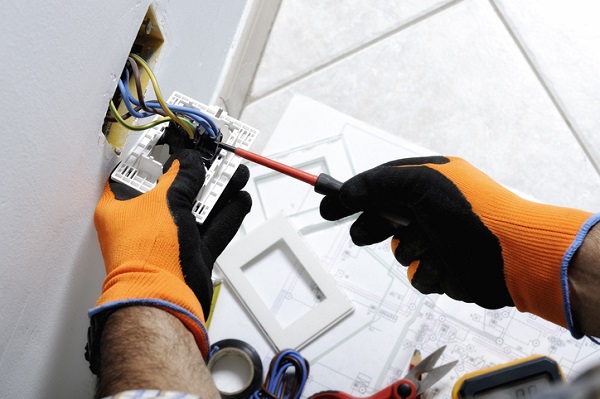
If you’re about to begin a career as an electrician, there are numerous possibilities for where you might work. You could ply your trade in homes, office buildings, construction sites, or industrial factories. Whether you want to work indoors or outdoors, travelling or just at one site, there’s an electrician job for you.
Wherever you end up going, your job remains to ensure electricity safely goes straight from the source to those who need it the most. Here are three places you might find yourself working in after completing your program to become an electrician.
1. You Could Find Yourself Working in People’s Homes After Electrician School
Residential electricians work on wiring and lighting in people’s homes and apartment buildings, among other living spaces. In this career, you could find yourself going to different homes, carrying out the necessary tasks to make sure residential buildings and units have electricity in place, and installing it both indoors and outdoors as necessary.
Your tasks could include determining where equipment and fixtures will be located in the home, working on security and air conditioning systems, and ensuring electricity can travel from the source to the home’s circuit breaker. Whether you’re working on an existing home, or one that’s still being constructed or undergoing renovations, you’ll be able to work on electrical wiring and fuses to keep tenants and families happy and their homes running smoothly.
2. You Could Work in Any Environment Specializing in Maintenance
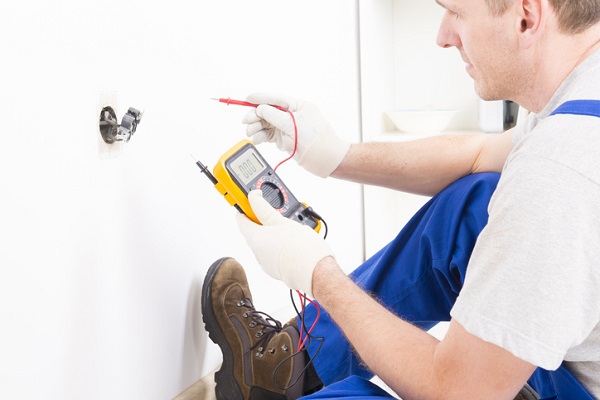
If you you’re the type of person who likes fixing things that are broken or not working properly, being a maintenance electrician may be the route for you. Travelling and commuting between different worksites is common for people in this job, so you could find yourself working in various environments. If you want a job where your workplace will change every day, this job could be a great fit.
As a maintenance electrician, you could be performing tasks like troubleshooting using testing devices, performing preventative maintenance, rewiring connections or electrical equipment in homes or businesses, or working on equipment in factories or manufacturing units. Regardless of where exactly your career after studying to become an electrician takes you, your problem-solving skills and ability to carry out the necessary maintenance procedures will serve you well if you want to become a maintenance electrician.
3. You Could Work in Office Buildings (or Outside Them) as a Commercial Electrician
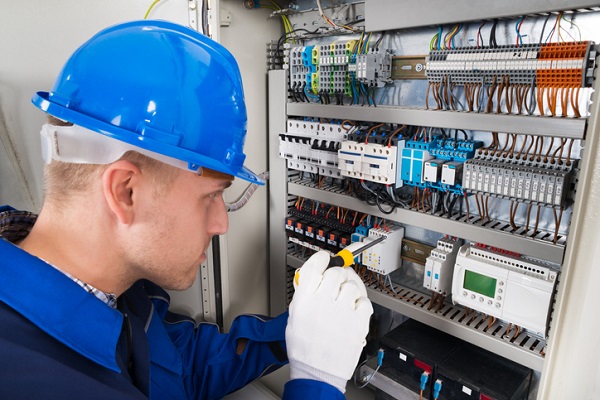
Businesses need light and electricity during the work day and sometimes even at night, so they need commercial electricians to help set up their electrical systems and keep them running. In this environment, you could be installing lighting, wiring, and/or control and security systems, while adhering to all safety requirements.
Alternatively, you could work as an electrician on a construction site where a new office building is being built, or at a factory as an industrial electrician where you may work on hydraulic and other machinery. Regardless, whether you work in a small corner of an office building or a wide-open construction space, your career after electrician school can lead to you working for a number of successful businesses.
Want to get your electrician diploma?
Contact North American Trade Schools to learn more about our programs!