Author: toppyhem



Choosing the right wood is one of the first big decisions in any cabinet project. It affects how a cabinet looks, how long it lasts, and how easy it is to build and finish. Even before the first cut is made, the material you pick sets the tone for the whole job. The strength, colour, grain, and workability of each type of wood all play a part. This is why wood selection is often one of the first lessons in any credible training program.
But picking the right wood is only part of the equation. How you treat it makes just as much of a difference. Wood has to be prepared properly before it’s used. That includes drying, sealing, staining, and finishing. If done right, this process protects it from the elements and keeps the final product looking good over time. These are the kinds of skills that students develop through hands-on experience in the Cabinet Making program in London, where training starts with real tools, real wood, and real-time lessons.
Understanding Wood Types for Cabinet Making
Not all types of wood behave the same. Some are soft and easy to shape but dent easily. Others are strong and durable but harder to work with. Knowing the difference plays a big role in planning and building a cabinet that fits the job it’s meant for.
Here are two main categories of wood used in cabinet making:
Softwoods
These tend to be lighter in weight and easier to cut. They’re often used for internal framing or cabinets that won’t handle too much wear. Common types include:
- Pine: A light-coloured wood known for being budget-friendly and quick to work with. It can take paint well but may dent easily.
- Spruce: Often used in structural parts thanks to its strength. Its grain isn’t as prominent, but it’s still widely used in shelving and basic cabinet frames.
- Fir: Straight-grained and fairly strong, though it can split if not handled properly.
Hardwoods
These are better for visible surfaces and cabinets that need to handle wear over time. They cost more and take more skill to shape but deliver strong results.
- Oak: Known for its grain pattern and strength. It’s often used for cabinet doors and outer panels.
- Maple: Dense and smooth, maple accepts stains well and has a clean, modern appearance.
- Cherry: A reddish hardwood that darkens with age. It’s often used in upscale cabinetry for both looks and performance.
- Birch: Similar look to maple but more cost-effective. It stains evenly and takes finishes well.
In the Cabinet Making program based in London, students learn how to match the right wood to the design they’re following. They examine textures, weights, and grain direction, gaining experience in how each wood behaves once cutting or planing begins. This comes in handy later when clients want specific looks or when a build requires extra durability.
Best Practices for Wood Treatment
Once the type of wood is selected, it needs to be treated before it’s turned into cabinet parts. This protects the wood from moisture, wear, and warping. Treatment also impacts how the finish looks after paint, stain, or sealant is applied.
Here’s a simple breakdown of treatment steps:
- Drying: Wood must be properly dried to avoid issues like shrinking or expanding. Some woods come kiln-dried, but students learn how to check for leftover moisture before working.
- Sanding: This smooths out the surface so it can take finishes better. Starting with coarse grit and working to finer grades helps reduce swirls or gouges.
- Staining: Stain brings out or changes the wood’s natural colour. Proper staining techniques prevent streaking and uneven absorption.
- Sealing: A clear sealant helps lock in colour and protects the surface from moisture and wear. Some woods need pre-sealing before staining to avoid blotching.
Treating wood the right way helps improve both the look and durability of cabinets. Cutting corners here can hurt the final product. Students in London learn these steps by working with different wood types, so they understand how oak reacts differently than pine or when to pre-stain versus seal. These habits carry into every project, whether it’s built-ins, kitchen cabinets, or custom vanities.
Techniques for Enhancing Wood Appearance
Bringing out the best look in the wood doesn’t happen by accident. Small steps like sanding or applying a coat of finish can change how a cabinet feels and looks when it’s finally installed. These touches aren’t just for appearance either. They help with long-term protection too.
Sanding is often the first step in the process. It smooths the surface and gets rid of small defects or glue residue. Starting with rough grit helps shape the piece, while switching to fine grit before finishing keeps lines crisp and surfaces clean.
Painting and staining come next. Some designs use paint to create a solid colour. Others show off the grain using stains. Getting good with these techniques takes practice, especially when matching colours across different cabinet panels.
Finish work completes the job. Whether it’s a satin varnish or high-gloss sealer, finishes protect the wood and bring out rich tones. At the London campus, students learn to use rollers, sprayers, and brushes depending on what the build calls for.
Even small choices like using a cloth to get into corners instead of a brush can make a big difference. This kind of detail often comes up during hands-on lab time when students work on real materials they’ll see again in the workforce.
Common Wood Treatment Challenges and How to Prevent Them
Even with the best tools and prep, issues can still come up. Knowing what to look for, and how to fix things fast, makes life easier on the job. That’s why these challenges and their solutions are part of London’s training.
Here are a few common treatment problems and how to avoid them:
- Warping: This can happen when wood isn’t dried correctly or is stored in a damp place. Always check moisture before working and store boards lying flat.
- Splitting: Force from screws or nails can cause cracking in dry or thin wood. Pre-drilling holes, especially with hardwoods, helps prevent damage.
- Uneven stain: Softwoods like pine can blotch when stain is applied unevenly. Testing on a scrap piece and using a wood conditioner helps fix this.
- Peeling finish: If the wood isn’t clean or dry before finishing, the top layer might peel. A tack cloth and careful timing between coats help improve results.
- Sticky surfaces: High humidity or too many layers too close together often causes a tacky feel. Spacing out coats and watching the environment gives smoother outcomes.
Students at North American Trade Schools in London run into these issues early while training. Whether it’s re-sanding a poor stain job or stripping back a peeling layer, working through problems in real time gives them solid know-how.
How These Skills Pay Off in the Trade
Getting good with wood takes more than just information. It takes repetition, working with real materials, and learning from errors. For those trying to break into cabinet making, this training gives them a clear edge when starting out.
Making smart choices about which wood to use helps projects last longer and leave clients happier. Knowing how to prep and finish that wood builds trust on any crew or site. These two areas become second nature after good hands-on experience.
Programs like the Cabinet Making diploma in London teach these skills from day one. Students get their hands on real wood, test different finishes, and build habits that stay with them throughout their careers. By the time they enter a real shop, they’re not guessing—they’ve already done the work in class. These early experiences become the backbone of every cabinet maker’s future.
If you’re aiming to turn your interest in woodworking into a practical career, exploring the cabinet making diploma in London could be the next step. North American Trade Schools offers hands-on training that helps you build real-world skills and the confidence to work on job sites with ease.
Cabinet making isn’t just about building furniture. It’s about precision, design, and the skill to turn raw materials into something finished and functional. At the heart of it all are the tools used on the job. Whether you are building kitchen cabinets, custom shelves, or detailed trim, the right tools make all the difference. They help transform ideas into clean, lasting work.
For people curious about a career in woodworking, learning how each tool works is a strong first step. That’s where hands-on training really matters. At a cabinet making school in London, students use the tools themselves, learning through practical work in real shop settings. Instead of reading about how a saw cuts, you actually use it, fix your mistakes, and get comfortable with every stage of the build. This kind of learning gives you confidence when you step into the trade.
Essential Hand Tools for Cabinet Making
Getting started in this trade means learning the basics, and the basics begin with hand tools. These are tools you’ll use daily on jobsites and in shops. They might look simple, but they’re key in refining your work, handling details, and finishing jobs right.
Here are a few hand tools all cabinet makers should know:
- Chisels: Great for cleaning out joints, shaping fine corners, and making detailed cuts. You’ll learn how to choose the proper size and keep them sharp for smooth work.
- Block Planes: These help with tiny adjustments like smoothing edges or surfaces. A few passes can fix tight fits or uneven joints.
- Hand Saws: Still used widely for precision cuts in tight spaces. While machines can handle bulk cuts, the clean edge of a hand saw is needed in many final steps.
- Measuring Tools: Tape measures, combo squares, and marking gauges are used constantly. Accurate layout work is important for creating cabinets that fit and function properly.
At North American Trade Schools, students in the Cabinet Making program in London get hands-on with these tools from the beginning. Whether it’s shaping drawer parts or perfecting joints, this training builds the solid habits and control that employers look for.
Power Tools That Make a Difference
Once you’ve got the feel for hand tools, the focus shifts to machines that do the heavy lifting. Power tools help speed you up, boost consistency, and handle bigger tasks that hands can’t manage alone.
Some of the key power tools used in the school and industry include:
- Table Saw: One of the most important machines in any shop. This tool makes clean straight cuts and rips large sheets of wood. Learning to use it safely and precisely is a major part of your training.
- Router: Used for shaping edges, cutting slots, and adding decorative details. Different router bits create different profiles, and you’ll learn how to pick and swap them based on your build.
- Portable Sanders: Used for smoothing surfaces and edging. These are part of the final stages where surfaces need to be ready for finishing.
- Mitre Saw: Ideal for cutting clean angles. A sharp corner makes or breaks how trim and door frames fit.
Training to use these starts with learning how to set them up, adjust for wood movement and grain direction, and follow safety steps every time. In the London-based program, you don’t just watch a demo. You build projects using these tools in realistic shop settings. By the time you finish, you already have experience creating full cabinets with tools you’ll see again on the job.
Safety Gear and Practices
Part of being a pro in cabinet making isn’t just knowing how to make good cuts. It’s knowing how to work safely and avoid injury. In the London shop, safety is built into every part of training. You’ll learn what risks to watch for and how to work responsibly at each stage.
Common safety gear includes:
- Eye Protection: Safety glasses keep eyes clear of dust and chips flying off cuts.
- Hearing Protection: Machines are loud. Earplugs or earmuffs help protect your hearing over time.
- Dust Masks: Cutting and sanding wood raises fine dust. Masks protect your lungs from ongoing exposure.
- Proper Clothing: Non-slip boots and fitted clothing help reduce distractions and lower chances of getting caught in moving parts.
Beyond gear, the school teaches safe habits. That includes how to check guards, clean machines properly, unplug before changing blades, and stay alert. For example, if you’re using a table saw, you’ll also be guided on how to stand safely and guide materials the right way. These become habits with practice.
Machine maintenance is also part of the lessons. Students learn to reset tools, clean blades, and handle shutdown procedures—skills that build confidence and prevent common problems later on. All of this matters because being safe helps you stay sharp on the job while others trust you to get work done right.
Advanced Tools for Professional Results
Once you’re confident with the basics, it’s time to level up with tools that deliver speed and high-level precision. These are what you’ll often find in custom shops or larger contracts where accuracy and timing matter even more.
Advanced tools include:
- Jointers: These flatten edges and surfaces before gluing wood together. Flat joints hold strong and make the whole piece look sharper.
- Planers: Used to make boards the exact same thickness. A mismatch of just a few millimetres can throw off a whole build.
- Bandsaws: Better for cutting curves and thicker wood pieces that table saws can’t handle easily.
- CNC Routers: These programmable tools let you cut designs and parts with high detail. They run from uploaded files and are great for logos, duplicates, or design features.
These tools require more setup and planning. Students at the London location work through steps like adjusting fence settings, lining up measurements, making dry runs, and troubleshooting outputs. You’ll learn to do it all from scratch.
Knowledge of CNC routers, in particular, adds a tech edge to your toolset. Custom wood shops are starting to use them more, and someone trained to operate and fix settings efficiently stands out after graduation.
Tools Are Just the Start
Learning how to use woodworking tools properly takes time, which is why hands-on training matters so much. You get real shop time, not just textbooks or video demos. Every screw-up turns into a lesson. Every project builds finesse and deeper understanding—from glue-ups to final finishes.
At the cabinet making school in London, this approach is built into your day. You’ll practice layout, measurements, and adjustments until they become second nature. You’ll learn how to react on the spot, fix cuts that go off track, or adjust joins so they lock in better. That’s the kind of thinking that makes you successful out in the field.
This trade teaches problem solving and patience, and it offers a range of paths—shop work, millwork companies, furniture making, or even starting your own business. Learning the tools is step one. Learning to use them with purpose and care is what takes you further. The more you practice, the more capable you become. With a solid foundation of tool knowledge and confidence built through guided shop time, you’ll be ready to step into a jobsite or woodshop and make an impact from day one.
If you’re ready to take the next step toward a career in woodworking, enrolling in a cabinet making school in London can give you the skills and shop experience you need to succeed. At North American Trade Schools, our hands-on training prepares you for the real work ahead with the guidance and tools that matter most in the field.
Stepping into a home for an inspection isn’t just about checking if the lights turn on and the taps run. Whether someone is buying a house or making improvements, there are deeper issues that could be hiding behind walls, under floors, or inside systems. That’s where trained home inspectors come in—people who know exactly what to look for and why it matters. If you’ve ever been curious about how homes work and want a career helping others make safe decisions, learning to spot red flags might just be up your alley.
In London, where housing continues to shift and grow, trained eyes are needed more than ever. Home inspector training gives you the tools to look past surface-level features and into the small details that make or break a home’s safety. It’s not about guessing, it’s about knowing. Programs like the one offered through the Home Renovation Technician training at North American Trade Schools show students how to spot issues early while building real confidence for onsite work. You’ll spot problems faster, communicate findings clearly, and feel sure about what you’re doing. Here’s how that starts, right from the first structural glance.
Structural Issues
When walking through a home for inspection, structural issues usually show up early if you know where to look. Signs like long cracks in walls, slanted floors, or doors that stick might seem minor to the untrained eye. But they’re among the biggest red flags because they usually mean there’s something going on beneath the surface. Left unchecked, they can lead to major safety issues and large repair bills down the road.
Home inspector training in London includes real-world examples of these problems so students can learn how to pinpoint structural risks without tearing into drywall. For example, if you notice cracks above door frames or along basement walls, that could point to foundation problems. Uneven flooring might sound like a cosmetic problem, but it can actually suggest a shifting foundation or moisture damage weakening support beams.
A good training program will teach you:
– How to tell surface-level cracking from signs of foundation movement
– What to look for in rooflines, especially sagging or bounce in older homes
– Why some flooring dips could signal problems with floor joists
– How shifting soil near foundations contributes to long-term issues
When you train hands-on, it’s easier to understand the cause behind the symptom. Instead of just spotting the crack, you’ll learn how to trace it back to its root issue and explain it in your inspection report in a way that makes sense for buyers and homeowners.
Electrical System Flaws
Safe wiring is one of the most important parts of any home, but it’s one of the easiest things to hide. Behind finished walls or neat breaker panels, there can be outdated wiring, overloaded circuits, or poor DIY fixes done by someone with no experience. These might seem small until they start causing fires, injury, or full electrical failures. That’s why inspectors with solid training in electrical systems are such a must.
During home inspector training, you’ll learn which red flags stand out. You’ll be taught how to assess things like:
– Two-prong outlets in rooms that need grounded ones
– Too many extension cords or power bars hidden around a room
– Panel boxes that are outdated or have no clear labels
– Light switches or outlets that spark, buzz, or feel warm
Imagine opening a panel and seeing old fabric-wrapped wires twisted by hand. That’s not just a historical detail, it’s a safety risk. In training, you’ll understand why these details matter and how to document them the right way. Knowing when something looks off and how to back up that concern with a clear explanation is something you don’t learn by guessing. It’s taught with purpose.
Building that kind of inspection skill isn’t just about checking boxes on a form. It’s about understanding what’s backed by building codes, what’s just lazy or unsafe work, and what could endanger the people who move in later. That kind of judgment only comes from fully understanding how electrical systems perform in real households, which is part of the core experience in professional training programs like those taught at North American Trade Schools in London.
Plumbing Problems
Leaks and drainage issues might seem harmless at first glance, but when you’re inspecting a home, they’re often a major red flag. Water damage can weaken framing, damage flooring, and cause hidden mould growth that puts health at risk. The key for a home inspector is knowing the difference between minor wear and serious concerns, and that’s something hands-on training in plumbing systems makes easier to understand.
During your training, you’ll learn how to spot signs that plumbing systems might be failing or well past their prime. Here’s what to look for:
– Water stains or bubbling paint on ceilings and walls
– Pipes that rattle, sag, or show signs of rust
– Very low water pressure in certain taps or rooms
– Flooding, pooling water in basements, or slow-draining sinks
– Musty smells or sewage odours even when everything looks clean
These problems can be easy to miss, especially in older homes that have been patched up to look new. But if you know what decaying materials or outdated fittings look like, such as old galvanized steel pipes, you’ll be able to point them out with confidence and explain why buyers should take them seriously.
As part of home inspector training in London, you’ll also practice using real inspection tools to find leaks that aren’t visible yet, like moisture meters and infrared thermometers. You won’t just be checking under-sink plumbing. You’ll be learning how to assess full home piping systems, spot clues of past repairs, and recommend upfront solutions. These skills become part of your inspection routine and help others make smart, informed home decisions.
HVAC And Ventilation Concerns
Heating, ventilation, and air conditioning systems are among the most heavily used systems in a home, but they can get overlooked. If an HVAC unit isn’t operating the way it should, it can affect comfort, air quality, and even impact a home’s resale value. That’s why a home inspector needs to check furnaces, vents, ductwork, AC units, and fans with both function and safety in mind.
Training gives you a big advantage by walking you through live system checks. For example, you’ll be taught how to inspect an older furnace that’s still working but giving off odd smells or heating rooms unevenly. You’ll also learn how to interpret sounds—rattling may mean loose parts, while high-pitched whistling could show airflow problems.
Watch for these HVAC-related red flags:
– Uneven heating or cooling across the home
– Blocked or dirty vents, especially near basements or attics
– Short cycling, where the system turns off and on repeatedly
– Water or condensation leaks near the unit base
– Heavy dust or clogged filters around intake vents
These are not things most homebuyers will catch during a simple walk-through. But trained inspectors know what to check, how to describe the concerns, and when to recommend a second opinion from qualified HVAC professionals.
Understanding HVAC systems is built into trade school programs that include detailed inspection training. When you can confidently spot problems like inconsistent airflow or worn parts, you stand out in the home inspection field—especially in places like London, where heating efficiency really matters through the colder months.
Helping Future Buyers Make Safer Choices
When you’re trained to look beyond surface-level features, every home you inspect becomes safer for the people thinking about moving in. Whether it’s foundation cracks, bad circuits, leaking pipes, or underperforming HVAC systems, all these warning signs tell a bigger story. The better you get at spotting them, the more prepared someone else is when making a big financial decision.
Inspectors hold a big role in helping families avoid stress and costs through smart evaluations. But this work relies on strong experience, sharp judgment, and clear communication. That’s why hands-on programs based in London give you every chance to practise and grow—from reading signs others might miss to organizing details into a report buyers actually understand.
If you enjoy the idea of spotting what others might overlook and want a job that helps people stay safe, home inspection could be your next step. It’s not just about pointing out flaws. It’s about learning how things are built, predicting future issues, and giving people the information they need when making a major life decision.
Ready to make a difference in the housing market? Gain the skills that set you apart with comprehensive home inspector training in London. At North American Trade Schools, you’ll learn how to identify and report key home issues with confidence, helping future homeowners feel secure in their investment. Start your journey toward a meaningful and in-demand career today.
Welding plays a big role in making sure structures are safe and strong, whether you’re working on a new building, fixing up a car frame, or helping create massive pipelines. But it’s not just about joining metals together. It’s about getting it right and making sure the welds can hold up over time. That’s where quality control comes in. For anyone thinking about a career in welding, understanding the standards of quality and how work gets inspected is one of the most important skills to have from day one.
Getting hands-on experience in quality control doesn’t just help someone learn to do the job well — it also opens doors to steady careers and better job options. Welders who can prove their work meets industry standards are far more likely to get hired, especially for big commercial or industrial projects. And one of the best ways to prove that is through certification. That’s something students work toward early on when training for a career in welding.
At North American Trade Schools, students are introduced to welding basics and quality expectations early in their training. From the fundamentals of machine operation to test preparation, industry standards shape the curriculum so learners can step into a job site with a strong foundation.
Why Welding Quality Control Matters
When a weld fails, the result can be anything from minor fixes to serious hazards. Broken railings, collapsed scaffolding, and damaged bridges can often be traced back to welds that didn’t hold up. That’s why consistent testing, inspection, and quality standards aren’t just formalities — they’re about keeping people and property safe.
In welding, quality control focuses on how strong and clean the weld is, making sure it’s free of cracks, gaps, or slag buildup that could weaken the joint. Welders have to learn how to spot potential issues themselves, as well as how to address problems that come up during a job. Understanding this part of the job upfront helps future welders become reliable, detail-focused tradespeople who crews can count on.
Good quality checks also help reduce rework, which saves time and money. Whether it’s a small manufacturing job or a large infrastructure build, making sure the weld is right the first time helps keep things moving. That’s not just good for employers — it sharpens the skills and confidence of the welder too.
Core Areas of Welding Quality Control
Learning to manage weld quality involves more than just theory. Trades training programs teach students to operate tools, practice inspections, and use real techniques common to many job sites across the country.
Here are some of the key methods used in quality control:
– Visual inspection: This process comes first. Welders or inspectors check the weld with the naked eye or a basic lens. They look for surface cracks, any sign of incomplete penetration, and spatter around the joint. These can all lead to weaker performance or potential failure.
– Non-destructive testing (NDT): These tests look inside the weld without cutting or damaging it. Ultrasonic testing uses sound waves to find flaws beneath the surface. Radiographic testing uses X-rays or gamma rays to scan the weld, often preferred in large-scale or structural jobs.
– Destructive testing: This method involves taking samples and breaking them on purpose to see how well the weld holds up. Common destructive tests include the bend test, where the joint is bent to see if it cracks, and tensile tests, where the weld is pulled until it breaks to measure strength.
These inspection methods are introduced early to students training in welding, including those enrolled at North American Trade Schools. Instead of just studying them on paper, students get to perform these tests using real equipment. That hands-on approach builds problem-solving skills and allows learners to challenge their own work in a safe training environment.
To explore what these quality control techniques look like during training, check out the welding program details available through North American Trade Schools.
Professional Welding Certifications in London
If you’re thinking about becoming a welder in London, earning your certification is one of the biggest steps forward. Certification proves that you can handle different welding techniques, follow safety rules, and meet inspection standards. In many job settings, it’s required before you even pick up a welding torch.
There are different types of welding certifications depending on the kind of projects you plan to work on. For example, you might need to pass structural welding tests if you want to work in construction, or pipe welding certifications if you’re aiming for careers in the utility or energy sector. Testing includes welds in particular positions, such as flat, vertical, or overhead, depending on the certificate you need. Every test measures how consistent, safe, and strong your technique is.
In London, welding certifications are designed to meet Canadian national standards. That makes local training important, especially if the goal is to work on certified projects without having to retest multiple times. Programs at North American Trade Schools are shaped around these standards, with instructors who guide students through mock testing and help them develop habits that stick.
By the time students reach the exam stage, they’ve already been through test conditions repeatedly — making them better prepared and more confident on certification day.
Hands-On Welding Training That Focuses on Quality
Welding isn’t something you learn by just reading a manual. To meet quality control standards, students need to become familiar with the real-life checks they will need to pass on job sites. That includes working through common test welds, operating machines under real shop conditions, and assessing their own technique session after session.
Hands-on welding programs usually include:
– Practice with testing methods like visual checks, ultrasonic readings, and test coupons
– Setup and calibration of modern welding machinery
– Welding in different positions and configurations to match real work site needs
– Safety sessions that connect directly to day-to-day job quality expectations
From the start, these elements are there to help students build confidence and understand how quality control affects the outcome of every job. At North American Trade Schools, the goal is not just teaching someone to weld. It’s helping them build repeatable steps that can hold up under pressure — steps they’ll use on worksites to meet inspector expectations and keep equipment running safely.
Welders who regularly check and correct their own work show stronger habits over time. Employers trust those habits. It’s noticeable when someone takes the extra time to deliver a consistent weld and double-check connections before calling an inspection.
Want to see how these habits are formed? The welding technician course at North American Trade Schools maps out how students move from first-timers to strong candidates for certification and entry-level jobs.
Building Strong Welding Careers Starts with Training
Quality welding doesn’t happen by chance. It develops through feedback, careful repetition, and training in the right setting. Welding certification helps confirm what you’ve learned meets industry expectations. But more than that, it proves you’re ready to work correctly, safely, and with focus.
If you’re in London and considering this career, certification training offers a smart start. Local opportunities are growing for skilled tradespeople who understand how to check their work, avoid rework, and put safety first. And those are skills that reach well beyond the first job site.
Welding is practical and detail-driven, and the strongest welders are the ones ready to show their work can stand up to testing and time. Learning those skills during training gives every graduate a leading edge.
Thinking about stepping into a rewarding welding career? Start by building strong foundational skills through hands-on training and earning your welding certification in London. North American Trade Schools offers the support and experience you need to move forward with confidence and start working toward a stable, skilled trade future.
How Hands-On Training at Trade Schools Prepares You for Real-World Jobs in Ontario
July 30, 2025
Trade schools offer a valuable alternative to traditional education for many students, giving them the chance to focus on practical skills right from the start. Hands-on training is a huge part of this approach, and it helps students really learn their trade. In places like Ontario, where demand for skilled workers is growing, learning through doing is more relevant than ever.
By focusing on hands-on training, students don’t just learn about their trade, they live it. This method prepares them for real-world challenges and equips them with skills they can use the moment they enter the workforce. It’s easy to see why more people are choosing trade schools as a smart, practical option for career training.
The Importance of Hands-On Training
Hands-on training takes learning well beyond the pages of a textbook. It gives students the chance to try things firsthand and learn in a way that sticks. Think of an aspiring electrician working with real wires and tools in a controlled environment, which leads to a much deeper understanding than just reading instructions or watching a video.
While classroom theory has its place, most trades rely on practice. It’s one thing to study how a system works and another to physically install or fix that system. Hands-on training bridges that gap by letting learners apply their knowledge in practical situations. It’s similar to learning to ride a bike; you need to get on and try it out in order to gain balance and control.
Here’s how hands-on experiences get students ready for real job situations:
– Students learn to troubleshoot and solve actual problems
– They get familiar with industry tools and modern equipment
– They develop an understanding of teamwork and how workflows operate on site
As students engage directly with tasks, they begin building strong muscle memory, making it easier to perform similar tasks in the workplace. They also learn important soft skills like time management, communication, and adaptability—all key qualities in trades jobs.
Skills Developed in Trade Schools
Ontario trade school students gain skills that can be used immediately on job sites. Programs are built around doing, not just listening. These schools cover every part of a trade, from safety habits to practical applications.
Common skills taught in hands-on programs include:
– Welding: Reading blueprints, operating welding tools safely, and working with different materials like steel and aluminium
– HVAC: Understanding heating, ventilation, and air conditioning systems while learning installation and repair of equipment
– Cabinetmaking and Carpentry: Measuring, cutting, and building wood structures, furniture, or cabinetry
– Electrical: Installing wiring systems, reading codes, and following safety procedures
– Home Renovation: Managing projects from start to finish, including demolition, framing, plumbing, and finishing work
Safety training is emphasized from day one. Students learn proper lifting techniques, how to use personal protective equipment, and workplace hazard awareness before they’re hands-on with any materials. Using the same tools found on actual job sites gives students the confidence they need to walk into entry-level roles ready to contribute.
Real-World Job Readiness
People learn best when they’re doing, not just observing. That’s why students benefit greatly from practice-based training that mirrors the job environments they’ll enter. Whether it’s wiring a room or installing an air conditioning unit, the closer the training is to actual jobs, the more prepared graduates will be.
Many students finish school with real project experience, ready to plug right into paid roles. For example, one graduate who trained in HVAC installation was able to secure a job within weeks, thanks to the real-world experience he gained during his program.
Ontario’s construction and residential growth keeps the demand for qualified tradespeople strong. From home building and renovation to infrastructure repair and system maintenance, jobs in skilled trades continue to offer long-term stability. Training that prepares students for these roles directly gives them a leg up in a competitive job market.
Graduates who are already comfortable using tools, keeping workspaces safe, and sticking to a schedule are often more attractive to employers. These students also tend to get up to speed quickly during their early days on the job.
Choosing the Right Trade School in Ontario
Picking the right school matters, especially when it comes to trades training. Students should look for schools that don’t just teach the theory but let them get their hands dirty. It’s about striking a balance between up-to-date facilities, experienced instructors, and a strong reputation in the industry.
Look for these qualities when evaluating trade schools:
1. Instructors with real job-site experience
2. Fully equipped labs designed to mimic real work environments
3. Opportunities for one-on-one feedback and support
4. Strong industry connections and job placement support
5. A track record of students graduating into careers
Modern tools and comfortable workspaces can say a lot about an institution’s commitment to high-quality learning. If a school is clearly investing in its facilities, it’s probably also investing in helping students succeed. Choosing a school that takes your success seriously sets the tone for your entire career journey.
Making the Most of Your Training Experience
Getting value from your trade school experience means showing up and engaging. Make the most of workshops, ask questions, and take the time to practice until you’re comfortable. Active participation leads to faster skill development and stronger outcomes.
Externships and real-world placements offer another layer of readiness. These programs put you in working environments where you’re expected to perform, adapt, and contribute alongside experienced professionals. It’s often where students learn those practical tips and tricks that textbooks overlook.
Networking begins while you’re still in school. Your peers, instructors, and guest visitors from the trades community can all become valuable contacts. Building relationships early can open doors and connect you with future employers or mentors down the line.
Take every opportunity to improve your skills and track your growth. Whether you’re interested in HVAC, carpentry, or electrical work, your effort today builds toward your confidence tomorrow.
Working Toward a Strong Start in the Trades
Starting a skilled trade career comes with many benefits. With focused, hands-on training, students leave trade schools ready to work, not just ready to learn. They’ve had the chance to try, fail, and try again until the process becomes second nature.
Ontario’s skilled trades sector is full of opportunity. Workers are needed to support the province’s ongoing development—from new homes to upgraded systems and beyond. With the right education, students can walk onto job sites prepared, capable, and confident.
Trade schools play a big part in making that leap into the workforce smooth and well-supported. When structured around hands-on learning, with the proper tools and instruction, these programs are about more than just getting a diploma—they’re about building long-term careers.
If you’re ready to take the next step and build skills that set you up for long-term success, explore how North American Trade Schools offers real-world experience through focused hands-on trade school training in Ontario.

HVAC (Heating, Ventilation, and Air Conditioning) systems are integral to maintaining comfort in homes, offices, and other buildings. If you’re currently in HVAC technician training or considering this career path, it’s necessary to understand the various systems you’ll encounter in the field.
Remember, each type of HVAC system offers unique opportunities for technicians. Becoming proficient in these systems ensures you can handle various situations and meet your future clients’ needs. This blog post highlights five common types of HVAC systems you should be familiar with as a budding technician.
1. Be Familiar With Split Systems During and After Your HVAC Technician Training
Split systems are the most prevalent type of HVAC system in residential settings. Just as we highlighted in our HVAC technician courses at NATS, they are called “split” because they consist of components distributed both inside and outside the home.
The typical setup includes an outdoor unit containing the compressor and condenser coils and an indoor unit that houses the evaporator coils and air handler. This system is often paired with a furnace or air handler that circulates air throughout the building. As an HVAC technician, you must master both components’ installation, maintenance, and repair.
2. Hybrid Systems
Hybrid systems function similarly to split systems with a twist — they incorporate a heat pump that can provide heating and cooling. This system uses a furnace and a heat pump, which helps save on energy costs.
The heat pump operates on electricity and can heat and cool your home. Still, during colder weather, the system switches to furnace mode, usually powered by gas, making it more energy-efficient. Training in hybrid systems will involve understanding how to switch between the two energy sources seamlessly and efficiently.
3. Ductless Mini-Split Systems
Ductless mini-splits are becoming increasingly popular due to their efficiency and the ability to control temperatures in individual rooms. These systems do not require ductwork; they have an outdoor compressor, condenser, and one or more indoor air-handling units.
These units are connected by a conduit, which houses the power cable, refrigerant tubing, and a condensate drain. Installing and maintaining ductless systems during your HVAC technician training is crucial as more homes and businesses seek flexible and economical heating and cooling solutions.

4. Packaged Heating & Air Conditioning System
Packaged systems are typically found in buildings requiring more space for a split system’s separate components. In a packaged system, the compressor, condenser, and evaporator are all housed in a single unit, which is usually located on the roof or a concrete slab near the building’s foundation.
These units often include electric heating coils or a natural gas furnace, eliminating the need for a separate indoor furnace. Training will involve understanding how to safely install and maintain these larger units, often in challenging environments.

5. Geothermal Heat Pump Systems
Geothermal heat pump systems are considered one of the most cost-effective and sustainable options. These systems utilize the earth’s stable temperature to provide heating, cooling, and even hot water.
The system consists of an indoor handling unit and a series of pipes buried in the ground, known as a ground loop. Geothermal systems are highly efficient because they transfer heat between your home and the earth with a heat pump.
As these systems gain popularity for their energy efficiency and low operational costs, expertise in installing and maintaining them can be particularly valuable.
Interested in an HVAC technician diploma?
Contact NATS for more information.
Welcome to North American Trade Schools, where we are committed to helping you excel in your studies and prepare for a successful trade career. Trade school can be an exciting and rewarding journey, but it requires dedication and hard work. To help you make the most of your time with us, here are 10 tips for trade school success.

[Infographic] Excel In Your Studies: 10 Tips For Trade School Success
1. Set Clear Goals
- Define what you want to achieve at trade school.
- Whether it’s mastering a specific skill or earning a certification.
- Having clear goals will keep you motivated and focused.
2. Manage Your Time Wisely
- Trade school can be intensive, so it’s important to manage your time.
- Create a study schedule and stick to it,
- Balance your coursework with other commitments.
3. Stay Organized
- Keep track of assignments, deadlines, and important dates.
- Use tools like planners or digital calendars to stay organized.
4. Actively Participate in Class
- Engage with your instructors and classmates.
- Ask questions,
- Participate in discussions
- Take advantage of opportunities
- Learn from others in your field.
5. Seek Help When Needed
- Ask for help if you’re struggling.
- Your instructors, advisors, and classmates are here to support you.
- Take advantage of tutoring services or study groups.
6. Stay Positive and Persistent
- Trade school can be challenging.
- Maintain a positive attitude.
- Stay persistent.
7. Network and Build Relationships
- Network with professionals in your field.
- Build relationships with your classmates.
- These connections are valuable as you start your career.
8. Take Care of Yourself
- Prioritize your health and well-being.
- Get plenty of rest
- Eat well.
- Make time for activities that help you relax and recharge.
9. Stay Updated on Industry Trends
- Stay informed about the latest trends and technologies.
- Attend workshops, conferences, and seminars to expand your knowledge.
10. Stay Committed to Your Goals
- Stay committed to your goals and don’t give up.
- With hard work, dedication, and the right mindset, you can achieve success in trade school and beyond.
At North American Trade Schools, we are here to support you every step of the way on your journey to trade school success. By following these 10 tips, you can make the most of your time with us and prepare for a rewarding trades career. We look forward to helping you achieve your goals and succeed in your studies.
Sources:
https://www.coursera.org/articles/how-to-be-successful-in-college
https://opportunity.org/learn/lists/10-habits-of-successful-students
4 Important Skills To Have If You’re Considering Global Supply Chain And Logistics Training
April 29, 2024
A global supply chain manager is responsible for the worldwide product flow management of an organization. During global supply chain and logistics training, you will learn a wide variety of skills to prepare you for the role.
During your logistics management diploma, the skills you will learn include data analytics, contracting, operations management, quality management, customs and global trade compliance, warehousing, communications, and supply management.
You also have the opportunity to sit the Canadian International Freight Forwarders Association certification exam and the Lean Six Sigma Yellow Belt certification exam. Your training will thoroughly prepare you to succeed in a global supply chain and logistics role, however, to do this, you also need good foundational skills.
Discover the essential skills needed for global supply chain and logistics training. Check out this infographic!

[Infographic] 4 Important Skills To Have If You’re Considering Global Supply Chain And Logistics Training
1. High Attention to Detail
Being detail-oriented is important:
- Every aspect of the logistic process is crucial and plays an important role.
- You’ll need to focus on the details to ensure success throughout the supply chain.
- High attention to detail often results in consistently improved systems and processes.
- Being attentive helps avoid mistakes.
Indicators you have high attention to detail include:
- Double-checking your work.
- Being a person who manages their time well.
Strong attention to detail enables thorough evaluation of operations, minimizing errors in the workplace
2. Strong Interpersonal Skills
Managing and communicating effectively is important:
- In a management role, your ability to communicate effectively is important.
- Effective communication and robust interpersonal skills are essential for interacting and negotiating with business partners.
- Be customer-oriented to ensure client satisfaction and continued business.
- Strong listening and effective communication skills, will help you thrive in a global supply chain management role.
Indicators that you have strong interpersonal skills include:
- You can collaborate with others whenever needed.
- You can communicate your ideas in an easy-to-understand manner.
You need to be able to communicate effectively with team members and customers to succeed in the role.
3. Adaptable in all Situations
Situations change and being adaptable is important:
- Successfully managing and solving logistics challenges is key to excelling in your role.
- You must think quickly, analyze situations, and devise solutions under pressure.
- Adaptability in learning new systems and processes is crucial as they evolve.
Indicators that you have effective adaptation skills include:
- You work well under pressure.
- You enjoy problem solving.
- You commit fully when mastering new skills.
In changing situations, swift and clear adaptation and decision-making are essential.
4. Know Technology
Being technologically savvy is important:
- Supply chains are complicated and require software and programs to remain up-to-date.
- The software and programs streamline tasks and information.
- Knowledge of computer systems is crucial.
- In larger companies, technological processes become more complex due to the increased volume of information to manage and update.
Indicators showing you have strong technical skills include:
- You know how to navigate a computer system well, including Microsoft Suite.
- You can efficiently utilize programs, quickly mastering their features to accomplish tasks.
Understanding and working with technology is fundamental to a global supply chain and logistics role.
Sources:
https://www.indeed.com/career-advice/career-development/logistics-career-skills
https://www.logisticsbureau.com/7-key-supply-chain-leaders-skills-and-why-you-need-them/
https://www.techtarget.com/searcherp/feature/5-skills-supply-chain-professionals-need
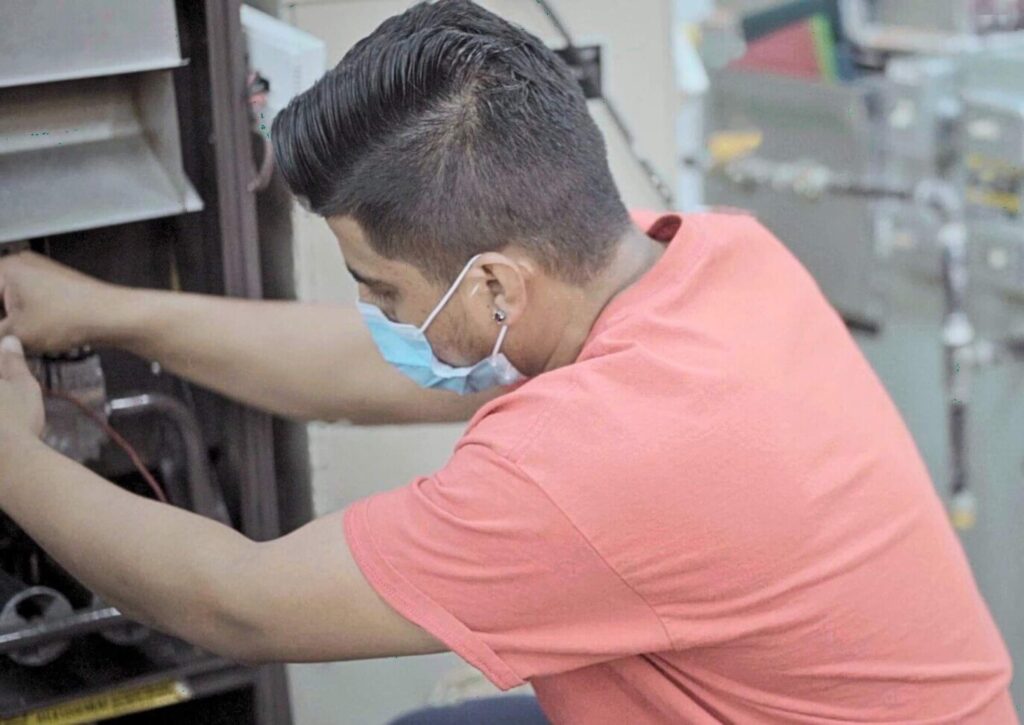
As technology advances and HVAC systems become more sophisticated, the demand for skilled troubleshooters in the industry will continue to grow. Therefore, ongoing training and practice in troubleshooting are essential for any HVAC technician aiming for success in this field.
The journey toward mastery in this field continues after completing HVAC technician training. One of the most critical skills that separates novice technicians from seasoned experts is the ability to troubleshoot HVAC systems effectively. It enhances job performance and customer satisfaction and ensures system efficiency, safety, and cost-effectiveness. This blog post explains why troubleshooting is indispensable in the HVAC industry.
The Necessity of Troubleshooting Skills
Troubleshooting is an essential part of HVAC work. It involves diagnosing and resolving problems in heating, ventilation, and air conditioning systems. This skill is crucial due to the complexity of HVAC systems, which can result in various issues. A technician’s ability to quickly and accurately identify and solve these problems can significantly impact system performance, customer satisfaction, and business reputation.
Enhancing Job Performance and Customer Satisfaction
Technicians skilled in troubleshooting after HVAC technician training can swiftly identify and resolve issues, which is crucial in minimizing client disruptions and inconvenience. This prompt response not only mitigates the downtime experienced by clients but also plays a significant role in boosting their satisfaction. Satisfied clients are more likely to share positive feedback and recommend the technician’s services, enhancing the technician’s reputation for reliability and expertise.

In an industry where reputation and word-of-mouth recommendations are vital, excelling in troubleshooting can be a key differentiator. It opens doors to new business opportunities and fosters career growth. By consistently displaying solid problem-solving abilities, technicians can establish themselves as trusted experts in their field, attracting a more extensive clientele base and potentially higher-profile projects. This virtuous cycle of proficiency, satisfaction, and growth underscores the importance of troubleshooting skills in the professional development of technicians.
HVAC Technician Training Emphasizes the Importance of System Efficiency and Safety
Proper troubleshooting is essential for ensuring that HVAC systems function efficiently. This meticulous process goes beyond mere repairs, playing a crucial role in conserving energy and significantly extending the lifespan of the equipment. Efficient troubleshooting is not just a matter of operational performance; it’s a critical safety measure. HVAC systems comprise complex electrical components, potentially hazardous refrigerants, and other elements that could pose significant risks if mishandled. It is essential to know the sequence of operation for the appliance you are diagnosing.
As our HVAC technician courses emphasize, accurate diagnosis and timely repair are imperative to minimize these risks. Doing this ensures the safety of the technicians working on these systems and the clients using them. This approach promotes a sustainable, energy-efficient, and safe environment, highlighting the importance of expertise and attention to detail in HVAC maintenance and repair.

HVAC Trouble Shooting Ensures Cost-Effectiveness
The economic impact of adept troubleshooting in technical fields, particularly for HVAC technicians, is profound. When technicians are keen to diagnose and resolve issues accurately, it substantially reduces unnecessary replacements and repair expenses. This efficiency in troubleshooting is not only financially advantageous for the service provider but also for the customer.
Avoiding superfluous replacements means lower client costs, while service providers benefit from reduced expenditures on parts and labor. This mutually beneficial scenario highlights the significance of proficient troubleshooting skills. It contributes to a sustainable business model where cost-effectiveness is paramount, leading to greater customer loyalty and a more robust market reputation for the service provider. Effective troubleshooting is a cornerstone for financial prudence in the maintenance and repair sector, creating a win-win situation for both the service provider and their clientele.
Do you want to earn an HVAC technician diploma?
Contact NATS for more information.
Navigating the Post-pandemic Landscape after Logistics Training
April 15, 2024

The logistics industry has undergone a seismic shift after the global pandemic. The pandemic has significantly affected supply chains, transportation, and logistics worldwide. Trade restrictions, port closures, and workforce reductions have led to disruptions, obliging logistics professionals to adapt swiftly. With a surge in e-commerce, evolving customer expectations, and ongoing supply chain disruptions, the landscape for logistics training graduates has become more dynamic than ever.
Fresh out of logistics training, you’re equipped with the knowledge and skills to navigate this new reality. However, translating textbook concepts into practical solutions in a post-pandemic world requires a strategic approach. This blog post highlights some key areas to focus on as you embark on your logistics career:
Embrace Flexibility and Adaptability and Deepen Your Understanding of E-Commerce
The pandemic highlighted the importance of agility in the face of unforeseen circumstances. Gone are the days of rigid, linear supply chains. Today’s logistics professionals must be adaptable and capable of quickly pivoting strategies and workflows to address disruptions.
This means staying abreast of industry trends, emerging technologies, and geopolitical issues that could impact global trade. Familiarize yourself with alternative solutions, such as diversified sourcing strategies and multimodal transportation options.
As most logistics courses highlight, E-commerce has become a dominant force in the retail landscape. As a logistics professional, understanding the intricacies of e-commerce fulfillment is crucial.
This includes knowledge of warehousing and inventory management specific to e-commerce needs, such as streamlined picking and packing processes, efficient last-mile delivery solutions, and robust reverse logistics systems for returns and exchanges.
Familiarize yourself with e-commerce platforms and marketplaces and the fulfillment models they utilize. Understanding customer expectations for fast, reliable deliveries is paramount.
Leverage Technology and Prioritize Data Security
Technology is transforming the logistics industry at an unprecedented pace. Various tools can enhance efficiency, productivity, and data-driven decision-making, from warehouse automation to blockchain-powered supply chain tracking.

Embrace opportunities to learn about and utilize logistics management software, warehouse management systems, and transportation management systems. Familiarity with data analytics tools will position you well as companies increasingly rely on data to optimize operations and predict demand.
Cybersecurity threats are growing in the logistics industry, where valuable data is constantly moving. As a logistics professional, you play a vital role in protecting sensitive information such as customer data, trade secrets, and shipment details.
Develop and implement best practices for data security, including vital password hygiene, awareness of phishing scams, and adherence to data privacy regulations.
Develop Strong Communication Skills and Build Your Network after Logistics Training
Effective communication is vital across industries, but it is especially crucial in logistics, where efficient collaboration between departments and external partners is key.
Work on refining your written and verbal communication skills during and after your logistics training. Practice active listening and clear articulation during meetings and negotiations. Effective communication fosters trust and transparency, leading to better problem-solving and smoother workflows.

Building strong professional relationships is vital to career growth in the logistics industry. Attend industry events, connect with logistics professionals online, and don’t hesitate to engage with industry experts.
Mentorship from experienced professionals can provide valuable insights and guidance as you navigate your career path. Additionally, a strong network opens doors to new opportunities, allowing you to stay current on industry trends and informed about job openings.
Are you looking for world-class career training?
Contact NATS for more information.