Category: Cabinetmaking
In Cabinet Making School? Here are the Best Types of Wood for Kitchen Cabinets
May 11, 2021


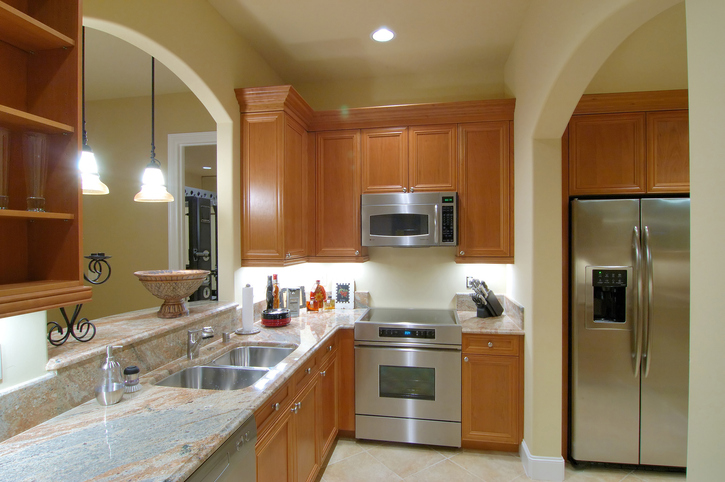
Cabinets are an essential and practical feature of any kitchen space. They require a great deal of craftsmanship in order to perfect their structure and design. Cabinetmaking draws upon hundreds of years of woodworking. The job of professionals today is to apply those traditions of the trade with modern tools and technology.
If you’re interested in pursuing a career in cabinetry, you’ll need to have a good understanding of the types of wood most commonly used in the trade and their practical applications. A good cabinet making school will provide hands-on training in woodworking, teaching you how to identify, select, and shape different kinds of wood.
Here is an overview of the best types of wood to use for crafting kitchen cabinets.
Oak is an Option Those in Cabinet Making School Should Know About
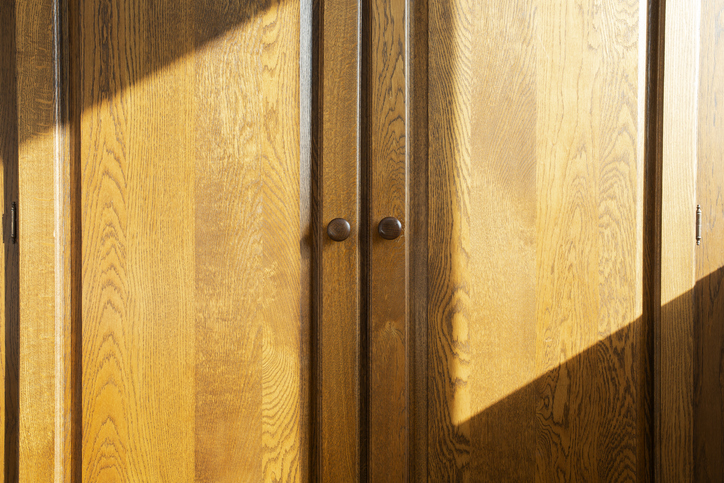
Oak is one of the most popular choices for kitchen cabinets, thanks to its classic beauty and durability. If you’re looking for cabinets that will stand the test of time, oak is a great choice. It is an extremely hard and sturdy wood that comes in a variety of shades–from light to dark brown. Students in cabinet making school will find that oak responds well to both hand and machine tools that are used to cut and shape the wood.
When it comes to the aesthetic of kitchen cabinets, oak tends to be associated with older, traditional models. But woodworkers today are applying new finishes to revitalize its use and create more contemporary designs. Although oak is traditionally stained, advancements in wood paint technology are putting an updated spin on the classic grain surface.
Use Maple for Versatility in Design
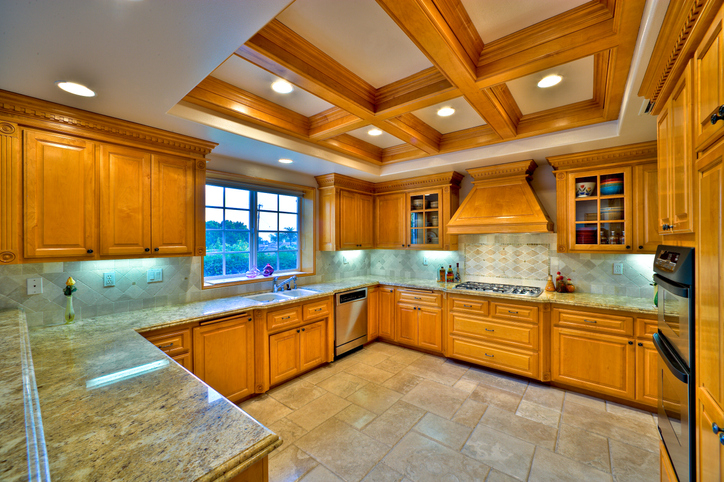
Maple is another hard wood option, and one of the most versatile in its uses. Much like oak, Maple is readily available and relatively easy to work with–making it a convenient material for cabinetry. With a smooth finish, this wood comes in colours ranging from almost white to cream. Thanks to its fine grain, you can paint, stain, or varnish this wood with high-quality results. Maple is a great choice for those interested in creating a cohesive aesthetic in the kitchen. The colour and texture of this wood allows you to create traditional, contemporary, or modern cabinetry style. They also vary the door form and finish to match the surrounding design elements.
The Timeless Look of Cherry
If you’re dealing in high-end woodworking projects, you’ll appreciate the timeless, classic look of cherry. On the more expensive side, this wood has a rich grain and vibrant colour, which ages over time to a reddish brown once a stain is applied. Cherry is fairly strong and its dark color reduces the visibility of nicks and scratches, making it a solid choice for practical use in kitchen cabinets. Professionals with cabinet making training will appreciate the relative ease of crafting this wood, as it glues well and takes screws and nails easily.
Find Colour Variety in Walnut
Walnut is a hard wood that offers a great deal of variation in terms of grain and colour–ranging from creamy white to dark brown. Although walnut is less readily available than most woods, it is still relatively straightforward to work with, and only needs a light finish to highlight its beautiful natural colour variations. If you choose, a darker finish will create a more classic look. With its colour range, Walnut is a popular choice for kitchen cabinets, and allows for different styles from traditional, to transitional, to contemporary.
Are you interested in cabinet making courses?
Contact NATS today to learn more about our practical program!
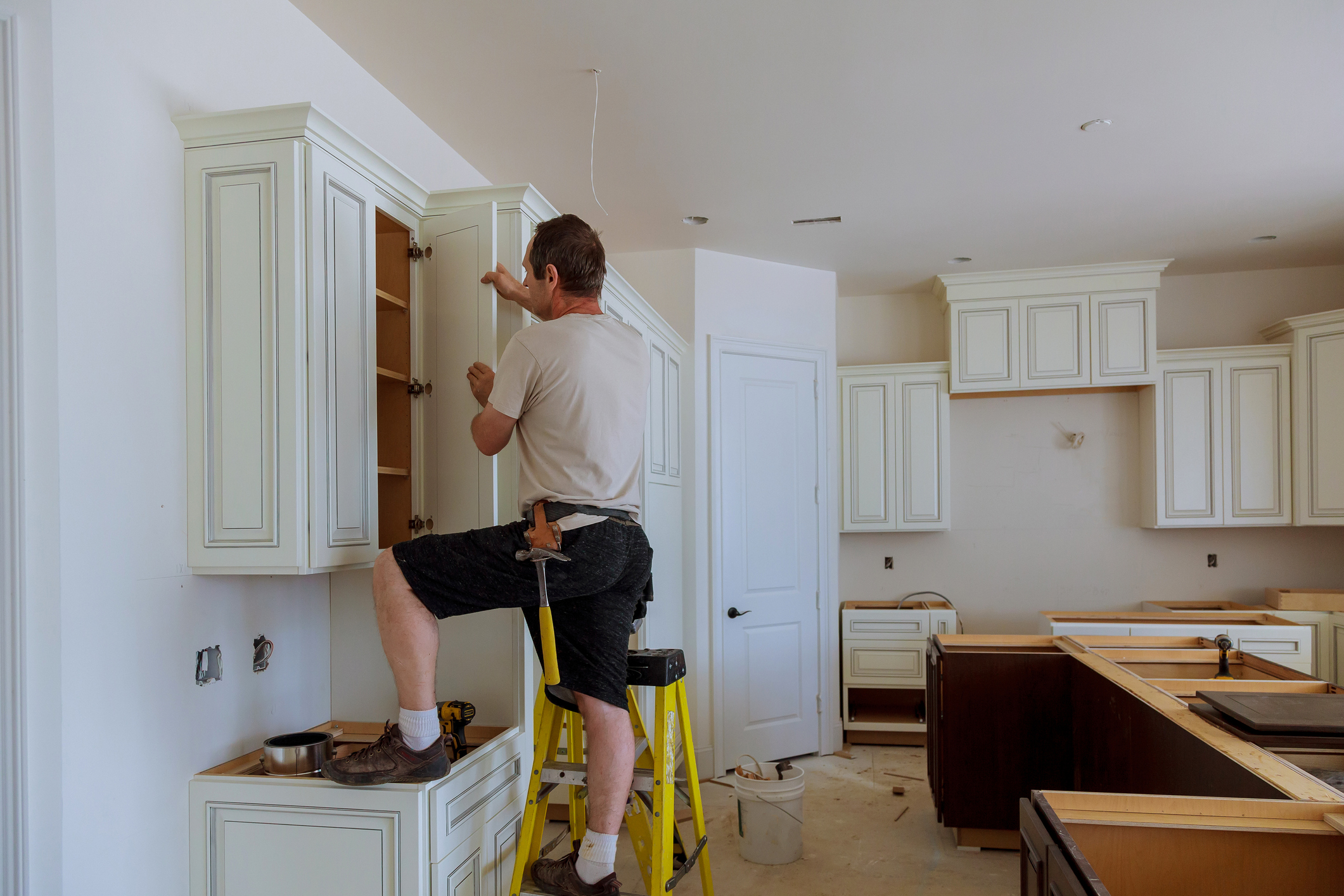
Cabinets are an essential component of any kitchen, providing storage and giving the room a unified appearance. The design and installation of a cabinet set can make or break a space, and unfortunately, there are many possible mistakes that can be made throughout the cabinet making process. If you’re interested in a career in cabinetry, you’ll be building and installing cabinets for your clients’ homes.
Here are the top mistakes that cabinetry professionals make, and how to avoid them.
1. Those with Cabinet Making Training Should Remember to Plan for Function
When cabinets are correctly placed, it’s easy not to notice how much space they take up, or how frequently they’re being opened and closed. However, if the design and layout of a set of cabinets makes it inconvenient to move and operate within a space or access items stored within them, this is a sign that the cabinets are not placed correctly.
In order to avoid a poorly designed cabinet layout, those in cabinet making school should remember to plan ahead and account for the intended function of a space. Cabinets should store clutter rather than create it, and in order to maximize their potential, it’s important to place cabinets in areas where they will be useful. For example, a storage cabinet next to the oven should be big enough for pots and pans, and a spice drawer should be nearer to the stove than the fridge. Planning a cabinet layout in advance will ensure that cabinets are being used properly and saving space instead of creating problems.
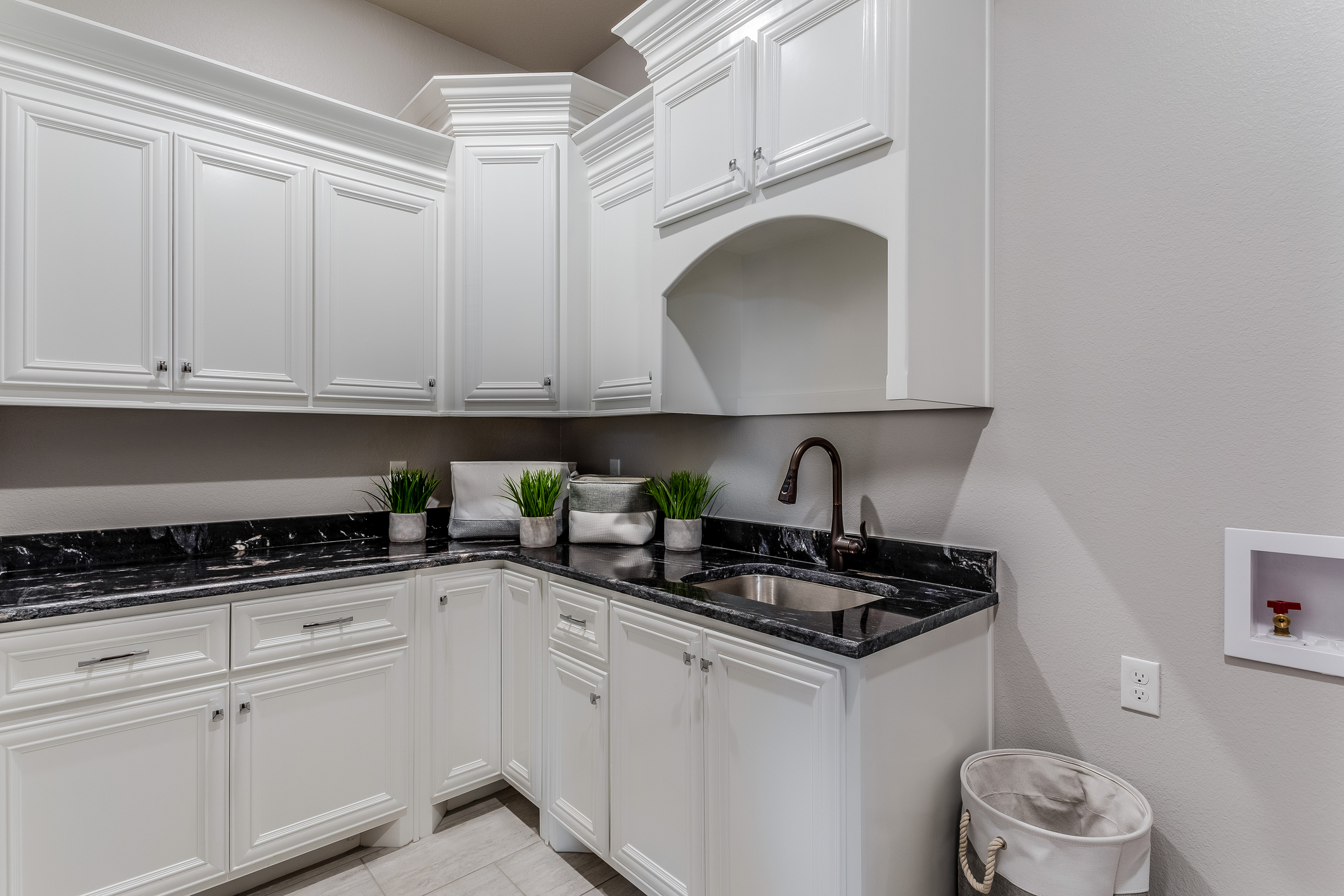
2. Don’t Forget About Alignment!
Even the nicest set of cabinets can’t distract a viewer from an alignment issue. When installing cabinets in a home, it’s not uncommon for cabinet makers to forget to correctly level the cabinets. Leveling cabinets is especially important in older homes, where the floors and walls tend to be uneven. Installing cabinets on uneven surfaces can make them appear unbalanced, and it’s important for cabinet makers to take the measurements necessary to ensure precise alignment beforehand. By taking measurements, cabinet makers will know where cabinets need to be leveled in order to create a finished, uniform look.
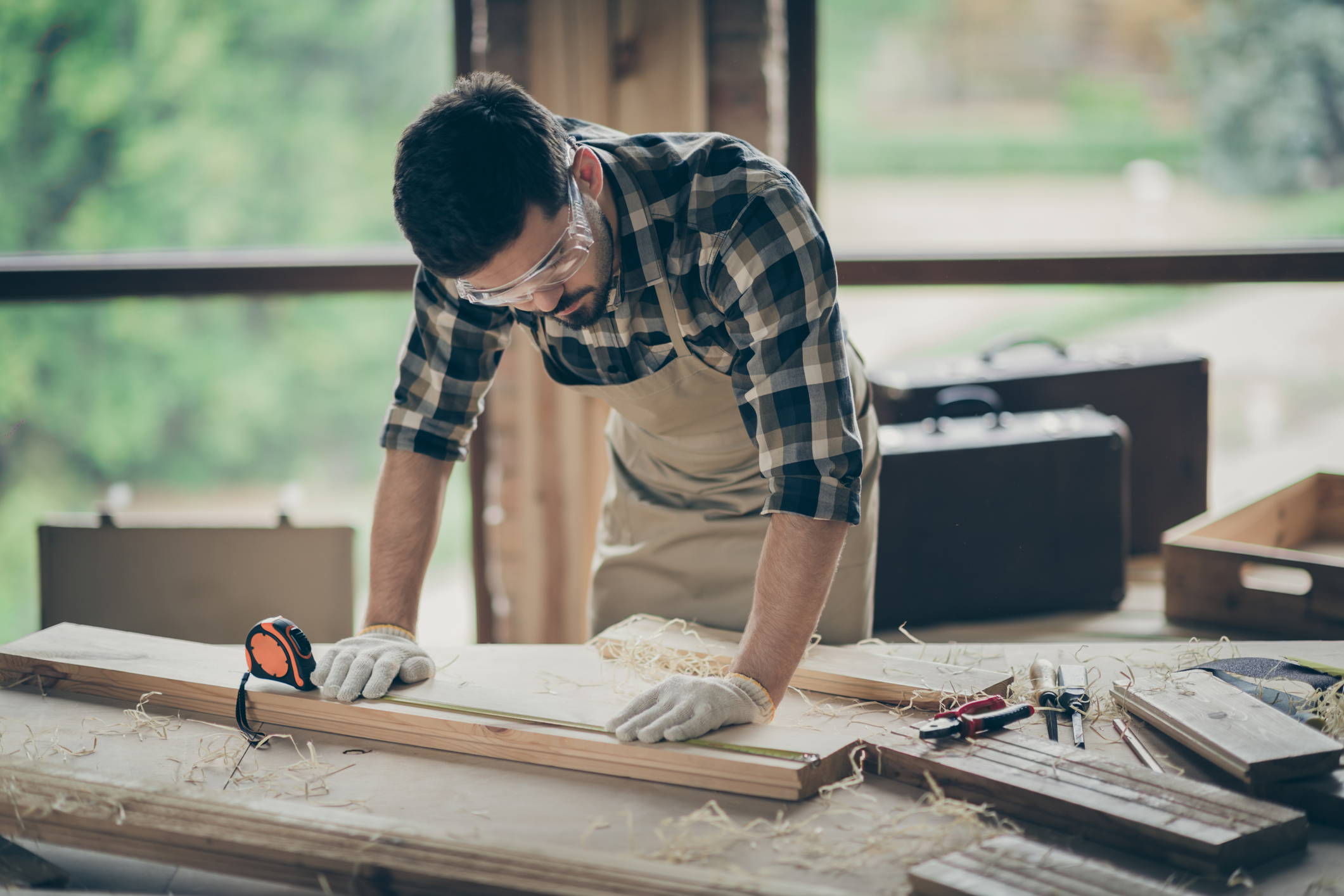
3. Failing to Account for Appliances
Cabinets take up a good deal of space, and if they are not correctly installed, they may interfere with the appliances they are built around. A set of cabinets should integrate seamlessly with the appliances in their vicinity, but one of the most common mistakes that cabinetry professionals can make is failing to account for the size of these appliances when performing an installation. Not measuring the appliances correctly can result in the inability to fit cabinets into their intended space, or the doors of appliances and cabinets clashing when open.
Before installation, professionals with cabinet making training will want to take stock of the appliances within a space, ensuring that the cabinets will be able to fit around them. In order to create a more cohesive look, cabinets should be similar in depth to larger appliances like refrigerators and ovens. Depending on the client, cabinetry professionals may also want to measure smaller appliances such as microwaves or stand mixers, so that cabinets are able to store these properly.
4. Applying the Wrong Paint
For those pursuing a career in cabinet making, another mistake to avoid involves applying the wrong kind of paint to the cabinetry set. Whether they’re located in the washroom or the kitchen, cabinets are used frequently. Thus, it’s important that the appropriate paint is used to prolong the longevity of the cabinets and allow for easy cleaning. Cabinet making professionals should avoid using water based paint. These paints are not stain resistant, making them a poor choice for functional cabinets. Instead, opt for an oil based paint, which is stain resistant and requires less maintenance.
Are you ready to enroll in cabinet making courses?
NATS has got the program for you. Launch your career today!
A Peek at the Outdoor Kitchen for Those Interested in Cabinetmaking Training
January 26, 2021
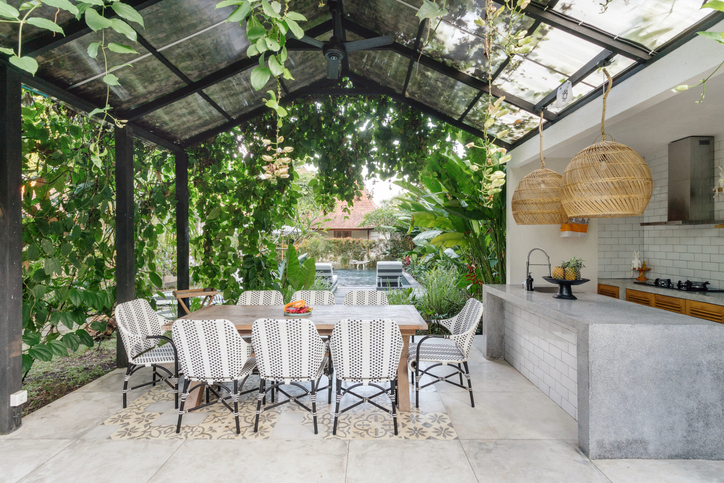
When the COVID-19 pandemic caused most of Canada to go into lockdown last year, many families found that they were cooking at home a lot more than usual. With the option of going out to eat at restaurants off the table for the better part of the past year, people were forced to spend a lot more time in their kitchens. It’s a change that has gotten plenty of families to reconsider the space in which they’re cooking. For plenty of folks at home, the pandemic was an opportunity to invest in some new cookbooks or updated kitchen appliances, while others decided it was time for a new kitchen altogether.
In May of 2020, Google searches for outdoor kitchens almost doubled, as did the search for grills, pizza ovens, and other outdoor cooking necessities. Outdoor kitchens can take many shapes and forms, but the idea is rising in popularity, and it looks like the trend is here to stay. If you’re considering a career in cabinetmaking, now is a great opportunity to learn more about outdoor kitchens and their design.
Those With Cabinet Making Training Should Know What Defines an Outdoor Kitchen
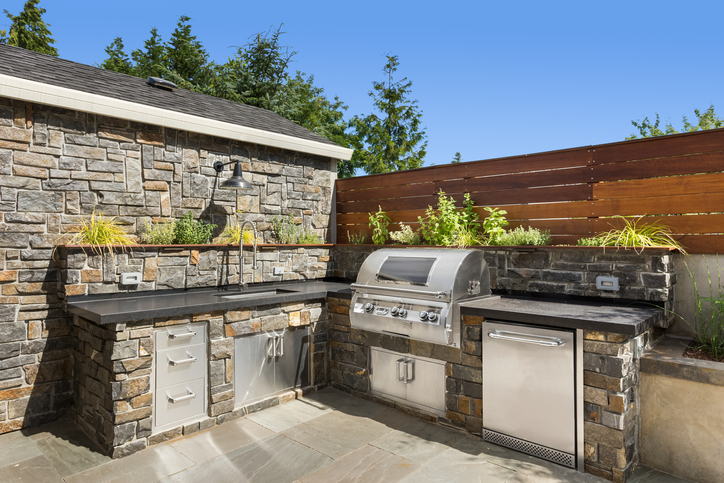
An outdoor kitchen is a functional outdoor space that can serve as a second kitchen in certain homes. While some might call their pizza oven and grill an outdoor kitchen, today, the term can be used to describe a whole range of designs, from simple to luxurious. What an outdoor kitchen looks like might depend on the preferences of the owner. Owners might opt for an island, a grill, an outdoor oven (such as a pizza oven or a wood brick oven), a stovetop, a sink, or even an outdoor bar. Regardless of its design or level of extravagance, there are a few things that should always be taken into consideration when designing an outdoor kitchen. If you have cabinet making training, here’s what you need to know.
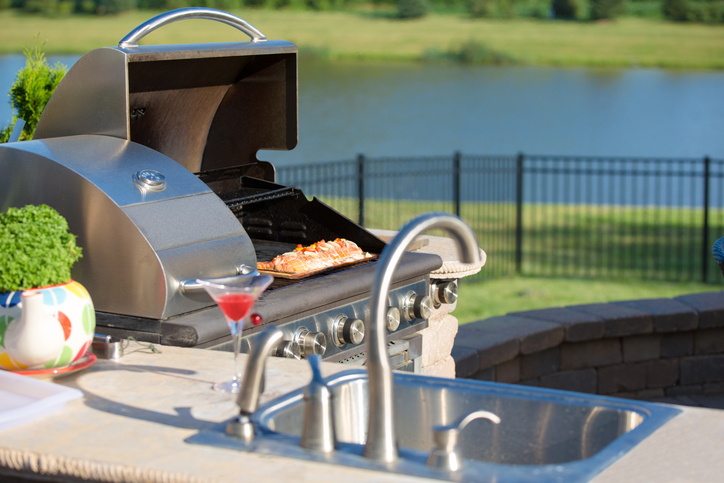
Exposure to the Elements
In any outdoor space, an important consideration is how the weather or climate will affect the appliances and materials used. When choosing the right materials for the cabinets and paneling of an outdoor kitchen, consider how the cabinet will fare with exposure to moisture, sunlight, or cold weather. Some good options for durable materials include stainless steel, teak, and marine grade polymer. All of these materials are relatively weather-proof and easy to maintain, making them great options for an outdoor space.
Functionality
An outdoor kitchen doesn’t have to be huge, as long as it contains all the necessary elements. In a functional outdoor kitchen, cabinets should be designed in order to accommodate a range of storage needs. Outdoor kitchens may need more storage, as it’s less likely that owners will be inclined to leave kitchen appliances and utensils resting on countertops in an outdoor space. After completing your cabinet making program, take storage into consideration when configuring the cabinets in an outdoor kitchen. The more storage space that’s available, the less crowded an outdoor kitchen will look.
A Consistent Aesthetic
As with an indoor kitchen, an outdoor kitchen should be consistent in the style and materials used. The use of matching materials and textures makes the space more visually pleasing. Pairing metallic cabinetry with stonework gives the kitchen a more rustic character, while concrete paired with teak cabinetry gives an outdoor kitchen a modern edge. Whatever materials are chosen, it’s important that they work together in order to make the outdoor kitchen both appealing and useful.
Are you ready to enroll in cabinet making courses?
Check out the North American Trade School’s program options to get started today.
A Look at the Hottest Cabinet Trends in 2020 for Students of Cabinet Making Courses
November 03, 2020
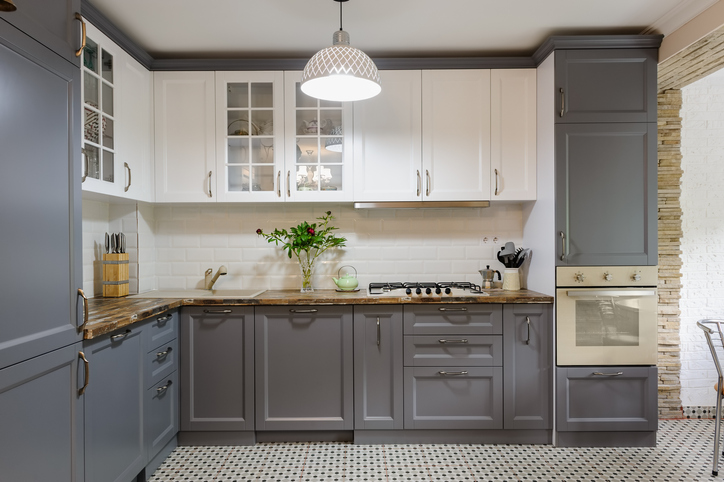 If you’re wondering what will make for the most modern-looking cabinet in someone’s kitchen right now, look no further. When you’re in the middle of a home renovation project and you’re fixing up someone’s kitchen, you won’t want any of it looking dated compared to the rest of the room—and that includes the look of the cabinets. Whether they need a new paint job, or a full redesign or replacement, there are many techniques you can use to give them a fresh, modern look.
For any kitchen cabinets looking like they’re stuck in 1974, you can borrow from any of these current trends to give them the facelift they need. Here are some of 2020’s hottest trends in cabinet making.
Transitional Cabinets: Where Old School Cabinet Designs Meet the New
One major trend for cabinets nowadays is when older styles are mixed with current ones, such as when kitchens that were built decades ago are given a fresh update with modern-looking cabinets or other pieces. You can do this by using modern-day tiling and cabinet design while the rest of the kitchen pulls from design techniques of years past. If a client needing renovations for their kitchen wants to spruce it up and make it look more contemporary, while also not wanting to sacrifice too much of the traditional feel that made it look comforting in the first place, transitional cabinets are one way to accomplish this. This is an example of a trend that can be used for a variety of kitchen styles, and one that can apply well beyond 2020.
Open Shelving: How Students in Cabinet Making Training Can Make Kitchens Look Bigger
Students in a trade school learning about cabinet making may notice that some modern kitchens don’t even bother with cabinets that need to be opened and closed. Instead, some opt for shelves that put cabinet items on display for everyone in the room to see! To use open shelving in lieu of traditional cabinets is a great way to modernize the look of a kitchen, and make it more functional as far as using kitchen items without needing to open cabinet doors.
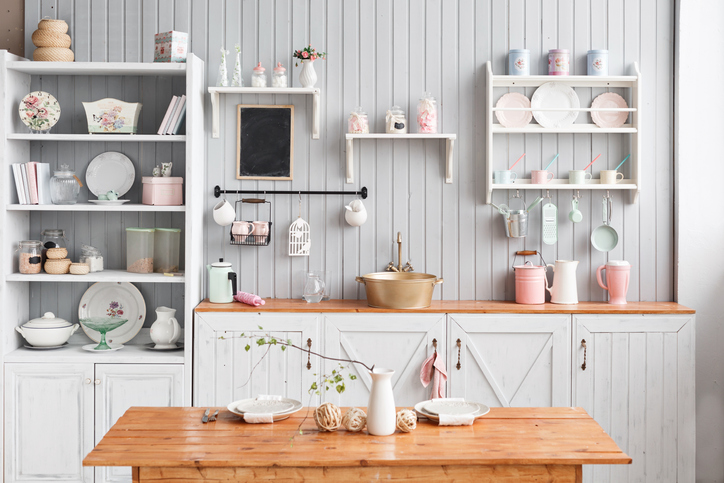
It also allows for the homeowner to save more space in their kitchen, or make the kitchen appear more expansive, particularly if it’s smaller in size. It’s a decidedly more minimalist approach to the use of cabinets, but it’s a good way for homeowners to make their most prized kitchen possessions the star of the show.
Integration: Hiding Range Hoods and Appliances for a Better-Looking Kitchen
One thing that students in cabinet making training might notice about modern cabinet designs is that some present-day kitchens are looking increasingly streamlined. Components that were once ostentatiously exposed are now integrated within the kitchen, or seemingly hidden altogether. This is especially true for dishwashers, range hoods, ovens, and refrigerators.
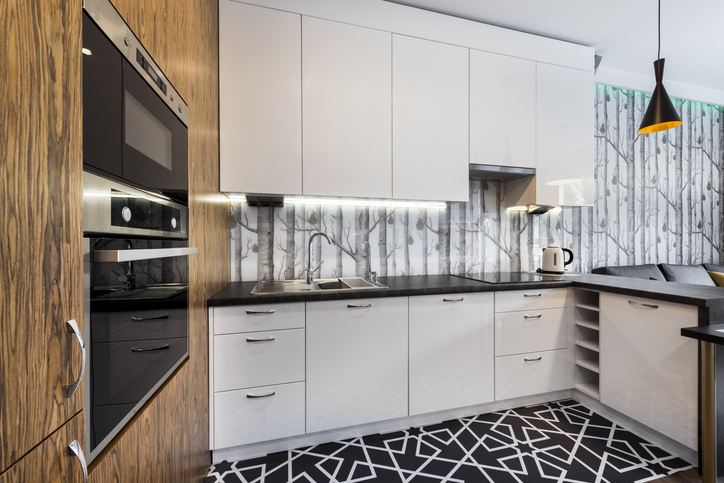
These components would be fitted alongside custom panels to appear integrated with the cabinets surrounding them, and give off a sleek, uninterrupted appearance. The cabinets and kitchen would look more cohesive, and this style would also make parts that would otherwise stick out within the kitchen appear as if they were part of the wall to begin with.
Do you want to take cabinet making courses?
Contact North American Trade Schools for more information!
2020 Cabinetry and Woodworking Trends Everyone in Cabinet Making School Should Know About
August 27, 2020
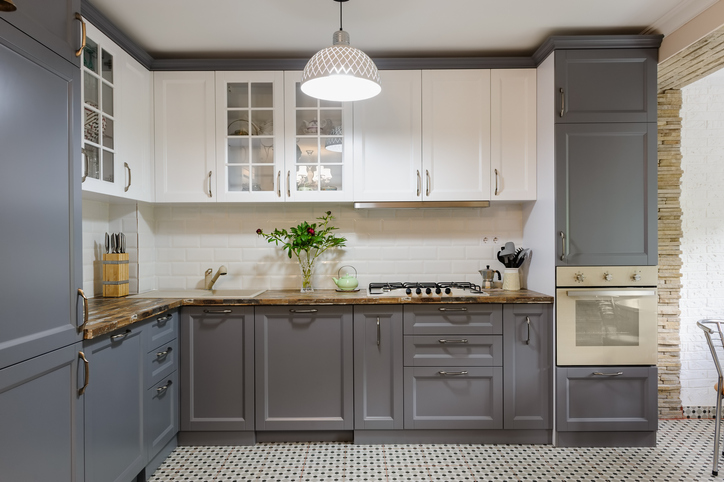 Whenever cabinets or woodwork need a fresh, modern update, there are several routes you can take. You can pick certain colours, or mix and match several of them. You can take a minimalist approach to a room’s design, or you can match traditional kitchen aesthetics with more open-concept designs.
Regardless of which route you take, your job as a cabinet maker is to bring these aesthetic decisions to life. If you want to keep it as fresh as possible, consider choosing from any of the trends we’ve listed below!
Here are some cabinetry and woodworking trends in 2020 you should be aware of.
Mixed Colours and Two-Tone Designs Are In for Today’s Kitchen Cabinets
While monochrome colour schemes for cabinets can tend to dominate certain kitchens, mixing them up is among the biggest trends for 2020. In particular, two-tone cabinets are seen as being on the rise, particularly since they can help make the room seem more expansive and dynamic-looking.
Creating a contrast between two different colours for cabinets can also add greater texture to the room and make the design stand out. A move away from traditionally-coloured kitchen cabinets is one that students in cabinet making school shouldn’t be surprised to see–whether it’s a combination of neutral, saturated or bright tones.
Finding Innovative Ways to Make More Storage Room is Another Hot Trend
If your cabinetry or woodworking project involves a living space that is smaller in size, the use of space becomes increasingly important. Therefore, finding ways to create a greater storage capacity and avoid wasting space is something else that should be at the top of your mind for 2020.
One way to do this is with custom cabinets, which can be used to make better use of tight spaces. Another is by getting creative with the cabinetry you’re working on in order to avoid overloading drawers unnecessarily.
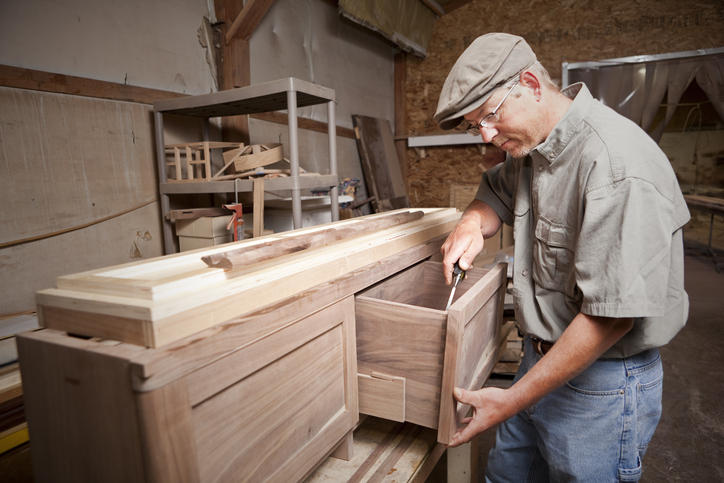
For example, you could designate cabinets and drawers for garbage or recycling, have roll-out drawers and trays for varying purposes, or create dividers for kitchen materials such as utensils. With making better usage of space a hot topic in recent months, you have an opportunity to help homeowners do it in practical and clever ways.
Cabinet Making School Students Should Take Note of Open-Concept Designs
Those doing their cabinet making training will surely appreciate how open-concept designs are becoming more of a trend in 2020 as well. This is especially the case with open-frame cabinets and open shelving in kitchens, getting rid of upper kitchen wall cabinets entirely, or a mix of both.
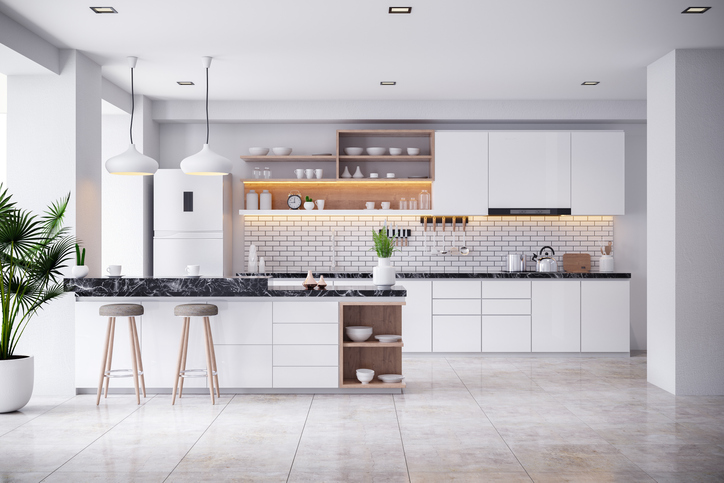
These can look great from a design and aesthetic standpoint (for example, if you’re using rough-cut wood), as well as in helping make the room appear bigger. Better yet, it can put the house owner’s dishes on display for everyone to see, help them be more creative and productive with how they use space on their countertops, and also showcase their penchant for careful placement and organization.
Want to take cabinet making courses?
Contact North American Trade Schools for more information!
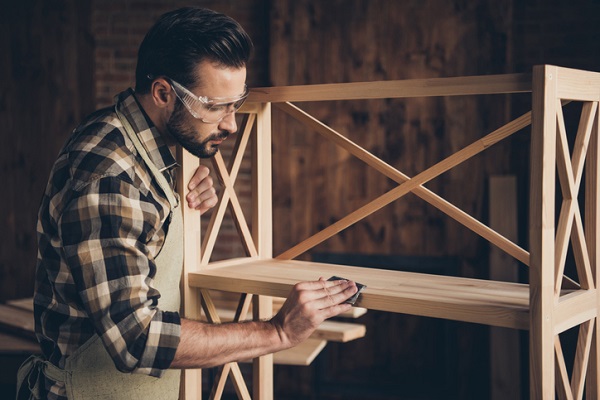
To the untrained eye, all wood types may appear somewhat similar, apart from slight variations in colour. However, cabinet makers know that not all woods are created equal. Each has its own grain, texture, and density that makes it well-suited for a particular purpose – and it’s up to cabinet makers to discover what that purpose is.
Generally speaking, hardwoods like maple and hickory are great for projects requiring sturdy framing, whereas softer woods like fir and spruce are ideal for pieces like baseboards and wall studs. But even within these two overarching categories are a wide variety of wood types with unique characteristics.
If you’re interested in cabinet making school, read on to learn all about the popular types of wood you’ll encounter in your studies!
Pine: A Popular Wood Type for Construction
This lightweight softwood is an excellent choice for structural projects such as roof trusses and joists because it is unlikely to swell and shrink. Couple that with its amber colouring and knotty characteristics and you’ve got a wood type that adds a rustic effect to cottages, cabins, lodges, and more. If your pine project is exposed to the elements, however, it’s important to treat it beforehand to prevent it from rotting over time.

Maple: A Durable Wood Cabinet Making School Graduates Will Love
With a smooth, even wood grain and an ability to work well with a variety of finishes, maple is a popular choice for home decor pieces. It is also one of the hardest types of cabinetry wood, making it great for durability as well as design.
Maple cabinets usually come in a creamy white hue, but a cabinet door panel may feature some reddish-brown colouring. You will also find yellow and pink tones in the wood, along with tan coloured mineral streaks that darken with stain.
Oak: A Common Wood You’ll Encounter in Cabinet Making Courses
If you’re interested in cabinet making training, you’ll quickly learn about the power and popularity of oak. This versatile wood has been used in fine furniture for years and offers numerous variations to suit a wide variety of projects.
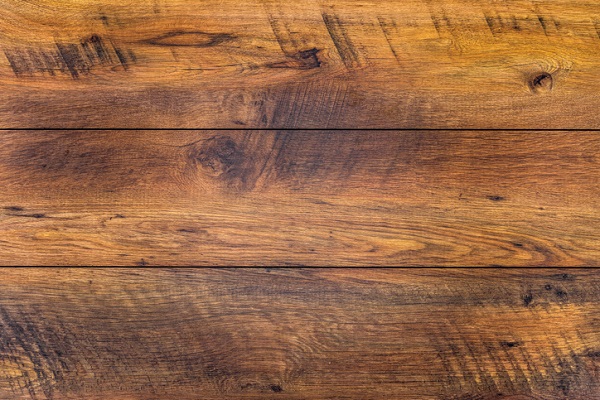
Red oak – especially selections with complex flame or arched grain patterns – is one of the most popular hardwoods for cabinets. White oak, in contrast, offers straighter grains but tends to be more expensive.
Spruce: A Sturdy Wood Selection for Cabinet Makers
If you’re looking for the perfect wood type for economy or utility purposes, spruce fits the bill. When it comes to softwoods, spruce is more dense and solid than pine. However, its straight grain exhibits less character than other softwoods, so it’s used more for its strength than its style.
Curious to learn more about cabinet making courses?
Contact NATS for more information about our programs.

However, many of the tools and techniques that are still used today are rooted in history. For example, many hand tools are variations of those used in Ancient Greek, Roman and Egyptian traditions.
Read on to discover more about the history of cabinet making and its lasting impact on the trade today.
Earliest Examples of Woodwork and Cabinet Making
By definition, cabinets are furniture used to store things and usually feature doors, drawers and/or shelves. It’s thought that early human civilizations used wooden cabinets to protect food products and fire wood from rain and vermin. Archeologists have found evidence that Neanderthals used stone and bone to work wood over 300,000 years ago – which is probably how the first ever cabinets were made!
In the Renaissance era, cabinets became more prestigious items, and would be made of precious wood and feature intricate detailing like marquetry. The cabinet was no longer just a simple storage unit – it was a work of art.
André Charles Boulle was one of the most famous cabinet makers of this era, and his work remains on display at museums and galleries across Europe. It’s well worth seeking these pieces out at some point in your cabinet making training if you want to see the work of a true master of the craft.
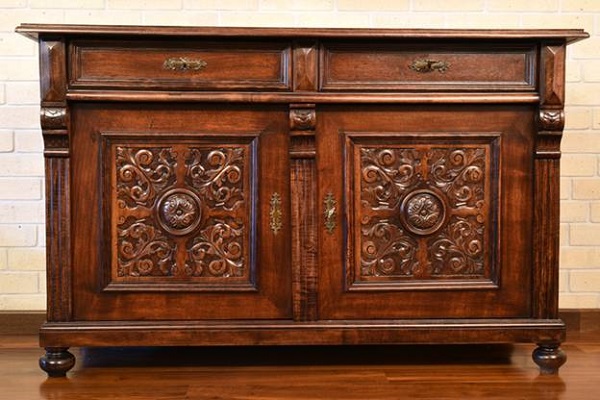
Around this time, cabinets were used to store paper and valuable possessions. Cabinet makers started to introduce writing areas, which led to the invention of bureaus and desks with cabinets.
Cabinets were made larger and larger, and were often the most dominant piece of furniture in a room. All of this combined meant that cabinet makers were one of the most highly regarded woodworkers.
The Industrial Revolution and Introduction of Power Tools Used in Cabinet Making Training
The industrial revolution in the 18th century impacted almost all trades. Electricity was then invented in the mid-19th century, and these two factors changed the cabinet making trade forever.
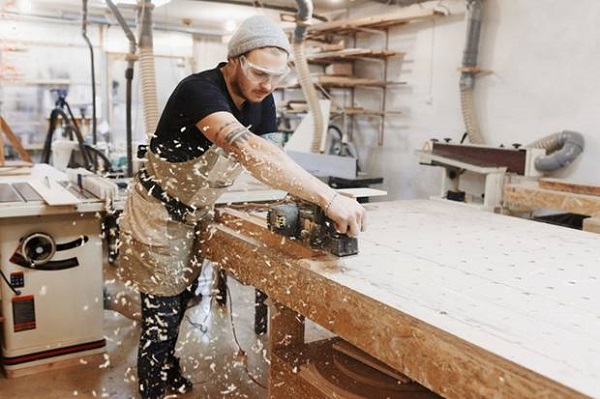
The industrial revolution changed the cabinet making industry forever
The circular saw was invented at the end of the 18th century, and meant that cabinet makers and carpenters could cut wood much faster. And in 1895, the first ever electric hand drill was invented. Variations of both of these inventions are still used in cabinet making courses today.
Cabinet Making Post-World War 2
In the 1950s, cabinet making became a popular hobby. People would spend time designing and building their own bespoke cabinets.
For professional cabinet makers in the 1950s, technical advances were continuing to transform the trade. The invention of numerical control machines meant that cabinet makers could now ensure that they were cutting all wood the same length and dimension without having to spend time measuring and double-checking.
The Cabinet Maker Today
Nowadays, cabinet makers need to know how to cut, shape, and join wood, and they need to be familiar using hand and power tools. Cabinets themselves have also changed. A cabinet is no longer the centre of the room, but often refers to built-in kitchen and bathroom cabinets.
While the cabinet making trade has changed throughout history, it remains an in-demand profession worldwide, and a very rewarding one.
Are you interested in cabinet making courses?
Contact North American Trade Schools to find out more!
A Guide to Architectural Millwork If You’re Considering Cabinet Making School
December 12, 2019
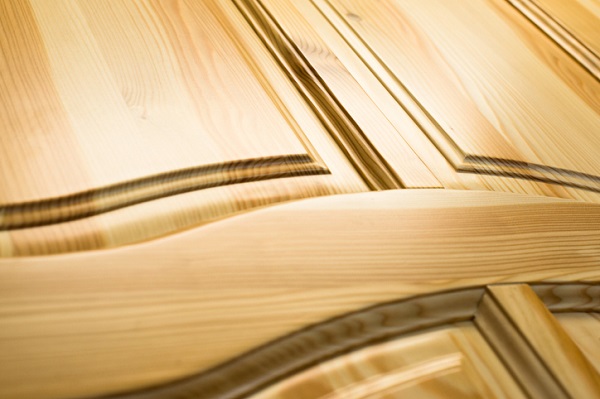
Architectural millwork adds to the aesthetics of a building and is often a major part of what people notice and remember about a structure. Produced in a mill, millwork is manufactured to create decorative elements both for the interior and exterior of a building. Millwork can refer to doors, crown molding, baseboards, mantels, window casings and more.
Cabinet making is a skill that can lead to work in this field, as both require a technical and creative understanding of woodwork. Millwork also requires a good understanding of many elements, since building directly into a structure means interacting with other parts of it. Read on for some more things you should know about architectural millwork before graduating!
Millwork After Cabinet Making School Requires Diverse Knowledge
Millwork involves building decorative wooden elements directly into a building. Things like plumbing and lighting are affected by this, as these elements can interact with one another. Having a good basic knowledge of other trades is helpful and it is essential to know where elements are located in a structure to avoid problems or interference.
Since millwork is usually custom made, every job will be unique. The more diverse and extensive your knowledge is, the more you will be able to adapt to different rooms or environments when doing millwork. The projects you encounter will have to adapt to various layouts, dimensions and requirements. Cabinet making school is a great place to start understanding different types of projects and how to keep track of measurements and designs.
Architectural Millwork on Exteriors After Cabinet Making School
Architectural millwork refers to millwork made to fit in with the (often exterior) decor of a building. This could be elements such as trim and more elaborate details on the outside of a structure, like accents and moldings. Usually, exterior architectural millwork is done before millwork on the inside of a building. Architectural millwork can be done in a variety of styles and can be highly individualized.
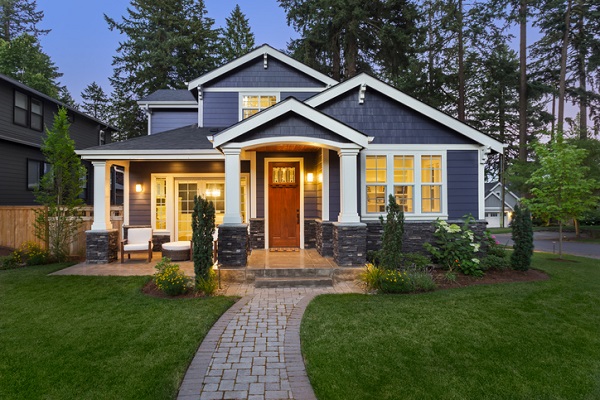
An example of variation in exterior moldings is classical or ancient moldings versus gothic and medieval. The former have Grecian/Roman influence, while medieval and gothic styles draw from flora and fauna for inspiration.
Why Cabinet Making Matters for Architecture
A major difference between millwork and mass-produced pieces is the element of customization. When mass-produced pieces are used in spaces, they cannot be adapted to specific layouts or dimensions. This interferes with the overall look and style, which is important for architectural value. With customized pieces, woodwork can be designed and created to fit with the space, instead of finding a way to make the space work with the piece. Cabinet making training may lead you to working in the field of architectural millwork, which allows more opportunity for beauty and cohesive design.
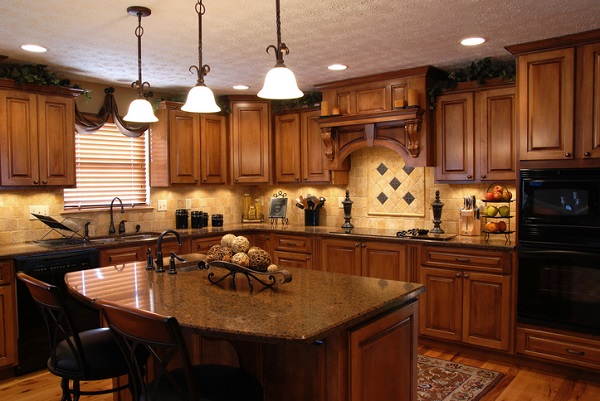
A very important part of cabinetmaking is choosing materials. In custom projects, materials can make the difference when trying to achieve a look. Not only lumber, but also hardware for cabinets will affect the way that they are received. Architectural millwork can be a fulfilling path if you are interested in combining creativity with technical knowledge to improve spaces and environments.
Are you interested in cabinet making courses?
Contact North American Trade Schools to learn more.
How to Juggle Multiple Tasks in Your Career after Cabinetmaking Training
November 12, 2019
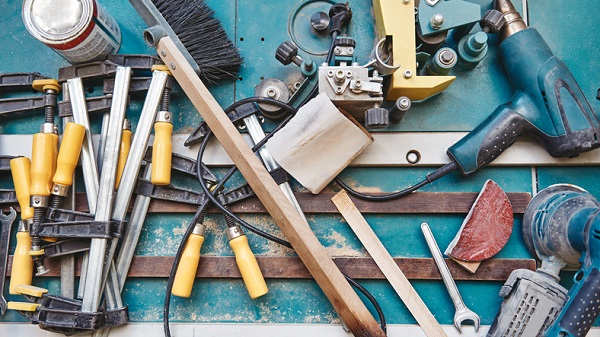
As you may already know, there are many elements involved in the business of cabinetmaking. You might work in a commercial setting, for a custom furniture maker or within a construction firm. Whatever the work setting is, you must be able to manage the small tasks that help you reach your main goal of making well-crafted woodworks.
If you are self-employed it will become even more important to know how to juggle tasks. You may have to set aside time to communicate with clients about future jobs, update them on current work, and invoice for completed pieces.
In any case, the need to multi-task or manage multiple jobs means that your work is in demand and that is a good thing. On top of having a positive attitude, here are a few suggestions to help you along the way.
Make Checklists
If you have done cabinet making training you will be familiar with reading blueprints, creating designs and making material lists for projects. Checklists play a similar role to these things whether you are doing one job or multiple jobs. They are a helpful way to break down a project and have been proven to reduce errors and increase productivity.

Checklists will also make sure that you provide consistent and reliable service to each client or for each job. This will put you in good standing to be recommended for more work. Also, writing a checklist will help you devise a plan by creating a work sequence or separating a job into several smaller tasks. This will keep you organized and encourage productivity by giving you a sense of accomplishment as you progress through each work day.
Know Your Limits
It is important to have a realistic idea of how much work you can do in a day, week or month. There will be an amount that you can do that will be optimal for productivity and work-life balance. Knowing your limits is also a matter of safety. You do not want to be stressed out or overtired when you are working with machinery and doing precision woodwork.
Understanding how much work you are able to accomplish in a given amount of time will also help you guarantee that your work is of the highest quality. After all, you will want to prioritize applying the skills you worked hard to develop in cabinetmaking school for each project you do.
Use The Skills from Cabinetmaking Training to Focus
If you are thinking of becoming a cabinetmaker it is likely you are creative and detail oriented. In order to maintain a high level of detailed work, it is necessary to be able to focus. Of course, your capacity to focus will be greater if you have already engaged with the other strategies mentioned above.
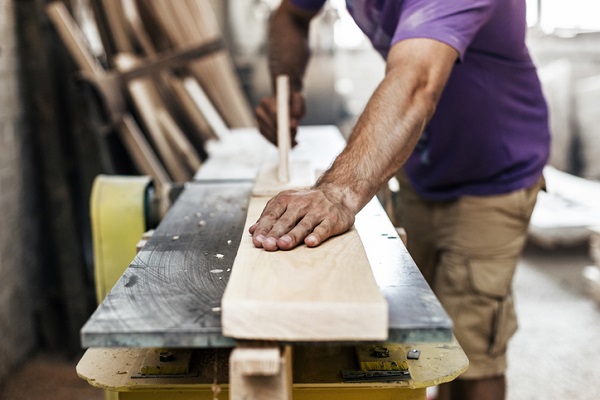
The last thing you want is to be thinking about the materials for one project while you measure and cut pieces for another project. This can lead to mistakes or lower quality work. Juggling multiple tasks means that you are able to focus on the current task because you have set up a realistic plan to get your work done. Paying attention to the work in front of you will also let you enjoy the craft and your own creativity.
Do you think cabinetmaking training is right for you?
Contact North American Trade Schools for more information.
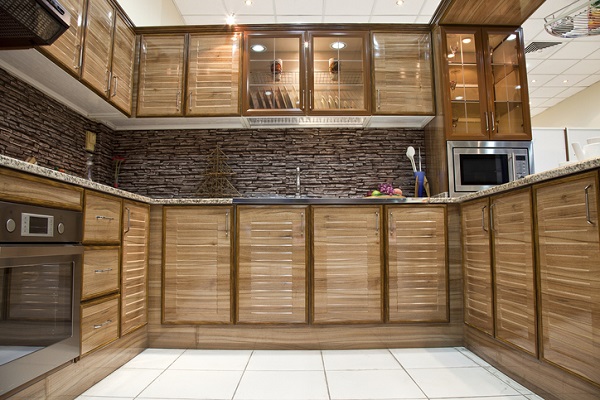
Cabinetmaking is a traditional craft, but with training and experience you will discover there is a lot of opportunity for your creativity to flourish within it. Making kitchen cabinets is one of the many ways to blend technical skills, knowledge, and personality into your cabinetmaking work.
The kitchen is one of the most versatile rooms in the house. Of course, people cook, but they also socialize, host dinners, and spend quality time with their family and friends in the kitchen. For many it is the room in the house that will be the most worn and torn.
That’s why there is a lot to think through before you start making cabinets to fit into the life of a kitchen. Here are a few tips to get started.
1. Manage Your Time and Client Expectations
After cabinetmaking school you will have a lot of opportunities to work with clients in different situations. It is always important to manage your time so that your clients know what to expect and when, but even more so if your clients are waiting to get back into their kitchen.
Discuss your plan with the client and ask lots of questions. How do they use the space? What do their dream cabinets look like? Are they looking to increase the value of their home in order to sell it in the near future? Answering these questions will help you devise a solid plan and an accurate estimate for your client so they know what to expect in terms of budget and time.
2. Use Your Cabinetmaking Training to Choose the Right Materials
An important aspect of the cabinetmaking trade is knowing how to identify and choose the right materials. Kitchen cabinet doors are sometimes made from laminate, which is a less expensive option, but it is likely you will be deciding between medium dense fiberboard (MDF), wood and plywood cabinets.
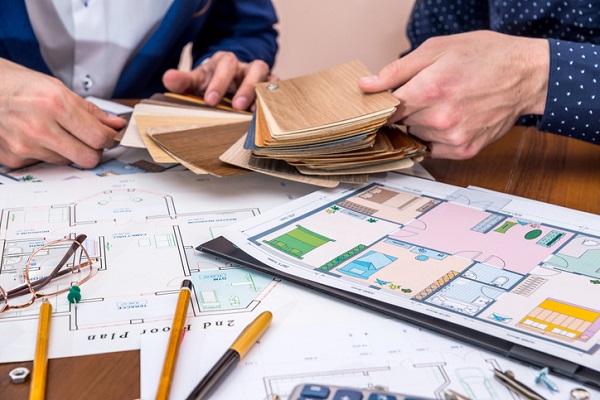
While this decision may be made by the client, with your cabinetmaking training you should be ready to give advice on their options. For example, if a client wants a stained wood look, then MDF should be avoided. But if they want to paint the cabinets a certain colour, MDF is likely the best choice. If there are any large doors in your cabinet design, it may be worthwhile to consider plywood, which is lighter and costs less than woods like maple.
Another set of choices to talk to clients about will be hardware and whether or not the cabinets will include things like a ‘Lazy Suzan’ or pantry pullouts. In all cases, make sure the hardware is durable because these are the moving parts that help keep a kitchen functional.
3. Plan an Efficient Installation
Before ordering materials take detailed notes of where things like plumbing, electrical outlets, and appliances are. Planning is essential to an efficient installation and there are cabinet making courses that include how to read blueprints and building layouts taught by experienced professional instructors.
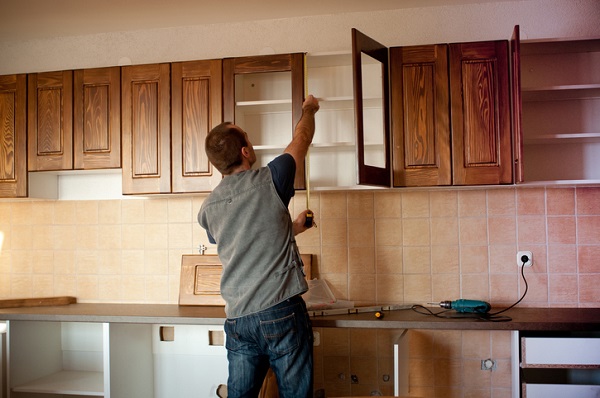
In addition to the cabinet materials and hardware, make a plan for gaps. Walls are not always straight and floors are not always level so cabinet filler pieces or shims will come in handy. When you are ready to install, start high with the wall cabinets then move to the floor cabinets. By using a bench march and those filler pieces to keep everything on the level, you will be done in no time.
Want to learn more about cabinetmaking school?
Contact North American Trades School for more information!