Category: Construction Maintenance Electrician
Considering Electrician Training? 5 Benefits of Being Your Own Boss
June 08, 2021



After completing their training and gaining a few years of experience, many electricians choose to open their own business. While starting your own business comes with its own set of challenges and hard work, there’s a reason that so many electricians choose to take on this endeavour. Opening your own electrician business can be extremely rewarding, and nothing beats being your own boss.
If you’re considering whether it’s worth it to start your own electrician business, read on to discover five benefits of this exciting venture.
1. If You Start Your Own Business After Electrician School, You’ll Have More Independence
While working for another contractor can offer stability, owning your own electrician business offers an appealing level of freedom. You can choose what jobs you take, and you’ll be in charge of making your own decisions about a project based on your personal assessment. When you open your own business after electrician training, you’ll also be able to decide which services to specialize in. Not only does this level of independence offer you more freedom throughout your career, it also allows you to define your approach to business on your own terms.

2. When You’re Your Own Boss, You Have More Flexibility
It’s often difficult to find a work-life balance throughout your career. For many electricians employed by a company, their schedule is dictated by the demands of their superiors, giving them less flexibility in their day-to-day lives. Opening your own electrician business allows you to make your own schedule, giving you the opportunity to take time off when you need it and leading to more flexibility. Only want to work four days a week? Starting your own electrician business gives you the option to structure a schedule that allows for it.
3. You’ll Potentially Have the Opportunity to Earn More
While most electricians can’t complain about their salary, there are limits to what an electrician can make by doing contracted work. If you decide to start your own business after electrician school, you’ll be able to enhance your own success by setting your own prices. As your business grows, you’ll see the financial rewards increase too.

4. You Have the Freedom to Innovate
After gaining some experience as an electrician, it’s likely that you’ll notice a few processes and procedures which could be improved upon. Although you might not have the opportunity to make beneficial changes to a company’s policies while doing contracted work, opening your own electrician business allows you the freedom to innovate. You can set your business’ goals, develop your own working standards, and create a system that suits you and your clients’ needs.
5. You’ll Be Directly Impacting People’s Lives with Your Business
Everyone requires the services of an electrician at some point in time. There’s nothing better than the feeling of a job well done, and the look on your clients’ faces when they see the results of the work you’ve completed for them. Additionally, you’ll be able to employ other electricians, making a difference in their lives by providing them with a great job.
Ready to enroll in electrician college?
Launch your career with a program at the North American Trade Schools today!
5 Tips for Improving On-Site Safety for Professionals in Construction Careers
May 04, 2021

At any construction site, it’s important to take the proper precautions to avoid accidents at all times–especially when dealing with electricity. Electrical safety is one of the primary safety concerns within a construction site due to the risks electricity poses. If you’re considering a career as a construction and maintenance electrician, read on to discover five different ways to improve on-site safety during your career.
1. Those in Construction Careers Should Wear Personal Protective Equipment
Wearing personal protective equipment is the most important step that individuals can take to ensure their safety when working on a construction site. Within an area of electrical work, those in construction careers should wear footwear and gloves. When working in the vicinity of electrical wiring, a worker’s personal protective equipment should also include fire-resistant helmets and face shields in order to provide defense against potential shocks. While the level of protection depends on the amount of electricity a worker is exposed to, suiting up in proper personal protective equipment is always necessary when working on any construction site.

2. Choose the Right Testing Equipment
When working with electricity, using high-quality testing equipment is essential in order to assess the risk involved in any operation. Testing equipment, such as: receptacle testers, voltage detectors, and clamp metres, should be used in order to check wiring. This is to determine whether it’s grounded, dead, or requires safety gear. Using testing equipment is essential in preventing potential electrical accidents.
3. Use Circuit Breakers and Voltage Regulators to Avoid Electrical Issues
Accidents can happen despite taking preventative measures. If you’re seeking a career in construction, it’s important to be able to manage a potential crisis in order to prevent further damage. The best way to respond to emergencies is to use voltage regulators and circuit breakers. These devices will regulate power and protect against equipment damage in the event of a short circuit, a power surge, or another problem.

4. Determine Electrical Hazards Through Proper Signage
On a construction site, a lack of awareness of potential electrical hazards may lead to electrical accidents. Project management software can be used to identify and track electrical hazards as they arise throughout the construction process. After the identification process, proper signage should be used to inform workers where electrical hazards are located within a construction site. Signage should include easy-to-read illustrations and language in order to ensure that all workers can understand the present risks. Utilizing proper signage throughout a construction site will improve safety and reduce the danger that on-site workers are exposed to.
5. Never Work in Wet Conditions
Anyone familiar with electricity knows that when water comes into contact with electrical equipment and infrastructure, the risk of electrocution increases. With this in mind, all electrical equipment should be protected against possible exposure to water in a construction site. If water does infiltrate the site’s electrical infrastructure, shutting off the power supply immediately is the best way to prevent an accident.
Following safety protocols can prevent accidents and save lives. In order to ensure the safety of all workers within a construction site, it’s important to incorporate these tips into an electrical safety plan and strictly implement them in practice.
Ready to attend construction college?
Launch your career with a program at the North American Trade Schools today!
If You’re Considering Electrician Training, Here’s How Moisture Can Affect Residential Wiring
February 23, 2021
 Water damage is a common occurrence in residential buildings. In addition to being an inconvenience, water damage can also be a serious safety hazard. When combined, water and electricity can be an extremely dangerous pair — sometimes even deadly. There are many different kinds of moisture that can cause damage to the residential wiring systems in a home or business, with varying degrees of severity depending on the form of moisture and the method of intrusion.
If you’re thinking about becoming an electrician, it’s important to be able to recognize the signs of moisture damage in order to address potential threats to the safety of a building’s inhabitants and the integrity of its wiring system. Here’s what future electricians should know about the effects of water damage on residential wiring systems.
A Look at Wiring’s Ability to Withstand Moisture for Those with Electrician Training
Most residences contain cables and wiring with different levels of insulation, depending on where they are located. Water exposure can have a varied effect on electrical wiring systems depending on their make and insulation type, as well as the amount of exposure. Wiring systems may consist of bare conductors, such as copper grounding wires, or conductors insulated with nonconductive material such as plastic or vinyl.
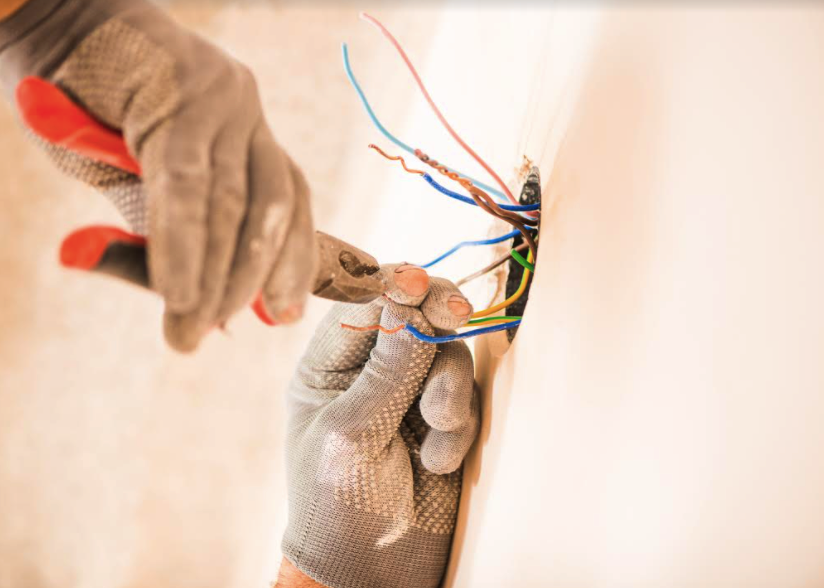
Professionals with electrician training can identify the level of insulation on a conductor by looking at the wire coding. If there’s a “W” in the coding, this means that a wire is suitable to withstand conditions of moisture. Some cables, such as UF-B cables, are manufactured specifically to withstand wet or damp conditions, protecting conductors in water-proof plastic vinyl. However, residences are commonly equipped with plastic-coated Romex cables–consisting of copper ground wire coated with paper and wrapped in neutral and live wires. This wiring is typically unable to withstand exposure to moisture due to its lower level of insulation.
How Moisture Can Harm Residential Wiring
Whenever water penetrates through the walls of a structure, whether in a liquid, frozen, vaporized or condensed form, moisture damage can occur to the residential wiring systems. Within indoor structures, many electrical components are not designed to withstand contact with water, and it’s important that electricians are familiar with elements vulnerable to water damage. Common causes of water damage in residences include burst pipes, leakage and flooding. Excessive moisture resulting from conditions such as a humid environment can also be a catalyst for milder cases of damage.

The most common effects of moisture on wiring include corrosion and mold growth. Over time, corrosion can lead to gradual deterioration of wiring components–leaving systems vulnerable to power loss or further damage. Interior electrical components are typically made more vulnerable to water contact due to the fact that they are often only protected by enamel, which is not effective in preventing water damage. As a result, moisture can cause mountings, conductors, or metal connectors to corrode. Additionally, moisture can increase the current of electrical circuits, leading to overheating and increasing the risk of a fire, or resulting in a blown fuse. When a fuse is blown, short circuiting will occur in the electrical system.
What to Do When Electrical Water Damage Occurs
For those who want to become a construction electrician, it’s important to know what to do in the case of potential water damage to a residential wiring system. If water damage is detected within a structure, it’s important to cut off electrical supply at a residence’s fuse box before inspecting any electrical circuits. Failing to do so could result in shock exposure. In the case of moisture damage, all vulnerable components should be inspected to check for areas of corrosion or mold growth. Depending on the extent of the damage, the affected area can be cut out — but it’s also possible that a new set of wiring will be required. The surrounding area should then be further insulated from moisture to protect against future harm.
In the event of flooding, all cable or wiring products that have been submerged in or exposed to floodwater should be inspected thoroughly to determine whether they can still be used. Floodwater can contain additional contaminants which can be harmful to electrical systems. With this in mind, electricians should be sure to check for foreign elements, as these can interfere with a wiring system’s ability to function.
Ready to enroll in electrician college?
Explore the North American Trade Schools’ program options today.

When smartphones hit the market, everyone seemed to want one. Now more and more people are also upgrading their houses to become smart homes–intrigued by the idea of home automation for an easier and more efficient lifestyle. If you’re interested in electrical wiring, this is a trend you might encounter. These setups can include anything from lighting and temperature automation to security and entertainment systems.
Here’s a quick overview of some key facts about smart home development.
1. Many Start Home Automation With Smart Plugs or Switches
Installing smart plugs or switches is a good way to start the home automation process. Smart plugs allow homeowners to control their smart devices using their phones—or even their voice, if smart speakers are around. Smart switches enable them to control the lighting system much more efficiently. The rise of smart devices makes this an important step, with the wiring process for both switches and plugs being fairly similar.
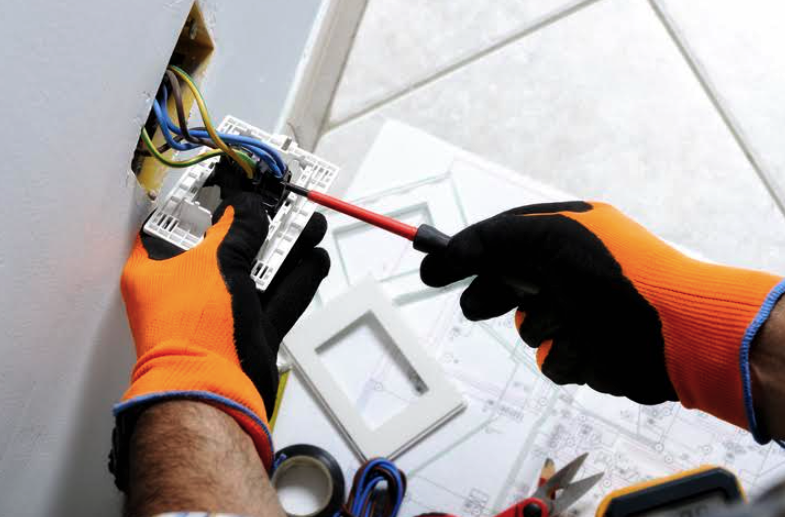
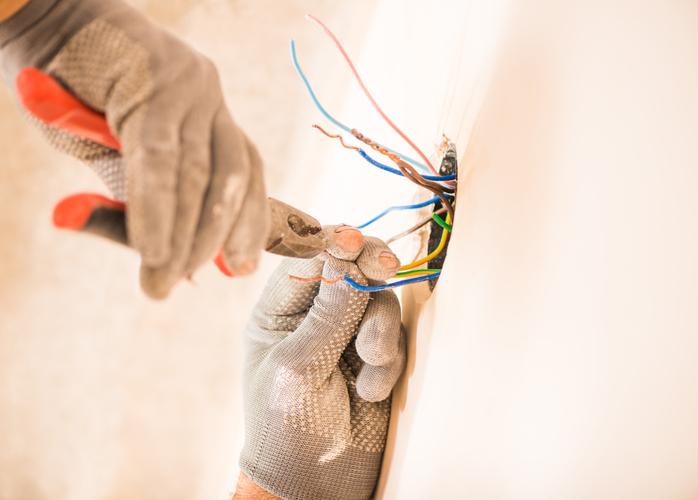
As an electrician, you’ll first unscrew the wall plate and begin disconnecting wires. It’s a good idea to identify all the wires involved—checking for line and load wires as well as neutral wires. Once everything is properly identified and connected, the homeowner can begin integrating smart applications seamlessly into their home. If you want to become a construction electrician, then you might also be looking to install deep junction boxes (where wires meet) during construction as well as in-wall remote control panels to influence lighting groups for a more complex lighting setup.
2. Home Temperatures Can Be Automated by Wiring Smart Doors and Windows
In addition to being convenient, automated doors and windows can help manage a home’s temperature during summer and winter. Smart doors can include automated garage and sliding doors–both of which can be programmed to open at a scheduled time. They can also be wired with extra sensors that indicate security risks (such as unlocked or open doors).
Smart windows can operate in the same way. They can be programmed to open or close depending on room temperature. This can be helpful to homeowners who want easier temperature regulation. As a construction electrician, you might also be interested in wiring a smart thermostat, which should be done carefully as it affects the HVAC system. Smart thermostats can give useful energy reports and control temperatures in different rooms. They also provide other features that could make smart homes a compelling option for homeowners.

3. Those With Electrician Training Can Help Homeowners Set Up Smart Security
Home alarm systems are a big part of smart home security. Both wired and wireless systems can be used to monitor homes, detect intrusions, and even send notifications directly to an individual’s phone. Wired home security systems are permanent, while wireless systems offer more flexibility and can be easily moved around. This makes the option convenient for homeowners who frequently modify their living space. After your electrician training, you can install home security systems–linking them to motion detectors and security cameras. A wireless setup can be easily hooked into the Wi-Fi network, but wired home security requires a central control panel and some hands-on electrical wiring skills.
The opportunities for smart home development are endless, with options to add smart smoke detectors, video doorbells, and much more.
Do you want to have an electrician career in construction?
Contact NATS for more information!
Trends to Watch in 2021 for Those With Construction Careers
December 29, 2020

Within the construction industry, businesses are often looking to adopt trends that will cut costs and improve the way that business, and construction itself, is done. Advancements in technology could have a huge impact on the future of the construction industry. In 2020, the COVID-19 pandemic proved that adapting and innovating–while utilizing available technologies–was essential to continuing operations throughout the many disruptions that construction companies and employees saw.
These four rising trends highlight how the construction industry is changing and innovating–as it gives us a sneak peek into what to expect in 2021.
Those in Construction Careers Will Want to Watch for 3D Printing
3D printing is a technology that’s already being used in the construction industry to make custom projects more affordable, as well as to help complete projects at a faster rate. 3D printing is typically used to aid larger projects by building certain smaller components to fit into them. The capacities of 3D printing are still being explored, but those with a career in construction should look for this technology in 2021.
The Use of Big Data
There’s a lot of potential for the construction industry when it comes to big data. Big data is a great tool for construction companies to use to determine and analyze risk. The use of big data allows construction companies to apply algorithms to construction data, sizing a project up against market and material trends, as well as the weather. Construction companies can better manage risk with big data, as they’ll be better informed about the correct amount of resources to use. This will be better equipped for potential losses. The use of big data for risk management increased in 2020, and so there’s a good chance that it’ll continue in 2021.
Prefabricated Buildings and Modular Construction
In an era where separate space is increasingly necessary, prefabricated buildings and modular construction have come to flourish. More and more businesses are requiring temporary solutions to the social-distancing requirements and strains which have been imposed by the COVID-19 pandemic. Hospitals need extra rooms, businesses need extra offices, and homeowners might just need another space where they can work from home or decompress. Modular construction and prefabricated buildings are a great option for temporary, efficient, and affordable expansion. This is certainly a trend that could stick with the construction industry, keeping those in construction careers busy.

The Use of Design Technology
Building Information Modeling (BIM), or what contractors sometimes call Virtual Design and Construction (VDC), is on the rise as a means of virtually designing and constructing a building before it is physically built. It allows professionals to see how a building would hold up when constructed, making note of potential pitfalls, budgetary excesses, and more. The increasing use of this technology is helping professionals keep construction costs down and save time. By using BIM, designers are also able to think bigger and bolder in terms of the structures they create. For these reasons, it’s safe to say that the use of these helpful design technologies could continue to expand in 2021.
Are you ready to see these trends in action?
Enroll in construction college at the North American Trade School today.
3 Challenges to Expect After Electrician College, and How to Tackle Them
December 22, 2020

The job of an electrician isn’t easy. Electrical problems are a common occurrence in all kinds of structural installations, requiring anything from a simple fix to a complex solution. If not addressed, electrical issues can lead to electrical shocks, fires, or other unsafe conditions. Electricians are vital when it comes to solving electrical problems as they occur, and knowing how to fix common problems safely is essential to a job well done. Most electrical issues are caused by low-quality parts, a lack of regular maintenance, or failure to comply with codes and regulations. Fortunately, all of these problems can be fixed by a qualified electrician. If you want to become an electrician, then you’ll want to be aware of these three common challenges that electricians often face on the job, and how to handle them.
Those With Electrician Training Should Look Out for Overcrowded Electric Control Panels
Disregarding electrical codes and regulations when putting electrical systems and circuits in place can seriously increase the chances of encountering an electrical problem down the road. Once called in, a qualified electrician should be able to identify and address the problem. One common reason an electrician will be called to the scene is when a breaker or fuse is regularly tripping or blowing. A professional with electrician training will be able to identify the cause of this. Often, the cause can be an overcrowded electric control panel. Too many circuits, breakers, and wires on one control panel can cause overloading, leading to the overheating of components attached to the panel and issues with the fuse and breaker. If left unattended, overloading can cause fires. Electricians can solve this problem by switching to a panel of a larger size, and ensuring that the total load is not above the rating of the breaker or fuse. By being familiar with electrical codes and regulations, this problem can be mitigated.
Haphazard Wiring Methods
If you want to become a construction electrician, one of the main difficulties you’ll encounter throughout your career is incorrect wiring practices. Incorrect wiring practices can be identified by checking power outlets. If they are warm or emitting a burning smell, this is often a sign of faulty wiring. If the wires’ conductors are the wrong size or incorrect connections are used, this can leave wires exposed, causing the insulation to deteriorate and the wires to melt. When exposed wires come in contact with flammable or combustible material, outlets can become warm or emit a burning smell. Electricians can often fix this problem by replacing the conductor with one that is the right size for the wires.
Unsecured Connections
Loose connections refer to an electrical connection that isn’t tight enough, which can cause a buildup of heat and can increase the risk of an electrical fire. A common sign of a loose connection is the frequent flickering or burning out of light bulbs, and can even manifest in a smoke detector going off when it shouldn’t. If the frequency of this occurring is unusual, electricians may suspect that a loose connection is causing the issue rather than the light bulb itself. Loose connections can cause lasting detriment to electrical appliances and can even cause electrical fires. Electricians can solve this issue by cleaning the loose conductors and tightening the connection in concern.
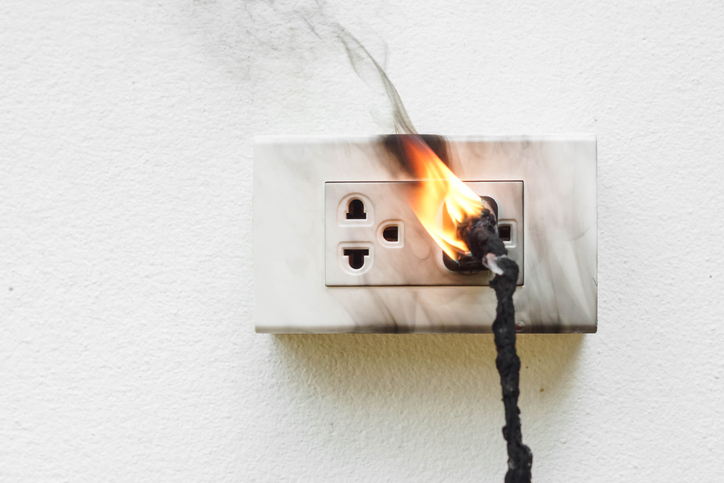
These are just some of the many problems electricians may face during a day’s work, and it’s important to be knowledgeable about the potential issues that can occur on the job in order to safely and effectively solve the problem.
Are you thinking about attending electrician college?
The North American Trade School has the program for you. Start exploring today!
4 Common Residential Electrical Flaws Examined for Those Who Want to Become An Electrician
December 02, 2020
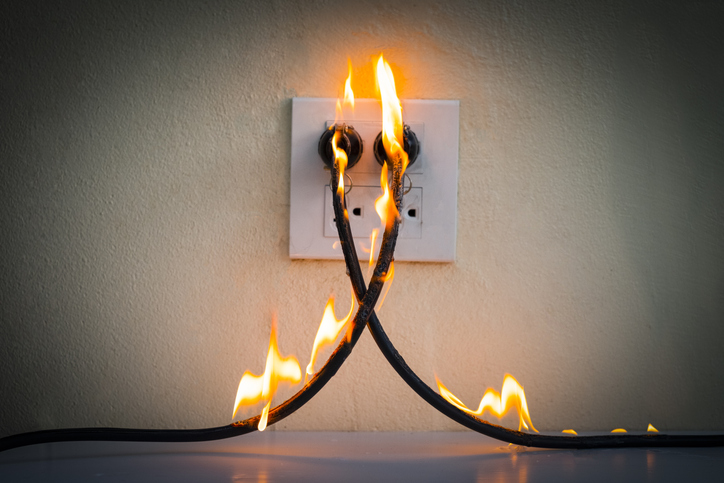 Electricians called into homes to work on a specific problem have often reported discovering additional electrical issues, some of them potentially hazardous. Many electrical issues in the home are caused by work done by unqualified people, or by homeowners trying to save a few bucks with DIY home reno jobs. Electrical defects are also frequently found in older homes, where outdated fuse boxes, outlets, and wiring are often ill-equipped to supply the power demands of the many modern electrical devices used in the average household of today.
While some of these problems may appear to have harmless symptoms, many of them left unattended have the potential to cause tragic house fires or electrocutions. With that in mind, here are a few of the most common—and potentially hazardous—electrical flaws pros should look out for in people’s homes.
1. Plugs Fitting Loosely in Receptacles
Many homeowners may have noticed an outlet or two in the home where the prongs of electrical devices don’t seem to fit as firmly as they should. This problem is usually caused by the contacts of the outlet receptacle becoming worn over time, causing the plug to sit loosely in the outlet, with the metal prongs of the plug often partially exposed.
Electricity will usually still flow in this circumstance, posing a high fire risk due to loose contacts causing electrical arcing. Any flammable object near the compromised outlet is at risk of igniting, such as bed skirts, curtains, or even an accumulation of dust. While the fire risk is high in this circumstance, the repair work is simple, requiring a quick, low-cost receptacle replacement.
2. An Absence of GFCIs
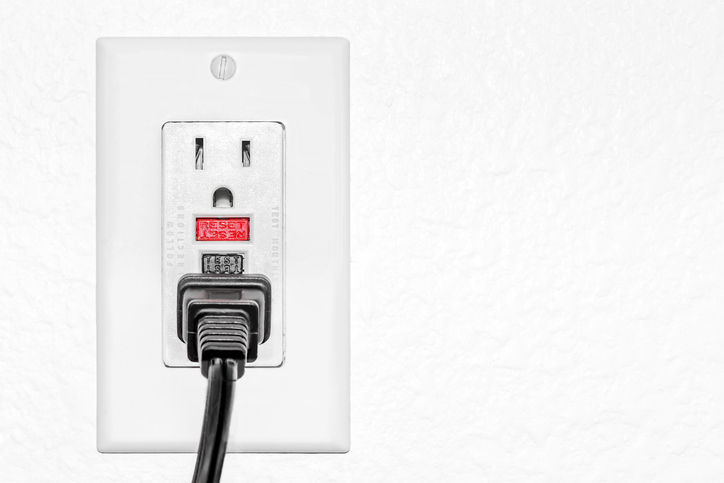
Ground fault circuit interrupters (GFCIs) are built-in outlet fixtures designed to prevent hazardous electrical shocks. A person with electrician training should be aware of this design, which is usually found in wet regions of the home where electrocution is more likely, such as bathrooms, the kitchen sink area, and outdoor connections. On an inspection, the electrician should look out for GFCIs in these areas of the home, and recommend replacements to older outlet coverings for optimized safety.
3. Overlamping
Even students of electrician school may have at one time or another made the common homeowner error of using a lightbulb with higher wattage than a light fixture is designed to accommodate. It may seem like a small problem, but the mistake rates as a fire risk due to the extreme overheating that will eventually scorch the light socket.

Not only is the socket at risk of melting, but the heat can also burn its way through the fixture’s wires, causing the arcing phenomenon that’s usually at the root of so many electrical fires in the home. Even if the homeowner is lucky enough to avoid a fire from a longer period of overlamping, the light fixture will usually be permanently damaged. To prevent all risk, homeowners should be advised to always ensure they’re using a bulb with the recommended level of wattage limits labeled on the light fixture.
4. Ungrounded Connections
Students of electrician school will need to understand the concept of grounding, which is a safety feature design added to electrical appliances, devices, and outlets to safely discharge an excess of electricity in the event of a wiring defect. If currents escape from the safety of the wiring unit in such defects, connections without a grounding system leave those loose currents at risk of flowing through nearby objects instead. This poses a damage risk to the device in question, and an electrocution risk to the person using it. As a standard safety measure, electricians should highly advise any homeowner with insufficient grounding connections and wiring to invest in an updated installation.
Are you interested in taking professional training to become an electrician?
Contact North American Trade Schools today for more information on its specialized program!
5 Facts About Residential Wiring for Those Interested in Electrical Training
September 29, 2020

If you’re considering becoming an electrician, you might be surprised by the variety of standards and regulations set in place for wiring systems in residences such as homes and cottages. Homes contain a variety of appliances and safety features which require electrical wiring. Hydro One, Ontario’s electricity provider, has a number of specifications in place for how they are to be installed within the home.
Here are five things to consider with regards to residential wiring.
Wiring Sizes May Be Different for Residences
For residences, common wire sizes may be different from other types of buildings. The American Wire Gauge Number (AWG) serves as the standard measurement of a wire’s diameter. Residences typically use four kinds of AWG wire sizes, with different amp circuit numbers for each: 8 (40 amp circuits), 10 (30), 12 (20), and 14 (15). The No. 8 AWG is often used for loads like electric ranges. No. 10 is used for loads needing electricity, such as dryers and electric water heaters. No. 12 serves loads like kitchen counter receptacles (e.g. appliances like microwaves). And No. 14 works best with loads such as lights (eg. lamps), switches, smaller appliances, and receptacles. Electrical box sizes may also vary, but this depends on several factors. These include the mounting of switches or receptacles, how many wire conductors are present, how many are in use, and the conductors’ sizes.
Many Different Appliances Require Electrical Installation in a Home
The home has a variety of appliances which have different electrical installation needs. The oven, refrigerator, dishwasher, counter spaces, built-in microwave ovens (and possibly more) all require consideration when planning for residential wiring. These appliances typically require their own, separate receptacle, from an entirely different circuit. As those with electrician training may know, any receptacle with 15 to 20 amp circuits must not only be marked, but tamper-resistant. This is because inserting any conductive object that is not a plug into the receptacle can cause electric shock. However, Hydro regulations state that, if a stationary appliance’s receptacle is a minimum of two metres above ground and/or out of reach, tamper resistance is not necessary. Prior to installation, be sure to mark on your floor plan where these appliances—and their corresponding receptacles—are located.
Different Rooms Within the Home Require Different Wiring Configurations
If you’ve completed maintenance electrician training, you will need to follow many requirements when working on residential homes. Hydro One has a set of requirements for each room in the house to ensure safe living conditions for residents. For one, each room must be equipped with a light controlled by a light switch. Two lights controlled by a three-way wall switch—one for the bottom and the top each—is required for any stairway containing a minimum of four stairs. Keep in mind that, on any two-wire branch circuit, 12 outlets are allowed at maximum. This includes receptacles and lights. Range receptacles must also be installed in the home with their receptacles marked on the floor plan.
Those With Electrician Training Should Plan to Install Smoke Alarms
Smoke alarms are an important and necessary safety feature for homes. They are required to be installed on each of the home’s floors, and a battery backup should also be present. Additionally, there should be one in each bedroom and an additional alarm in hallways attached to them. These smoke alarms must all be interconnected and should operate at 120 volts. Either a branch circuit with a receptacle/lightning combination or an unswitched lighting branch circuit can be used for these alarms.
Service Size May Depend on the Requirements of the Home
Typically, homes should have a distribution panel containing 24 circuits, and a service size of at least 100 amps. When calculating the service size, take into account the kilowatt demand. There are multiple factors which help to determine this, such as electric heating, the area of the floor, and appliances, among other loads that may be present. Although the service size should be larger if a home requires greater amounts of heating, most homes with a minimum 100-amp service size should be able to maintain both their typical electrical loads and electrical heating of up to 10 kW.
Do you want to become a construction electrician?
Check out North American Trade Schools’ programs today!
The Most Sustainable Construction Materials for Those in Construction School
September 08, 2020

Plenty of work has been done over the last few years to make the construction of necessary buildings more sustainable. That includes taking a look at the construction materials themselves. There are different definitions of sustainability in terms of construction materials. It could refer to products that are locally sourced, how resilient a product is, or how much energy it takes to produce it.
Some professionals are looking at material sustainability as a concept that considers all the energy required to extract a material, produce it, and transport it. They also look at its appropriateness for the environment, the rate at which it degrades, and how often it needs to be replaced. Some construction professionals are also moving towards sustainability by incorporating recycled materials. Read on for a few examples of sustainable materials!
Bamboo Could Dominate the Construction Trades
Bamboo is a construction material with a lot of potential. It can be used in walls, flooring, or furniture, and its benefit is that it is extremely durable and strong. It has a greater compressive strength than even bricks or concrete. Its high strength-to-weight ratio means that it is relatively lightweight and takes less energy to transport than many other materials.

Bamboo is a perennial grass and can be found on several continents. Currently, it is mostly grown in South America and Asia. As a grass, its extremely quick rate of self-generation helps its sustainability. It continues to spread and grow without the need to replant it after harvesting it. Professionals with a career in construction should be aware of one potential downside to using bamboo: it requires treatment to make it resistant to insects and rotting.
Sheep’s Wool Is A Natural Construction Material
Sheep’s wool is a material that has been used for all kinds of things for hundreds of years. These days, it can still be beneficial for the construction industry. Sheep’s wool is naturally insulating. And, while it’ll still need extra treatment to make it properly safe with regards to fire risks, it is a material with a naturally high ignition temperature. As a result, it can be an energy-efficient insulator used in walls, ceilings, and attics.
One of the sustainable benefits of sheep’s wool is that it has similar properties to mineral wool or glass wool but requires less energy to produce. It is, of course, naturally regenerating. One of the potential downsides to using this material is that it requires treatment to prevent the infiltration of insects and fungi.
Cork Doesn’t Have a Significant Environmental Impact
Cork comes from the tree bark of the cork oak. After construction school, professionals can use this material as flooring or sub-flooring. It’s very flexible and resilient, a good thermal insulator, and efficient at absorbing noises and shocks, making it an effective construction material.

The benefit of this material is that it’s sourced entirely from natural sources. The cork oak will continue to grow and reproduce the material after it is extracted from it, making it a sustainable resource to use within the construction industry.
Do you want to make your entry into the construction trades?
Contact North American Trade Schools for more information!
Considering Pre-Apprentice Maintenance Electrician Training? Here’s a Day in the Life of an Electrical Technician
July 21, 2020
Heading out on any new career path, it’s normal to have a level of curiosity about where that path will lead. You might wonder about what your responsibilities will be, or what kinds of environments you can expect to work in, or have other important questions as you look forward to your coming future.
If you find yourself in this situation while considering a construction and maintenance electrician pre-apprenticeship program, take a look at this quick guide to a day in the life of an electrical technician. It should give you some decent answers to many of the common questions regarding this career path, and get you excited for your future.
Pros With Pre-Apprentice Maintenance Electrician Training Use Diagnostic Tools to Find Problems
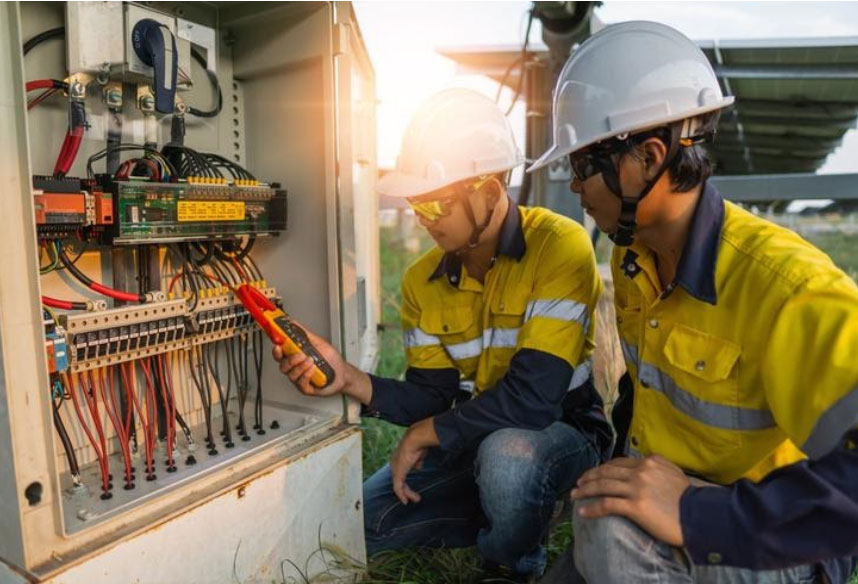
As much as modern electronic technology offers many benefits, it also has this habit of breaking down in a way where the problem isn’t obvious. This means electrical technicians often spend a part of their day using diagnostic tools to try and locate where the problem lies in a faulty machine or electrical setup, so that it can later be fixed.
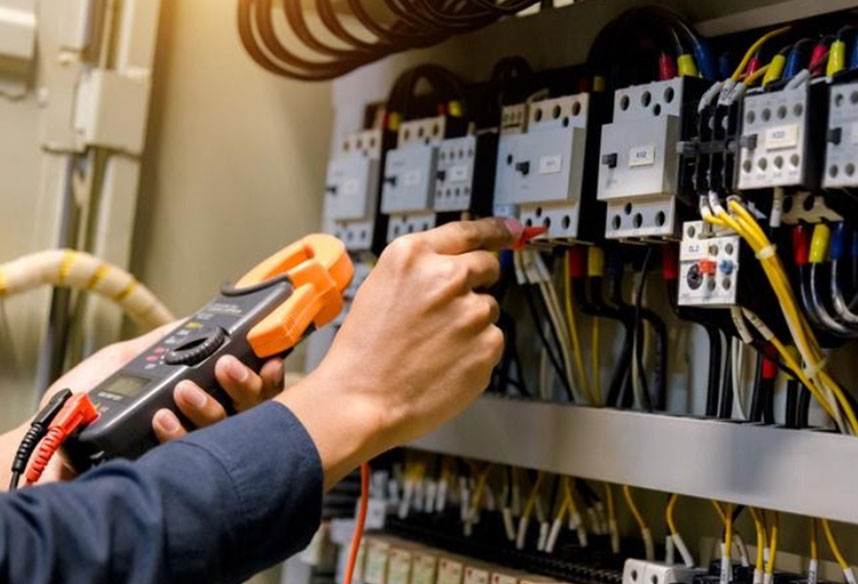
A couple examples of tools commonly used in this work include: voltage testers, which verify whether voltage is present in wires, outlets, switches, or other electrical components. Another tool is circuit breaker finders, which identify which breaker controls an outlet. Several variants on these tools also exist, with each having slightly different capabilities and applications. You will get to learn about many of these different instruments, and how to correctly use them, when you begin your pre-apprentice maintenance electrician training
Electrical Technicians May Do Repair or Maintenance Work on Electrical Systems
Once a problem has been identified within an electrical system, electrical technicians are frequently the ones called upon to fix it. The scope of this work can be quite wide, with many interesting challenges for qualified professionals to tackle.
After your pre-apprenticeship program, your electrician career in construction could involve everything from fixing or replacing light fixtures, to redoing faulty wiring, maintaining, or repairing motors in equipment, and many other interesting tasks.
Needless to say, there’s a lot of skill that goes into performing these tasks well, not the least of which is knowing how to complete the work safely. Attending a pre-apprenticeship program like the one at North American Trade Schools will give you the opportunity to learn repair and maintenance techniques hands-on. This can help ensure that by the time you enter the workforce, you know exactly how to keep yourself and others safe when working with electrical equipment and components. It’s a foundational skill that offers benefits to last a lifetime.
You May Have to Perform Inspections as a Maintenance Electrician
One of the most important parts of many electrical technicians’ days is performing inspections of electrical equipment and systems to ensure they are working as they are meant to. Any deficiencies that are noticed in the process of these inspections are typically noted down, and likely lead to diagnostic and repair work later on.
Inspections of this nature are critical. They might mean the difference between catching a problem early on, versus being confronted with an unexpected breakdown or scrambling to get it fixed. In Ontario, electrical inspections are mandatory for renovations, new construction, and in many industrial and business settings. This means there is no shortage of this type of work out there.
Want to get your electrician diploma?
Contact North American Trade Schools for more information about how to become a construction electrician by enrolling in a pre-apprenticeship program!