Category: HVAC




For an aspiring technician in the HVAC industry, the first step to securing a job is acing your job interview. A job interview is your chance to make a positive first impression and demonstrate to a potential employer your professionalism and your suitability for the position.
At NATS, you’ll receive pre-apprenticeship hands-on training in gas and propane heating systems, ventilation and air cooling equipment. The training you receive allows you to launch a successful career upon completion. But to make the most of that training, you’ll also need to know how to impress at a job interview. Read on to familiarize yourself with some of the top interview mistakes to avoid!
Arriving Late to Your HVAC Technician Job Interview
If you arrive late for your interview, it could set a bad first impression that can lower your chances of getting hired. Showing up late could signify to an employer that time management may be an issue. If you have that listed as a skill on your resume, it could hurt your credibility. If you arrive late, your interviewer could assume that you don’t value the HVAC Technician job position or the interviewer’s time. To avoid giving off this impression, make sure that you arrive on time or even better, ten minutes early. In doing so, you can avoid running into unforeseen circumstances that may delay your arrival. At the same time, you will demonstrate your reliability as a worker with excellent time management skills.
Dressing Inappropriately
No matter what position you’re applying for after you complete your HVAC technician courses, you always have to dress appropriately for your interview. If you go to an interview wearing an outfit that is too casual, you’re reducing your chances of making a great first impression. When in doubt, go for a smart-casual look.
Your interviewer might also want you to demonstrate your technical skills in HVAC by getting your hands dirty. In that case, make sure you have an additional outfit with you for the technical part of that interview.

Not Preparing for the Interview
Before you attend an interview, it’s always a good idea to prepare for it ahead of time. While preparing, think of the questions your interviewer might ask you about your work experience, education, hands-on training and the skill set that you will bring to the HVAC position.

Your interviewer will likely assess your communications skills, decision-making process, and problem-solving abilities. With another preparation, you’ll be ready to grab the interviewer’s attention as you provide examples that demonstrate your experience and skills in the field.
Are you interested in HVAC school?
Contact NATS for more information about our training programs!
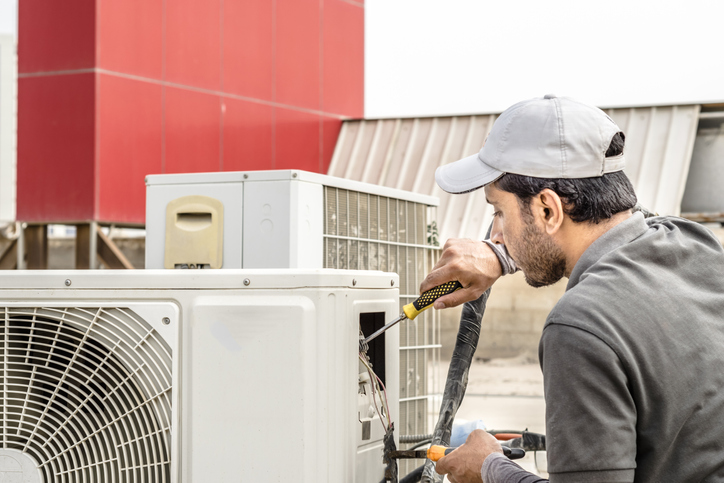
If you enjoy working with your hands and like the idea of servicing heating, ventilation or air conditioning systems, then a career in the HVAC industry is the right choice for you. You’ll apply your hands-on training and practical skills towards a successful and dynamic career. But in order to do so, it’s a good idea to understand what a typical day is like working in the industry.
At NATS, we prepare you for the daily job expectations you will encounter throughout your career. You’ll learn the installation and maintenance of gas and propane heating systems, ventilation and air-cooling equipment for both residential and commercial buildings.
Read on to discover what a day in the life of an HVAC technician is like!
The Work Schedule for an HVAC Technician Depends on the Setting
Whether you enjoy working on a consistent schedule or with on-call shifts, jobs in the HVAC industry offer something for everyone. Your work schedule will depend on your form of employment. When you become an HVAC technician after completing your training from NATS, you’ll get the chance to work for a home building, a commercial business or a construction company. This may give you the opportunity to work regular business hours, on a fixed schedule, or simply when your expertise is needed to troubleshoot issues.
The Start of Your Day Can Vary
After you complete your HVAC technician courses from NATS and start your career in the industry, you’ll realize how dynamic your workday can be. When you work in the HVAC industry, you’ll start your day by going into work and checking the pending tasks that require your attention. You’ll then have to use your organizational skills to manage your schedule and arrange the time to attend to these tasks based on importance.
On the other hand, if you want to become a self-employed contractor, then your day will begin by checking emails or voice messages and answering phone calls from customers requiring your services. No matter how your day starts, you should be prepared to carry your safety gear and tools and start heading over to the locations that require your services.
Prepare Yourself for Different Working Conditions
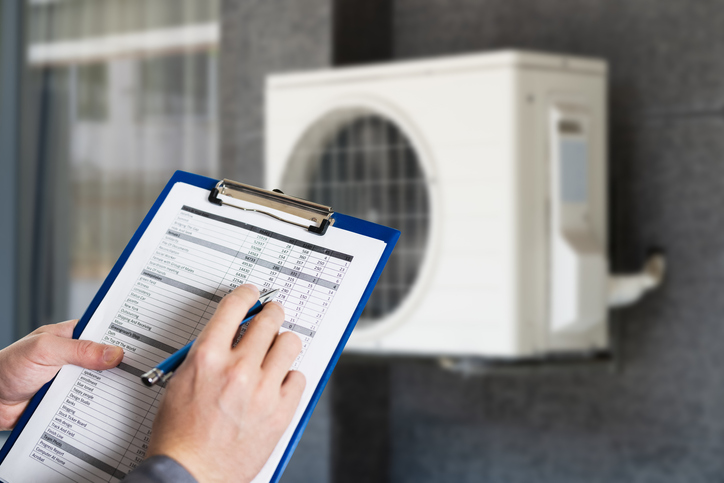
Working in the HVAC industry allows you to experience different working conditions and different settings. With professional training from NATS, you’ll be prepared to handle the different issues that you may face throughout your career. More specifically, you’ll learn how to check airflow, refrigerant pressure, electrical circuits, burners and other components for various clients. You’ll also be prepared to work safely and efficiently in more challenging work conditions, such as extreme temperatures.
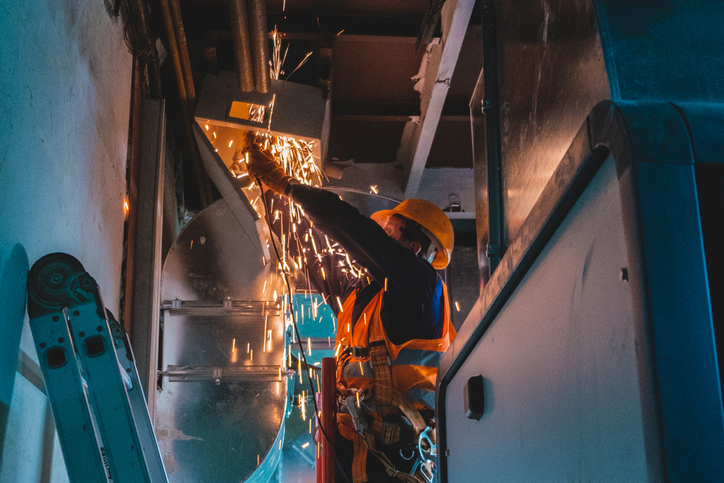
For example, you may have to repair broken furnaces in the middle of winter, when temperatures drop significantly, or repair the air conditioning of a residential or commercial building. Since no one task is the same, you’ll find an exciting and engaging career that puts your skills to the test on a daily basis.
Interested in HVAC school?
Contact NATS for more information!
Considering HVAC School? 4 Advantages to Choosing a Career as an HVAC Technician
November 02, 2021
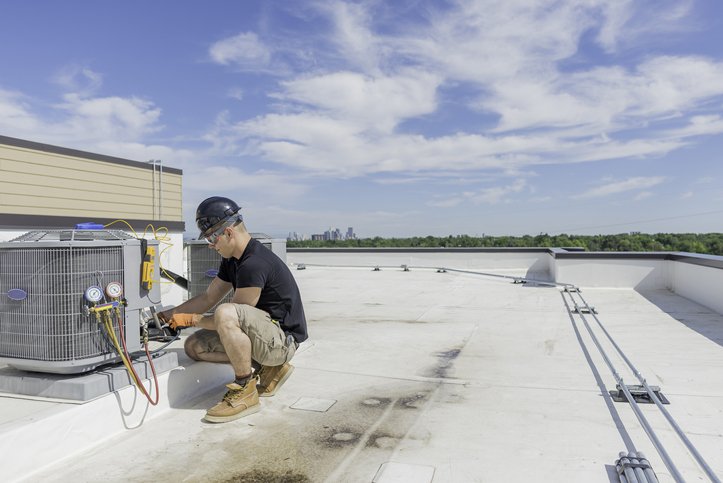
HVAC technicians are experts in HVAC (heating, ventilation, and air conditioning) systems, conducting installations, repairs, routine maintenance, and more. They may work with commercial, residential or industrial air conditioning systems, refrigeration systems–as well as systems of combined heating, ventilation, and cooling. After completing your HVAC training, you’ll be able to perform a range of duties, including the assembly and installation of different system components (vales, gauges, condensers, compressors, evaporators, etc.), and troubleshooting of HVAC systems to identify leaks or other issues. You’ll also perform maintenance tasks such as parts replacement, system calibration, and refrigerant refills.
If you’re considering a career as an HVAC technician, you might just be ready to start your training after learning about the advantages of this career path. Below, discover four of them!
1. HVAC School Graduates are In-Demand in Ontario
If you’re considering HVAC school, there’s never been a better time to enrol. According to JobBank Canada, job opportunities for HVAC technicians in Ontario will be good over the next three years, as retirements create new availability and employment growth creates new opportunities for work. Ontario’s construction industry is growing, and HVAC technicians will be needed to install and maintain the commercial and residential systems for each new structure. Thanks to investments in public facilities and commercial developments, HVAC technicians may also be able to find work supporting industrial projects.
2. HVAC Technicians Benefit from a Dynamic Career
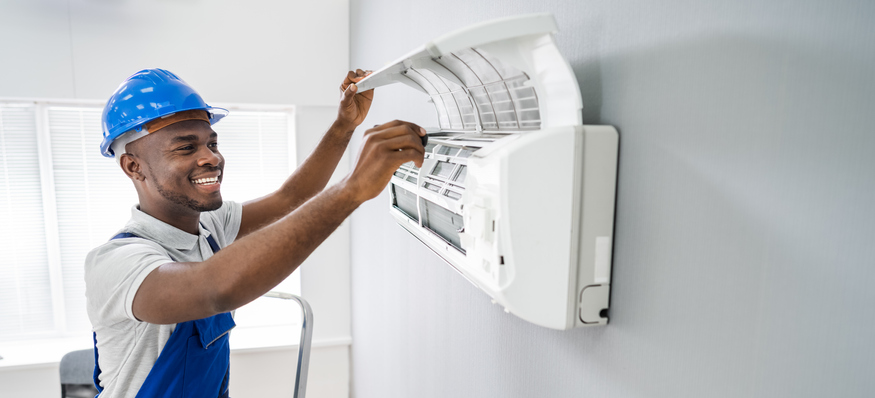
As an HVAC technician, your job will never be boring. HVAC technicians benefit from the ability to perform many different kinds of work throughout their career, depending on their interests and whether they choose to specialize in a particular sector of the HVAC industry. HVAC technicians may work with fireplaces, furnaces, pool heaters, heat pumps, boilers, and refrigeration systems. What’s more, there are many advancements in technology making the work of HVAC technicians increasingly interesting. Smartphone-controlled heating and cooling systems, solar-powered air conditioners, and other innovations are continuing to shape the industry, promising an exciting future for HVAC technicians.
3. Grads of HVAC College Are More Active
Once you become an HVAC technician, you might be surprised by the benefits of the work to your physical health. Graduates of HVAC college have a highly active job, working both indoors and outdoors and travelling between different project locations. Rather than sitting around at a desk all day, you’ll be earning all the health benefits of a job where you’re constantly moving, such as a reduced risk of cancer and reduced risk of heart disease.
4. As an HVAC Technician, You Have Many Work Opportunities
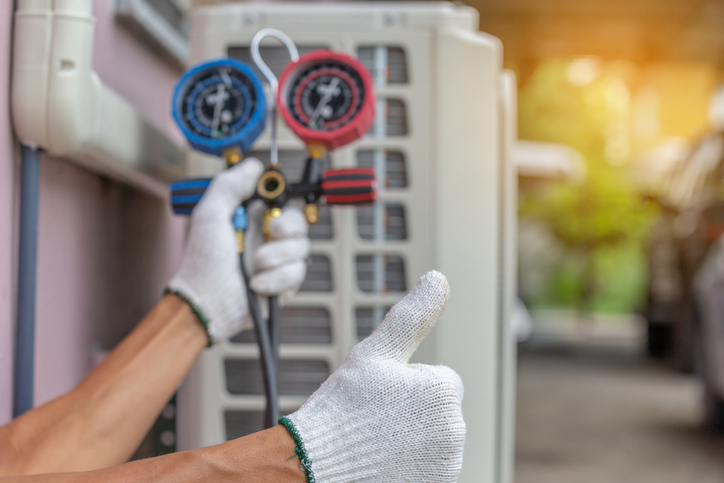
Once you become an HVAC technician, you don’t need to be restrained by a strict work schedule or an unvaried work environment. In fact, there are many different opportunities for work within the HVAC industry. As a technician in this trade, you may be employed by an HVAC system installation contractor, and you may also find work in different industrial settings, such as: engineering firms, retail, food wholesalers, and other operations. Additionally, after gaining experience in the field, HVAC technicians may choose to open their own business, installing, repairing, and maintaining HVAC systems for various clients and creating their own schedule. If you’re looking to enter a field where you’ll never get bored, becoming an HVAC technician might be right for you.
Ready to enroll in HVAC technician courses?
Launch your career with a program at the North American Trades Schools today!
If You’re Enrolled in HVAC Technician Courses, Discover 5 Signs of Low Refrigerant in a System
October 07, 2021
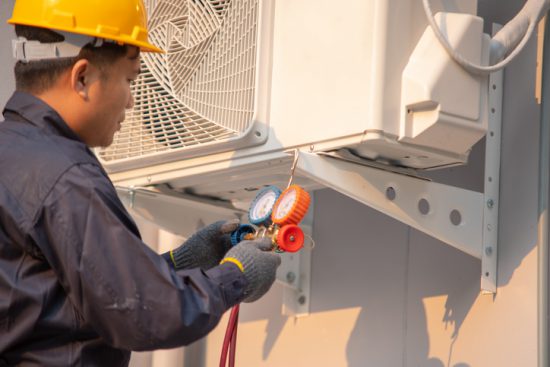
If you’re considering becoming an HVAC technician, you’ll be launching a career as an expert in the field of heating, ventilation, and air conditioning systems. Your expertise will enable you to perform services for clients such as installing HVAC systems, maintaining and repairing the systems, and troubleshooting problems within these systems. When servicing air conditioning systems during your career, one of the most common problems you may encounter is a low level of refrigerant within the system.
Refrigerant, a compound which absorbs heat from the surrounding environment, is essential to the smooth operation of an AC system. Within an AC system, refrigerant is stored inside copper coils–taking in heat from the air in a home or other indoor space. The refrigerant is then distributed through the condenser and compressor, where it is converted from liquid to gas to liquid. The resulting hot air is blown outside, while another fan blows air over the cold coils containing the refrigerant and into the building. Given the importance of refrigerant in the distribution of cold air, when refrigerant levels are low, an AC system’s performance will be negatively affected.
When refrigerant levels are low, it’s typically either due to a leak, or because the AC system was installed incorrectly. During your career as an HVAC technician, becoming familiar with the signs of low refrigerant in an AC system will help you to successfully identify and repair related issues before greater damage ensues. Below, discover five common signs of low refrigerant in an air conditioning system.
1. After HVAC College, Look Out for Longer Cooling Cycles
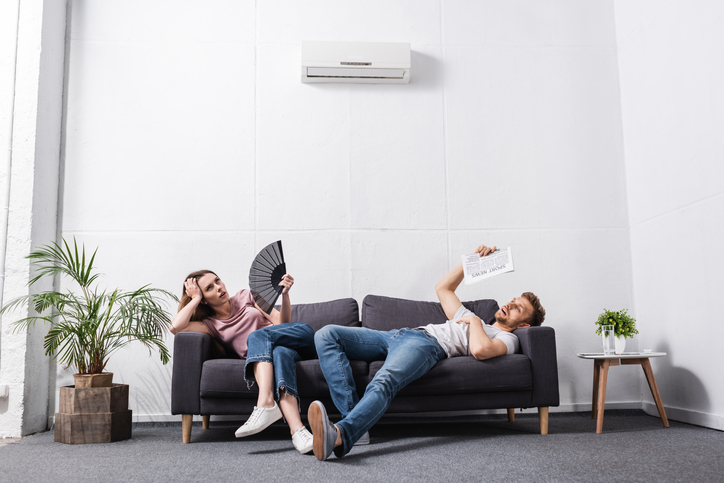
If a client complains that it’s taking a particularly long time to cool their home, low refrigerant levels could be at fault. With low refrigerant levels, the air being blown indoors is warmer than usual, meaning that the air conditioning system has to run longer cycles to match the thermostat-designated temperature. After HVAC school, check the refrigerant levels of an AC system if the cooling cycles seem unusually long.
2. The Refrigerant Lines Freeze
Low levels of refrigerant can also have a negative effect on the AC system’s refrigerant lines, or evaporator coil. The evaporator coil is responsible for taking hot air from the indoors and adding it to the refrigerant. However, when refrigerant levels are low, the evaporator coil will become too cold, leading to a buildup of ice. Typically, this ice will start to spread to other parts of the AC system, including its surrounding components.
3. The Energy Bills Go Up
When a client complaining of higher energy bills requests your services, the air conditioning system’s refrigerant levels will be one of the first things you’ll want to check. Due to the longer cooling cycles which are needed to cool a home, the air conditioning system is working much harder than it should be. Since harder work translates to a greater consumption of energy, always remember to check refrigerant levels when a client’s energy bill spikes.
4. Lack of Cold Air
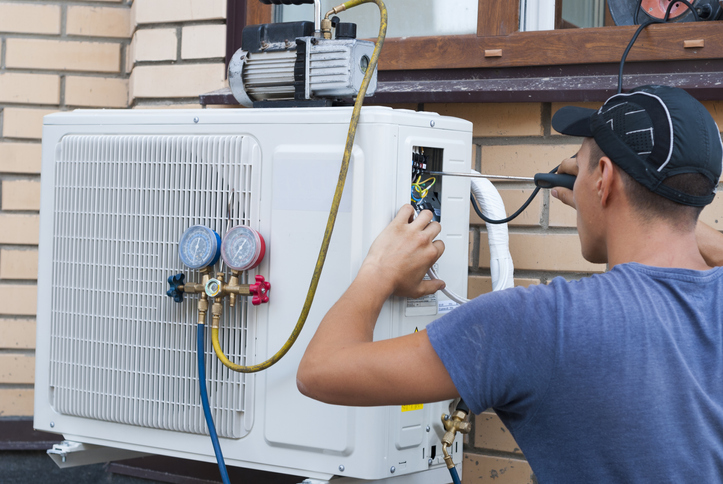
After HVAC college, it’s safe to suspect low refrigerant levels when an AC system isn’t blowing cold air. Because the cooling chamber contains more heat when refrigerant levels are low, it’s difficult for the system to adjust the temperature of the air it’s sending out. This causes the system to expel lukewarm rather than cool air–a problem which is more than inconvenient for those trying to keep their homes cool during the warmer months!
5. There’s a Hissing Noise
When refrigerant levels are low, one of the probable causes is a leak somewhere within the AC system. In the case of a leak, it’s likely that a hissing noise can be heard, indicating that refrigerant has escaped from the coils that contain it. The moment you hear a hissing sound coming from an air conditioner unit, check the refrigerant levels to ensure that there isn’t a hazardous leak.
Ready to enroll in HVAC technician courses?
Become an expert in HVAC systems with a program at the North American Trade Schools!
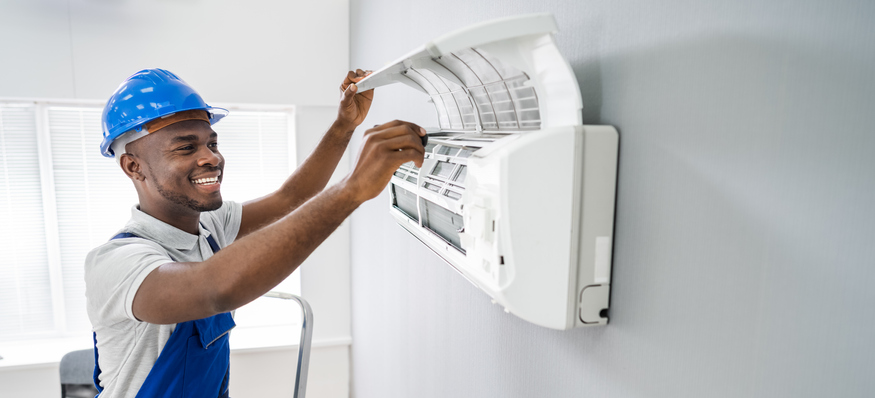
If you’re thinking about becoming an HVAC technician, you’ll be launching a rewarding and dynamic career within the heating, ventilation, and air conditioning industry. With the skills you possess, you’ll be able to provide essential services to clients–installing and maintaining both ventilation and air cooling equipment, as well as gas and propane heating systems. As an HVAC technician, not only will your technical skills be important, but so will your ability to interact with clients and provide quality, reliable service.
Below, explore some qualities that will help you to succeed in the HVAC industry, both during your training and throughout the rest of your career.
1. Graduates of HVAC College Are Good with People
If you have strong interpersonal skills, you’re off to a great start! HVAC technicians interact with many different customers on a daily basis. Therefore, an HVAC technician must be able to speak with a friendly demeanor, listen to any requests or concerns, and provide all necessary information in a patient and comprehensive manner. Once you graduate from HVAC college, your ability to communicate actively with customers will help you to establish trust and earn you even more clients through word of mouth recommendations. During your training, consider building interpersonal skills in order to succeed throughout your HVAC technician career.
2. Successful Technicians Are Reliable
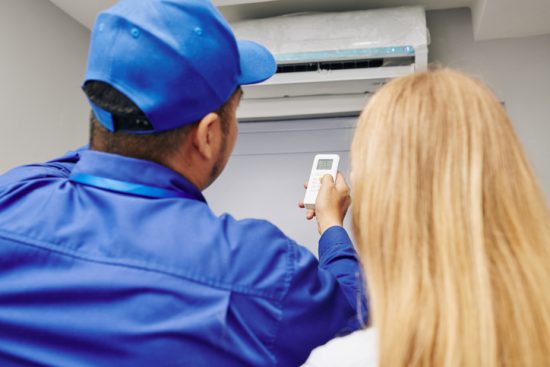
As an HVAC technician, clients are trusting you to perform a service for them. To gain their trust, you’ll not only want to possess the necessary skills and knowledge, but you’ll also need to provide reliable service. With this in mind, it’s important that HVAC technicians can prove to be extremely reliable, as this will help to enhance their reputation and establish customer loyalty. During your career, make sure to be on time to appointments, and notify customers if you’re running late or are unable to perform a requested installation or repair.
3. Attention to Detail Is a Quality Shared by HVAC Professionals
During HVAC school, you’ll learn about the importance of precision within the HVAC field. HVAC technicians must be able to use a number of tools and testing devices such as thermometers, pressure gauges, voltmeters, manometers, and more. With strong attention to detail, HVAC technicians can use these devices to measure and obtain information about electrical circuits, refrigerant pressure, air flow, and burners. As an HVAC technician, being attentive to detail will help you to accurately install and maintain the heating and ventilation systems you work with–ensuring that no mistakes are made due to incorrect information.
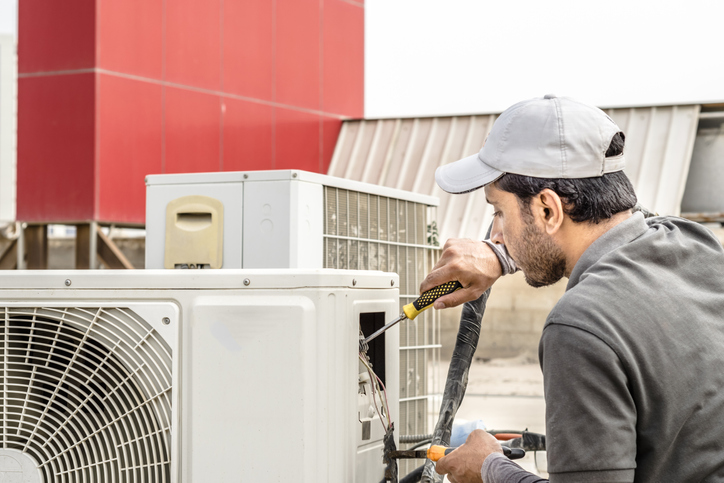
4. Preparedness Is an Essential Quality for HVAC Technicians
If you’re a highly organized person, you’ll excel in a career as an HVAC technician. These professionals must be prepared for a number of different appointments every day–showing up to each one equipped with the tools and equipment necessary to complete the job at hand. As an HVAC technician, preparation is key to being able to perform any installation or repair, as your ability to remember which parts and tools you need for specific tasks will ensure that you’re always providing a quality level of service.
5. A Good HVAC Technician Is Confident
There’s nothing more terrifying to a customer than an HVAC technician who seems unsure of their capabilities. As customers are trusting you to correctly install and repair the heating and ventilation systems they rely on, it’s important that you build the skills necessary to confidently address the needs of your clients. At the North American Trade Schools (NATS), you’ll receive hands-on training in the installation and maintenance of HVAC systems, equipping you with the knowledge to work confidently throughout your career. Consider training with NATS in order to launch a career as a capable and successful HVAC technician!
Ready to take HVAC technician courses?
Launch your career with a program at the North American Trade Schools today!
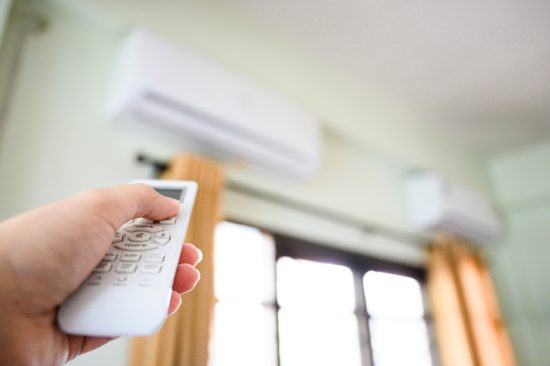
Sustainability is leading the conversation in most industries today. As with the majority of sectors in the construction and maintenance industry, the Heating, Ventilation, and Air Conditioning (HVAC) market is under pressure to go greener. Sustainable HVAC systems are an important innovation for both the industry and our planet. Homeowners and technical workers can benefit from new technologies that reduce the environmental impact of HVAC systems while maintaining their design integrity.
Students training for a career within the HVAC industry will study the installation and maintenance of different HVAC systems in residential and commercial environments. Gas codes and regulations are other important features of HVAC training. To get to grips with the evolving trends of the industry, read on for an overview of the benefits and concepts behind sustainable solutions in HVAC design.
The Benefits of Sustainable HVAC Systems
The drive to reduce energy consumption, greenhouse gases, and the use of fossil fuels are top concerns when it comes to sustainable design initiatives. Delivering hot water and heating to buildings produces a significant greenhouse gas footprint. Sustainable HVAC systems offer a solution to the environmental expense of traditional heating and cooling methods. HVAC systems such as heat pumps work by transferring heat between indoor and outdoor spaces to regulate the temperature of the building. In that sense, they are sustainable alternatives to boilers or furnaces that rely on fossil fuels.
Students in HVAC school might be interested to know that sustainable HVAC systems save both energy and costs in the long run. Up to 30 percent of the energy generated for use in commercial buildings is wasted. On average, HVAC systems last up to 15 years–a long time to endure high energy expenses and greenhouse gas emissions. Both workers and homeowners can benefit from the reduced cost of climate control over the building’s life cycle. It’s important for construction and maintenance technicians to know which sustainable technologies provide the best return over time.

Sustainable HVAC Solutions
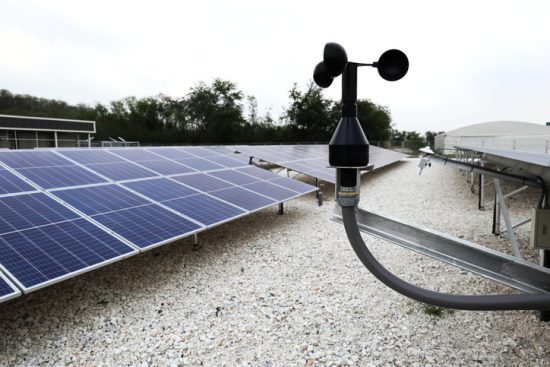
There are numerous ways to achieve sustainability in HVAC systems. Thermal air conditioning is a great way to conserve energy without sacrificing power and comfort. Instead of relying on electricity, these units use solar panels to draw energy from their surroundings–an efficient and cost-effective solution.
Duct wrap is another staple of the HVAC industry that is used to reduce energy loss that can occur in air ducts. Unlike regular duct wrap, quiet duct wrap is made from recycled denim reduced from landfills. Quiet duct wraps also prevent irritants or other organic compounds from reducing indoor air quality.
The dual-fuel heat pump is a great solution that uses a combination of fuel types. The dual-fuel heat pump uses both electricity and gas to generate efficient heating and cooling. For homeowners who are concerned about the reliability and power of sustainable systems, the dual-fuel heat pump is one to count on. The pump uses electricity above 1.67 degrees Celsius, but if the temperature drops lower, the pump resorts to gas to heat the home. In that way, sustainable systems provide powerful solutions without compromising energy-efficient efforts.
The Future of Sustainability for Those in HVAC College
Students in HVAC technician courses will work with numerous types of equipment to construct and maintain HVAC systems–including: measurement gauges, refrigerant lines, and air ducts. Voltmeters, thermometers, pressure gauges, and other testing devices are used to check airflow, refrigerant pressure, electrical circuits, and other components. Knowing how to apply these tools and materials to sustainable solutions is valuable to stay ahead of the industry. To become more sustainable, construction technicians should consider the bigger picture and think in terms of building integration. By choosing the right products, materials, and building designs, technicians can push for a more sustainable future for the construction industry.
Are you interested in attending HVAC college?
Contact NATS today to learn more about our program!
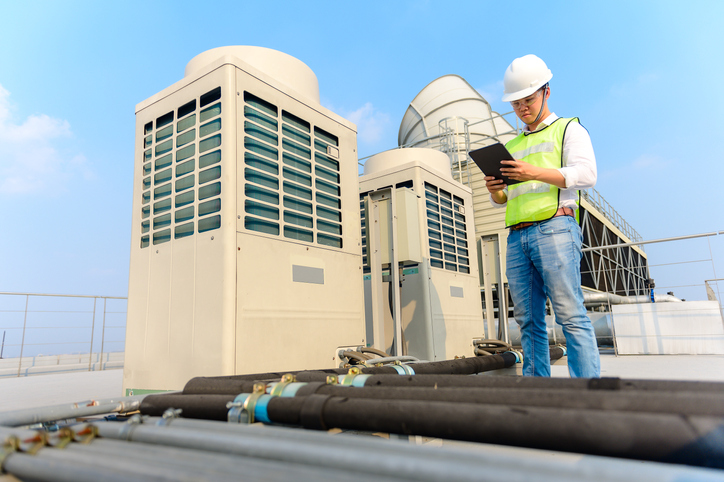
If you’re considering launching a career as an HVAC (heating, ventilation and air conditioning) technician, you’ll be entering an exciting field where your skills will be in-demand. On the job, your duties might include installing HVAC units, conducting routine maintenance examinations, replacing broken components, and more. Throughout your career, it’s important to prioritize your safety, as HVAC technicians are often exposed to hazardous materials and conditions while on the job. Chemicals such as refrigerants and contaminants–including dirt and debris–are all common to encounter as an HVAC technician. With this in mind, it becomes key to wear the proper safety gear to protect you from harm.
Read on to discover what you should have on hand to stay safe as an HVAC technician.
After Finishing HVAC College, Wear Protective Gear
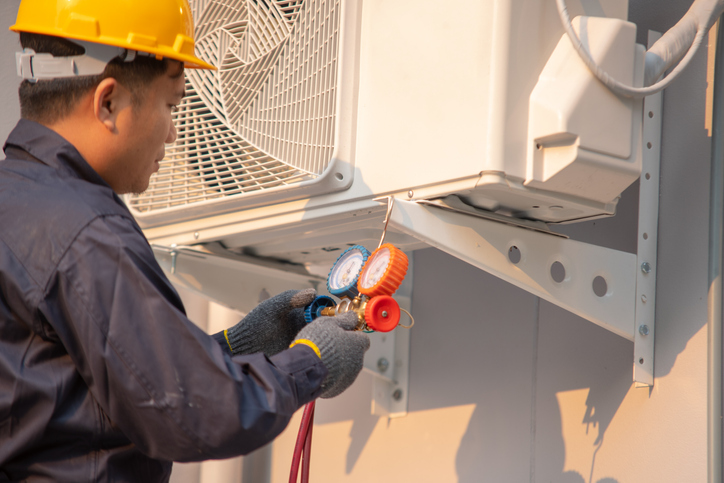
As an HVAC technician, it’s important to wear clothing that protects you from exposure to both chemicals and contaminants. On the job, be sure to wear a long-sleeved shirt and long pants so as not to leave any skin vulnerable. Additionally, ensure that your clothing is free of synthetic fibers, as they’re more flammable. After graduating from HVAC school, it’s also important to wear the right boots, as proper footwear is necessary to protect your feet from the heavy machinery you’ll be working with. You’ll also need safety goggles to protect your eyes from debris, and earplugs to prevent hearing damage due to the power tools used in HVAC work. Lastly, a thick pair of gloves will keep your fingers safe from any injuries that could result from handling sharp wires or pipes.
Use the Right Tools
When you use the right tools, your safety will be enhanced throughout your career. There are a few critical tools that enable you to perform any job in adherence with industry standards—reducing the risk of malfunctions that might otherwise pose a threat to your safety. As a graduate of HVAC college, you should always have the following tools in your bag:
- Clamp metre
- Anemometre
- Wrench
- Vacuum gauge
- Refrigerant leak detector
- Wire stripper
While it’s important to have these tools on hand, it’s important to examine the quality of your tools before beginning any repair or installation. By ensuring that your tools are in good working order, you’ll be able to avoid making any dangerous mistakes on the job.
Follow these Practices When Handling Chemicals
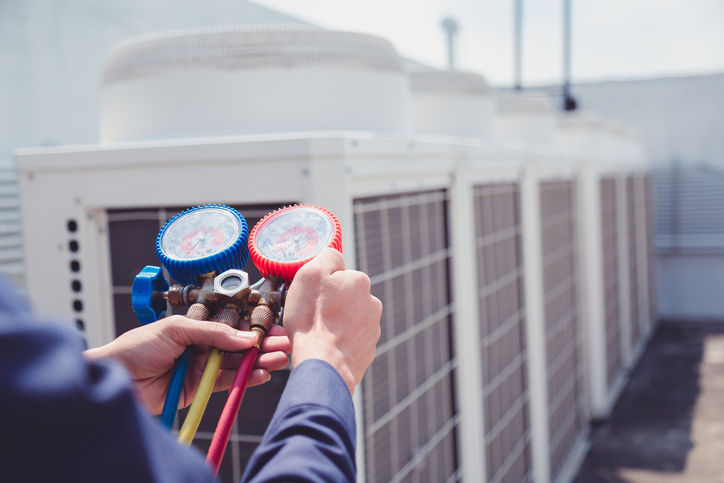
Throughout your career as an HVAC technician, you’ll be working with and transporting many different chemicals. In addition to wearing the right safety gear, it’s also important to know how to handle chemicals on the job to reduce your risk of injury. When using gas cylinders, make sure to inspect them before filling them up, and check to make sure there are no signs of leaks or damage. You should also not have gas cylinders in your van in hot weather, as this can increase the risk of explosion. When working with any detergents, refrigerants, solvents, or other cleaning liquids, make sure to wear goggles and a protective mask over your face to avoid exposing yourself to chemicals.
With these safety rules in mind, you’ll be ready for a long career as an HVAC technician.
Thinking about enrolling in HVAC technician courses?
Launch your career with a program at the North American Trade Schools!
As summer approaches, an air conditioner becomes one of the most essential home appliances. In order to keep cool in hot temperatures, people rely on their AC unit to deliver cold air right into their homes. But what happens when this appliance starts to leak? It’s not uncommon for an air conditioner to develop such a problem over time–especially if it hasn’t been properly maintained or is being used constantly. Air conditioner leakage can occur for a variety of reasons, but the good news is that a leak can almost always be fixed.
If you’re considering a career as an HVAC technician, knowing the most common culprits behind a leak can help you to quickly identify the source of a client’s problem: quickly restoring the flow of cool air within their homes!
Read on to discover six common causes of air conditioner leakage.
1. During Your HVAC Career, Be Aware That a Broken Pump May Cause a Leak
Within an air conditioner unit, the condensation pump is a device that serves to drain water in order to prevent a leak. However, this pump can actually cause a leak if it isn’t working properly. Most pumps are equipped with a float switch, which will turn on when the water gets to a certain level. If this switch has become stuck due to a buildup of debris or scum, it might not work. This lack of functioning can in turn result in dripping water from the unit. If you come across such a situation in your HVAC career, you can try cleaning the switch with bleach. If it still doesn’t turn on, chances are the pump needs replacing.
2. Drain Pan Issues Can Cause Leakage
Located beneath the indoor air handler, the drain pan functions as a trap for condensation created by the air conditioner. It connects to a drain pipe, which transfers the condensate outside to prevent moisture buildup around the unit. If the drain pan is rusting, cracked, or overflowing, this is likely to lead to a leak problem. Check the drain pan for leaks by turning off the AC unit and inspecting the pan for signs of rust, cracks, or debris buildup. If the drain pan is the culprit, this component of the air conditioner can easily be replaced.
3. If the Evaporator Coils Are Frozen, Leaking Will Follow
Evaporator coils can be found inside the door of the air conditioner unit. Refrigerant flows through these coils to deliver cool air through the vents. But if the evaporator coils freeze, ice will form and create a leak. These coils may freeze due to restricted air flow, a buildup of dirt or debris, blocked vents, or a lack of refrigerant. When you become an HVAC technician, you can identify frozen evaporator coils by checking whether there is ice or frost within the unit. From there, you can determine the source of the problem by checking the refrigerant levels, filter, vents, and other components to ensure that air is moving properly through the coils.
4. An Air Leak is One of the Most Common Problems
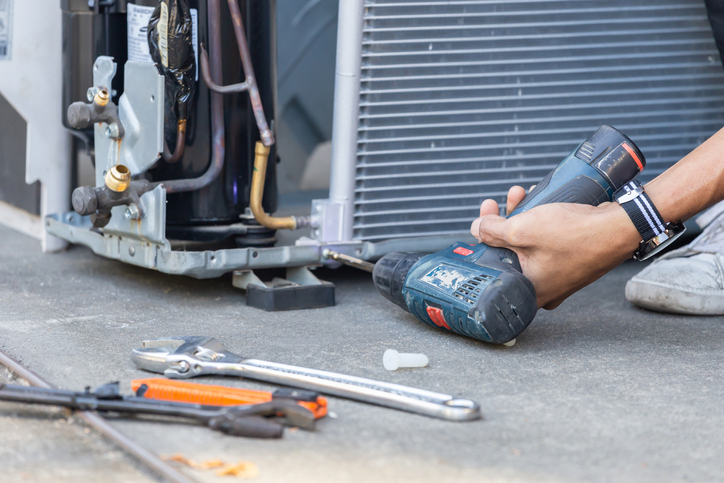
When an air leak occurs, air escapes around the vents of the air conditioner rather than through the designated path. This air flow can cause condensation to appear where it shouldn’t, leading to dripping from the AC unit. Air leaks can happen over time if a unit isn’t properly maintained. The good news is they can typically be fixed, simply with caulk, by sealing up the sides of the vent where air is escaping.
5. Look Out for a Blocked Condensation Drain Line
The condensation drain line attaches to the drain pan to transfer condensation outside–preventing leakage from occurring indoors. Over time, the drain line can accumulate debris or be exposed to algae or fungi growth. If the drip pan is overflowing but intact, it’s likely that the source of the leak is a clogged condensation drain line. Luckily, a blockage can typically be fixed by clearing the drain line using vinegar or another solution.
These are just some of the sources of leakage in a home’s AC unit. During your HVAC career, you can refer to these common underlying issues as possible causes when it comes to developing a solution for a client’s leaking air conditioner.
Are you interested in attending HVAC school?
Explore programs with NATS to launch your career today!
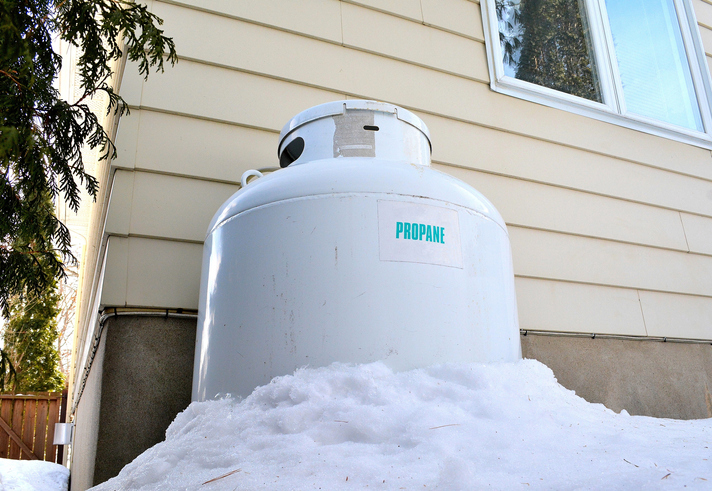 While propane isn’t the most commonly used source of energy for a home, its use has been growing in popularity in recent years. Propane is used to fuel both home-heating furnaces and water heaters. It is also beneficial due to the lower amount of greenhouse gas emissions it produces, as well as its potential as a less costly source of energy. In a propane heating system, propane is stored in a designated tank. This is fitted to a home’s gas line and then transferred to the furnace, which delivers heat to the rest of the home.
Propane is a convenient source of heat for a home, but it’s important to know how to maintain a propane heating system once it’s installed to ensure that it remains safe and effective. If you’re interested in a career as an HVAC technician, read on to discover three tips for maintaining a propane heating system.
1. HVAC College Graduates Should Pay Attention to a Propane Heating System’s Pilot Light
Most propane heating systems operate through the use of a pilot light, which is a small flame that burns continuously. After HVAC school, it’s important to be familiar with how a propane heating system’s pilot light works in order to properly maintain these systems. In a propane heating system, the pilot light is located at the burner of the heating appliance that the propane fuel is being used for. The pilot light is also responsible for igniting the propane fuel to provide heat.
When maintaining a propane system, check the colour of the pilot light. A pilot light’s flame should be blue in colour. But if it appears to be orange or yellow, the pilot tube may need to be cleaned. Additionally, if the pilot light frequently extinguishes, this could signal a larger problem with the propane heating system. In this case, all connections and tubes should be examined to ensure that there isn’t a leak.
2. A Propane Heating System Needs Regular Service
One of the most important things to know about propane heating systems is that they may require more regular maintenance than other heating systems. A propane tank can be regularly serviced by checking the tank’s fuel gauge. When this gauge indicates that there’s less than 20% of fuel remaining, it’s time for a refill. Additionally, it’s important to examine the tank itself regularly by checking the tightness of the connecting pipes and ensuring that there are sufficient levels of pressure. Make sure that the area around the tank is clear of any forms of clutter. If there are flammable materials in close proximity of the tank, remove them in order to reduce the risk of fire.
3. Take Measures to Prevent Leakage
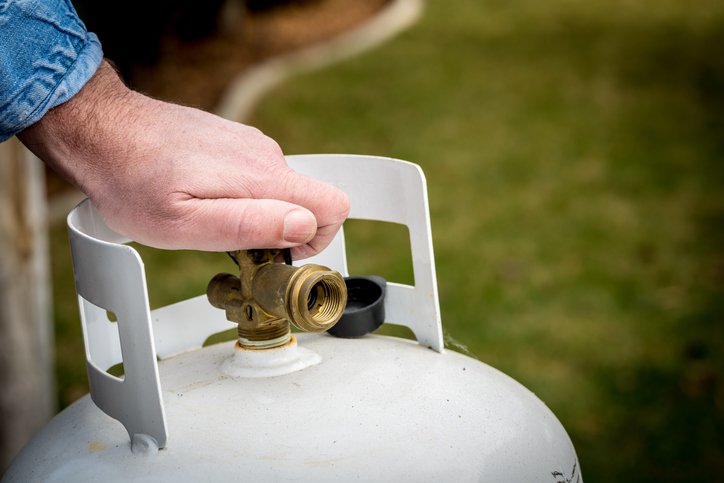
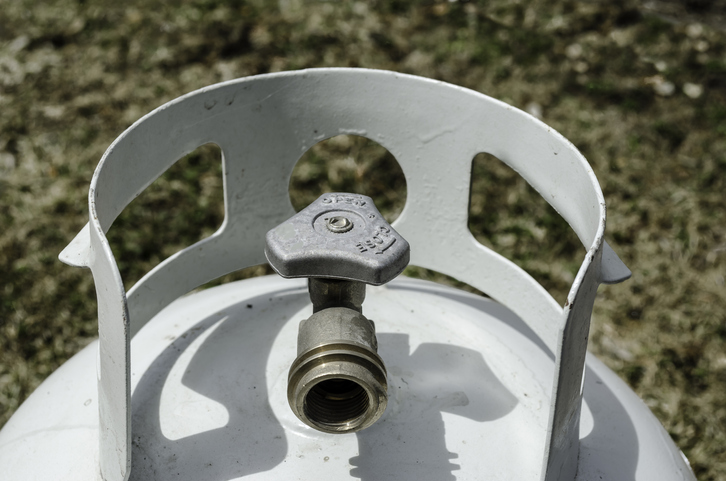
While a propane leak is uncommon, graduates of HVAC technician courses should be proactive in preventing leakage. A propane leak can be extremely dangerous, as propane is flammable and can increase the risk of fire within a home. The chances of a leak in a propane system can be reduced by tightening and protecting the propane tank’s fittings. Where the gas line connects to the propane tank, ensure that the connection is properly sealed by using a wrench to tighten the connection. If a leak is suspected, the main gas valve should be turned off immediately in order to safely address the problem.
When properly maintained, propane systems can be an efficient source of heat for a client’s home. During your HVAC technician career, take the above steps to ensure that your client’s propane heating system is working safely and effectively.
Are you ready to enroll in HVAC college?
Get the training you need at the North American Trade Schools. Start exploring today!
HVAC & The Environment: What You Should Know If You’re Pursuing an HVAC Career
March 10, 2021
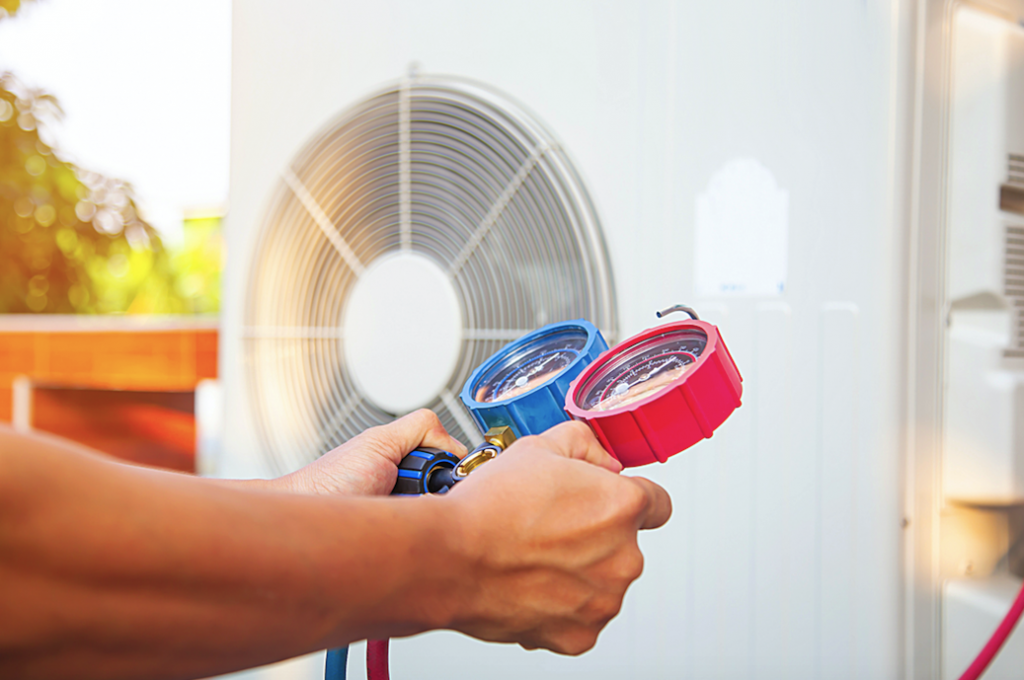
Heating, ventilation and air conditioning (HVAC) systems have an essential function. They keep our homes cool in the summer and warm in the winter, in addition to regulating the quality and movement of the air that we’re breathing indoors. While HVAC systems aren’t the home appliances with the most severe environmental impact, there are still a few ways that HVAC systems can contribute negatively to the environment. HVAC systems may use refrigerants that can damage the ozone layer, and they also use electricity, the consumption of which burns fossil fuels and contributes to ozone depletion.
While HVAC systems can cause environmental harm, there are many solutions offered today which have the potential to reduce the impact HVAC systems can have on the environment. Some of these solutions can be implemented by HVAC technicians themselves. If you’re interested in becoming an HVAC technician, here’s what you need to know about the environmental impact of these systems and the solutions available today.
Those in an HVAC Career Should Know That HVAC Systems Can Emit Harmful Refrigerants
Air conditioning systems rely on cooling agents, or refrigerants, to drive cold air into homes, but these cooling agents have a known negative environmental impact. Hydro-chlorofluorocarbons (HCFCs), hydro-fluorocarbons (HFCs) and chlorofluorocarbons (CFCs) are all refrigerants that have been reported to contribute to ozone depletion and global warming, as these compounds are greenhouse gases. In Canada, Federal Halocarbon Regulations, 2003, bans the release of halocarbons from air conditioning systems in quantities over 0.1 kg of halocarbon per 01. kg of air, but these refrigerants are still being released into the atmosphere in lower quantities. Freon (R-22), a commonly used HCFC, has been banned in Canada for use in newly manufactured HVAC systems, and Puron (R-410A), a less-harmful HFC, is now more commonly used. However, this refrigerant still contributes to direct and indirect greenhouse gas emissions.
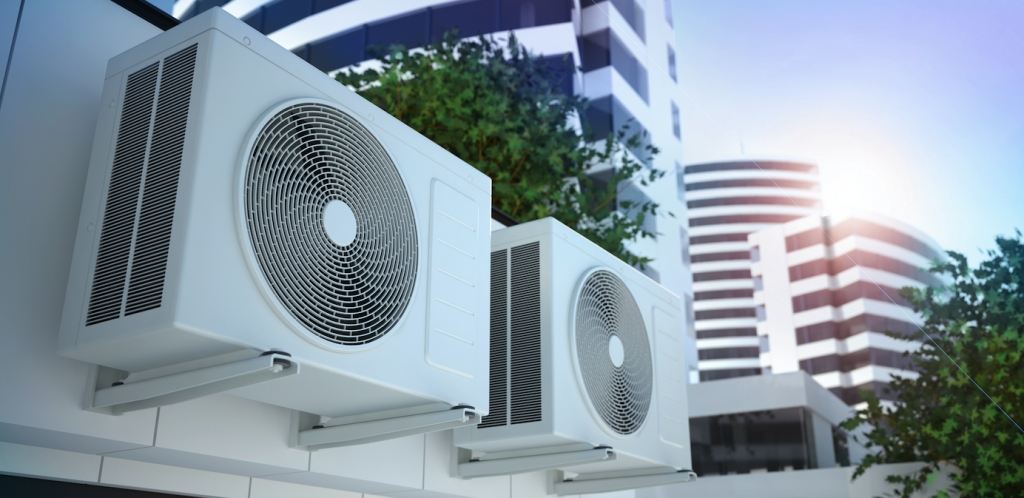
While it is difficult to control the emission of refrigerants into the atmosphere due to the range of HVAC systems in use today, advancements in technology have the potential to reduce their environmental impact. If you want to become a HVAC technician, you’ll probably become familiar with R-32 as a possible solution. R-32, or difluoromethane, is an HFC refrigerant known to have a lower impact on greenhouse gas emission than R-410A, and is being explored by HVAC engineers as an option to reduce the environmental impact of HVAC systems. It has been found that R-32 can even be used to make these systems more energy efficient, as it has better thermodynamic properties. In the future, developments in the use of alternative refrigerants such as R-32 have the potential to reduce the amount of greenhouse gases in the atmosphere as a result of HVAC systems.
HVAC Systems Use Energy
It’s important to be aware that HVAC systems consume high amounts of energy. Depending on the type of system and the season, an air conditioning system can consume around 3000 to 5000 watts of electricity every hour. Electricity consumption results in the burning of fossil fuels and the release of carbon dioxide into the atmosphere, a major cause of ozone layer depletion. One way to determine how much energy an air conditioning system is using is by checking its SEER rating. Older air conditioners have lower SEER ratings and tend to consume more energy.
As a way to reduce the amount of fossil fuels released, HVAC products that harness renewable energy sources are also becoming a more popular option. Renewable energy sources such as solar and geothermal energy can reduce the environmental impact of HVAC systems by using sources of power that don’t burn fossil fuels. Solar energy harnesses energy from sunlight rather than from fossil fuels to power HVAC systems, while geothermal heat pumps convert natural energy stored underground for use.
Small-Scale Solutions to Reduce the Environmental Impact of HVAC Systems
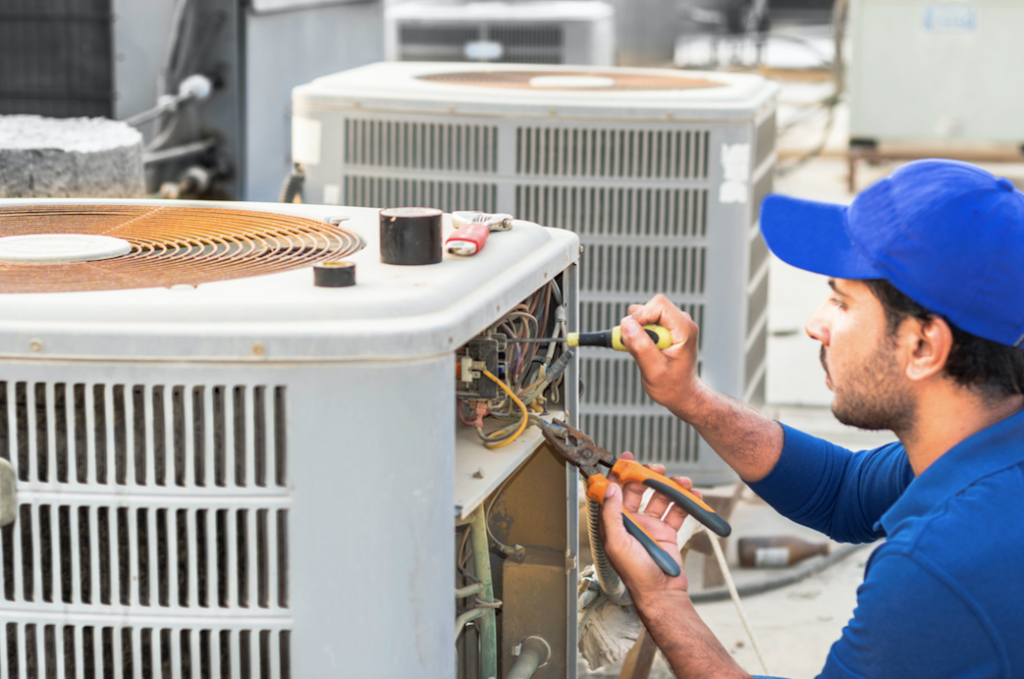
The environmental impact of HVAC systems can be reduced on a small scale, and as a professional in an HVAC career, this is an area where your services are especially useful to clients looking to reduce their own personal energy consumption and greenhouse gas emissions. The efficiency of an HVAC system depends on the equipment being used. If a system’s equipment is outdated, chances are it’s using more energy or emitting a greater quantity of harmful refrigerants. Advising environmentally-conscious clients to replace old HVAC systems with an updated, energy efficient system can reduce the negative impact of older units.
Additionally, HVAC systems should be regularly maintained in order to prevent excess emissions. Air filters should be replaced regularly, ducts and pipes should be inspected for leaks, and valves and steam traps should be examined for efficiency.
If you want to be equipped with the ability to make HVAC systems less harmful for the environment, a program at the North American Trade Schools (NATS) could be right for you. Jason, a graduate of the North American Trade Schools HVAC technician program, says he chose NATS because of its reputation as a “hands-on school.” He notes, “They teach you what you need to know and then you apply your knowledge.” Practical, experiential training enables HVAC technicians to apply their newly learned skills in the field in innovative ways. That includes approaches that may help to reduce the environmental impact of HVAC systems.
Are you interested in attending HVAC school?
The North American Trade Schools program could be right for you!