Category: HVAC



Building Comfort From the Ground Up
A comfortable home depends on more than a cozy couch or warm blanket. If your heating and cooling system is not working properly, you feel it in every room, on every utility bill, and sometimes in your health. Understanding the basics of how your HVAC system works helps you make better decisions, respond quickly when something seems off, and get more value from every dollar you spend on energy.
HVAC stands for heating, ventilation, and air conditioning. In Ontario homes, that usually means a gas or electric furnace, a central air conditioner or heat pump, ductwork that moves air around the house, and controls that tell the system what to do. At North American Trade Schools, we teach these systems in depth through our HVAC diploma program, giving people the skills to care for equipment in homes and businesses. In this guide, we will share everyday tips, maintenance basics, and best practices, and show how an HVAC training course at an HVAC school in London, Ontario can help you feel more confident with your own system.
HVAC Basics Every Ontario Homeowner Should Know
Most residential HVAC systems in Ontario share a few core parts. There is a furnace or air handler to heat and move air, an outdoor AC or heat pump unit to cool it, ductwork that carries air through supply and return vents, a thermostat to control temperature, and filters that keep dust and debris out of the equipment. When everything works together, you get steady temperature, reasonable humidity, and cleaner indoor air.
In winter, the thermostat senses that the indoor temperature has dropped below your setting, then signals the furnace to fire up. The blower pushes warm air through the ducts to the rooms, while cooler air is pulled back through return vents to be heated again. In summer, the AC or heat pump absorbs heat from indoor air and sends it outside, while humidity is reduced as the system runs. Ventilation, either through the HVAC system or separate equipment, helps replace stale indoor air with fresher air.
Ontario’s cold winters and humid summers put real pressure on HVAC systems. Furnaces can run for long stretches in low temperatures, and AC units may cycle frequently during heat waves. Insulation, air sealing, and good equipment sizing make a big difference in how hard the system has to work. At an HVAC school in London, Ontario like North American Trade Schools, students learn how each component functions, how to diagnose issues, and how to service systems so they can handle our climate reliably.
Everyday HVAC Tips to Improve Comfort and Efficiency
Small everyday habits add up to noticeable differences in comfort and energy use. A programmable or smart thermostat is a simple starting point. Setting a schedule for when you are usually home, away, or sleeping helps avoid heating or cooling an empty house. Many homeowners find that gentle adjustments in setpoints over the day feel just as comfortable while using less energy.
For many Ontario homes, helpful thermostat guidelines include:
- In winter, keeping the temperature lower while you sleep or are away and slightly higher when you are active
- In summer, choosing the warmest indoor temperature that still feels comfortable, then using fans to help air feel cooler
- Avoiding constant large swings in temperature that make the system cycle too often
Airflow habits also matter. Keep vents and returns unblocked by furniture, curtains, or clutter so air can move freely. Use ceiling fans to push warm air down in winter (by running them on low and in the correct direction) and to create a wind-chill effect in summer. Curtains and blinds can help keep heat in during winter nights and block strong sun on hot days so your system does not have to work as hard.
These practical comfort strategies are part of what we teach in our HVAC diploma program. Future technicians need to understand not just machinery, but also how people actually live in their homes and how small changes can improve overall system performance.
Preventive Maintenance Homeowners Can Safely Do
There are several HVAC maintenance tasks most homeowners can safely handle. The first is staying on top of air filters. A clogged filter makes your system work harder, reduces airflow, and can affect indoor air quality. Check your filter regularly and replace or clean it according to the manufacturer’s instructions.
When choosing and caring for filters, keep these points in mind:
- Basic fibreglass filters often need more frequent replacement
- Higher efficiency filters can catch more particles, helpful for allergies, but must be changed as often as recommended
- Homes with pets, smokers, or heavy renovation dust usually need more frequent filter changes
- Always install the filter in the correct direction, following the arrows on the frame
You can also gently vacuum or wipe supply and return vents, and keep furniture away from them. For outdoor AC or heat pump units, clear leaves, debris, and snow from around the unit so air can flow. Be careful not to bend the fins or spray water directly into electrical components.
Knowing when to stop DIY is just as important. If you notice burning smells, unusual noises, short cycling, weak airflow from multiple vents, or if the furnace, AC, or heat pump will not start, it is time to call a qualified professional. In our HVAC training course, students learn how to perform detailed inspections, test components, and complete maintenance that goes far beyond what is safe for homeowners to attempt.
Professional Servicing, Safety, and Long-Term Care
Even with good homeowner care, HVAC systems need periodic professional attention. Regular inspections and tune-ups help catch small issues before they become major breakdowns, extend equipment life, and support safe operation. Many homeowners schedule a furnace check before the heating season and an AC or heat pump check before peak summer.
During a professional visit, a trained technician may:
- Inspect burners and heat exchangers for safe combustion
- Test electrical connections, motors, and safety controls
- Check refrigerant levels and look for leaks in cooling systems
- Clear drainage lines and ensure condensate is draining properly
- Review airflow, temperature differences, and overall system performance
Working with gas, electricity, and refrigerants requires proper training and tools. Untrained repairs can lead to safety risks, equipment damage, and voided warranties. Graduates from an HVAC school in London, Ontario such as North American Trade Schools learn industry standards and safety practices so they can work on systems in homes and businesses responsibly.
Turning HVAC Knowledge Into a Skilled Trades Career
For many people, learning how their own furnace and AC work sparks a deeper interest. If you enjoy solving mechanical problems, working with your hands, and helping people feel comfortable in their homes, HVAC can be a rewarding skilled trades path. The same concepts that help you manage your home comfort form the foundation of a professional career.
At North American Trade Schools, our HVAC diploma program gives students time in labs with real equipment. They practise installing, maintaining, and troubleshooting systems found in residential and other settings, learning to interpret controls, electrical diagrams, and mechanical components. An HVAC training course like this can open doors to entry-level roles in residential service, commercial buildings, or industrial environments across Ontario.
We offer training at campuses in Brampton, Burlington, and London, with the London campus being a convenient choice for anyone looking for an HVAC school in London, Ontario specifically. Whether someone wants to better understand their own system or step into a new trade, structured training can turn curiosity into practical skill and a stable, in-demand career path.
Start Your HVAC Career With Hands-On Training That Employers Value
If you are ready to move into a skilled trade with strong demand, we are here to help you take the next step. At North American Trade Schools, our instructors and labs are focused on giving you practical experience that prepares you for real HVAC workplaces. Explore our HVAC school in London, Ontario to see how our programs can fit your goals and schedule. Reach out to our team today to discuss admission requirements and upcoming start dates.
Winter in Ontario can hit hard. Whether it is a cold snap or a long stretch of snow and ice, the temperatures in towns like London drop fast and stay low. That kind of weather means home heating systems are working nonstop to keep people warm. When something stops working, someone has to fix it fast.
That is where HVAC technicians come in. They are the people who keep furnaces running, heaters safe, and homes comfortable. If you are thinking about getting into skilled trades, this kind of work can be a great fit. Our HVAC programs in London give students the tools and hands-on training they need to work on systems in homes and workplaces. It is not just about solving technical problems. It is about helping real people stay safe and warm when it matters most.
For anyone who is more of a hands-on learner or looking for a job where no two days feel the same, HVAC might be the right move.
Understanding the Role of HVAC in Cold Weather
HVAC stands for heating, ventilation, and air conditioning. In the winter, heating and airflow are the big focus. A working HVAC system moves warm air through a home or building and makes sure air is clean and safe.
When systems break down, it often happens during colder periods when systems are under the most strain.. Some common issues include:
• Heaters that blow cold air
• Blower motors that stop working altogether
• Frozen pipes or coils that prevent heat from moving properly
When that happens, people do not just feel uncomfortable. They can be at risk, especially kids or older adults. That is why trained HVAC technicians are in demand in the colder months. They have the skills to figure out what is wrong, fix the problem quickly, and get things up and running again.
What Students Learn in HVAC Programs
In hands-on training, students do not just learn from a textbook. They take apart real systems, test furnace parts, and work with actual tools. The job has a lot of moving pieces, so learning by doing helps everything make more sense.
Some core skills students practise include:
• Checking heat exchangers to make sure they are working safely
• Measuring airflow and finding blockages
• Fixing or replacing broken thermostats and burners
In our HVAC Technician program on the London campus, students get time in a workshop where they can work on equipment in conditions that feel close to the real world. That way, when they graduate, they already know what it is like to work with heating systems in a Canadian winter. You can learn more about our hands-on HVAC training here: https://nats.ca/programs/hvac-technician/
The program includes in-depth coverage of residential and light commercial systems, code compliance, and system troubleshooting in cold climates. North American Trade Schools provides access to modern HVAC labs, expert instructors with trade experience, and dedicated job search support for students in London.
Safety and Troubleshooting in Tough Conditions
Working in cold weather brings added pressure. A small mistake can lead to a big issue, so safety skills are part of everything students learn. That includes how to avoid electrical shock, deal with gas leaks, and use proper protective gear when working on rooftops or in snow-covered corners of a house.
Troubleshooting is another big piece of the puzzle. Students are trained to spot common signs of system failure and run checks to find the root cause. That could mean tracing wires, testing sensors, or climbing into tight attic spaces during cold weather calls.
Techs often respond to emergency calls during freezing conditions. Getting comfortable with fast-paced problem-solving in tough workplaces is part of becoming job-ready. Students also learn to keep calm and focused in stressful situations, which is important for working safely and making the right repair choices. Adaptability and a clear head are key traits for HVAC techs, and these are built up through both classroom learning and practical scenarios in the shop lab.
Local Career Readiness in London, Ontario
One of the benefits of learning in London is that you start building experience in the kind of climate and settings you will be working in later. There is no guessing about what future winters will be like, because you are trained right where you will likely be working.
The growing number of homes, townhomes, and businesses across London means more heating systems and more service calls when those systems break. By training locally, students get familiar with the types of systems common in the area, the challenges of older buildings, and the best ways to reach job sites when heavy snow hits.
It is one thing to learn the tools. It is another to know how to apply them in the real streets and neighborhoods where people live. Employers appreciate it when new workers understand the local area and what it takes to get from one site to the next. Students will also get a sense of the different types of customers they might help, from families in older homes to owners of small shops.
Some HVAC grads find their first jobs through local connections made during training or work placements. Others use their knowledge of London’s neighbourhoods to seek out employment in areas with the most need, like expanding suburbs or established communities with aging heating systems. Knowing the area you work in can make you a stronger candidate for local positions and help you provide better service.
Real Skills That Lead to Real Opportunities
The biggest takeaway from HVAC training is that it is skill-building, not just studying. From day one, students are taught how to fix, install, and maintain actual systems. Those skills turn into real jobs, often as apprentices or entry-level techs.
Every winter, there is a strong need for workers who can keep heat running and people safe. Employers are looking for workers who are trained and ready to show up, even when the weather gets rough. Students coming out of HVAC programs in London are starting with a strong base and a sense of what work in this industry really looks like. That confidence matters on the coldest days.
HVAC work changes with the seasons, but winter always brings urgent needs. Many graduates quickly find jobs as service techs, installers, or maintenance helpers. The work is steady, and every new call is a chance to learn and grow. Apprenticeship is a big part of getting into the field after school, and most grads continue learning on the job after they leave the classroom.
The winter season may be tough, but it is also the time when skilled HVAC technicians are needed most. When you are trained to handle those calls, you are never far from the next opportunity.
Be Ready for Winter with Hands-On HVAC Training
Hands-on training with industry-style tools and practical instruction can help you feel confident supporting people through tough winters, and our experienced instructors are here to guide you every step of the way. Our hvac programs in London are designed to build the skills employers need during the coldest months. At North American Trade Schools, we are committed to helping you start a career that continues to grow. Contact us today to find out how you can take your first step.
If you’re thinking about a hands-on career, looking into HVAC training in Ontario might bring up a few questions. Maybe someone told you it takes years to finish, or that you need to be skilled in tools before you even start. It’s easy to see how these ideas can feel discouraging, especially if you’re new to the trades.
We talk to a lot of future students from London who are curious but unsure about stepping into HVAC training. The truth is, many of these concerns are based on common myths. Let’s walk through a few of them so you can get a better picture of what this career path really looks like and why it might be a great fit.
You Need to Have Experience Before You Start
This is one of the things we hear most. People worry that if they haven’t worked with tools before or don’t have a background in trades, they won’t be ready to start HVAC training. The good news is, that’s not true.
- HVAC programs are built for beginners. We don’t expect students to come in already knowing how systems work. The goal is to teach you from the ground up.
- Training focuses on hands-on learning. That means you won’t be stuck reading textbooks alone, you’ll be using real tools, working through real setups, and getting support as you build skills each day.
- Instructors guide you as you go. Whether it’s learning how to troubleshoot a furnace or practicing how to handle refrigerants, this is something you’ll learn by doing, not something you need to know ahead of time.
For anyone without trade experience, it’s more than possible to succeed. If you’re ready to learn and want to work with your hands, that’s a solid place to start. Even if you have never stepped into a workshop, these programs start at the basics and help newcomers get comfortable at every stage. Your instructors know how to break skills into steps and teach you so that you feel ready, not overwhelmed.
HVAC Training Takes Years to Complete
Another big worry is time. Some people picture HVAC training as a long, drawn-out process, one that could take years before you’re even close to being job-ready. That’s not usually the case.
- Focused HVAC courses can be completed in less time than you might think. With a clear training schedule and practical instruction, you’re able to move through topics at a steady pace.
- You’ll learn both theory and tools as part of your routine. One day you might study how systems work, the next, you could be hands-on with ductwork or electrical components.
- The goal is to help you move from student to technician in a way that feels doable and measured.
Most people learning HVAC are also balancing life, family, or even part-time jobs. With the right training structure, it’s possible to stay on track and start moving toward a career without waiting years to see progress. The HVAC Technician Diploma Program at North American Trade Schools in London is designed to be completed in less than a year, making it accessible for those looking for a direct path into the trades. By focusing on what matters most, these courses keep learning efficient without feeling rushed. You get the skills you need in a shorter time, so you can build experience and start working sooner.
The Work Is All Technical and Not for Everyone
Some people picture HVAC techs working with complicated machines all day, and that image can feel intimidating. While it does include technical tasks, HVAC work is about more than just tools and parts.
- Yes, there’s equipment to work with, but there’s variety too. You might be checking safety standards, talking with clients, or doing preventive maintenance.
- Technicians often need soft skills along with technical ones. That includes showing up on time, communicating clearly, and working respectfully in homes or businesses.
- In training, you’ll learn both sides. You’ll gain comfort using equipment while also building good habits around safety, customer service, and troubleshooting.
The truth is, many HVAC tasks become less scary once broken into steps. Whether you’re working with tools or making system checks, it’s a skill you’ll build gradually, not something you need to have figured out from day one. As you spend more time in class and in the shop, you find that your confidence grows and the work starts to feel familiar. That mix of hands-on practice and soft skill building helps you get ready for the job, not just the tasks. Instructors help students solve problems one step at a time, so you never feel like you’re on your own or expected to know it all without help.
There Aren’t Many Jobs If You Stay Local
We hear this often from people in London, they wonder if they’ll need to move to find work after training. HVAC might seem like a niche field, but it’s actually deeply rooted in daily life.
- HVAC systems are everywhere. Homes, schools, stores, offices, all of them depend on heating and cooling that works year-round.
- When something breaks or needs maintenance, someone local needs to step in. Technicians who can respond quickly are especially valuable in colder seasons.
- Local HVAC training connects you with local job needs. You’ll learn based on the tools and systems used here in Ontario, which makes your training more relevant and job-ready.
The demand for skilled trades isn’t limited to big cities. Communities across Ontario rely on HVAC techs, and being trained in London gives you a strong start right where you are. North American Trade Schools also offers job search assistance to help graduates connect with local employers in the London area. Students are matched with employers who need local techs, helping you find a fit that works for your life and your skills. Because this work is so central to everyday comfort, there’s always a place for someone who’s trained, dependable, and eager to begin their career in their own community.
It’s Just Tools and Tech, Not a Real Career Path
Another idea we hear goes like this: “Is this really a long-term career, or just a short-term fix?” HVAC might seem like a trade that gets you by, but it actually offers a lot of room to grow.
- HVAC techs can work in different places, home service, building systems, commercial spaces, and more.
- With experience, technicians can move into roles like lead installer, service manager, or even start their own business.
- The training you get lays the foundation for a durable skill set, one that machines and AI can’t replace.
This isn’t just a job that fills a gap. It’s a skill-based path where the work you do matters, the tools mean something, and your growth depends on how much you want to take on. Many graduates find that the variety keeps things interesting, with opportunities to take on new challenges as they build experience. Over time, what starts as an entry-level job can become a stepping stone to roles that offer more responsibility, leadership, or special training. If you’re looking for stability and room to advance, HVAC gives you options that last.
Setting the Facts Straight and Moving Forward
Believing in common misconceptions can hold you back from a great opportunity. At North American Trade Schools, the focus is on providing practical HVAC skills that help London students move confidently from training into reliable, local roles. With training that covers both technical systems and workplace professionalism, you’re not just learning the basics, you’re preparing for a flexible, lifelong trade.
Start building real skills for your future in the HVAC trade with hands-on training, personalized support, and a program built for those in London, even if you’re starting from scratch. Our approach helps you gain confidence with both the theory and practical work so you can prepare for reliable job opportunities close to home. Explore what’s included in our HVAC Technician Diploma Program and see how North American Trade Schools can help you take your next step.
When temperatures drop across Brampton, heating and ventilation systems start working overtime. That’s when HVAC support roles become essential. If you’re considering a skilled trade with steady demand through the winter months, HVAC training in Brampton can set you up with the foundational skills employers look for.
Working in HVAC means understanding how heating, ventilation, and airflow systems operate—and how to support the technicians who keep homes and buildings comfortable. For anyone finishing high school, making a career change, or looking for work that’s hands-on and practical, HVAC training is an excellent place to begin. With the right skills, you’ll be ready to assist with real service calls and support experienced technicians during the busiest season of the year.
What HVAC Techs Do When the Weather Turns Cold
Winter is one of the busiest periods for heating and ventilation companies. Systems that sat unused all summer need attention, and airflow issues become more noticeable once buildings are sealed for the cold season.
While fully licensed Gas Technicians handle furnace repairs and installations, HVAC diploma graduates support the broader workflow by assisting with:
- Seasonal heating system checks under supervision
- Airflow and ventilation assessments
- Thermostat and control troubleshooting
- Filter changes and basic maintenance tasks
- Safety checks that don’t involve opening gas lines
- Customer support and system documentation
These roles keep operations moving smoothly in the colder months and allow new graduates to gain real experience working alongside licensed professionals.
How HVAC Training Prepares You for Winter Work
Entry-level HVAC training gives you the foundations needed to support heating and cooling work safely and confidently. You’ll get hands-on practice with equipment in a controlled lab environment, learning skills such as:
- Testing and troubleshooting ventilation and electrical components
- Understanding forced-air systems and airflow dynamics
- Working with thermostats, controls, and basic wiring
- Following safety codes and industry-standard work practices
- Recognizing signs of common heating system issues
Training includes using diagnostic tools, working with industry-standard HVAC units (non-live gas systems), and participating in shop exercises that simulate real service calls—without the risks associated with active gas appliances.
Students at North American Trade Schools build practical skills in a structured lab designed to mirror real-world environments, helping them feel prepared when stepping into support roles in the field.
Why Brampton is a Smart Place to Start this Career
Brampton keeps growing, and that growth brings more homes, more small businesses, and more demand for trained tradespeople. Heating contractors and service companies need workers they can trust when a furnace goes out during a snowstorm. If you’ve got the right skills, there’s work waiting.
There’s another reason Brampton makes sense: the weather. Our winters come on fast and stick around. That means local HVAC techs are busy from early November through March, handling everything from tune-ups to full replacements.
The good news is there are local training options that understand what HVAC looks like in this part of Ontario. Programs here are built around what employers need, so students get experience that matches local demand. You won’t be stuck learning things that don’t apply. You’ll be working on real tasks that line up with the jobs offered right in your area. The HVAC Technician Diploma Program covers both gas and forced-air heating systems, helping you meet Brampton’s specific needs in winter.
For many new technicians, learning in the same climate they’ll be working in pays off. Equipment, building materials, and even the way homes and offices are built in Brampton influence how heating systems work and what kinds of service calls are most likely. Studying in this environment helps students understand which skills matter most before they ever take their first job.
What to Look for in the Right Training Program
Not every HVAC program is the same. If you’re looking to work through the winter and make a long-term career out of it, the right setup can help you get there faster. Look for programs that bring the work to life, not just the theory.
Here are a few must-haves:
• Hands-on training in a working shop
• Real tools and functioning HVAC systems to practise on
• Instructors who’ve worked in the field during cold months
Programs that include seasonal work scenarios are especially helpful. That means preparing you for things like frozen pipes, safety checks in below-zero homes, and furnace repairs where heat is needed right away.
You can see how this comes together in our own HVAC program in Brampton: https://nats.ca/programs/hvactechnician/. It gives students real experience and prepares them to step into entry-level roles when they finish.
Building Confidence for Cold Weather Jobs
HVAC training in Brampton gives you real-world practice in everything from diagnosing furnace issues to following Ontario safety codes and providing emergency repairs. With support from industry-experienced instructors, you’ll develop the skills and confidence to solve heating problems throughout the toughest winter months.
The North American Trade Schools Brampton campus offers job search support as you near graduation, helping connect you with local employers looking for trained HVAC technicians. As winter approaches, being ready with hands-on experience means your training can open the door to a steady and rewarding future in the trades.
At North American Trade Schools, we provide hands-on training in testing, safety, and furnace systems to help you develop real-world skills for heating and cooling work. Our HVAC program prepares you for the practical challenges Brampton residents face every winter, ensuring you have the experience to keep homes and buildings safe when temperatures drop. To see what’s included in our HVAC training in Brampton, contact us today.
If you’re exploring the trades and want work that’s hands-on, practical, and needed year-round, taking an HVAC technician course in London is a strong place to start. HVAC work keeps homes and buildings safe and comfortable by supporting heating, cooling, and ventilation systems—essential in a city with cold winters and humid summers.
In the HVAC Technician Diploma Program at North American Trade Schools, students train with real equipment, use diagnostic tools, and get shop time that prepares them for entry-level roles supporting licensed HVAC technicians. The London campus features a dedicated HVAC workshop designed to simulate real working conditions, so students can build confidence from day one.
From the first weeks of class, trainees learn skills they’ll actually use in the field. Here’s how the course prepares students to take their first step into HVAC work after graduation.
Getting Comfortable with Heating and Cooling Systems
Before tackling more complex concepts, students need to understand how heating, cooling, and ventilation systems function.
Training covers:
- How air moves through forced-air systems used in homes and commercial buildings
- The components involved in heating and cooling equipment
- How ventilation systems regulate airflow, safety, and comfort
- How to support basic installation tasks on non-gas HVAC components under supervision
Because London faces long, cold winters, the program places an emphasis on understanding heating system operation, airflow, and efficiency—without performing regulated gas work. Students learn the fundamentals so they can assist licensed technicians and perform non-gas related tasks safely.
This foundation helps students see why HVAC support roles are essential in maintaining safe indoor environments throughout the year.
Learning to Troubleshoot and Solve Problems
Troubleshooting is one of the most valuable skills in HVAC. Students learn entry-level diagnostic skills by working hands-on with real equipment in a safe, controlled environment.
In this section of training, students learn to:
- Use diagnostic tools like multimeters, gauges, and thermometers
- Identify airflow problems and common electrical or mechanical issues
- Read wiring diagrams, manuals, and component labels
- Perform safety-first inspections and know when to escalate issues to a licensed technician
The goal is not to repair live gas furnaces, but to build technical awareness, identify common symptoms, and contribute meaningfully to service calls and system assessments.
This kind of foundational troubleshooting helps new grads communicate clearly with customers and technicians—something employers value.
Working with Tools and Equipment
In this trade, tools are part of your everyday work, so we spend a lot of time helping you get used to handling the same tools you’ll use on the job.
• Students learn how to properly handle essentials like pipe cutters, leak detectors, wrenches, torches, and pressure gauges.
• You’ll train in our on-site shop so you can build good habits when it comes to safety and cleanup.
• The more reps you get, the more confident you’ll feel working with tools in real situations. That makes a big difference heading into your first job or apprenticeship.
Some equipment might feel awkward at first, but with repetition and supportive instruction, handling it becomes second nature. Like any skilled trade, it just takes practice.
Understanding HVAC Rules and Safety Codes
Every licensed HVAC tech needs to know how to work safely and legally. That’s why our training includes Canadian safety standards, local codes, and how to apply them to your everyday work.
• We teach students how to read and follow building codes tied to ventilation, gas lines, electrical hookup, and temperature settings.
• This section of the course helps build awareness of dangerous conditions, including gas leaks or electric faults.
• You’ll also learn how to prepare for inspections, whether your own or those from local authorities.
This isn’t just about passing a test. It’s about working smart. The more you know before entering the field, the easier it is to earn trust and keep people safe on the job.
Gearing Up for Real Jobs in the Field
Beyond technical skills, a good HVAC course should get you ready for what the job looks like day-to-day. That includes problem-solving, working with other trades, and dealing with real customers.
• We go over how to manage your work site, including planning your route, setting up your tools, and staying clean and organized.
• Students practice speaking with clients clearly and staying calm under pressure, which helps a lot when explaining repairs or timelines.
• You’ll leave the program knowing what’s expected at a job site and how to carry yourself like a working technician.
For many students, this is their first real exposure to how the trade looks outside of training. Getting that inside view early helps make the transition smoother.
Why These Skills Matter in London’s Job Market
London’s weather shifts quickly. Warm seasons demand working air systems. Cold seasons bring steady calls for heating repairs and installs. For that reason, HVAC roles stay active year-round. Employers are always looking for new workers who are ready and dependable.
When you complete an HVAC technician course in London, you’re walking away with a full tool belt of hands-on skills that match what employers need.
• You’ll be ready for local work with contractors and home service companies.
• You’ll have a strong base for starting apprenticeship hours or earning your license down the road.
• If you’re thinking long-term, it’s a career that gives you options to keep growing, whether on the tools or moving into planning and inspections.
• North American Trade Schools connects graduates with job search assistance resources, including employer connections and interview support, to help students enter the workforce quickly after graduation.
Whether you’re coming out of high school, changing your path completely, or starting fresh in Canada, HVAC training can be a smart next step. It’s steady work with a clear path, and in a city like London, it’s a trade that’s always needed.
Start Your Career in Skilled Trades with Confidence
Building a reliable foundation in HVAC starts with hands-on training and the right support. At North American Trade Schools, the focus is on real-world skills, from troubleshooting and system installation to customer service and job site safety. With a modern campus and experienced instructors in London, you’ll gain the experience today’s employers expect.
Our training is designed to build your confidence from the start, with expert guidance on the tools, systems, and safety practices that matter most in the industry. Whether you’re entering the trades for the first time or looking to make a change, our hands-on approach ensures you’re prepared for what’s next. Discover how a HVAC technician course in London can set you up for success and contact us to begin your journey.
If you’re training to become an HVAC technician, understanding how cooling systems work is one of the first big steps. These systems do more than just blow cold air. At the centre of it all is the refrigerant cycle, which quietly manages how heat is moved from one place to another. Whether you’re fixing systems in homes or working on commercial equipment, this cycle helps keep indoor environments comfortable, especially during warm summer days in places like London.
When you take an HVAC diploma in London, this topic won’t just be something you read about. You’ll see how each part connects in live setups, learning how a small pressure change can affect the whole system’s performance. It’s not just about knowing where parts go. It’s getting your hands on the tools, taking things apart, and understanding how everything works together. If you’re looking at a real career in HVAC, this is where that knowledge begins.
What Is The Refrigerant Cycle?
An HVAC system has one job: to move heat. During the summer, that means taking heat from inside a space and moving it outside. The refrigerant is what makes that happen. It’s a special fluid that absorbs and releases heat as it moves through the system.
This whole process is called the refrigerant cycle, and it has four main parts:
1. Evaporation – Inside the building, the refrigerant picks up heat and changes from a liquid into a gas.
2. Compression – The gas moves into the compressor, where it gets squeezed. That raises its pressure and temperature.
3. Condensation – Once compressed, the hot gas flows into the condenser coil outside the space. It releases heat and turns back into a liquid.
4. Expansion – The liquid passes through an expansion valve, where pressure drops and it cools down before starting the cycle again.
All four stages work together in a loop. Without the cycle, the system can’t cool the air or control humidity properly. When training in an HVAC program, you get to see each part in action. You’ll learn how to tell when something’s off. If a system isn’t blowing cool air, for example, it might mean something’s wrong with how the refrigerant is flowing. Seeing these examples in a real setting helps the knowledge stick.
Detailed Breakdown Of The Refrigerant Cycle
Let’s look closer at what’s going on in each part of the cycle. Understanding how and why each step happens can make it easier to troubleshoot systems once you’re out in the field.
Evaporation
This step happens in the evaporator coil, which sits inside the building. As warm indoor air passes over the coil, the refrigerant inside absorbs that heat. The refrigerant then changes from a cold liquid into a warm gas. When this happens, the air coming out of the vents feels noticeably cooler.
Compression
Once the refrigerant gas leaves the evaporator, it goes into the compressor, usually found in the outdoor unit. The compressor squeezes the gas tightly, making its temperature and pressure rise. This is like pressing air into a bike tire. It gets hotter as you compress it.
Condensation
Next, that hot, high-pressure gas travels through the condenser coil. This part is also outside. As outdoor air blows over the coil, the refrigerant releases its heat and turns back into a liquid. That released heat is pushed outside the building where it doesn’t affect the indoor temperature.
Expansion
The cooled liquid refrigerant then flows through an expansion valve before heading back inside. At this point, the pressure drops quickly, cooling the refrigerant even more. Now it’s ready to start the whole process again in the evaporator coil.
Training in a real HVAC lab helps you recognize each of these transitions. You’ll learn how a clogged expansion valve can disturb the balance or how poor airflow over the coils can reduce system efficiency. By the time you’re working on actual jobs, these signs are easier to catch—and fix.
Why Understanding the Refrigerant Cycle Matters
Once you start working on real equipment, knowing how the refrigerant cycle works helps you figure out why something isn’t cooling or heating the way it should. Every HVAC system, from residential ACs to large commercial units, depends on this cycle. The stronger your understanding of it, the quicker you’ll be able to spot what’s wrong and fix it.
In London, where summer can bring a mix of muggy humidity and strong heat, it’s especially important that HVAC systems work well. Locals rely on them to stay comfortable, and if the refrigerant cycle is off, even a little, the system may run poorly or not at all. As a future technician, it’s part of your job to understand how to read a system and explain to homeowners or businesses what’s going wrong—and how to fix it.
During your training, you’ll work through similar problems in a classroom and lab setting. You’ll be taught how to:
– Measure superheat and subcooling to check if the system is balanced
– Read gauges to spot blocked parts or low refrigerant levels
– Figure out if a compressor is losing efficiency or if trouble in the coils is affecting cooling
All of this is part of the HVAC program and gets taught through both theory and live demonstrations. That way, when you step into the field, you’ll already know what to expect.
Career Benefits of Learning the HVAC Cycle
Being confident in how the refrigerant cycle works helps you solve real problems, which is exactly what employers want. You’ll also have a better sense of how everything connects—from airflow to pressure—and that lets you do more than just follow steps. It lets you work smarter and with more independence.
In London, tradespeople that specialize in HVAC are in steady demand. Older properties are getting upgrades, and new buildings are being added all the time. That means more jobs where heating and cooling matter, giving you options once your training is done. Whether you see yourself in residential homes, commercial shops, or servicing units across different parts of the city, the job opportunities are out there.
Hands-on training builds your ability to think on your feet. You won’t just learn what a coil or a valve does. You’ll learn to read how a system performs in real time, sometimes even pin-pointing an issue just by listening to a unit run. That kind of instinct grows out of repetition and learning the whole system—not just the parts in isolation. It sets you apart when applying for jobs and lets you start your career with confidence.
Your HVAC Future Starts With the Right Training
The refrigerant cycle is one of the first things you’ll come across in HVAC training, and that’s because it drives everything else. When you understand how refrigerant changes form and flows through the system, you start to see how heating and cooling really work.
Getting to work on real HVAC equipment helps you figure things out faster. You’ll learn how a small gauge reading can show a bigger problem, or why replacing one part could affect the whole system. It also gives you the words and real-world experience to answer customer questions and explain your work clearly.
If you see yourself starting a career in HVAC in London, this is one of the most important concepts to learn early. It’s not just about cooling a space. It’s about knowing how each step in the cycle leads to comfort and safety for the people who use that space every day. And it sets the stage for a solid, hands-on future in one of the trades that’s always in demand.
Ready to kickstart your HVAC career in London? Dive deeper into the technical side of heating, ventilation, and air conditioning systems with our comprehensive HVAC diploma in London. At North American Trade Schools, you’ll gain the skills and hands-on experience needed to excel in this growing field. Whether you are just starting out or switching careers, our diploma program sets you on the path to success in the HVAC industry.

HVAC (Heating, Ventilation, and Air Conditioning) systems are integral to maintaining comfort in homes, offices, and other buildings. If you’re currently in HVAC technician training or considering this career path, it’s necessary to understand the various systems you’ll encounter in the field.
Remember, each type of HVAC system offers unique opportunities for technicians. Becoming proficient in these systems ensures you can handle various situations and meet your future clients’ needs. This blog post highlights five common types of HVAC systems you should be familiar with as a budding technician.
1. Be Familiar With Split Systems During and After Your HVAC Technician Training
Split systems are the most prevalent type of HVAC system in residential settings. Just as we highlighted in our HVAC technician courses at NATS, they are called “split” because they consist of components distributed both inside and outside the home.
The typical setup includes an outdoor unit containing the compressor and condenser coils and an indoor unit that houses the evaporator coils and air handler. This system is often paired with a furnace or air handler that circulates air throughout the building. As an HVAC technician, you must master both components’ installation, maintenance, and repair.
2. Hybrid Systems
Hybrid systems function similarly to split systems with a twist — they incorporate a heat pump that can provide heating and cooling. This system uses a furnace and a heat pump, which helps save on energy costs.
The heat pump operates on electricity and can heat and cool your home. Still, during colder weather, the system switches to furnace mode, usually powered by gas, making it more energy-efficient. Training in hybrid systems will involve understanding how to switch between the two energy sources seamlessly and efficiently.
3. Ductless Mini-Split Systems
Ductless mini-splits are becoming increasingly popular due to their efficiency and the ability to control temperatures in individual rooms. These systems do not require ductwork; they have an outdoor compressor, condenser, and one or more indoor air-handling units.
These units are connected by a conduit, which houses the power cable, refrigerant tubing, and a condensate drain. Installing and maintaining ductless systems during your HVAC technician training is crucial as more homes and businesses seek flexible and economical heating and cooling solutions.

4. Packaged Heating & Air Conditioning System
Packaged systems are typically found in buildings requiring more space for a split system’s separate components. In a packaged system, the compressor, condenser, and evaporator are all housed in a single unit, which is usually located on the roof or a concrete slab near the building’s foundation.
These units often include electric heating coils or a natural gas furnace, eliminating the need for a separate indoor furnace. Training will involve understanding how to safely install and maintain these larger units, often in challenging environments.

5. Geothermal Heat Pump Systems
Geothermal heat pump systems are considered one of the most cost-effective and sustainable options. These systems utilize the earth’s stable temperature to provide heating, cooling, and even hot water.
The system consists of an indoor handling unit and a series of pipes buried in the ground, known as a ground loop. Geothermal systems are highly efficient because they transfer heat between your home and the earth with a heat pump.
As these systems gain popularity for their energy efficiency and low operational costs, expertise in installing and maintaining them can be particularly valuable.
Interested in an HVAC technician diploma?
Contact NATS for more information.
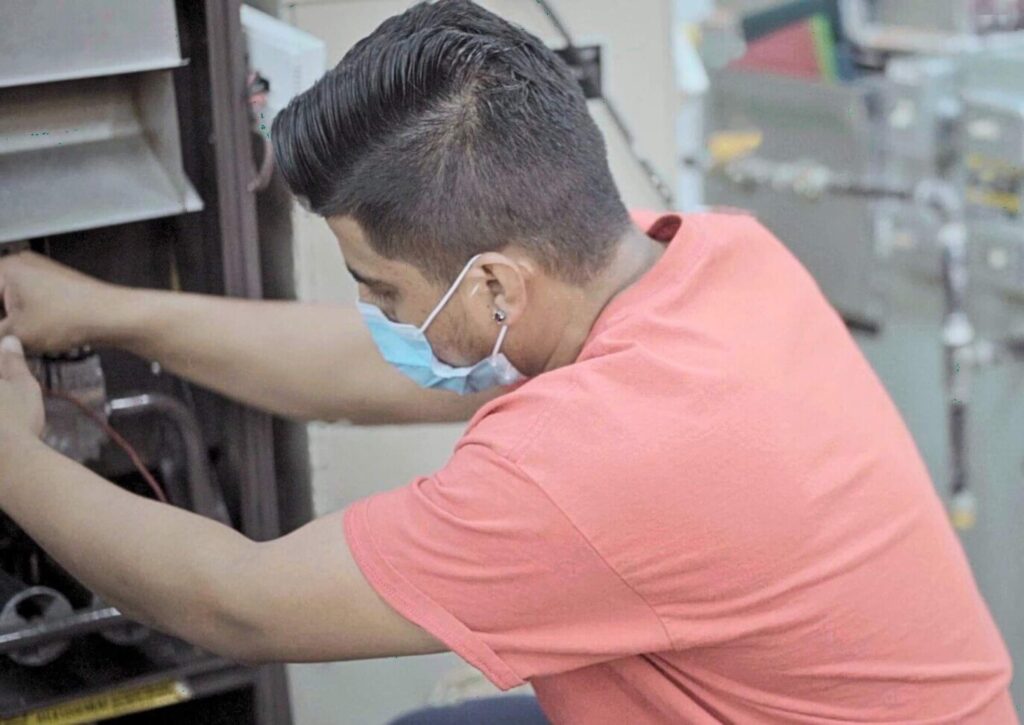
As technology advances and HVAC systems become more sophisticated, the demand for skilled troubleshooters in the industry will continue to grow. Therefore, ongoing training and practice in troubleshooting are essential for any HVAC technician aiming for success in this field.
The journey toward mastery in this field continues after completing HVAC technician training. One of the most critical skills that separates novice technicians from seasoned experts is the ability to troubleshoot HVAC systems effectively. It enhances job performance and customer satisfaction and ensures system efficiency, safety, and cost-effectiveness. This blog post explains why troubleshooting is indispensable in the HVAC industry.
The Necessity of Troubleshooting Skills
Troubleshooting is an essential part of HVAC work. It involves diagnosing and resolving problems in heating, ventilation, and air conditioning systems. This skill is crucial due to the complexity of HVAC systems, which can result in various issues. A technician’s ability to quickly and accurately identify and solve these problems can significantly impact system performance, customer satisfaction, and business reputation.
Enhancing Job Performance and Customer Satisfaction
Technicians skilled in troubleshooting after HVAC technician training can swiftly identify and resolve issues, which is crucial in minimizing client disruptions and inconvenience. This prompt response not only mitigates the downtime experienced by clients but also plays a significant role in boosting their satisfaction. Satisfied clients are more likely to share positive feedback and recommend the technician’s services, enhancing the technician’s reputation for reliability and expertise.
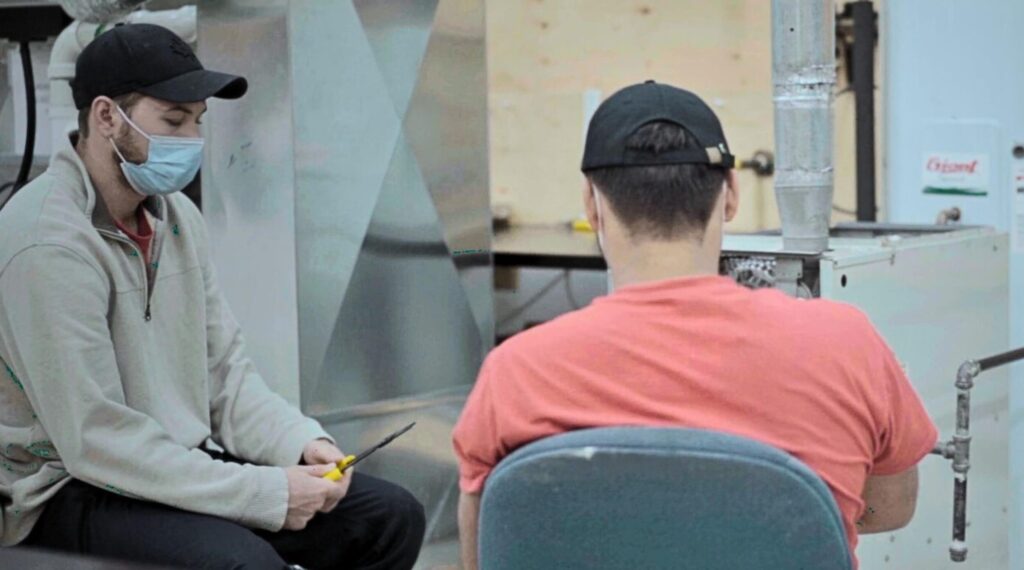
In an industry where reputation and word-of-mouth recommendations are vital, excelling in troubleshooting can be a key differentiator. It opens doors to new business opportunities and fosters career growth. By consistently displaying solid problem-solving abilities, technicians can establish themselves as trusted experts in their field, attracting a more extensive clientele base and potentially higher-profile projects. This virtuous cycle of proficiency, satisfaction, and growth underscores the importance of troubleshooting skills in the professional development of technicians.
HVAC Technician Training Emphasizes the Importance of System Efficiency and Safety
Proper troubleshooting is essential for ensuring that HVAC systems function efficiently. This meticulous process goes beyond mere repairs, playing a crucial role in conserving energy and significantly extending the lifespan of the equipment. Efficient troubleshooting is not just a matter of operational performance; it’s a critical safety measure. HVAC systems comprise complex electrical components, potentially hazardous refrigerants, and other elements that could pose significant risks if mishandled. It is essential to know the sequence of operation for the appliance you are diagnosing.
As our HVAC technician courses emphasize, accurate diagnosis and timely repair are imperative to minimize these risks. Doing this ensures the safety of the technicians working on these systems and the clients using them. This approach promotes a sustainable, energy-efficient, and safe environment, highlighting the importance of expertise and attention to detail in HVAC maintenance and repair.
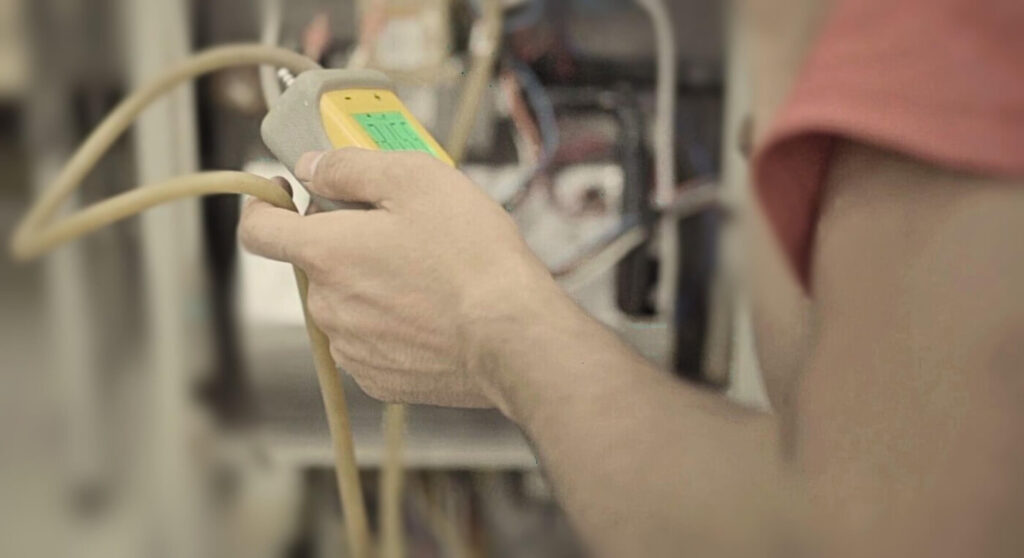
HVAC Trouble Shooting Ensures Cost-Effectiveness
The economic impact of adept troubleshooting in technical fields, particularly for HVAC technicians, is profound. When technicians are keen to diagnose and resolve issues accurately, it substantially reduces unnecessary replacements and repair expenses. This efficiency in troubleshooting is not only financially advantageous for the service provider but also for the customer.
Avoiding superfluous replacements means lower client costs, while service providers benefit from reduced expenditures on parts and labor. This mutually beneficial scenario highlights the significance of proficient troubleshooting skills. It contributes to a sustainable business model where cost-effectiveness is paramount, leading to greater customer loyalty and a more robust market reputation for the service provider. Effective troubleshooting is a cornerstone for financial prudence in the maintenance and repair sector, creating a win-win situation for both the service provider and their clientele.
Do you want to earn an HVAC technician diploma?
Contact NATS for more information.
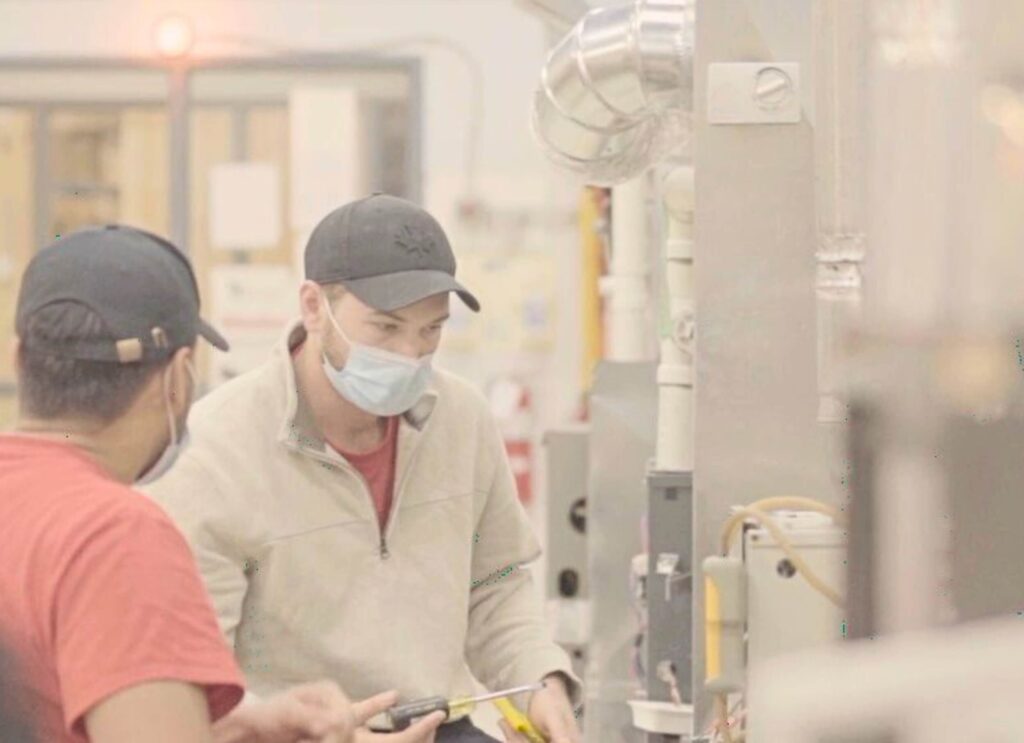
Just as the saying goes, to know where something is going, you have to know where it’s been. For students just starting their HVAC technician training, exploring and understanding the history of HVAC systems is crucial. It provides valuable context for their studies and sets the pace for future endeavours.
HVAC technology has seen substantial advancements, transforming how we manage indoor heating, cooling, and ventilation. These innovations improve our living and working conditions and prepare us to meet the demands of future climate challenges. Because of this, it is important to look back at where it all began. Let’s explore a brief history of HVAC.
HVAC Technician Training Explores Its Ancient Origins
Our forebears were already developing basic HVAC systems before the first HVAC technician training program was even created. The ancient Romans represent a significant example of early recorded instances of designing heating and cooling systems.
In a system that has now been termed and acknowledged as a “hypocaust,” the Romans used to circulate hot air underneath their floors using a specific technique. The air was channeled through raised pillars, warming the room and delivering essential indoor comfort for its occupants.
The Romans were not alone, the Egyptians also used an interesting technique to cool indoor spaces. The use of wet reed mats to provide indoor cooling, which was then considered a unique evaporating cooling technique, harnessed the natural cooling effect of water evaporation.
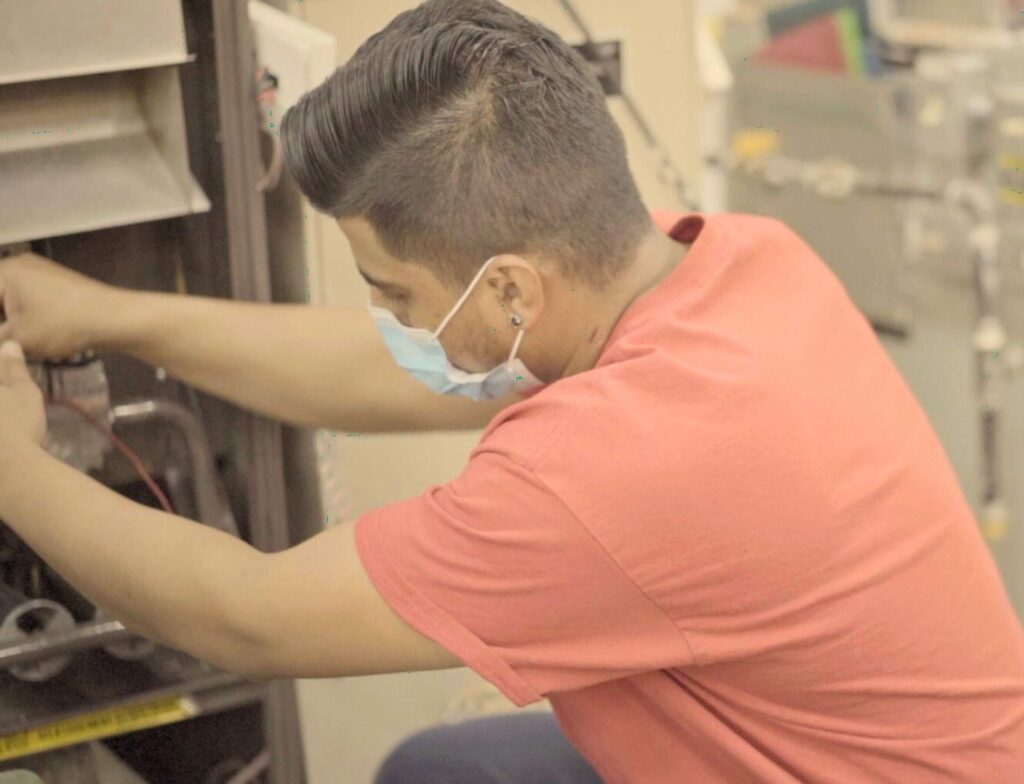
How the Industrial Revolution Influenced Early HVAC Development
The advent of the Industrial Revolution in the 19th century sparked many significant advancements in heating and ventilation technology, especially steam heating. As industrial innovation and technology continued to pick up steam, so did steam heating systems.
These steam heating systems depended on boilers to heat water and channel steam through pipes leading to radiators. These radiators then dispersed the heat across strategically placed openings to warm the rooms. Concurrently, mechanical ventilation systems became prevalent in Western homes, significantly advancing residential climate control.
When Willis Carrier invented the first mechanical air conditioning unit in 1902, a new dawn in indoor climate control/conditioning beckoned. The entry of refrigerants, such as freon, in the 1930s would later boost the operational quality and efficiency of air conditioning systems, changing the game.
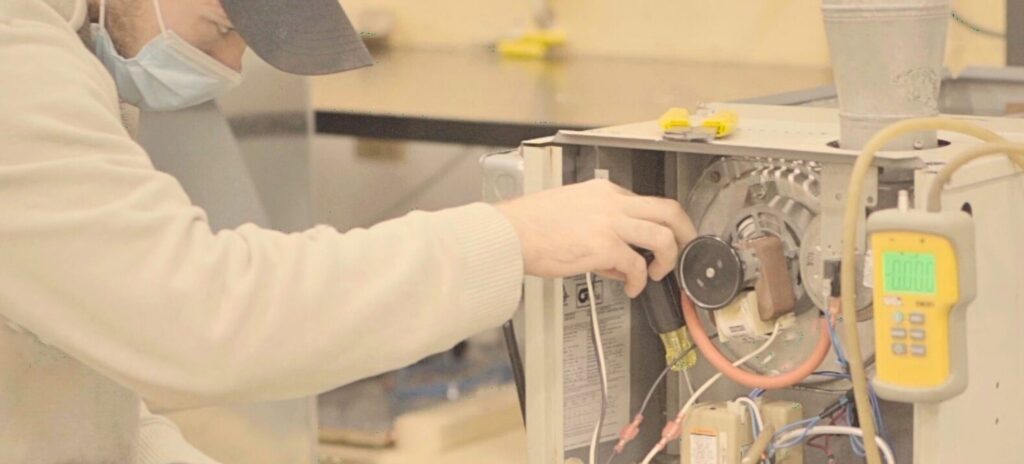
The Effect of Contemporary Technological Advancements
Over the past two centuries, HVAC technology has advanced quickly due to progress in engineering, materials science, and environmental consciousness. Innovations began with the introduction of freon-like refrigerants and were followed by advancements in digital controls, the integration of renewable energy sources, and improvements in energy efficiency. Such advancements include inventions like programmable thermostats for energy efficiency and the integration of smart HVAC controls for remote monitoring and automation.
The HVAC industry’s focus has shifted entirely towards energy efficiency and sustainability. Smart HVAC controls and eco-friendly refrigerants are becoming more common, with innovative solutions continually emerging.
Students in our HVAC college learn all about these innovative solutions, with their coursework now focusing on things like renewable energy systems and energy-efficient HVAC technologies.
Students from our training program applaud the quality of education and support they get. Jason Boyer is one of those students and a now-practicing technician. In his words, “I choose NATS because it is a hands-on school; they teach you what you need to know and you apply the knowledge in the lab, and there’s a lot of skilled technicians with the experience and know-how there.”
This emphasis on cutting-edge technology and sustainable practices ensures that our graduates, like Jason, are prepared to excel in their careers and lead the industry toward a greener future. At NATS, we pride ourselves on providing education that is both relevant and transformative, equipping students with the skills and knowledge to thrive in a rapidly evolving HVAC landscape.
Do you want to become an HVAC technician?
Contact NATS today to learn more.
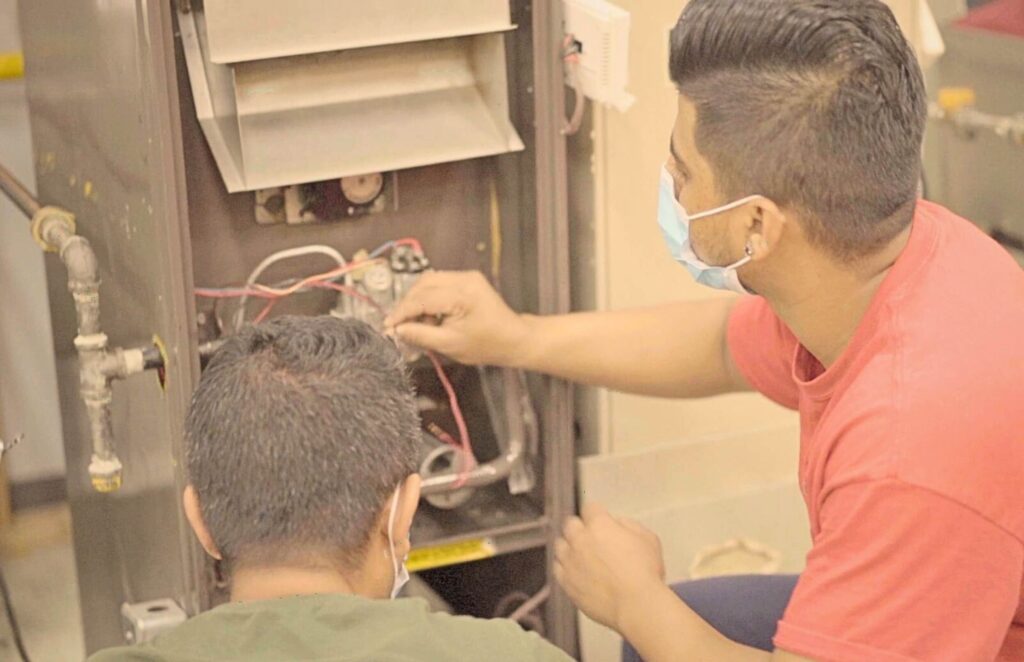
Traditionally, Heating, Ventilation, and Air Conditioning (HVAC) professionals are known for playing an integral role in maintaining the comfort and safety of indoor environments. Yet, the HVAC field is vast, with many career paths beyond traditional settings. These days, being an HVAC technician means not being limited to indoor or residential spaces alone.
HVAC training graduates possess a skill set in high demand, thanks to the essential nature of climate control in residential, commercial, and industrial spaces. Here, we explore three interesting non-traditional work settings where HVAC training graduates can apply their skills and knowledge, each offering unique challenges and opportunities for career growth.
1. Make an Impact on Environmental Conservation in Renewable Energy Sectors
The push towards sustainability and renewable energy has opened new avenues for HVAC professionals. In this sector, HVAC technician training graduates can work on integrating heating and cooling systems with solar panels, wind turbines, and other renewable energy sources.
This environment is about installing or repairing traditional systems and innovating and working on the cutting edge of eco-friendly technologies. Professionals in this field have the opportunity to contribute to the development of green buildings and energy-efficient homes, making a tangible impact on environmental conservation and energy independence.
2. Industrial and Manufacturing Plants Provide a Stimulating Work Environment
HVAC specialists encounter complex and wide-ranging difficulties in industrial settings that are absent in residential or commercial contexts. To maintain the integrity of the items being created and the safety of the workers, manufacturing plants and other industrial facilities heavily rely on sophisticated HVAC systems to regulate environmental conditions. These systems must be designed with large-scale area ventilation and temperature control within strict parameters. In these settings, regulations such as this are central to the specialized manufacturing processes within the facility.
To succeed in this field, budding HVAC technicians must thoroughly understand industrial operations. Armed with insights from their completed HVAC technician courses, they must understand how differing environmental conditions might affect various manufacturing phases and how crucial it is to set up HVAC solutions to satisfy these requirements.
Working in such environments can demonstrate one’s capacity for large-scale system design and management and advance technical competency and problem-solving skills. In addition to technical expertise, the position requires the ability to think creatively and to guarantee that HVAC systems seamlessly integrate with the particular needs of every industrial process.
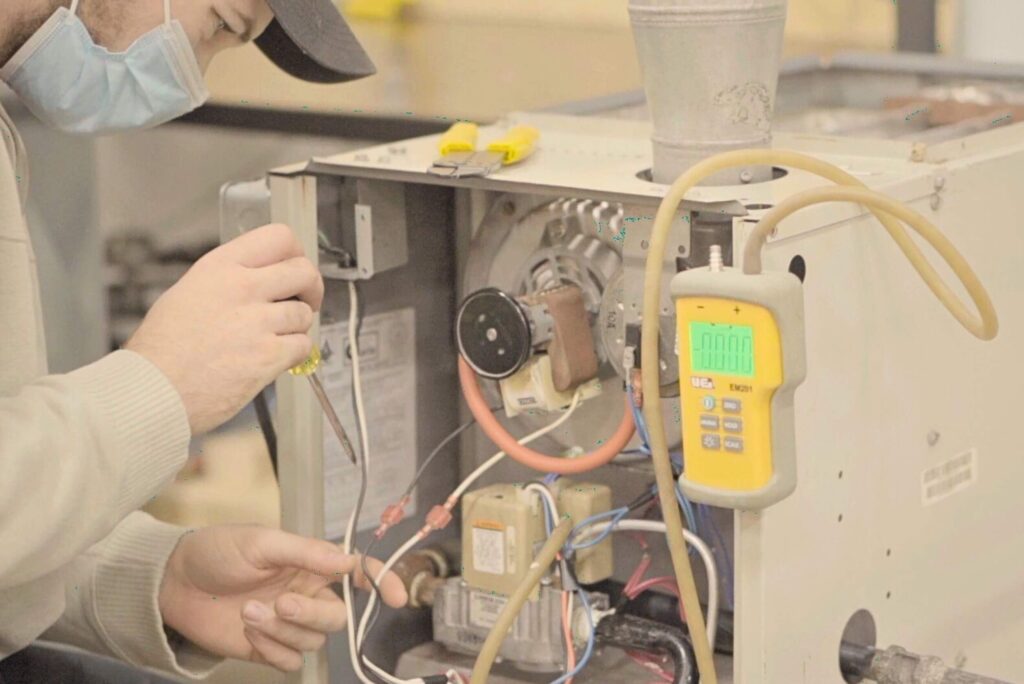
3. Explore Healthcare Facilities Opportunities After HVAC Technician Training
Healthcare facilities like hospitals, clinics, and research laboratories demand exacting climate control to uphold sterile conditions and guarantee patient comfort. This presents a distinct set of challenges for HVAC professionals. Professionals who work in these environments are tasked with installing and maintaining systems that regulate temperature, humidity, and air purity. Given the high stakes of healthcare settings, HVAC technicians and engineers in this field must navigate and comply with rigorous regulations and standards to ensure their systems support the facility’s vital operations.
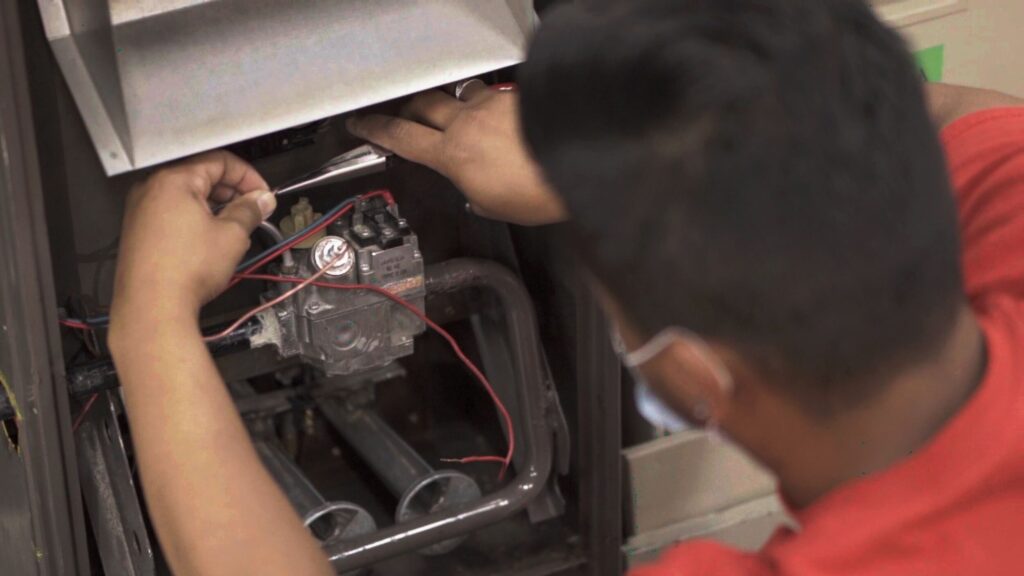
This setting offers HVAC graduates technical hurdles and the fulfilling opportunity to play a key role in patient care and safety. Their work directly impacts the healing environment, contributing to the well-being of patients and the efficiency of healthcare processes. This sector uniquely blends engineering and technology challenges with the human aspect of healthcare, making it a profoundly rewarding field for HVAC professionals dedicated to making a difference.
Are you interested in an HVAC technician career?
Contact NATS for more information.