Author: toppyhem
4 Reasons to Consider a Career as a Construction Millwright After Welding College
October 18, 2022



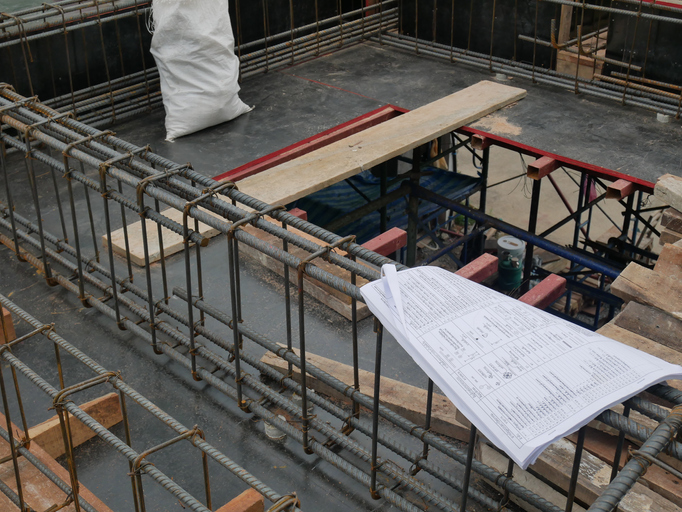
Construction millwrights are responsible for installing, maintaining, troubleshooting, and repairing industrial and mechanical equipment. If you enjoy working with machines, are good with your hands, and like to practice your problem-solving skills, this could be the perfect career path for you. Some core responsibilities include reading schematic drawings, blueprints, and diagrams in order to guide your work. In addition, construction millwrights inspect equipment in order to identify malfunctions to be fixed.
On your path to becoming a construction millwright, you’ll have the opportunity to develop many specialized skills that will help you become a sought-after professional in a thriving industry. Are you still wondering if this path is right for you? Here are four great reasons to pursue a career as a construction millwright.
1. The Chance to Work in a Variety of Settings
As a construction millwright, some of your most common employment opportunities will be in the manufacturing, construction, industrial, mining, and electrical industries. This presents you with a range of options when it comes to work environments to explore. Don’t know what sector to start with? No problem! There are so many areas to choose from–if you try one and dislike it, you can simply try another. After completing welding classes and your apprenticeship, you could choose to work in a warehouse, in a construction firm, or in a manufacturing plant.

2. Plenty of Full-Time Positions Available Due to a Labour Gap
Several industry trends have contributed to a labour demand for construction millwrights in Canada, which you should definitely take advantage of. Because of recent economic growth in Canadian manufacturing, there’s been a growing need for personnel that have the skills to service and maintain manufacturing equipment. In addition, large investments in the mining and nuclear power industries have skyrocketed the need for construction millwrights in those sectors as well. Because of this growing demand, you likely won’t struggle to find work for the time being. The assurance of stability is always an excellent reason to consider a career path.
3. Exercise Several Skills on the Job After Welding College
Once you’ve completed the necessary welding technician training and developed the practical skills you need to become a construction millwright, there will be plenty of opportunities to put your many skills to the test.
Troubleshooting equipment will be one of your main duties as a construction millwright. For this reason, you’ll have plenty of chances to practice your problem-solving skills. In addition, interpreting blueprints and diagrams will be a part of your duties, which requires visual-spatial skills. Construction millwright work will provide ample opportunity to polish this specialized skill, which doesn’t always come naturally to people. Other essential skills you can polish during your training and on the job include attention to detail and adaptability.
4. Earn as You Learn During Your Apprenticeship
One grievance that many people have when they decide to change their careers is the cost of training for a new job. When you have familial obligations and bills to pay, this can be a big obstacle. However, after training to become a construction millwright through welding college, you can choose to earn as you learn by applying for an apprenticeship. Looking for the right program to prepare you for learning on the job? In the Structural and Pressure Vessel Welder Diploma program, you’ll learn the fundamentals of welding and have the opportunity to put your knowledge to practice in the labs. With the right skills and experience, you’ll be ready to step into a paid job in no time.
Ready to enroll in welding college?
Contact NATS for more information!
Residential vs. Commercial Wiring: A Guide for Those Considering Electrician Training
October 11, 2022

Do you want to launch a career as an electrician? If so, you’re in for a dynamic, interesting, and lucrative work life that will give you the opportunity to collect many valuable experiences and use them to seek higher positions. During your electrical apprenticeship, you’ll likely have the opportunity to explore both residential and commercial wiring. This will allow you to decide on your area of focus down the line as a licensed electrician.
To get you thinking, here are some of the key differences between residential and commercial wiring and what to keep in mind when doing both types of work.
Different Materials Are Used for Residential and Commercial Wiring
One notable difference between commercial and residential wiring is the material the wires are made from. Residential wires, which are typically hidden behind drywall, are only covered with a thin PVC sheath. Commercial wiring typically has a greater amount of insulation in order to withstand higher temperatures. The wires are usually protected by a thick sheath of Nylon, a tough thermoplastic that makes an excellent electrical insulator. In addition, commercial wires are held to higher codes than residential wiring, so higher-grade materials are needed.
A Conduit Is Always Used For Commercial Wiring
An electrical conduit is a metal or plastic tube through which an electrical wire is run; the primary purpose is to protect the wires. After electrician college, you’ll find that the use of conduits depends on local codes. That being said, conduits are generally considered a must in commercial settings. They are used for residential applications as well, primarily when the wire remains exposed as they would be in an unfinished basement, crawlspace, or attic.

After Electrician Training, Load Capacity Will Differ For Commercial and Residential Wiring
Electrical load capacity refers to the total amount of power provided by a building’s main source of power. In general, a commercial setting will have a higher load capacity than a residence. Usually, a single-phase circuit of 120 volts is used. Single-phase systems require only two lines–one for power to enter and a return path. For appliances like refrigerators, washers, and dryers, two-phase systems of 240 volts are used.
When you work in a commercial setting after electrician training, you’ll find that three-phase systems are used, which are comprised of two 120-volt legs and a wider 208-volt leg. This system reduces the load on each individual line while maximizing the overall output of an electrical circuit.

Ease of Access Differs Depending on the Type of Wiring
With residential wiring, safety and aesthetics are the main priorities. For this reason, wires are tucked away and out of sight. This makes residential electrical lines a bit less convenient to access. Commercial wiring on the other hand does not require as much consideration for aesthetics, so they’re often easy to access.
The Construction Maintenance Electrician program at NATS will teach you the ins and outs of residential, commercial, and industrial electricity. In addition to electrical theory, you will leave the program with well-rounded practical skills in code interpretation, circuit building, and print reading. As a result, you will be ready to take up an electrical apprenticeship confidently and competently.
Ready to start electrician school?
Contact NATS for more information!
5 Opportunities For Advancement After Construction College
October 04, 2022

Learning the core principles of electricity and construction is a great way to begin your career. However, you may be wondering exactly how you might continue to advance your career after graduation. Work is often more satisfying when there are opportunities to progress and seek higher, more lucrative positions for yourself. Luckily, you have many options at your disposal when you train as a Construction and Maintenance Electrician with the North American Trade Schools. Below, explore five great opportunities for advancement available with the skill set you’ll gain during your program.
1. Start an Electrical Apprenticeship to Open Doors in Your Career
Electrical construction is a lucrative and interesting field with many opportunities for career advancement and many different work environments to choose from. To open doors in this field, you should first enrol in an electrical apprenticeship after construction college with NATS. This way, you’ll gain all of the hands-on experience you’ll need to wire industrial or residential buildings safely and effectively. When looking for an apprenticeship, do your research and select a reputable company that consistently leaves customers satisfied. You’ll want to learn how to be an outstanding electrician first in order to continue advancing your career.

2. Become a Journeyman Electrician After Construction College
A journeyman electrician is qualified to work on all sorts of electrical systems. The job includes installing, repairing, and maintaining these systems within various settings. After completing your training, taking a four-year apprenticeship, and completing 6000 hours of technical, on-the-job training, you’ll be equipped with the skills for this career. The experience you gain in this position will prepare you to become a master electrician, which will significantly increase opportunities for growth and earning potential.
3. Consider Becoming an Electrical Inspector
After you’ve been working in the field for some time and have developed a degree of expertise, you might consider becoming an electrical inspector. The position involves inspecting generating systems, appliances, electrical wiring, and motors. You’ll work primarily on construction sites and in homes, ensuring that electrical systems are up to code and in good working condition. An electrical inspection may also involve making repairs to bring systems up to standard.

4. Are you a Good Teacher? Become an Electrical Instructor
Once you’ve gained confidence in your skills after graduating from construction school, instructing is a great option. This career path is very rewarding as you can use your knowledge and experience to help others pursue a career they’re passionate about. Responsibilities include planning and preparing learning materials, teaching the core principles of electrical technology, and adapting teaching methods to meet the needs of each student. In some cases, you may be asked to contribute to program planning.
5. Work For Yourself as a General Contractor
Have you always wanted to try your hand at business? You’re certainly not alone. Entrepreneurship can be extremely lucrative and fun, especially in the construction sector! Once you’ve become a master electrician, which involves three years of field experience and passing a licensing exam, you can run your own electrical company and enjoy the freedom and limitless possibilities that come with entrepreneurship. General contractors have the opportunity to work in industrial, commercial, and residential environments, depending on what clients they cater to.
Ready to start your path in one of the construction careers?
Contact NATS for more information!
Interested in Home Renovation School? The Benefits of Home Remodeling
September 27, 2022

Are you thinking about pursuing a career in home renovation? If so, there are many amazing benefits in store for you. As a renovation technician, you will be able to improve the lives of your clients by transforming their living spaces. Of course, you can enjoy the same benefits you provide for your clients in your personal space and that of your friends and family. Here are just a couple of benefits to home remodelling–perhaps these awesome perks are enough to spur the beginning of your career in home remodelling!
Save Money When You Become a Home Renovation Technician
Home remodelling (even the simplest part of the process) is costly. Through a variety of courses in carpentry, including: framing, drywall, flooring, tiling, siding and stairs, you’ll be able to save thousands of dollars and spend the additional funds on that beautiful marble countertop or that new king-sized bed. You can transform your home on a budget when you get the training to complete certain projects on your own safely and effectively.
At the same time, know that many people are willing to spend a hefty amount of money on getting their dream home in shape. There’ll be no shortage of projects for you to take on during your career after home renovation school.

Increase the Value of Your Client’s Home–And Your Own!
Amidst an extremely expensive market, many of your clients will be looking to ensure their homes are in top-notch shape to sell, so they can receive the highest possible return on their investment. When you have the skills to remodel a client’s home, you can make it more attractive to prospective buyers, and play a crucial part in increasing its value. Everything from decks and railing to roofings and door trims will be important parts of getting a home ready for the market.
And don’t forget, the same applies to your own home. If you’ve been meaning to remodel your home with the goal to increase its market value, now’s the time!
Renovation Allows You to Customize Your Space
For the same reason that so many people are choosing to sell their homes, others are trying their best to avoid moving. Instead of purchasing an expensive new home, many people wish they were able to customize their spaces to suit their changing needs–and avoid the trouble and expense of house hunting. What about you? Are there any adjustments you would love to make to your home? When you become a home renovation technician, you can bring your vision to life and create a space completely tailored to your needs and preferences.

Renovations Can Help Boost Functionality
Often when the topic of home remodelling comes up, it’s assumed that the focus will be on aesthetics. In reality, it’s the functionality of a space that has the power to improve a homeowner’s quality of life. When you learn the basic principles of home renovation, you’ll be able to make simple adjustments that you may not have otherwise considered. For example, you can make more use of vertical space by installing attractive and spacious cabinetry. To prepare for the next step in your career–whether that’s a cabinetmaking apprenticeship or a career in architectural millwork–North American Trade Schools is here to offer the support you need to safely and effectively complete life-changing home renovation projects.
Ready to start home renovation training?
Contact NATS today!
Considering a Home Inspection Career? Signs of Poor Home Workmanship
September 15, 2022

The condition of a person’s home has the potential to greatly affect their quality of life, for better or worse. If you’re passionate about helping others, have a keen eye for detail, and are interested in the construction industry, a career in home improvement could be perfect for you. You can play an essential role in a client’s home buying process, highlighting issues that could guide price negotiations in addition to giving your clients an estimate for the repairs they’ll have to do once they move in.
In many cases, home inspectors use their expertise to detect problems that could cause major safety concerns when left unfixed. If you’re considering this career path, you may be wondering what signs you should be looking out for. Here are some signs of poor home workmanship to take note of outside, inside, and in the foundation of your clients’ homes.
Signs of Poor Workmanship on the Outside of a Home
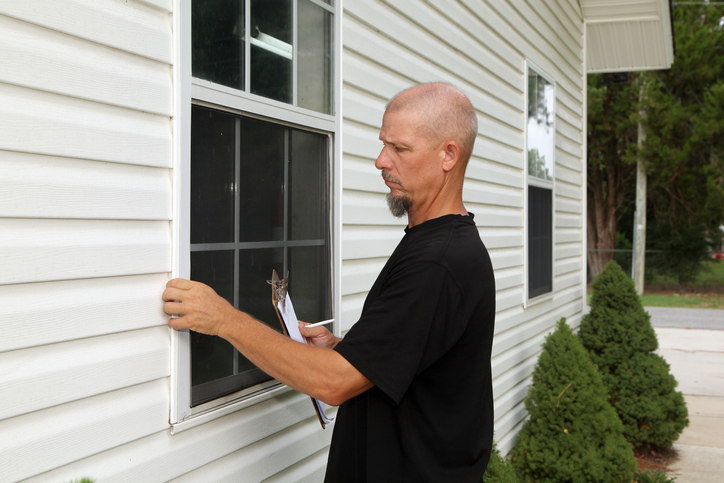
When you begin your home inspection on the outside of a client’s home, the windows, doors, patios, decks, and concrete surfacing should be your main focus. Look at the way windows are sealed; if you notice condensation between the glass on thermal windows, this is a sign of a failed seal. This can result in higher energy bills for your clients, mould and mildew growth which can affect air quality over time, and draftiness. Doors with seal failure might create the same energy efficiency problem as windows.
Watch out for cracks in the walking surface of patios and where they intersect with the wall of the house. Throughout your home inspector career, watch for concrete cracks as well, as this can be an indication of soil that was not properly prepared before the concrete was installed.
Signs of Poor Workmanship to Look for Inside a House
Inside your clients’ homes, look for cracks in the drywall, as this can indicate soil movement or structural issues. Watch for uneven floorboards, tile cracks, water marks under the carpet or linoleum, and discoloration–these can all indicate water infiltration that occurs as a result of cracks in the foundation. Pay attention to the temperature inside the house. If there’s a problem controlling the temperature inside, faulty HVAC systems are likely to blame. Observe how the switches and electrical outlets work as well.

Signs of a Bad Foundation to Watch for During Your Home Inspection Career
As you’ll learn in home inspection training, many of the most common and detrimental problems in a house are difficult to observe right away. For example, construction flaws in a house’s foundation can be difficult to spot at first. Check for sagging floors, peeling wallpaper, damp crawl spaces, protruding nails, doors that won’t close properly, and cabinets and countertops that separate from the walls. Here at the North American Trade Schools, we teach students about every component and system within a house, including roofing, structure, electrical, heating, air conditioning/heat pumps, plumbing, exterior, insulation, and interior so that their clients can rely on their consulting services.
Ready to become a home inspector?
Contact NATS for more information!

HVAC (Heating, Ventilation and Air Conditioning) systems are great for making life more comfortable. But when they’re not installed properly, they can be dangerous–causing fires, explosions or emitting toxic fumes. If you’re considering a career as an HVAC technician, you’ll be responsible for installing, repairing and maintaining these systems. In order to do so safely, you’ll need to be well versed in industry regulations and practices. When working with systems that utilize natural gas, propane, butane, hydrogen, methane, and mixed gasses, you’ll be adhering to a variety of gas codes or guides that dictate how to safely install and repair these systems based on the type of gas you’re working with.
At North American Trade Schools (NATS), you’ll become familiar with relevant gas codes–in addition to building other practical skills and knowledge for a career as an HVAC technician. Below, learn more about what gas codes are and why your knowledge of them will be important after completing your HVAC training at the North American Trade Schools.
What are Gas Codes?
Gas codes are used by technicians and inspectors to guide the safe installation of appliances and piping. As an HVAC technician, you’ll need to ensure that you’re familiar with the codes in the municipality where you’re working before installing, repairing or inspecting a fuel system. There are several key codes to follow when it comes to working with fuel systems. For one, you’ll learn about the International Fuel Gas Codebook (IFGC), a widely used guide agreed upon by engineers but not to be confused with manufacturer codes. Manufacturer codes supersede the IFGC when the two conflict, as all products from manufacturers, are tested by regulatory agencies before approval.

What’s in the International Fuel Gas Codebook?
The International Fuel Gas Codebook contains eight chapters of important safety information. In your HVAC technician courses, you’ll receive guidance on how to interpret and apply the information in the IFGC to your work on site. The first chapter deals with administration; defining what is covered under each code and the provisions put in place for departments of inspection. The second chapter covers important definitions. Chapter three outlines general safety regulations such as hazardous locations for appliances, combustion, dilution air, and ventilation requirements. The following chapters outline best practices for gas piping installations, chimneys and vents, specific appliances, gaseous hydrogen systems and more. Equipped with the knowledge of the IFGC after your training, you’ll be prepared to safely and knowledgeably perform work on any HVAC system.

When Can You Expect to Use Gas Codes as an HVAC Technician?
When you begin your career in HVAC, you’ll use the IFGC and other regional and manufacturer gas codes to guide your approach to installing, maintaining, and repairing gas systems. Throughout your career, you’ll want to consistently refresh your knowledge of gas codes, keeping updated on any regulatory changes.
If you’re seeking a career as an HVAC technician, it’s important to prepare for the workforce with hands-on instruction and gain practical experience using state-of-the-art equipment. At NATS, our HVAC Technician Diploma Program offers a high level of support for students, and you can expect to learn everything you need to know about gas codes and safety regulations from our experienced instructors.
Ready to start HVAC school?
Contact NATS today!

Are you looking for an interesting, dynamic career that’s in high demand? Ironwork is an excellent choice for anyone seeking hands-on work that allows them to enjoy variety and excitement. Ironworkers install structural and reinforced iron or steel to support buildings, bridges, and roads. As a trained ironworker, you’ll essentially help to build the structures that make a town or city function optimally–how rewarding!
In addition to being an interesting and stimulating occupation, a career in ironwork can provide you with the stability you’re looking for, since the demand for this skill will grow for years to come. Before you become an ironworker, there are several technical skills to learn. If you’re interested in pursuing this path, an apprenticeship is a great place to start. Wondering what it’s like? Keep reading to find out.
Every Day Starts With Safety
In class labs, any hands-on work you do will put you at risk of injury if you neglect safety practices. You should always start your day by making sure you’re wearing the right safety gear. In welding class, you’ll need a welding helmet, welding gloves, earplugs, heat-resistant clothing, and steel-toe boots.

Depending on your job, you may be required to wear additional safety gear such as respirators and safety harnesses. Always be aware of your surroundings and make sure you’re up-to-date on all of the necessary safety training for your job site.
Learn the Skills You Need Using State-of-the-Industry Equipment
By taking welding classes at North American Trade Schools, you’ll learn both the theoretical and practical skills you need to succeed in your ironworking career. In addition, you’ll have access to modern state-of-the-industry equipment that will prepare you for work in the real world.
In your welding technician training, you’ll learn several fascinating skills. Gas Metal Arc Welding (GMAW), for example, is where an electric arc is the power source that causes metals to fuse. It’s considered a simpler process than Gas Tungsten Arc Welding (GTAW) which uses a non-consumable tungsten electrode to fuse metals and offers a cleaner finish.
Those are only a few of the competencies you’ll develop in class. Of course, to kick-start your ironworking career, you’ll want to get out there and see what it’s about for yourself. That’s where the next part of apprentice life comes in.
Put Your Skills From Welding Classes to Good Use on the Job
As an apprentice ironworker, you can expect to fulfill all sorts of duties which is great if variety is the spice of your life. You’ll probably start by doing basic but fundamental tasks like reading blueprints, welding, directing crane operators, and erecting steel structures. As you gain more experience on the job and have more opportunities to use your skills from welding class, your responsibilities will advance.

Working with a team of skilled ironworkers is such a crucial part of your journey as you will build important relationships and learn an array of skills–both practical and soft–where you’ll have support as you progress.
Interested in welding college?
Contact NATS to learn more!
5 Soft Skills Necessary for Success in Construction Careers
August 23, 2022

Construction careers are multi-faceted and they often require workers to wear multiple hats and carry out a wide variety of duties. In addition to practical construction skills, there are several soft skills that can boost your ability to reach your career goals. The soft skills you’ll develop in training and on the job sites will help you create the right mindset to face workplace challenges head-on. Let’s explore a few of them!
1. Effective Communication Skills Are a Must for Efficiency on Site
Effective communication is the key to a productive construction site. It involves being able to listen, understand, and express yourself accurately and clearly. There are several types of communication that every aspiring construction worker should master. Not only will you need to have the skills to coordinate with your co-workers but also with clients and different people across the supply chain. Each type of interaction requires you to communicate differently.
2. Use Your Knowledge from Construction College to Develop Problem-Solving Skills
Throughout your construction career, you’ll likely be required to come up with solutions to pressing issues on the spot. This certainly takes practice, but with the right training from a construction college and some experience under your belt, you will have the knowledge you need to quickly weigh the pros and cons of different solutions and make the right decision for the issue at hand. Want to develop a mind for problem-solving? You’ll have the chance to exercise these skills in our Construction & Maintenance Electrician Pre-Apprenticeship program where you’ll learn to come up with different home wiring solutions, how to interpret codes, analyze and repair machine controls, and more.

3. Mental Clarity and Focus With Stress-Management Skills
In a construction career, there will be a lot going on around you and often many different tasks will demand your attention at once. Though this is the perfect work environment for someone who likes a dynamic, hands-on work life, you’ll certainly experience some stress from time to time. Your ability to manage it will determine the extent to which you can perform your duties with mental clarity and focus. You can practice stress management throughout construction school by managing your time well, practicing self-care, and asking for help when you need it.
4. Be Flexible and Adapt to Work Through Inevitable Setbacks
As we discussed, construction sites can get very busy and on any given project, there’s a possibility that something will go wrong–or at least not exactly according to plan. In situations like these, it’s important to be able to quickly adapt to new circumstances and work with whatever you have at your disposal to get the job done. Your team will certainly appreciate your ability to switch gears and prioritize tasks sensibly when setbacks arise and you’re prepared to relocate when needed.

5. Have Commercial Awareness to Ensure Profitability
Whether you plan to run your own construction business or be a valued team member, understanding commercial demand will help you produce results that clients are happy with. In addition, commercial awareness helps you adapt to market trends and world events that may affect the construction industry. One way to improve in this area is to regularly keep up with construction news. In addition, by getting trained with us in both the classroom and in practical labs, you will learn everything you need to perform construction work up to an industry standard.
Ready to start training in one of the construction careers?
Contact NATS for more information!

A survey conducted by the online platform Billdr found that 39% of respondents would rather renovate their homes than sell them. This and other market factors reveal an upward trend in home renovation, which is excellent news if you have dreams about starting your own home renovation business.
You can turn your dreams into reality with the right training and mindset. As the owner of your own home renovation company, you’re not only a qualified builder; first and foremost, you’re a business owner.
Entrepreneurship comes with many benefits, like the freedom to determine your own hours and who you work with. That being said, as a budding entrepreneur, you might be wondering what you’ll need to do in order to ensure the growth and ongoing success of your home renovation business. Keep reading for a guide to starting your exciting career in home renovation.
Get the Right Training at Home Renovation School
Home renovation involves advanced knowledge of different parts, techniques, tools and equipment. While some people manage to pick up all the skills they need through hands-on experience, getting a diploma from a home renovation school is a much easier way to start. In the Home Renovation Technician program at NATS, you can expect to learn all the fundamentals of building work, such as basic plumbing, carpentry, interior and exterior finishes, cabinetry, star construction, stair installation, and roof construction. This kind of training will prepare you to take on a range of complex projects with confidence in your home renovation business.

Make a Plan With Specific Goals
After you’ve become a home renovation technician, it’s time to make a specific plan. Your plan should take several factors into account, including home renovation trends in your area, the strengths and weaknesses of your business, quantified objectives, predictions, and actionable steps to get there. Perhaps you’re familiar with the SMART model for effective goal setting. You’ll want to set business goals that are Specific, Measurable, Achievable, Relevant and Time-bound. Consider writing a business plan to provide yourself with a clear direction and more focus. Perhaps you want your business to specialize in a certain area of home renovation, or reach a specific clientele base. Identifying your goals is the first step to realizing them.
Use Technology to Reach New Clients
While you should never underestimate the importance of word of mouth, technology is every business owner’s most valuable resource. It might be a pain to keep up with social media, build a website, and pay for online ads, but with over 96% of Canada’s population regularly using the internet, you can’t miss out on the opportunity to reach clients online. Whether you post pictures of your great work on social media or you reach your ideal buyer through targeted marketing, you’ll be sure to increase the number of eyes on your business. If you don’t consider yourself tech-savvy, remember that you can always outsource your marketing to another company.

Choose Your Team Carefully
As discussed briefly, one of the best parts of entrepreneurship is your ability to choose who you work with. As your business grows, you won’t be able to get it all done by yourself. However, even after you hire a group of professionals to help you with your projects, you might notice an urge to jump in to make sure everything’s going smoothly. This makes sense–your business is like a baby you’ve been nurturing for years and you want to protect it. However, micromanagement quickly becomes extremely inefficient. Invest as much time as it takes to find qualified team members who you can actually trust on your projects.
Excited to start your home renovation training?
Contact NATS for more information!

Various steps are involved in modern cabinetmaking, and correctly applying the finish is an important one. With the right finish, you can create beautiful and durable cabinets. That’s because applying the right finish plays a big role in helping you extend the lifespan of your cabinets.
Students interested in becoming professional cabinetmakers can complete their training and hone their skills, gaining the experience they need to successfully launch their careers. Here, they learn how to identify and select wood, read drawings, operate woodworking machines and even apply different types of protective and decorative finishes. Through the techniques you develop from your training, you can complete key cabinetmaking tasks (like applying the finishing) with confidence and skill.
Here’s how you can get started on creating masterfully finished cabinets!
Planning and Preparing for Your Cabinetmaking Project
Planning ahead is the most important step when starting a cabinetmaking project, especially when it involves applying finishes. First, you’ll want to make sure that your cabinets can handle the finish you choose. For a smooth finish, it’s best to look for close-grained wood species that are known to take paint well, like maple or poplar wood. If you plan on using open-grained wood, then you’ll need to use a wood grain filler.
Ultimately, you want to ensure that the cabinets you’re working with are in good shape. In addition to planning your timeline, you need to consider your materials. After taking cabinet making courses, you may be using a range of equipment, including a mask, brushes, gloves, tape, a sprayer and a drying rack. It’s also best to work in a clean space with a moderate temperature to help with drying your work.

Finishing Cabinets Efficiently After Cabinet Making Training
Finding the right finish depends on the style you want to go for. You can pick paint finishes or opt for stain ones. The former can help you create a modern aesthetic while the latter can produce a more traditional look. Generally, a paint finish allows you to apply a wide range of colours to your cabinets, while a stain finish is best used for emphasizing the wood. It should be noted that paint finishes aren’t as durable and stain finishes can be more time-consuming to apply.
When applying, you’ll want to thoroughly clean the items you’re working on and remove any grease or dirt. Here, wood filler can be used to fill in dents or cracks in the wood for an even finish.
Sanding is also a key part of this process. Before applying your primer and in between each coat of paint and primer, you’ll want to sand the surface. If you notice any sharp edges or corners, then sanding should be your go-to solution to smooth down surfaces and help the wood absorb the paint well. For a professional result, you can rely on an airless spray painting device.

Things to Keep in Mind When Finishing Cabinets
Remember, wood is easily influenced by moisture as well as extreme cold and heat. Although paint can slow down the wood’s changes, it loses its elasticity once it dries. This can create cracks or chipping. To prevent this from happening, you’ll need to put extra care into your preparation stage, properly sand your surfaces and let your work dry completely before moving on to the next steps.
If you’re using a stain finish or applying a new technique, then you may want to test and refine your work on a scrap piece of wood. This way, you can save your materials and boost your productivity. By completing your cabinet making training, you can gain the knowledge and skills you need to become a professional in the field. You’ll learn how to efficiently shape and cut wood, assemble components and work on the preparation of articles for finishing. With these insights, you can more confidently apply cabinet finishes and complete your cabinetmaking projects.
Thinking of going to cabinet making school?
Contact NATS for more information!