Author: toppyhem
Launching a Career in Store Fixture Construction After Cabinet Making Training
March 08, 2022



If you like working with your hands and enjoy woodworking, then a career in store fixture construction could be ideal for you. You’ll enjoy designing and installing fixtures for different clientele after you complete your training in cabinet making.
At NATS, we provide you with hands-on training in cabinet making, where you’ll learn about: design and layout, reading blueprints, using power machines and tools, and much more. These skills will make you a marketable candidate as you set out to launch your career. What kinds of careers could you work towards? Fortunately, there are quite a few options for you to look forward to, including a career working on store fixtures. The store fixture field is full of different opportunities to tap into, benefits to enjoy, and trends to stay on top of.
Read on to discover what awaits you in store fixture construction!
About Store Fixture Construction
When you choose to specialize in a field, it’s important to know what it’s about. Store fixture construction is the bread and butter of retail stores. The way that store fixtures are designed, made, and displayed bring out the functionality that stores need to show off their merchandise. Cabinet making training will allow you to design and install hardware according to customer specs and according to your recommendations. As a result, stores will rely on your expertise and skills to design functional customized fixtures that can display and hold specific products and items.

Experience Variety While Working in Store Fixture Construction
When you choose to specialize in the store fixture construction field, you’ll probably get the chance to work on several projects with different retailers. This will give you the chance to showcase your skills after your cabinet making courses. This career path will also provide you with variety, as you design and install different customized store fixtures for the different retailers that require your services. You’ll also have the opportunity to travel from time to time to different locations and stores across your city or even further afield. With a driver’s license, you can treat your work as a road trip as you drive from one retail store to the next, as you discuss with store owners and managers what fixtures you’ll create to fit their needs.
Check Out Store Fixture Construction Trends After Cabinet Making Training
Retailers are always trying to innovate and come up with new ways to make their store stand out. They want to make sure that they attract customers with fresh, eye-catching designs, and that means that they’re very interested in staying up to date on the latest trends affecting store fixtures. As a result, your career in store fixture construction will let you experience new trends as they make their way into the industry. Some retailers, for example, might be trying to move towards a sophisticated minimalist display of their merchandise using plenty of curves and angles. Minimalism is a big trend right now—especially in retail! However, as time goes on, you’re bound to encounter many other trends as they sweep through store shelves.

Minimalism is a big trend you might encounter if you work on store fixtures
Are you interested in cabinet making school?
Contact NATS for more information about our training programs!
Careers in welding are a great move for people looking for exciting, fulfilling, and rewarding careers where they can use their hands and specialized skills. If you’ve always wanted to travel, have your pick of different specializations in your career, or if you like being judged based on skill, it might be the path for you. Welding classes can set you on the right track to building your skills and discovering what you want to do within the world of welding. Graduates move on to become apprentices to ironworkers, pipefitters, construction millwrights, boilermakers, or welders. The opportunities are vast and you can find the place where you fit best.
If you’re thinking about welding training, it can be helpful to see why your future career could be a rewarding choice for you personally. Read on to learn what the profession has to offer and how you could benefit from it.
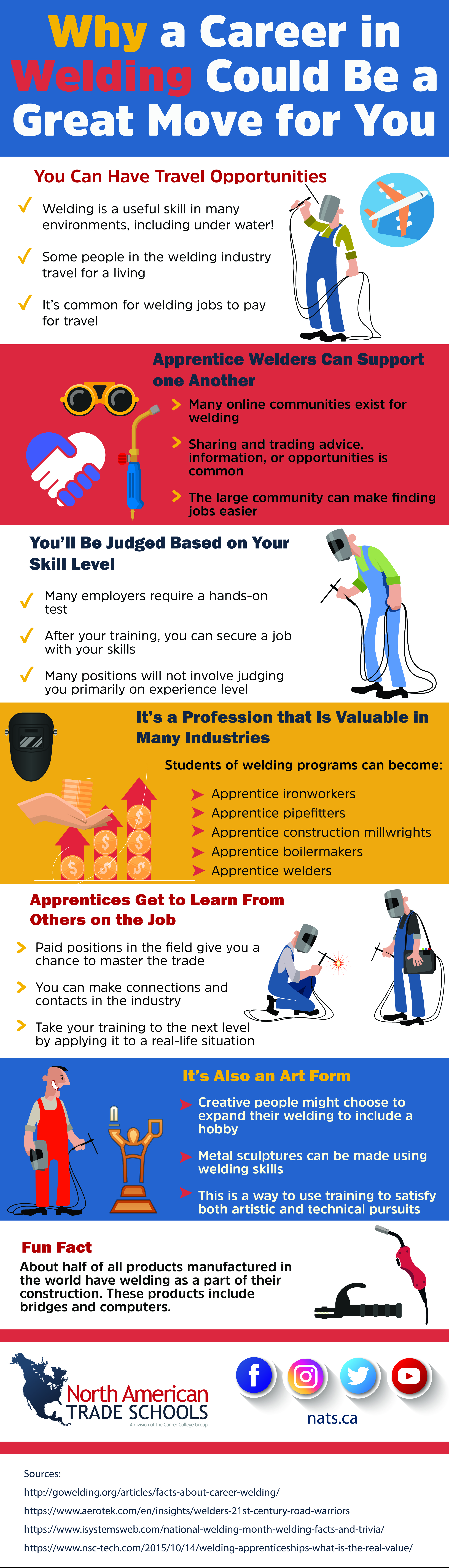
Why a Career in Welding Could Be a Great Move for You
You Can Have Travel Opportunities
- Welding is a useful skill in many environments, including under water!
- Some people in the welding industry travel for a living
- It’s common for welding jobs to pay for travel
Apprentice Welders Can Support one Another
- Many online communities exist for welding
- Sharing and trading advice, information, or opportunities is common
- The large community can make finding jobs easier
You’ll Be Judged Based on Your Skill Level
- Many employers require a hands-on test
- After your training, you can secure a job with your skills
- Many positions will not involve judging you primarily on experience level
It’s a Profession that Is Valuable in Many Industries
Students of welding programs can become:
- Apprentice ironworkers
- Apprentice pipefitters
- Apprentice construction millwrights
- Apprentice boilermakers
- Apprentice welders
Apprentices Get to Learn From Others on the Job
- Paid positions in the field give you a chance to master the trade
- You can make connections and contacts in the industry
- Take your training to the next level by applying it to a real-life situation
It’s Also an Art Form
- Creative people might choose to expand their welding to include a hobby
- Metal sculptures can be made using welding skills
- This is a way to use training to satisfy both artistic and technical pursuits
Fun Fact: About half of all products manufactured in the world have welding as a part of their construction. These products include bridges and computers.

Do you enjoy working with your hands? Do you like trying out fun DIY projects around the house that resonate with your personality and bring out the best in you? Do you love staying up to date on the latest home renovation trends? Then why don’t you let that passion be nourished through training in home renovations. By the time you’re done, you’ll have the skills needed to turn your passion into a real career.
At NATS, you’ll get hands-on training and experience in home renovations, where you’ll learn about carpentry, plumbing, wood finishing, and more. Read on to get a sneak peek at what following your passion could look like.
You Could Upgrade Pantries When You Become a Home Renovation Technician
When people work from home, they tend to look around their space and wonder how it might be made into something just a little more comfortable. That has led to quite a few new trends in the home renovation space, including a greater focus on spacious kitchens and stunning pantries.
As people spend more time at home, they tend to store more food and cook more. That’s why you’ll notice beautifully designed pantries making their way into the kitchen (or right next to it!) when you become a home renovation technician. Today’s pantries don’t just store food and beverages, with maybe a few dishes or cleaning products thrown in. Many have now become walk-in spaces that can also accommodate small appliances, cooking equipment, and even sinks! After graduation, you may get to work on these kinds of dream pantries.

Open Floor Plans May be a Thing of the Past
An open floor concept seems more spacious, don’t you think? Well, while that may be true, people have slightly different priorities now. Abandoning the open floor plan is the new trendy thing to do, which is why you might get to work on these kinds of projects after you complete your home renovation training.
Since working from home is becoming a trend in its own right, homeowners want to bring a little bit of privacy back into their lives. With an open space, homeowners don’t have the luxury of separating their office space from their personal space. That’s why they’re taking their lives back by adding in walls to create private nooks, study spaces, and home offices. You’ll enjoy working on this new trend as you listen to your customers describe their dream space.
The Bathroom Has Been Added Onto Many’s Most Wanted List
Believe it or not, the bathroom is now also a top priority within the home renovation space. Whether using it as a mini spa space, a brief retreat from kids, or as a quiet place to decompress for a moment, today’s bathroom has taken on an important role within many households.

As a result, you may get to work on quite a few bathroom upgrades during your career in home renovations. Your clients might want you to replace their bathrooms’ countertops, cabinetry, tubs, and more. So, you’ll get to put your carpentry and plumbing skills to the test, as you renovate bathrooms to make them more luxurious and relaxing.
Turn your passion for creativity and home renovation into a rewarding career with training at NATS!
Are you interested in home renovation school?
Contact NATS for more information about our training programs!
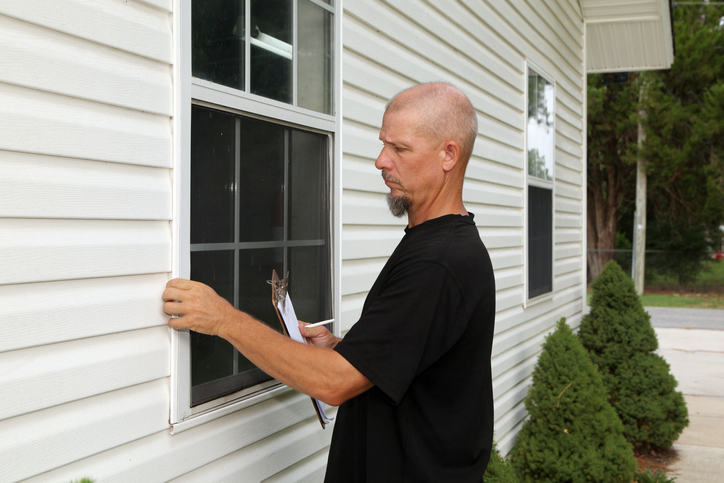
Becoming a home inspector is a rewarding career that comes with many benefits. You’ll get to use your observation and critical thinking skills as you inspect different homes for problems. You’ll get to travel to different locations to do your inspections. And you’ll also have the satisfaction of seeing new homeowners make the right decision on their dream homes.
Some homes, whether new or old, may have some red flags that’ll have to be assessed properly before purchase. It’ll be up to you to help homeowners make informed decisions on what issues they can live with, what counts as a dealbreaker, and what may require essential repairs right away before moving in day.
At NATS, you’ll receive hands-on training in roofing, electrical, heating, and much more. This will prepare you to inspect homes with confidence.
Read on to discover what red flags to watch out for as a home inspector!
Watch Out for Cracks and Gaps After Your Home Inspector Training
Large cracks and gaps are one important red flag you should always look out for. They can appear around a home’s garage, deck, and patio—as well as in driveways, sidewalks, and several other spots.
Spotting these issues during an inspection can help uncover bigger problems affecting the property. For example, gaps between doors, pipes, or windows usually indicate a water intrusion. And when cracks are visible in concrete, that may indicate that there is an improper installation issue or soil problem. After your home inspector training, you might often find yourself on the lookout for these kinds of issues!

Watch Out for Drainage Issues
Another major red flag to look out for when you become a home inspector is water drainage issues. During inspections, you’ll want to check that water drains away from the house rather than towards it. To do that, you’ll have to inspect all the gutters of the house to ensure that they’re set up correctly. Shoddy gutters with missing downspouts, for example, could indicate that the soil around the foundation might not be in the greatest shape, as water could have washed some of it away. Even if no deeper issues are present and the buyer does opt for the house, they’ll need to know that this is a problem that needs to be fixed sooner rather than later.
Unwanted Humidity Inside the House Could Be a Sign of Trouble
Moisture buildup inside of a house is another pretty important red flag to watch out for. Why? Because over time, moisture can cause rotting, mildew, and mold. Improperly insulated windows are one common culprit behind this issue. If during a home inspection you see water droplets building up on the inside of a window, that’s a telltale sign that there are issues with the window and maybe even other deeper problems going on. Of course, there are many other ways for humidity to accumulate in unwanted places, so this is one thing you’ll want to be on the lookout for when inspecting many different parts of a house.
Are you interested in a home inspector career?
Contact NATS for more information about our training programs!
A Guide to the Different Types of Welding Processes for Pros in Welding Technician Training
February 15, 2022

For aspiring welding professionals, there are endless opportunities to apply your trade. Without welding, many industries like the construction industry, aviation, automotive and more would not exist in the way that they do today. Buildings, appliances, vehicles, fences and space shuttles would have never come to life without the art of welding metals.
At the NATS, you’ll get hands-on and theoretical training in the field of welding, using modern equipment for different welding processes. By understanding some of the most common welding processes, you can launch a successful and skilled career. Read on to discover the different types of welding processes worth knowing.
Know The Simplest Form of Welding After Your Welding Technician Training
Stick Welding, or Shielded Metal Arc Welding (SMAW), is the simplest form of welding. This form of welding produces a constant current electric arc, using a power source. The current flows through a flux in the coated welding electrode. This coating mechanism ensures that the weld zone is not exposed to air while the rod is melting. You’ll realize after welding technician training, how cheap stick welding is and how compatible it is with most metals out there. This will allow you to work with stick welding in many industries, for shipbuilding, pipelines, constructions, and much more.

MIG Welding Is the Way to Go for D.I.Y Projects
MIG Welding, which is short for Gas Metal Arc Welding, is one easy type of welding that forms an electric arc between a consumable MIG wire and the piece you are welding. After you train at a welding college like NATS, you’ll be prepared to perform this type of MIG welding. You’ll see how MIG welding creates heat and causes the materials you’re working on to melt and join, forming a piece of molten metal. The heat that occurs during this welding process is covered by a shielding gas, which protects the welding from any contamination. MIG welding is also the method of choice for those who don’t want to spend too much on welding equipment.
Gain Experience and Start TIG Welding
TIG Welding, which is the short form for Gas Tungsten Arc Welding, delivers electric current to the weld section, using an arc welding process that uses a tungsten electrode. This type of welding has a non-consumable electrode. Welding also requires the use of Argon, a type of shielding gas that protects the weld metal from any contamination. This form of welding is not for everyone. In order to perform TIG welding without any challenges, you need to have proper training and gain experience in the field. TIG Welding is generally used to weld thin areas of aluminum, magnesium, copper alloys and stainless steel.

Finally, the Flux Cored Arc Welding
Flux Cored Arc Welding (FCAW) is an automatic or semi-automatic welding process. FCAW requires a consumable to be continuously fed a tubular electrode that contains a flux. It also requires a constant power supply and an external shielding gas to be supplied to protect the weld metal from any contamination. While most flux-cored wires can run without gas, some cannot. As a professional welder, you’ll have to refer to the manufacturer’s datasheet to know which welding wire to use. Flux Cored Arc Welding can be used for shipbuilding, heavy fabrications, constructing, welding and earthmoving.
Interested in enrolling in welding classes?
Contact NATS for more information!
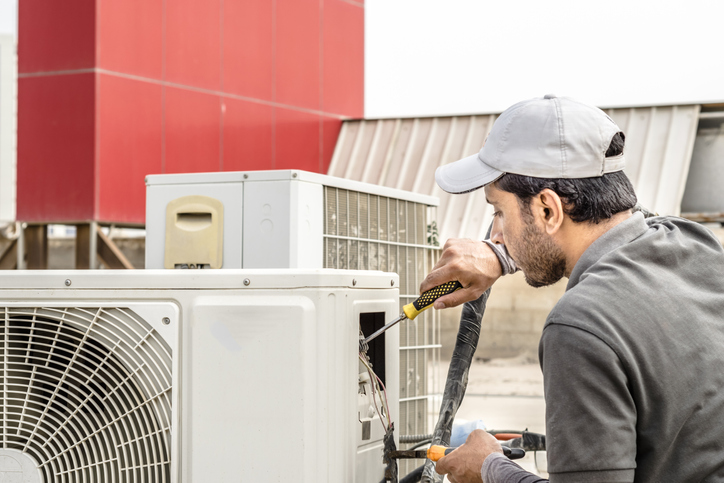
If you enjoy working with your hands and like the idea of servicing heating, ventilation or air conditioning systems, then a career in the HVAC industry is the right choice for you. You’ll apply your hands-on training and practical skills towards a successful and dynamic career. But in order to do so, it’s a good idea to understand what a typical day is like working in the industry.
At NATS, we prepare you for the daily job expectations you will encounter throughout your career. You’ll learn the installation and maintenance of gas and propane heating systems, ventilation and air-cooling equipment for both residential and commercial buildings.
Read on to discover what a day in the life of an HVAC technician is like!
The Work Schedule for an HVAC Technician Depends on the Setting
Whether you enjoy working on a consistent schedule or with on-call shifts, jobs in the HVAC industry offer something for everyone. Your work schedule will depend on your form of employment. When you become an HVAC technician after completing your training from NATS, you’ll get the chance to work for a home building, a commercial business or a construction company. This may give you the opportunity to work regular business hours, on a fixed schedule, or simply when your expertise is needed to troubleshoot issues.
The Start of Your Day Can Vary
After you complete your HVAC technician courses from NATS and start your career in the industry, you’ll realize how dynamic your workday can be. When you work in the HVAC industry, you’ll start your day by going into work and checking the pending tasks that require your attention. You’ll then have to use your organizational skills to manage your schedule and arrange the time to attend to these tasks based on importance.
On the other hand, if you want to become a self-employed contractor, then your day will begin by checking emails or voice messages and answering phone calls from customers requiring your services. No matter how your day starts, you should be prepared to carry your safety gear and tools and start heading over to the locations that require your services.

Prepare Yourself for Different Working Conditions
Working in the HVAC industry allows you to experience different working conditions and different settings. With professional training from NATS, you’ll be prepared to handle the different issues that you may face throughout your career. More specifically, you’ll learn how to check airflow, refrigerant pressure, electrical circuits, burners and other components for various clients. You’ll also be prepared to work safely and efficiently in more challenging work conditions, such as extreme temperatures.
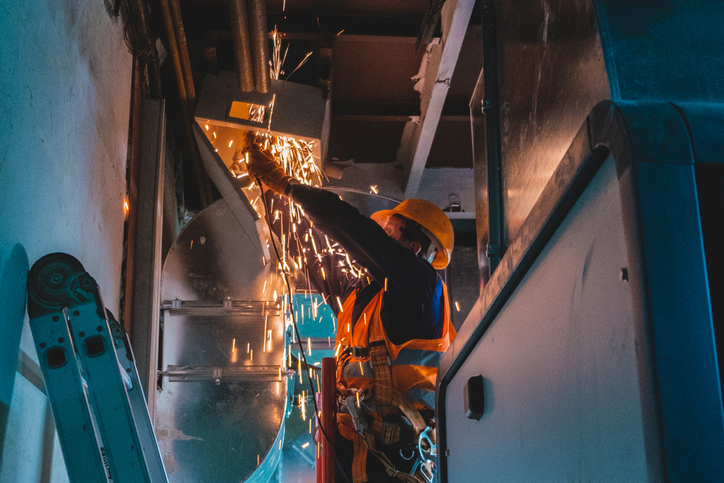
For example, you may have to repair broken furnaces in the middle of winter, when temperatures drop significantly, or repair the air conditioning of a residential or commercial building. Since no one task is the same, you’ll find an exciting and engaging career that puts your skills to the test on a daily basis.
Interested in HVAC school?
Contact NATS for more information!
Common Conduit Bending Mistakes to Avoid After Electrician College
February 01, 2022
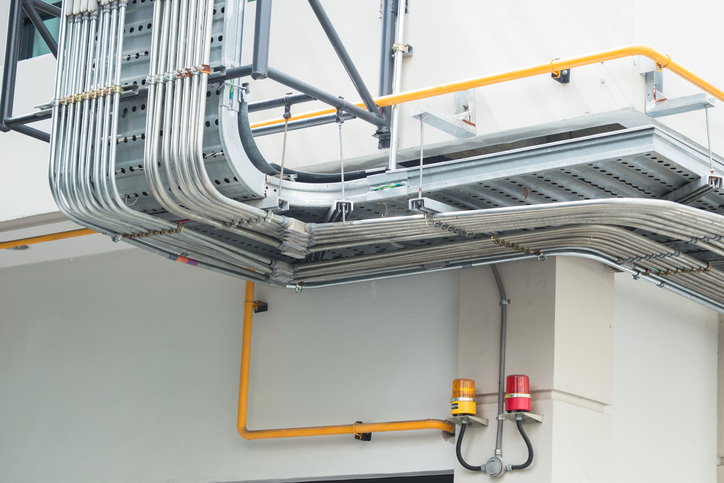
Conduit bending isn’t an easy skill to master when it comes to replacing old electrical wiring or wiring a new home. For electricians, knowing how to correctly and safely bend conduit is a major part of your responsibilities. Knowing how to bend conduit allows you to make it work around different corners, overpass permanent objects and fit many angles. By applying the right amount of pressure and conducting the proper measurements, you can make a good conduit bend.
Avoiding common conduit bending mistakes will prevent things from going wrong. Improperly bent conduits will underperform and wear out quickly. At North American Trade Schools, you’ll gain hands-on experience in conduit bending that will help you avoid common conduit bending mistakes.
Read on to learn about the common conduit bending mistakes to prepare for your trade.
Apply the Right Pressure After Electrician Training
It’s important to have precision and add the right amount of pressure in the right place of the conduit. Applying an excessive amount of pressure won’t help to bend the conduit in the way you want. In fact, too much pressure can break your tools and delay your work even further. When you add more pressure on the bending point than is needed, the conduit can either break or flatten.
Electrician training will help teach you to apply all sorts of conduit bending techniques that are required for installation and prepare you for industry work in your apprenticeship and beyond.
Avoid Using the Wrong Machine or Tool
Knowing when to use and not to use machines to do the conduit bending for you will help you a lot with your electrical wiring and avoid any delays. There are computer numerically controlled (CNC) machine benders that are considered versatile and powerful and offer great precision in conduit bending. However, they should not be used for every conduit shape or simple bends–only for the complex shapes or bends that you can’t perform manually. Through your electrician school, you’ll know when to use or not to use these machines, and how to perform manual conduit bends. When you use manually controlled machines, you will notice that you will increase your output speed and save money.

Avoid Flattening Too Much
With training and experience throughout your career, you’ll avoid the mistake of flattening the conduit too much. In some instances, flattening is okay for certain job requirements–while for other jobs, too much flattening will cause serious problems when it is time for you to do conduit bending. Applying the right pressure and stress to the outside radius is key in the conduit bending process. If you apply too much pressure and stress to the outside radius, the conduit will not be able to maintain its proper shape–causing the exterior to bend in, and therefore, flatten the tube. By using less pressure and utilizing the centreline radius which provides a larger bend, you will reduce the chance of excessive flattening.
Avoid Wrinkling and Buckling
As mentioned earlier, conduit bending requires precision with the amount of pressure applied. Avoid any wrinkling or buckling from occurring by ensuring a smooth bend in the conduit. If you notice any wrinkles or buckling, the bend could cause problems down the line.

This wrinkling and buckling occurs when the cross-section of your bend is unable to support the pressure applied. This happens by using excessive pressure far from the die or by not using a mandrel tool when you should.
Interested in enrolling in electrician college?
Contact NATS for more information!
Keywords: electrician college, electrician school, electrician training
3 Signs of Non-Performance to Look for After Launching Your Home Inspector Career
January 25, 2022

Home inspection comes with a long checklist for evaluating the condition and safety of a home and putting a home buyer’s mind at ease before they make their big purchase. For an aspiring home inspector, performing an evaluation of a property’s plumbing, electrical, mechanical and structural competency is of vital importance and can determine whether a property passes the inspection or not.
At the North American Trade Schools (NATS), we provide an aspiring home inspector with hands-on training in the materials used in the construction of each house system and what to look for during a home inspection. Read on to discover the three signs of non-performance to look out for when you start your career!
1. Inspect Electrical Problems After Your Home Inspector Training
Electrical problems sometimes go unnoticed by a home buyer, and it is up to a home inspector to assess the electrical system of the house. A house with working electricity does not mean that all electrical components are up to standard. As a home inspector, you’ll have to look at electrical issues that are considered fire hazards, which include worn out electrical wiring, overloaded electrical circuits and exposed wiring. After your home inspector training at NATS, you’ll be prepared to inspect and determine the safety of electrical systems and check for faulty or missing GFCI electrical outlets, which need to be placed in all garages, laundry rooms, washrooms and any area that may get damp around the house.

2. Roofing Problems Are a Major Concern
Roofs can usually last 15 to 50 years before they start to deteriorate–depending on the material used, the weather conditions and ventilation. Therefore, a thorough roof inspection is of major importance when you become a home inspector. It will help prevent any serious issues from occurring, like pest infestation or water leaks through ceilings, and can save a homeowner time and money on major repairs down the line. You’ll be prepared to inspect roofs after completing our Home Inspection Program and identify when a roof needs repairs or replacement. Some of the signs to look out for during your inspection include cracks and rust on flashing, moisture in the attic or ceiling, loose or missing shingles and unevenness or soft areas.

3. Water Leaks Due to Plumbing Issues
Plumbing issues can be hard to identify and require a professional home inspector to thoroughly investigate the plumbing system around the property. The home inspector will be able to assess any issues or damages caused by the plumbing system installed inside the house by checking for minor leaks and rusted pipes. If you discover leaks of clogging in the pipes, you should investigate whether the plumbing around the house has polybutylene piping, broken or rusted pipes, high water pressure, galvanized pipes or sediment build-up. That way, you can make an informed recommendation on whether to repair or replace a home’s plumbing system.
Interested in starting a home inspector career?
Contact NATS for more information!

If you’ve always loved the satisfaction of putting something together with your own two hands–with a keen eye for detail–you’ll probably be a great fit for a cabinetmaking career. Cabinetmakers select wood, create and interpret drawings and operate various woodworking machinery in order to construct cabinetry of all sizes and functions. In the process of finalizing cabinet construction, cabinetmakers will typically conduct the process of lamination.
Lamination, the process of making a material more durable by using glue and heat to bind it with another surface, is important in preserving cabinets from deterioration or general wear and tear. As a cabinetmaker, you’ll implement the process of wood lamination to ensure that the cabinets you build can be used for years to come. Below, discover everything you need to know about wood lamination.
Beginning the Lamination Process After Cabinet Making School
Once you’ve completed your cabinetmaking training, you’ll be utilizing the lamination process to finish off each piece of cabinetry. However, before beginning, it’s important to correctly prepare the cabinets for lamination, as failure to do so could result in a scratched or incomplete lamination job.
Before laminating, you’ll want to sand each cabinet completely–ensuring that there are no scratches or dents on the wood. If there are scratches, consider filling them with putty in order to create a smooth, workable surface. Next, you’ll want to gather your supplies. Your main supplies will consist of veneer (thin sheets of melamine or wood) and glue. Make sure you also have on hand a roller, contact cement, an adjustable router and some eye protection. Once you find a well-ventilated area to work in, you’re ready to get started.

Applying Laminate to Cabinets
Once you’re ready to laminate, you can cut the veneer to fit the cabinet you’re working with. In order to be safe, cut it down to about a centimetre larger than your surface, as this gives you room to clean up everything when the process is complete. Next, you can remove any dust or debris from your laminate, and open your glue. Working in long strokes with your roller tool, apply the glue to both the bottom of the veneer and the top of the cabinet surface. Once each surface is thoroughly coated, you can place the veneer onto the cabinet. However, it’s important to make sure that the centimetre you’ve originally left is hanging off the edges.

Finishing Up the Lamination Job
As a graduate of cabinet making school, knowing how to properly complete the lamination process is pivotal in ensuring a neatly finished product. Once your veneer is attached to the cabinet surface, use the pressure roller to obtain a durable attachment between the two surfaces. Next, route the edges, maintaining a consistent distance between the router and the edge to keep a consistent appearance. During this step, use goggles to protect your eyes. Once you’ve routed the edges, the lamination process is complete! After letting the lamination sit, you can attach the protected cabinet fixtures to their designated location.
Are you ready to enrol in cabinet making courses?
Become an expert at this craft with a program at the North American Trade Schools.

Are you looking for a new profession? When you choose to embark on a career path as a welder, you can make 2022 your most rewarding year yet. Trained in using welding equipment and processes to combine pieces of metal, professional welders are qualified to work in the construction industry, aviation industry, and automotive industry. These professionals can even choose to operate a business of their own.
If you love working with your hands and are constantly seeking your next creative outlet, an engaging career as a welder could be right for you. Below, discover five compelling reasons to begin welding courses and transform your future in 2022.
1. Demand for Pros with Welding Technician Training is Growing
One of the greatest benefits of attending welding college is that your skills will be in high demand within the construction industry and beyond. The trades are currently facing labour shortages as the baby boomer generations inch closer to retirement. That means there will be plenty of opportunities for those looking for work in the skilled labor sector. If you’ve been considering a career change, training to become a welder is a great way to secure a successful future.

2. Choose from a Variety of Specializations
Training for a career should be a stepping stone, and with welding, that’s certainly the case. When you build the skills to become a professional welder, you’ll be able to specialize in a number of roles within the welding industry. You may choose to apply your skills within the manufacturing industry, the oil and gas industry, or perhaps work for a construction company. As a welder, you can also decide to become a boilermaker, a pipefitter, or an ironworker. No matter your interests, it’s easy to pursue them with welding training.
3. Welding is a Rewarding Profession
In addition to being extremely engaging, welding is a highly rewarding career path. After welding technician training, you’ll see your hard work pay off as you continue to develop your skill set. With dedication, there are many opportunities for advancement within the welding field. After gaining experience you can move beyond the role of the apprentice, to that of a supervisor, technician, instructor, or inspector. If you’re particularly passionate, you might even consider opening your own welding business!

4. Benefit from an Active Career
With the hands-on work and exciting opportunities that accompany a welding career, you’ll have the ability to maintain an active lifestyle while on the job. As a certain level of physical fitness is required to keep up with the demands of the job, most welding professionals are able to stay in shape for a long time–contributing to a healthy lifestyle. If you’re looking for an alternative to a typical office job or a non-sedentary career path, welding is the perfect way to keep on top of your health and fitness, while rarely sitting for hours at a desk.
5. Be Career-Ready in a Short Period of Time
If you’re all set to plan your transition to a welding career, you’ll be happy to know that not only is this a rewarding profession, but you can obtain your welding diploma and certification in a matter of months. At NATS, students receive hands-on and theoretical training in the welding field, preparing them to enter the industry as skilled professionals. So why wait? Take the leap and embark on a career path in welding in 2022!
Are you ready to begin your welding classes?
Contact NATS to learn more about our program!