Author: toppyhem
Signs of Retaining Wall Damage to Look Out for After Home Inspector Training
December 28, 2021



As a home inspector, you’ll be able to identify any issues facing a house buyer as you help them to make informed decisions about their prospective home. One issue home buyers usually face is the issue of retaining walls, and as a home inspector, it will be up to you to look out for the signs of retaining wall damage. Retaining walls are designed to support soil from drifting downwards–which if ignored, will create extensive damage in landscaping and lead to costly repairs.
At North American Trade Schools (NATS), we provide you with training in the skilled field of home inspection. Our training programs equip students with the most current theoretical and practical training required to become successful in the field. Read on to discover what signs to look out for in retaining wall damage when you become a home inspector.
Watch Out for Bowing or Cracking
As a home inspector, you’ll be able to identify common retaining wall damages when inspecting a property. Some of these signs may include cracking, bowing, leaning, bulging, and buckling. Identifying these problems requires the proper hands-on training, which NATS can provide through our home inspector training program, in which you’ll learn under experienced instructors and inside real world labs that simulate a working environment.
Our training program will prepare you to identify these signs of retaining wall damage and provide you with the expertise to advise home buyers on when it’s time to retrofit the wall with anchor bolts to prevent the wall from collapsing.

Become a Home Inspector and Identify Poor Drainage That Saves Home Buyers Money
One of the main signs of retaining wall damage is poor drainage. Weep holes are small holes that facilitate the flow of water after rain, and if these holes are clogged due to draining aggregate or improperly graded soil, they result in poor drainage. The hydrostatic pressure that builds up behind the retaining wall will end up saturating the soil, and the retaining wall itself will eventually break, as it won’t be able to handle such a heavy load build-up. When you become a home inspector after graduating from a training program, you’ll be able to predict and assess any issues that may arise with the retaining walls.
Poor Quality and Lack of Reinforcement is a Bad Combination for Retaining Walls
When you choose a career as a home inspector, you should always have the home buyer’s best interest at heart. By making careful assessments and recommendations, you can save your client a lot of money in the long run. Sometimes, retaining wall damage can occur due to improper use of materials, a lack of reinforcements, or both.

When the retaining wall is built using cheap methods to cut corners, such as the use of a poor concrete mix or improper steel reinforcement, the wall will be unable to handle the expected load it was designed for.
When you attend the home inspection program at NATS, you will become an expert in identifying faults due to old age, deferred maintenance, weather damage, and poor workmanship. At the same time, knowing how to remedy these problems will help to distinguish your skills in the field of construction and home maintenance.
Interested in starting a home inspector career?
Contact NATS for more information!
In Home Renovation School? Check Out These Popular Renovation Trends in 2022
December 21, 2021

There are always new and upcoming trends in home renovation that reflect various aspects of social life at the time. In the 1940s, sentimental designs such as delicate floral trends and ruffled drapes replaced the previously common cooler accents to help homeowners shift gears after the war years. In the 1960s, the trend shifted to more clean lines throughout the home, seen in framing and upholstery trends, which reflected the movement of “less is more” that became common in this decade.
While you can surely identify certain trends from decades passed, they often cycle and once again become popular in home renovation. If you’re considering a Home Renovation Technician Diploma Program, you will learn the skills needed for carpentry, electrical, plumbing, painting, and more. Read on to discover the home renovation trends for 2022 and how you can utilize them once you start your career.
Sustainable Materials Are on Trend to Become More Widely Used
As the world becomes more aware of the heavy environmental impact our lives have on the planet, homeowners are opting to use more sustainable materials such as cork, reclaimed wood, recycled plastics, and more. Whereas in the past these materials were seen as less reliable, the public is beginning to understand the reality of these materials that are designed for longevity and functionality.
Throughout your home renovation training, you will get to participate in a number of labs that introduce you to important tools such as the table saw, miter saw, drill press, band saw, and more. Understanding how to use these tools, along with which materials they work best on, will help guide you as you decide to use these trending sustainable materials as you renovate the homes of your future clients. These hands-on skills, as well as the guidance you will receive from your career training at NATS through mock interviews and job market searches, will set you up for success as you enter the job market well-prepared.

Large Entertainment Spaces to Satisfy Both Parents and Kids
Over the last couple of years, homes have become much more than a place to eat and sleep. Individuals and families now spend more time at home ever since the start of the pandemic, needing dedicated spaces to work, relax, play, and socialize. 2022 trends will see an increase in these dedicated spaces that allow both adults and children to find space to entertain themselves.
Successful construction projects that create these types of spaces depend on accurate calculations. When you pursue a home renovation diploma, you will complete a course designed to help you master basic and construction mathematics–ensuring the success of future jobs. Combining these skills with the practical experience you will acquire in your Material Estimating and Cost Analysis course will help you complete each construction job with accuracy as you navigate the cost of materials and bring your plan to life.

Create a Playful Yet Elegant Style With Art-Deco Patterns After Home Renovation School
After you decide to attend home renovation school, you will want to get an understanding of the whole picture for your home renovation jobs, including decor styling. Trending in 2022 are the art-deco patterns, which were born post-WWII and offer a sense of optimism and hope for the future as individuals are willing to embrace these bold, new ideas.
Your diploma program will place emphasis on the fields of basic plumbing, carpentry, cabinet making, and stair and roof construction, as well as interior and exterior finishes. These are all important aspects of pulling together a home renovation project and will help make your full vision come to life.
With various payment options, rolling start dates, and a focus on hands-on, practical training, our home renovation technician training will give you the flexibility you need to complete your projects in no time.
Are you ready to become a home renovation technician?
Contact North American Trade Schools (NATS) for more information![/vc_column_text][/vc_column][/vc_row]
Why to Consider Becoming an Electrical Service Technician After Electrician College
December 14, 2021

If you like working with your hands and have a knack for handling electrical issues, then you should consider becoming an electrical service technician. It is a dynamic career that offers the potential to develop specialized skills that you can apply to many different industries and settings.
At North American Trade Schools, we offer a Construction & Maintenance Electrician Pre-Apprenticeship Diploma program for aspiring technicians looking to explore a skilled trade in a cutting-edge industry. The program will prepare you to become an electrical service technician, as you develop practical skills while studying the theoretical principles of electricity. Read on to find out why you should consider becoming an electrical service technician today.
No Day Is the Same While on the Job
Electrical service technicians will enjoy the challenge of solving a variety of electrical issues across different settings. You’ll be responsible for diagnosing and troubleshooting any electrical problems relating to commercial, residential, and industrial equipment. In the process, you’ll use diagnostic tools (such as multimeters and signal generators), refer to schematics and wiring diagrams, and repair loose or damaged electrical wiring. As you apply your skills to different projects, your duties can take you to different settings based on the company and industry you work in. By attending an electrician school, you’ll develop a diverse skillset in residential wiring, service installation, code interpretation, conduit bending, print reading, and the principles of electricity.

Join a Practical Profession After Electrician School
Knowledge and experience go hand in hand at an electrician college, like NATS. Students have access to state-of-the-industry campuses with ample opportunity to gain experience using modern equipment in the electrical industry today.
Through a hands-on learning approach, you’ll be ready to design, develop and test a variety of different electrical components and systems in your career. At the same time, you can apply your practical skills to diagnosing and operating specialized equipment. Throughout your career, you’ll also be expected to interpret electrical blueprints and have the expertise to advise clients on the use and safety of certain equipment. With a practical skillset, you can offer a valuable service to homes and companies across different industries.

Exciting Potential for Growth
For an aspiring electrical service technician, earning a diploma in the trade is the best way to improve your job prospects in the field. As an electrical service technician, you can specialize in various types of electrical systems across different sectors. Most industries today rely on service technicians to ensure their operations run smoothly and efficiently. These sectors range from media and government to electrical utilities, wholesale trade and computer services. As technology continues to advance in the modern world, we’ll see a growing demand for skilled professionals who can maintain these new systems.
Are you interested in kickstarting your career with electrician training?
Contact NATS to learn more about our program.
Taking Welding Classes? Why You Should Consider Pursuing an Apprentice Boilermaker Position
December 07, 2021

The best way to learn a trade is through hands-on experience in the field. This allows you to be job-ready, skilled, confident, and assume control of your choice of career path. An apprentice position is the key to establishing yourself as a skilled tradesman. It provides you with the necessary tools, skills, and credentials to get the job done–in different places–and within different settings. Studying theoretical concepts and knowledge is valuable, but especially so when combined with real-life training.
If you’re considering learning a trade, such as welding or are already learning one, a Boilermaker Apprenticeship opportunity is the way to go along with it. Read on to learn more.
Welding Technician Training That Makes a Difference
Welding Technician training prepares students for opportunities like an Apprentice Boilermaker position. At NATS, students have access to state-of-the-industry campuses providing ample opportunity to gain critical welding experience, while using modern equipment in welding processes.

Our Structural & Pressure Vessel Welder Diploma Program will provide you with the knowledge and skills needed to set you on the right path as an apprentice and towards a fulfilling career with many opportunities.
No Day is the Same as a Boilermaker Apprentice
If you are looking for an exciting and fulfilling career, an Apprentice Boilermaker position could be the right choice. As an apprentice, you will experience different working conditions and develop essential skills that will propel your career towards succeeding at any work-related job site. Some of these skills include installation, maintenance, repairing, and troubleshooting when using stationary industrial machinery and mechanical equipment. You gain expertise in operating hoisting and lifting devices, which include jacks, tractors, cranes, and many more. You’ll get to learn to work on the ground, as well as a hundred feet above the ground, using heavy machinery that weighs by the tonne.

Welding classes at NATS will prepare you for the working conditions you will experience as an apprentice–such as tight spaces, and in varying climates, ranging from scorching heat to freezing cold weather.
Plenty of Career Opportunities at Your Fingertips
Graduates of our program have gone off to pursue a variety of career paths, holding many different job titles including: an Apprentice Boilermaker, Apprentice Welder, Construction Millwright Apprentice, and more. The skills you will acquire during your program, and as an Apprentice Boilermaker will equip you to work on: pressure vessels, storage tanks, boilers, towers, heaters, steel, and more. You will also have the opportunity to work at different job sites, such as oil refineries, nuclear power plants, pulp and paper mills, and gas generating stations.
Are you looking for a welding college that will provide you with the skills needed to thrive on this path?
Contact NATS to learn more about our program.
Why Customer Service Is so Important for Professionals in a Home Inspector Career
November 30, 2021

It’s hard for a business to stall in growth when the customer service is outstanding. Providing excellent customer service is one of the best ways to both attract and retain customers. Consumers are generally busy, and want their needs met with ease so they can move on to the next project on their list. When you treat each customer with the value and respect they deserve, they are happy to pay for your services.
Home inspections often come during stressful times while moving or renovating homes–creating a snowball effect of projects and to-do lists for the customer. Remaining professionalism and reaching compromises–even with the most stressed out and difficult customers–may help you retain their business. No matter the situation, customer service that exceeds expectations is essential for a successful home inspection business. Read on to learn the benefits of a great customer service plan.
Better Understand the Local Market
When you take the time to learn about the local market, you can better serve your customers while growing your home inspector career. To develop an effective, solid plan of action with each client, you need to determine how the local real estate market is operating.
It’s best practice to spend some time to figure out what types of clients are buying and selling in your area. Gaining insight on these individuals will help you better serve your existing clients–making sure their homes attract the right buyer by ticking all of the boxes. Taking a look around the local market will also help you become familiar with common problems that are found in each neighborhood so you can properly prepare. Going this extra mile in your customer service will relinquish any unnecessary worries your clients may have–creating a smooth overall experience.
Retain Clients When You Become a Home Inspector
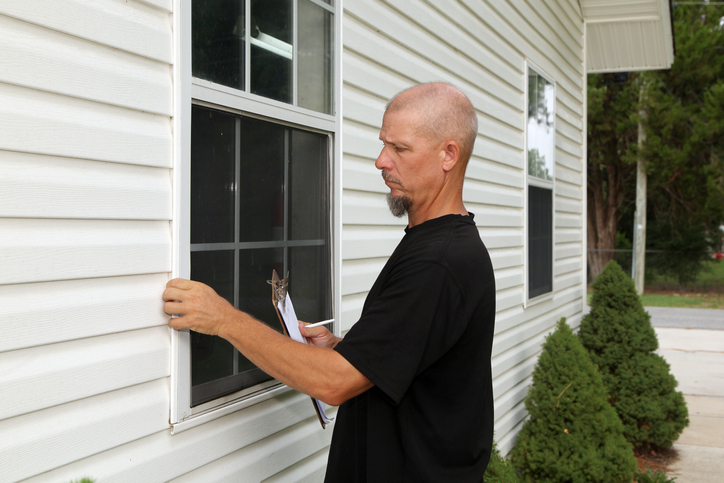
A huge benefit of excellent customer service is an increased client retention rate. Generally, the cost of acquiring new customers is more than the cost of nurturing existing relationships–making client retention a great priority to have. Real estate agents are often mutually beneficial clients, as they are constantly viewing homes that may need inspections and would benefit from an ongoing relationship with you when you become a home inspector.
The best way to retain these customers is by displaying great customer service. When a client knows that they are truly getting the service they are paying for, and feel valued and respected in the process, they will keep coming back.
Focus on fostering these relationships with existing clients by making sure they’re fully satisfied with every step of the project, and asking how you can better serve them. Keep an open line of communication with your client list, follow up with them throughout the process, and always make sure they feel valued with your time and commitment to them individually.

Serve People First for Success
Serve people first, and your business second. A successful business never loses sight of being human. Above all the projects and business plans, you are serving other humans who want to feel a personal connection to what they’re paying for, making sure it’s the right purchase for them.
Some businesses lose sight of this personal touch as they strive to be ever more efficient, reliable, fast, and affordable. When it comes down to it, many consumers would gladly pay more for great customer service, knowing that the business cares about their satisfaction and is taking care of their needs.
Lead your projects with your skill and knowledge, and really “wow” the client with your kindness and genuine desire to help them in their journey to a better home. When you display your mastery of home inspection and careful consideration for each client’s needs, you will be giving the highest level of customer service they could ask for.
Interested in starting home inspector training?
Contact NATS for more information!
Popular Kitchen Designs to Know if You’re Considering Home Renovation Training
November 23, 2021

The ways in which homeowners are choosing to design their kitchens has shifted, and not without good reason. In 2021, the popularity of home renovations rose significantly–with more families working from home, staying home more often, and seeking to make their living space as comfortable and appealing as possible. This means kitchen concepts were reevaluated, bringing a whole host of changes to the renovation scene. While all-white kitchens and farmhouse style kitchens seem to be a thing of the past, there are plenty of new popular design trends which are likely to come to the forefront in 2022.
If you’re seeking a career as a home renovation technician, familiarizing yourself with the kitchen designs you’re likely to see in the future will help you to deliver the types of services your clients are looking for. Below, discover some popular kitchen design trends altering the renovation industry.
Taking Home Renovation Training? Colourful Kitchens are In
While all-white and monochrome kitchens were popular in the past, recently it’s been all about colour. Today, homeowners are gravitating towards bolder, more exciting colours in order to make their living spaces more interesting. After home renovation training, you might create a colourful kitchen space for clients expressing an interest in the look by incorporating contrasting shades into your designs. Black appliances might be paired with cabinets of deep green and yellow, or white tiles could be used as a backdrop against a colour scheme of blue. Whatever the case, it’s likely that you’ll continue to see colourful kitchens throughout your home renovation career.

Functional Storage and Technology
Another kitchen design trend that’s likely to dominate the future home renovation scene is that of functional design. Homeowners are increasingly looking to optimize their kitchens in order to store appliances and make room for the technology they use around the house. A more functional space is a more liveable one, and as we’ve all spent more time inside in the past year, liveability has become increasingly important. During your home renovation career, consider incorporating smartphone-controlled lighting, USD compatible electrical plug-ins, and more technologically advanced appliances. As for storage, think about including larger drawers to hold appliances and cabinets fitted to conceal large items . This will please clients by making more space for clearer countertops and a more functional kitchen space.
Industrial Style with Upgrades
Although industrial style is a trend that’s on its way out, a new take on industrial style kitchens seems to be moving in. Industrial style kitchens are characterized by their “factory” appearance, using statement light fixtures and open floor plans. However, homeowners today are seeking to mix it up, adding metallic accents to their kitchen cabinet doors and using innovative light fixtures to make their industrial kitchens look more sophisticated. Once you become a home renovation technician, you’re likely to be performing some upgrades to the industrial style kitchens of yesterday.

Overwhelmed? Tips for Keeping Up with Kitchen Design Trends
If you’re entering the home renovation industry, it can be difficult to keep up with the constant changes in design styles and trends, especially when it comes to the ever-mutable kitchen. However, there are a few things you can do in order to stay ahead of the game. For one, make sure to always choose quality materials when remodeling kitchens. These materials are less likely to go out of style, and will last for longer. Additionally, choose an open floor plan over a closed-off room. Open floor plans are more likely to give kitchens a liveable quality which will outlast the influence of passing trends, helping homeowners to stand the test of time with the designs they choose.
Ready to enrol in home renovation school?
Become an expert in all things remodeling with a program at the North American Trade Schools.

If you love expressing yourself artistically through woodworking, a career in cabinetry could be right for you. Cabinet making is a craft that’s been around for centuries, and building the skills necessary to master this art is no simple task. Cabinet makers specialize in the hands-on process of working with wood to create unique and durable pieces of furniture, including: shelving, cabinets, tables, and more. These professionals are experts in selecting the right materials, tools and finishes to turn a design into a usable product. In order to do so successfully, they typically have a few important qualities. If you’re interested in cabinet making training, keep reading to discover more on these qualities!
1. Professionals with Cabinet Making Training Are Attentive to Detail
Cabinetry is all about precision, from the angle at which the wood is cut to applying the finishing touches to a unique design. Professionals with cabinet making training know how to keep track of each detail of their project–ensuring that upon completion, each different element will seamlessly fit together to create a durable, usable structure. Great cabinetry is all about high quality, and the quality of your products will be enhanced when you’re able to pay attention to even the smallest of details.

2. Good Time Management Skills
Have you always been good at managing your time well? This is a great skill to have if you’re interested in a career in cabinet making. Cabinet makers often work on many different projects at a time, some involving time constraints around their completion. In order to succeed in the cabinetry business, it’s important to be able to organize your time in a realistic and productive manner–ensuring that you’re setting aside enough time to complete each project.
3. Solid Knowledge of Cabinetry Tools
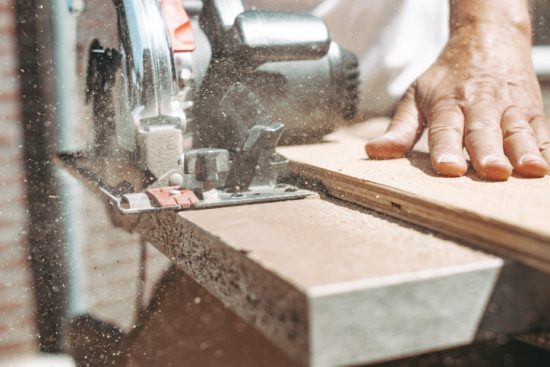
Behind every successful cabinet maker is a strong working knowledge of the tools and equipment used to create quality products. During cabinet making school, you’ll gain experience using carpentry tools such as table saws, drill presses, planers, joiners, band saws, shapers, and more. You’ll also become comfortable with different power tools that will improve your efficiency.
4. Successful Cabinet Makers Are Adaptable
Throughout your career in cabinet making, you’re likely to work with a number of different clients–each with their own ideas and vision for the style and function of the furniture they’d like to commission. In order to ensure the satisfaction of your clients, it’s important to remain adaptable and open to feedback and new ideas. If you’re able to successfully accommodate your clients’ requests, you’ll be more likely to succeed in building a loyal customer base.
5. A Strong Work Ethic
It’s no secret that success in the cabinetry industry takes a strong work ethic. Cabinet makers work hard to turn a project from a drawing to a functional piece of furniture. When it comes to this artisan craft, there are rarely opportunities to cut corners–as clients are expecting a high-quality product. If you’re a dedicated worker who’s passionate about what they do, then you’ll be likely to succeed as a cabinet maker.
Thinking of enrolling in cabinet making courses?
Launch an exciting future with a program at the North American Trade Schools!
3 Specializations to Explore After Completing Your Electrician Training
November 09, 2021

Is a career in the electrical industry right for you? If you’re a great problem solver and are always up for a challenge, a career as an electrician might be right for you. Electricians work either alone or in teams to maintain, install, and repair electrical systems. While all electricians work with these systems, there are actually many different types of electricians within the industry. With the skills they have in wiring, service installation, and more, electricians can specialize in a variety of different electrical work. If you’re considering training to become an electrician, explore the specializations which may be available to you upon getting your certification below.
1. After Electrician Training, You Can Become a Maintenance Electrician
After completing electrician school and getting your certification, one of the career paths you might consider within the electrical industry is that of a maintenance electrician. Maintenance electricians are responsible for the installation and maintenance of the electrical systems which facilitate the operation of factories and plants. These professionals are experts in the electrical aspects of heavy machinery and equipment, large power grids, and general utility electronics.

On a day to day basis, maintenance electricians will make routine inspections of machinery and equipment, and identify any repairs or replacements necessary. They’ll conduct repairs, make sure the electrical systems and components are aligned with provincial and national codes, as well as ensure that everything is functioning to ensure the efficient operation of the plant or factory. If you’re interested in an engaging career path within the electrical industry, becoming a maintenance electrician could be right for you.
2. Consider a Career as a Construction Electrician
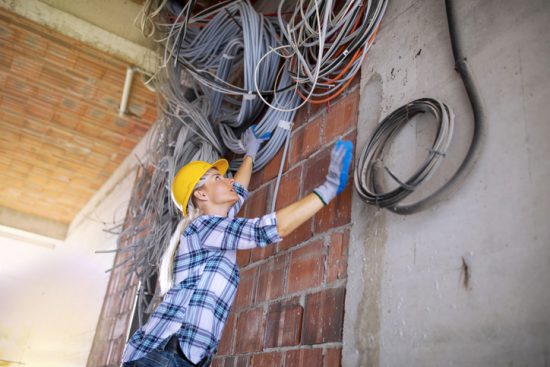
If you’re interested in tackling larger projects throughout your career as an electrician, you may want to specialize within the construction industry after your electrician training. Construction electricians work to install electrical systems within newly constructed buildings, or buildings which are undergoing significant renovations. These professionals are experts in building codes and safety procedures–enabling them to safely install wiring and electrical components within a structure. These professionals may work closely with engineers and other professionals working at a construction site. These parties will collaborate in order to ensure that electrical systems are not only installed accurately and efficiently, but also meet the requirements of the projects. Construction electricians may interpret blueprints and architectural drawings, and use their strong communication skills to troubleshoot problems with other professionals on the project.
3. Explore a Career as an Electrical Inspector
With construction and maintenance electrician training, you can build the necessary skills and expertise to become an electrical inspector after some years of experience. Electrical inspectors don’t work directly with electrical components and systems. Rather, they conduct examinations within the construction industry–making sure that the systems within new structures are up to code and safety regulations. They may also inspect the electrical systems of older homes if a renovation is being done or the house is up for sale.
With their keen eye and expertise, these professionals will monitor wiring on construction sites, approve new plans for installation, and document their inspections thoroughly. If an electrical inspector notices any mistakes or problems, they have the authority to stop work on a project. If you’re passionate about electrical work but are looking to apply your skills in a manner different from hands-on work, a career as an electrical inspector could be right for you!
Are you ready to enroll in electrician college?
Build the skills you need for a successful career at the North American Trade Schools.
Considering HVAC School? 4 Advantages to Choosing a Career as an HVAC Technician
November 02, 2021

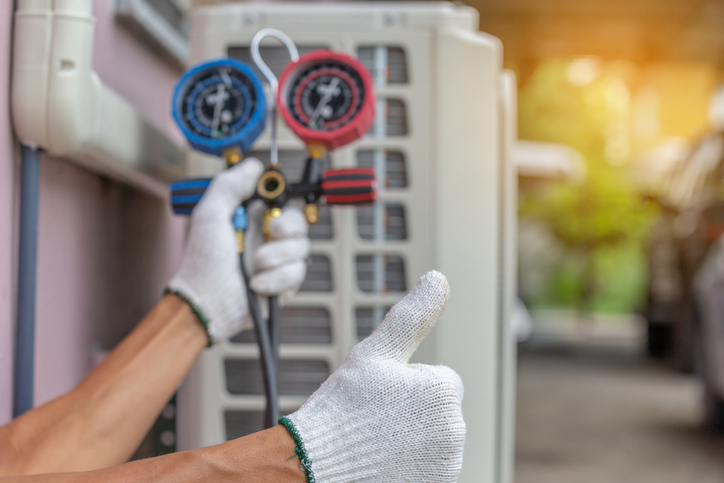
HVAC technicians are experts in HVAC (heating, ventilation, and air conditioning) systems, conducting installations, repairs, routine maintenance, and more. They may work with commercial, residential or industrial air conditioning systems, refrigeration systems–as well as systems of combined heating, ventilation, and cooling. After completing your HVAC training, you’ll be able to perform a range of duties, including the assembly and installation of different system components (vales, gauges, condensers, compressors, evaporators, etc.), and troubleshooting of HVAC systems to identify leaks or other issues. You’ll also perform maintenance tasks such as parts replacement, system calibration, and refrigerant refills.
If you’re considering a career as an HVAC technician, you might just be ready to start your training after learning about the advantages of this career path. Below, discover four of them!
1. HVAC School Graduates are In-Demand in Ontario
If you’re considering HVAC school, there’s never been a better time to enrol. According to JobBank Canada, job opportunities for HVAC technicians in Ontario will be good over the next three years, as retirements create new availability and employment growth creates new opportunities for work. Ontario’s construction industry is growing, and HVAC technicians will be needed to install and maintain the commercial and residential systems for each new structure. Thanks to investments in public facilities and commercial developments, HVAC technicians may also be able to find work supporting industrial projects.

2. HVAC Technicians Benefit from a Dynamic Career
As an HVAC technician, your job will never be boring. HVAC technicians benefit from the ability to perform many different kinds of work throughout their career, depending on their interests and whether they choose to specialize in a particular sector of the HVAC industry. HVAC technicians may work with fireplaces, furnaces, pool heaters, heat pumps, boilers, and refrigeration systems. What’s more, there are many advancements in technology making the work of HVAC technicians increasingly interesting. Smartphone-controlled heating and cooling systems, solar-powered air conditioners, and other innovations are continuing to shape the industry, promising an exciting future for HVAC technicians.
3. Grads of HVAC College Are More Active
Once you become an HVAC technician, you might be surprised by the benefits of the work to your physical health. Graduates of HVAC college have a highly active job, working both indoors and outdoors and travelling between different project locations. Rather than sitting around at a desk all day, you’ll be earning all the health benefits of a job where you’re constantly moving, such as a reduced risk of cancer and reduced risk of heart disease.
4. As an HVAC Technician, You Have Many Work Opportunities
Once you become an HVAC technician, you don’t need to be restrained by a strict work schedule or an unvaried work environment. In fact, there are many different opportunities for work within the HVAC industry. As a technician in this trade, you may be employed by an HVAC system installation contractor, and you may also find work in different industrial settings, such as: engineering firms, retail, food wholesalers, and other operations. Additionally, after gaining experience in the field, HVAC technicians may choose to open their own business, installing, repairing, and maintaining HVAC systems for various clients and creating their own schedule. If you’re looking to enter a field where you’ll never get bored, becoming an HVAC technician might be right for you.
Ready to enroll in HVAC technician courses?
Launch your career with a program at the North American Trades Schools today!
How to Assess Home Heating Systems After You Become a Home Inspector
October 26, 2021

If you’re seeking a career as a home inspector, you’ll be helping buyers to get a good idea of the condition of the house they’re about to purchase. During your home inspection career, one important part of the home you’ll be assessing is the heating, ventilation, and air conditioning (HVAC) system. HVAC systems can be expensive to repair or replace, thus making it important for prospective homeowners to determine whether these systems are in good working order. Below, discover some tips to help you properly evaluate heating and ventilation systems within a home throughout your career as a home inspector.
After Home Inspector Training, Conduct a Visual Assessment First
Once you become a home inspector, the first thing you’ll want to do when beginning to inspect a home’s heating and ventilation system is to perform a visual assessment of the system itself. In most cases, a visual assessment can be very informative about the condition of the system itself. A visual inspection will allow you to flag any superficial problems, in addition to determining the system’s age and general performance. During your visual assessment, check the condition of the air filters–ensuring that they aren’t clogged with debris. Additionally, inspect the internal areas of the system to determine whether there’s a buildup of soot. If there’s an excessive amount of dust and soot, this can negatively impact the efficiency of the system. Lastly, inspect the blower motors and the fan belts, as these components may need to be replaced if they show significant signs of damage.

Perform Test-Starts to See How the System Operates
Once your visual inspection is complete, you can move on to test the performance of the HVAC systems. First, you can test-start the furnace to ensure that the temperature is correctly reflected on the thermostat, and that the furnace is firing properly. This test shows how the furnace is performing–helping future homeowners to know whether the right amount of heat is being delivered into the home. Next, you can check the safety switches within the system to ensure that they’re functioning correctly. Without working safety switches, homeowners are at risk of their heating system expelling pollutants into their air in their home. When these tests demonstrate that the furnace, thermostat, and safety switches are working properly, the heating system can be deemed both healthy and efficient.

Look Out for These Common Issues
As a professional with home inspector training, being familiar with common heating system issues can help you to catch a problem that might otherwise be overlooked. When it comes to heating system components, there are a few that will probably need replacing if an inspection hasn’t been conducted in a while. Air filters, belts, coils, valves, fan motors, compressors exchangers, and fuses are all examples of components which have a shorter lifespan than the system itself. When these are replaced, the longevity of the heating system will typically improve. Another set of issues to look out for are frequent cycling, a lack of heat, or too much heat coming from the furnace. These problems can indicate that the thermostat settings need to be adjusted, that the filters are clogged, or that there is insufficient airflow. During your home inspection career, look out for these issues in order to keep prospective buyers as informed as possible!
Ready to launch your home inspector career?
Get started with a program at the North American Trade Schools today!