Author: toppyhem
The Principles of Electricity Explained for Electrician College Students
August 27, 2021



If you’re considering launching your career as an electrician, you’ll use your knowledge of the principles of electricity to accurately install and repair electrical systems–as well as diagnose and troubleshoot electrical problems. Construction and Maintenance Electricians are equipped with the skills to perform a variety of different functions. Some may include: service installation, conduit bending, code interpretation, print reading, machine and electronic control repair, and more. As a Construction and Maintenance Electrician, understanding the principles of electricity will be important to your success. It will help to determine how the electrical systems you’re working with operate, and what the best solution is to any problems that may arise. Below, discover an introductory guide to the principles of electricity.
Where Does Electricity Come From? A Guide for Students in Electrician Training
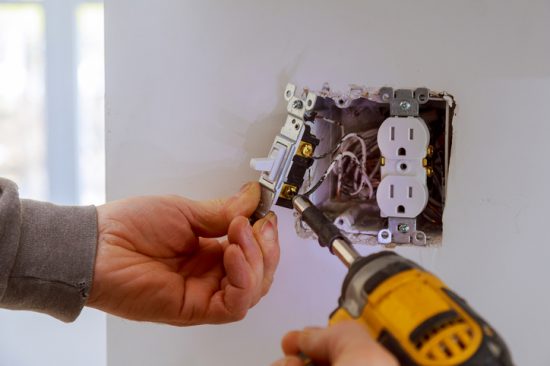
Essentially, electricity is a secondary source of energy that’s created from the conversion of other sources of energy. Electricity is made up of atoms, which contain a nucleus composed of protons and neutrons. Around the nucleus are electrons, which revolve around the nucleus due to their attraction to protons and electrons. These respective particles contain an electrical charge, as protons are positively charged and electrons are negatively charged. Orbiting electrons that don’t have a strong attraction to the protons in one atom will be pushed out of the rotation and into another atom’s orbit. Electricity is the result of this shifting pattern. After completing your electrician training, you’ll be using this knowledge of electricity to inform the work that you do on the electrical systems within residential and commercial buildings.
The Electricity Generation Process
The electricity that’s used in residences and other buildings can be created in many ways, but some of the most common sources of electricity generation are coal, wind, and nuclear energy. Coal is burned at an extremely high generator, creating steam which passes through a turbine. The turbines are equipped with a generator–containing coils that rotate within a magnetic field to create electricity. Wind energy is created when wind turns the blades of wind turbines, spinning a shaft connected to a generator which creates electricity. Nuclear energy is produced within power plants, where an atom is split through the process of nuclear fission to create energy. This energy is used to produce heat, and the steam created by this heat generates electricity.
After this electricity is generated, it’s then delivered to consumers via different power lines that make up an electricity grid. Electricity grids connect electricity producers to consumers using substations, transformers, and power lines. As a graduate of electrician college, you’ll be working with the electricity delivered to these residences and commercial buildings.

Terms to Know Surrounding the Principles of Electricity
When learning about the principles of electricity, learning a few basic terms will enhance your understanding of how electricity works.
- Coulomb: A coulomb is a unit of electric charge
- Ampere (Current): Flow rate of an electric current
- Ohm: The unit of resistance within a conductor, determined by temperature, material and size.
- Resistance: Measured in Ohms is the electromotive force needed to pull electrons away from protons within an atom.
- Volt: Measure of the amount of electromotive force needed to push one ampere through a conductor.
- Ohm’s Law: Used to explain the relationship between current, resistance, and voltage. According to Ohm’s Law, the current is equal to the voltage divided by the number of Ohms.
- Watts: A unit of electrical power, equal to the number of volts multiplied by the current.
- Ampacity: The maximum amount of current that a conductor can handle.
Once you master an understanding of the terms used to measure electrical currents and charges, you’ll be able to use this knowledge to install, repair, and maintain electrical systems.
Ready to enroll in electrician school?
Explore your options with a program at the North American Trade Schools today!

Sustainability is leading the conversation in most industries today. As with the majority of sectors in the construction and maintenance industry, the Heating, Ventilation, and Air Conditioning (HVAC) market is under pressure to go greener. Sustainable HVAC systems are an important innovation for both the industry and our planet. Homeowners and technical workers can benefit from new technologies that reduce the environmental impact of HVAC systems while maintaining their design integrity.
Students training for a career within the HVAC industry will study the installation and maintenance of different HVAC systems in residential and commercial environments. Gas codes and regulations are other important features of HVAC training. To get to grips with the evolving trends of the industry, read on for an overview of the benefits and concepts behind sustainable solutions in HVAC design.
The Benefits of Sustainable HVAC Systems
The drive to reduce energy consumption, greenhouse gases, and the use of fossil fuels are top concerns when it comes to sustainable design initiatives. Delivering hot water and heating to buildings produces a significant greenhouse gas footprint. Sustainable HVAC systems offer a solution to the environmental expense of traditional heating and cooling methods. HVAC systems such as heat pumps work by transferring heat between indoor and outdoor spaces to regulate the temperature of the building. In that sense, they are sustainable alternatives to boilers or furnaces that rely on fossil fuels.
Students in HVAC school might be interested to know that sustainable HVAC systems save both energy and costs in the long run. Up to 30 percent of the energy generated for use in commercial buildings is wasted. On average, HVAC systems last up to 15 years–a long time to endure high energy expenses and greenhouse gas emissions. Both workers and homeowners can benefit from the reduced cost of climate control over the building’s life cycle. It’s important for construction and maintenance technicians to know which sustainable technologies provide the best return over time.

Sustainable HVAC Solutions
There are numerous ways to achieve sustainability in HVAC systems. Thermal air conditioning is a great way to conserve energy without sacrificing power and comfort. Instead of relying on electricity, these units use solar panels to draw energy from their surroundings–an efficient and cost-effective solution.
Duct wrap is another staple of the HVAC industry that is used to reduce energy loss that can occur in air ducts. Unlike regular duct wrap, quiet duct wrap is made from recycled denim reduced from landfills. Quiet duct wraps also prevent irritants or other organic compounds from reducing indoor air quality.
The dual-fuel heat pump is a great solution that uses a combination of fuel types. The dual-fuel heat pump uses both electricity and gas to generate efficient heating and cooling. For homeowners who are concerned about the reliability and power of sustainable systems, the dual-fuel heat pump is one to count on. The pump uses electricity above 1.67 degrees Celsius, but if the temperature drops lower, the pump resorts to gas to heat the home. In that way, sustainable systems provide powerful solutions without compromising energy-efficient efforts.
The Future of Sustainability for Those in HVAC College
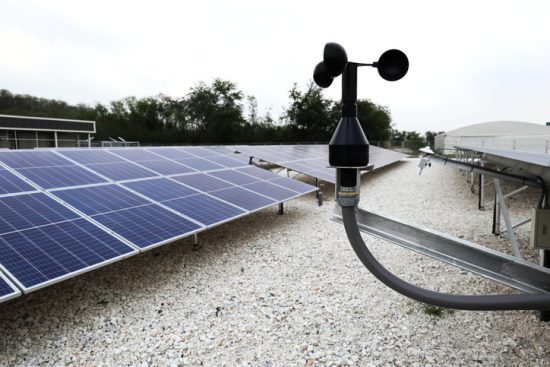
Students in HVAC technician courses will work with numerous types of equipment to construct and maintain HVAC systems–including: measurement gauges, refrigerant lines, and air ducts. Voltmeters, thermometers, pressure gauges, and other testing devices are used to check airflow, refrigerant pressure, electrical circuits, and other components. Knowing how to apply these tools and materials to sustainable solutions is valuable to stay ahead of the industry. To become more sustainable, construction technicians should consider the bigger picture and think in terms of building integration. By choosing the right products, materials, and building designs, technicians can push for a more sustainable future for the construction industry.
Are you interested in attending HVAC college?
Contact NATS today to learn more about our program!
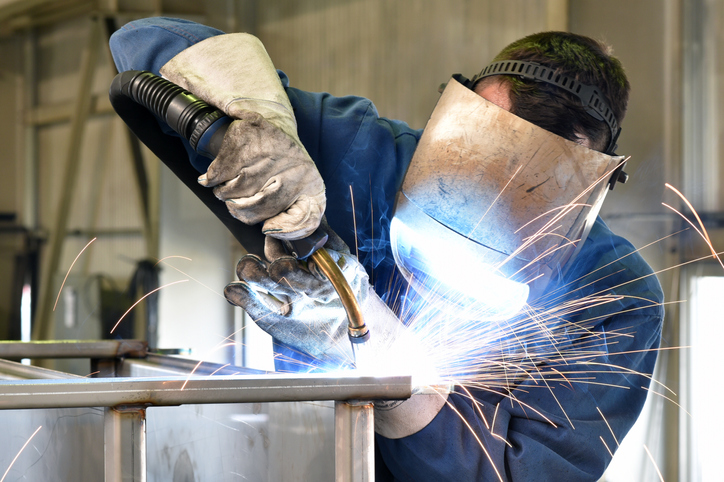
If you’re training to become a welding technician, you may be surprised to know that there are a wide range of career opportunities available to you upon graduating. With the skills you build in a welding technician program, you’ll be able to transition into a number of different work environments and career paths where your knowledge of welding principles will be applied to a variety of projects.
In a welding program, you’ll receive hands-on technical training in the welding arts, learning techniques in Gas Metal Arc Welding (GMAW or ‘MIG’), Gas Tungsten Arc Welding (GTAW or ‘TIG’), Shielded Metal Arc Welding (SMAW or ‘Stick’), and more. You’ll also learn about important safety procedures on the job, in addition to welding-associated mathematics and symbols. After completing your program, you’ll be able to transition into a number of different careers–some of which may require additional training or apprenticeships. Below, explore some career paths within the welding industry.
Become a Welding Technician After Welding Technician Training
Once you complete your welding technician training, one of the most direct career paths you can take is to become a welding technician. Welding technicians apply their knowledge of different welding techniques, materials, equipment, and joining processes to the manufacturing of welded products. These professionals assist welding engineers to develop and implement different techniques in order to produce a high-quality product–ensuring that the manufacturing process is in-line with industry standards and codes. They may work to solve problems, test new products, and perform experiments in order to identify the ideal welding process. If you have strong problem-solving skills, this could be the career path for you.
You Might Choose to Become a Boilermaker
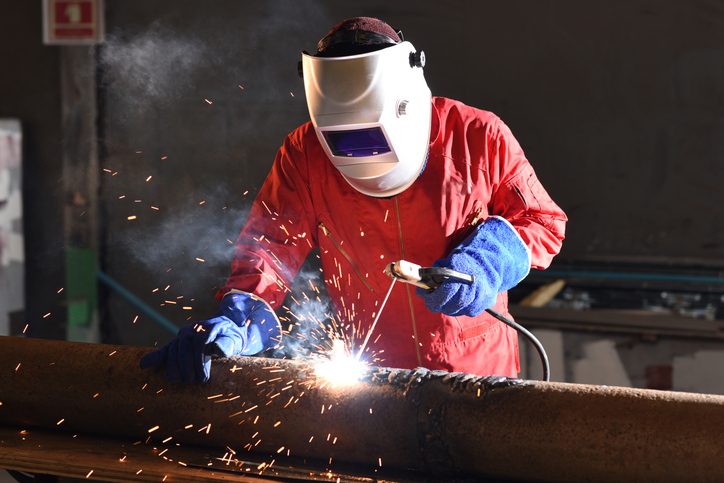
One of the many specializations available within the welding industry is that of a boilermaker. Boilermakers work to install, maintain, repair, and manufacture the boilers within different buildings and ships. Boilers are responsible for heating up liquid in order to heat structures or generate electricity. As a boilermaker, you’ll work to interpret blueprints and assemble pre-made boiler components using different welding techniques. With your skills, you’ll be able to ensure that the boiler tank and system you manufacture is structurally sound so that it works safely and effectively.
A Career as a Welding Inspector Suits Those Attentive to Detail
With some additional experience in the welding industry, the knowledge you gain in welding college can translate to a future career as a welding inspector. Welding inspectors apply their knowledge of different welding processes, standards, materials, and methods of testing to the inspection of different welding processes. These professionals work to verify that the product being welded is done in compliance with different safety codes and industry standards–in addition to ensuring that the correct materials and equipment is being used. Their expertise is critical when it comes to ensuring the safety and soundness of the welding project. If there are any mistakes or discrepancies, welding inspectors are responsible for catching them and developing a sound solution. If you have a keen eye for detail, consider this career path after completing your welding training.
You’ll Be Qualified to Become a Pipefitter
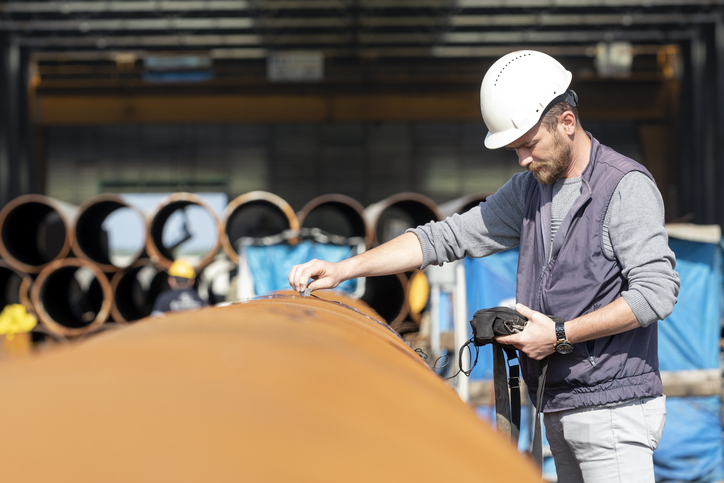
Pipefitters have a dynamic and important job within the industrial manufacturing industry. These professionals are responsible for creating, assembling, installing, and maintaining piping systems used in commercial, marine, or industrial structures. The piping systems they create are typically used to transport fuel, water, chemicals or steam, and often include technical assemblies with hydraulic, high-pressure, cooling, or pneumatic functions. Within this specialized career, pipefitters apply their understanding of piping systems to the implementation of different design plans–creating and maintaining piping systems by applying welding, cutting, and fabrication techniques. If you’re looking for a hands-on technical career in the welding industry, this could be the job for you.
Are you ready to enroll in welding classes?
Gain the skills to launch a dynamic career with a program at the North American Trade Schools!
Plumbing Damage: 5 Signs to Look Out for During Your Home Inspector Career
August 10, 2021

Of all the issues that can occur within a home, plumbing system problems are right up there with the most significant. Without a functioning plumbing system, a home may undergo the risk of significant water and pipe damage–yielding costly repairs. If you’re considering a career as a home inspector, it will be your responsibility to identify issues within a house and warn buyers of any potential problems.
One of the areas of a home that you’ll need to examine closely when conducting your inspection is the plumbing system. Even the smallest of potential issues can lead to a hefty bill down the road, so it’s important to catch problems as early as possible. Below, discover five different signs that a home is experiencing plumbing damage.
1. During Your Home Inspector Career, Check Whether the Water Pressure is Weak
Weak water pressure is a telltale sign that there’s some kind of problem with the plumbing system. After you complete your home inspector training, be sure to check the water pressure to determine whether there’s an issue with the distribution of water within the system. Weak water pressure should either be caused by a clog in the pipes, or an issue with the faucet aerator–the mechanism which controls the distribution of water. While it’s often a simple fix, it’s better to determine the source of the problem rather than letting the issue get worse.

2. Determine the Drainage Speed
Another common sign of a plumbing problem is slow drainage speeds. If only one drain is experiencing slow speeds, this means the drain can be unclogged with a drain cleaner, plunger, or another tool. But if every drain is operating at a slower speed, there’s likely a more serious problem at hand. In this case, the main sewer line might be blocked, which often happens if a growing tree root gets in the way of the sewer line’s path.
3. A Bad Odour Might Indicate a Problem
If there’s a strong odour coming from a home’s drains, it’s typically a sign that the drain traps aren’t working properly. Drain traps are made for the purpose of stopping sewer gas from seeping into a home by forming a type of barrier or water plug. They work in tandem with a vent, which transfers sewer odor to the roof and away from the interior. If there is a strong odor present in the home, one of the drain traps might have run dry or one of the lines in the vent has cracked. It can be difficult to pinpoint the source of the leak or crack, but it’s necessary in order to fix the problem and prevent smells in the future.

4. Check the Colour of the Pipes
After you become a home inspector, you’ll want to check the condition of the plumbing pipes. These can typically be found under the sink and in the basement of the home. If the pipes are showing any signs of rust, corrosion or discolouration, this can indicate that there is a leak in the pipe. Leaks can lead to water damage, which can compromise the integrity of a home’s structure and create mold growth. With these potential issues in mind, if any discoloured pipes are identified, they should be replaced before a homeowner moves in.
5. Look for Problems with the Paint
Wondering whether the plumbing system is leaking, but can’t identify the source of the leak? When inspecting a home, it’s important to note that leaks in the plumbing system can manifest in the walls or ceilings of a home. Is the paint brown, blistering, or bubbling? This could be a sign that there is water damage beneath the paint’s surface. In order to prevent the growth of mildew or mold and keep the walls structurally sound, it’s important to fix the leak and repaint the area before the damage worsens.
Are you ready to launch your home inspector career?
Get the skills you need to succeed with a program at the North American Trade Schools!

As a home renovation technician, you’ll be responsible for taking homes to the next level by handling a variety of projects, including painting, carpentry, plumbing and more. Whether it’s your own home or you’re completing a project for a client, it will be important to stock up on the proper tools to get the job done right.
Home renovation can be tricky at times. By equipping yourself with the tools you need, you’ll be able to successfully complete any project while keeping in line with building codes and safety regulations. In addition to safety gear such as a hard hat, safety glasses, respirator, and gloves, you’ll need at least five different types of tools including electrical tools, hand tools, carpentry tools, plumbing tools, and painting tools. Below, discover more details about each of these tool types!
1. You’ll Need an Assortment of Hand Tools
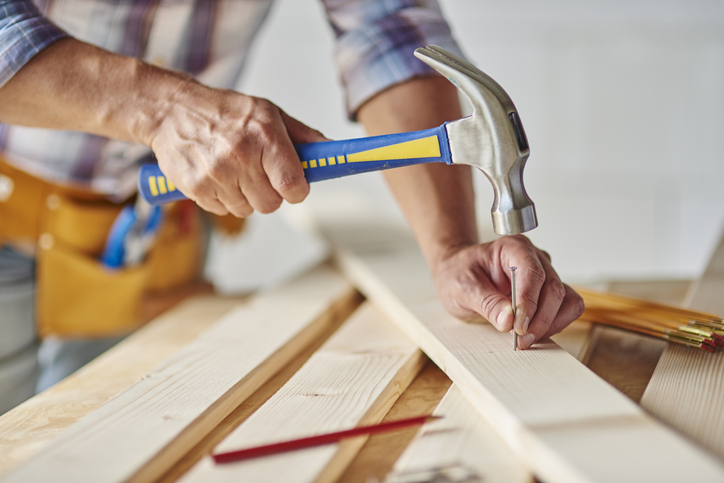
After completing your home renovation training, it will be important to carry a few different hand tools at all times. First, you’ll want a tape measure to ensure that you’re working with the right dimensions. You’ll also want a screwdriver (preferably a multi-bit one), and a variety of screws to go along with it. Additionally, it’s important to carry a few different hammers with you at all times. A carpenter’s hammer is convenient when it comes to woodworking projects, and a sledgehammer is essential when completing the demolition stage. Lastly, you’ll want to have some pliers on hand, as these will help you to fix and place wires and other smaller objects.
2. Carpentry Tools Will Help You Cut and Frame
When conducting carpentry projects, there are a few different tools that will enable you to complete the job in a clean and efficient manner. During your career, it will be beneficial to have a saw on hand at all times. In addition to a handsaw, consider investing in a motorized circular saw–as this will speed up the wood cutting process. Saw horses are also essential tools when it comes to staying safe while cutting plywood or lumber. If you’re working on a framing project, you might want to bring along a rafter square, as this will help you to determine the right layout. Finally, it will be impossible to know whether you’re cutting or fitting two pieces together without a level–so be sure to always have one on hand!
3. Plumbing Tools Are Helpful to Have on the Job
Once you become a home renovation technician you’ll probably have to navigate a few plumbing projects–especially when working on a home’s kitchen or bathroom. In order to successfully complete any plumbing job, you’ll want to have a: pipe cutter, sandpaper, and propane torch in your tool box. A pipe cutter will enable you to work with different pipes and shape them to the right size, while both sandpaper and propane torch are used to make new connections between pipes. In the case of leaks, it’s also helpful to carry some duct tape with you–as this can be used to quickly and safely seal any holes to prevent water damage from occurring.

4. Those in Home Renovation Training Can Expect to Use Electrical Tools
Every home renovation technician needs a few different electrical tools. The most important electric tool to have on hand is a cordless drill. This will help you to avoid the pain of using an extension cord when drilling needs come up on various projects. Additionally, if you’re working with wires, using a circuit tester allows you to ensure that no wires are live. This lets you quickly ascertain safely before moving forward with a project.
5. Finish the Job Up with Painting Tools
Painting is typically the last step in the home renovation process. While you don’t need too many heavy duty tools to give a surface a fresh coat of paint, there are a few handy tools that will make your life easier. First, you’ll want an assortment of tarps to put on the ground to catch any drops of paint that fall. You’ll want a sanding block to smooth out smaller surface areas. If you want to ensure a quality paint job, it’s also important to carry a set of high-quality rollers and paint brushes. One final tip: when it comes to painting corners and tight spaces, having a short-handled brush and an angled brush on hand is always useful.
Now you know what key tools you’ll need to have on hand to succeed as a home renovation technician. Depending on the project, you may want to carry some or all of these tools with you at all times!
Ready to enroll in home renovation technician school?
Launch your career with a program at the North American Trade Schools.
If You’re in Construction College, Here’s What You Need to Know About Electrical Motor Theory
July 20, 2021
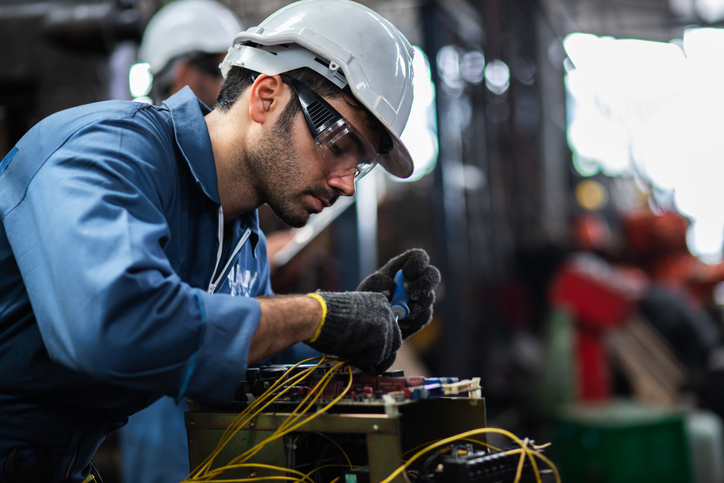
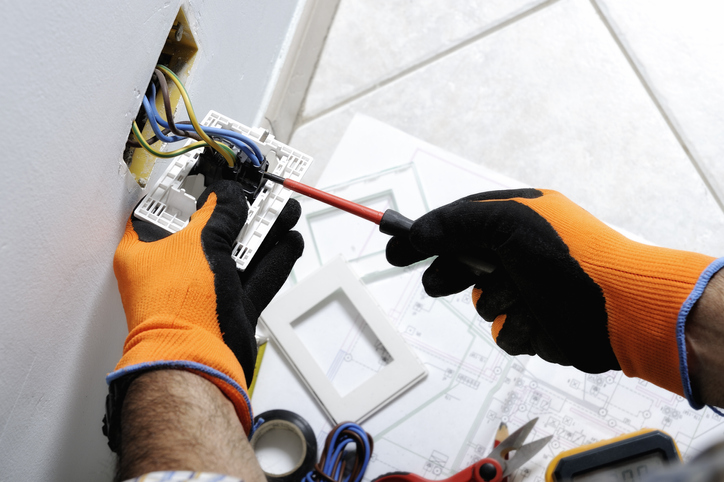
Working in the electrical industry requires knowledge of one of the fundamental components of modern construction: electric motors. From power tools to household appliances to industrial applications, electric motors are found everywhere. Essentially, an electric motor is a machine used to convert electrical energy into mechanical energy. Electricity is passed through a coil to produce the power to drive a machine.
Given their availability in today’s world, knowledge of the theory and application of electrical motors is essential for anyone hoping to pursue a career in the field of electrical construction. Skilled professionals should have a complete understanding of electrical motor theory and its application in residential, commercial, and industrial systems. If you’re considering a career as a construction and maintenance electrician, here’s a quick look at the fundamentals of electrical motor theory!
How Do Electric Motors Work?
The electric motor works according to an interaction between the electric current and the magnetic field, which generates a force to make the shaft rotate. In other words, when an electric current passes through a coil, a magnetic field is generated that causes the coil to rotate on its own axis. Most electric motors today work according to this principle of electromagnetic induction. The mechanics of a generator work in much the same way as an electric motor – however, a generator works in the opposite direction, converting mechanical energy into electrical energy.
Students in construction college learn the principles and applications of electricity to prepare them for competitive careers as electrical control assemblers, electrical technicians, and more.
Types of Electrical Motors
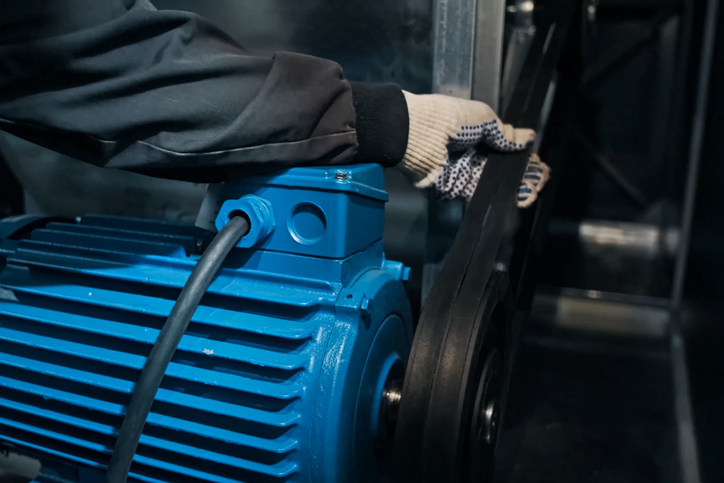
Electric motors can be classified according to their power source, construction, motion output, and application. Typical motors are equipped to provide sufficient mechanical power for industrial uses in pumps, fans, power tools, and disk drives. Today, the most commonly used electrical motors are AC motors and DC motors.
DC (Direct Current) motors are widely used because they come with a pre-existing power distribution system. Their speed can be adjusted through the intensity of the electric current. The ability to control the speed makes them a popular choice for home appliances, vehicles, and elevators.
AC (Alternating Current) motors are able to reverse the direction of the electric current at regular intervals. This type of motor uses magnetic forces to propel the current through the device. The current creates a rotating magnetic field that can move the rotor. With a low starting power and controlled acceleration, AC motors are suitable for instrumentation and industrial applications.
Trained electricians pursuing a career in construction will be able to distinguish the appropriate uses of different types of electrical motors.
Advantages of Electrical Motors in Construction Careers
In application, electric motors have several advantages over normal engines. When it comes to their comparative power, the horsepower rating is similar – however, the cost of electric motors is significantly lower than fossil fuel engines. These motors also don’t use fuel, nor do they require the maintenance of engine oil. In that sense, electric motors require little maintenance with a lifespan of up to 30,000 hours if maintained properly. Not to mention, electric motors can be widely used across different appliances, including machine tools, ships, paper mills, motor vehicles, as well as heating and ventilation systems. With knowledge of the fundamental workings of electric motors, students in construction are prepared for a modern and practical career path.
Are you interested in construction careers?
Contact NATS today to learn more about our program!
5 Common Home Issues You’ll Encounter During Your Home Inspector Career
July 13, 2021
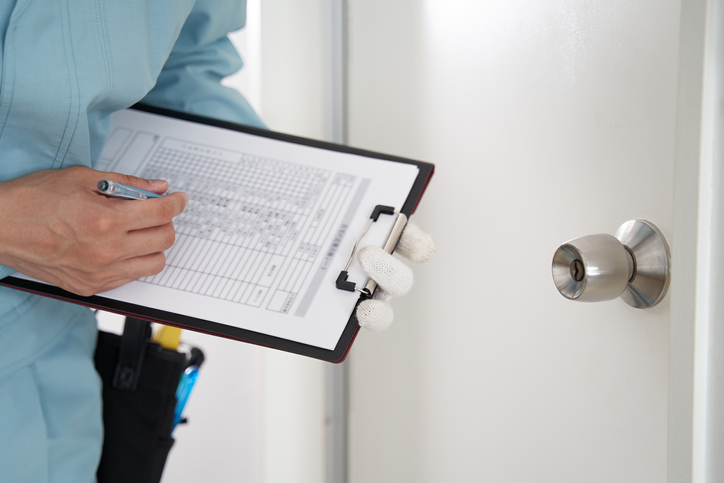
Home inspectors have an important role to play in the process of purchasing a home. These professionals have the knowledge and skills necessary to identify issues in homes that aren’t usually visible to the naked eye. They’ll also communicate with a home’s potential buyers to alert them of any possible problems, enabling them to make an informed decision before moving forward.
If you’re seeking a career as a home inspector, you’ll be visiting homes to conduct a thorough inspection, identifying damaged components, signs of neglect and more. Your success will be enhanced if you familiarize yourself with some common issues you can expect to identify in home inspections throughout your career.
Below, read on to discover five of the most common home issues to be aware of!
1. After You Become a Home Inspector, You May Encounter Damaged Roofing
Roofing damage is one of the most common forms of home damage, making it important to look closely at the roof during your home inspector career. Signs of damage can appear in the shingles, trim, and flashing, and all of these components should be closely expected. Additionally, it’s important to obtain information such as when the roof was last replaced, what the life expectancy of the roof is, and whether any repairs have been done on the roof. The roof may also show signs of leakage, and if any damage is found, the buyers should be notified immediately.

2. Water Damage Issues Are Common
Water damage can often lead to mold growth, structural damage, and leakage, so it’s crucial to address this problem during a home inspection. Check the pipes for cracks, and examine the ceiling, attic, flooring, and basement for any signs of warping, cracking, or water spots. Water damage can also be caused by drainage problems, so ensuring that drainage systems such as roof gutters and downspouts are securely installed is necessary when it comes to preventing future water damage.
3. Check for Electrical Problems
If you want to become a home inspector, you’ll want to note that electricity problems are common in many homes. When conducting an inspection, check a home’s circuit breaker and electrical panel. You’ll want to determine whether there are any components that show signs of wear, or whether the electrical system is outdated. Additionally, inspect the wiring to see whether there are any bad connections that can be identified, and ensure that all wiring is correctly grounded. Lastly, compare the electrical system with relevant electrical codes to make sure there are no violations.

4. In Older Homes, the Foundation Can Present an Issue
Depending on how old a home is, the foundation can often present an issue. A foundation may show signs of cracking, which may be caused by environmental factors, tree roots, a lack of reinforcement, or drainage issues. As a cracked foundation can cause interior leakage and even create shifting within a home, it’s important to look out for potential problems in order to save buyers from safety hazards and hefty expenses down the road.
5. General Maintenance Problems Are Often Discovered
If a home hasn’t been well maintained by its previous owners, there will often be many signs of general neglect which should be identified during a home inspection. The paint (both interior and exterior) might be cracked, the heating and cooling system may need repair, and major appliances such as the oven, refrigerator, and dishwasher may need replacing. While these may seem like cosmetic issues, they can end up costing homeowners a lot more than anticipated down the line.
Ready to begin your home inspector training?
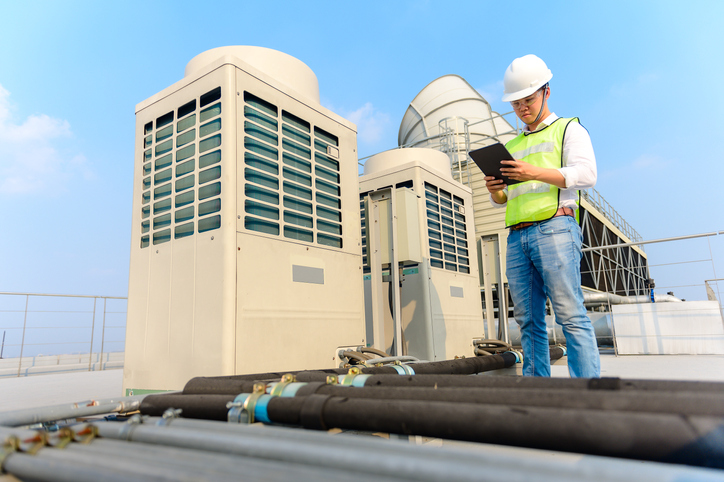
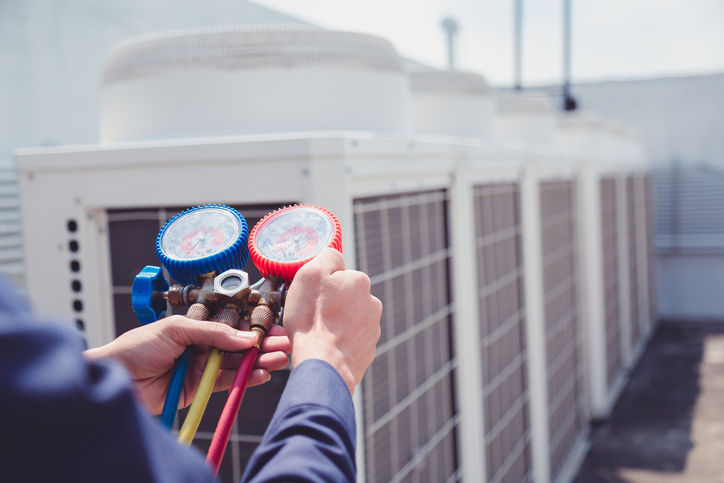
If you’re considering launching a career as an HVAC (heating, ventilation and air conditioning) technician, you’ll be entering an exciting field where your skills will be in-demand. On the job, your duties might include installing HVAC units, conducting routine maintenance examinations, replacing broken components, and more. Throughout your career, it’s important to prioritize your safety, as HVAC technicians are often exposed to hazardous materials and conditions while on the job. Chemicals such as refrigerants and contaminants–including dirt and debris–are all common to encounter as an HVAC technician. With this in mind, it becomes key to wear the proper safety gear to protect you from harm.
Read on to discover what you should have on hand to stay safe as an HVAC technician.
After Finishing HVAC College, Wear Protective Gear
As an HVAC technician, it’s important to wear clothing that protects you from exposure to both chemicals and contaminants. On the job, be sure to wear a long-sleeved shirt and long pants so as not to leave any skin vulnerable. Additionally, ensure that your clothing is free of synthetic fibers, as they’re more flammable. After graduating from HVAC school, it’s also important to wear the right boots, as proper footwear is necessary to protect your feet from the heavy machinery you’ll be working with. You’ll also need safety goggles to protect your eyes from debris, and earplugs to prevent hearing damage due to the power tools used in HVAC work. Lastly, a thick pair of gloves will keep your fingers safe from any injuries that could result from handling sharp wires or pipes.
Use the Right Tools
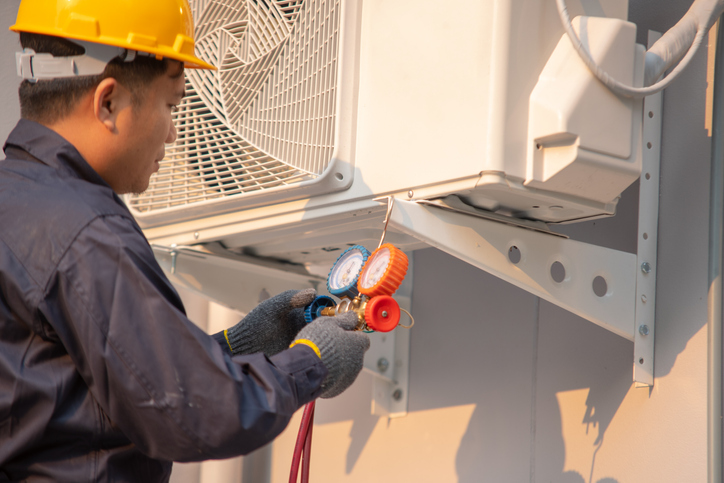
When you use the right tools, your safety will be enhanced throughout your career. There are a few critical tools that enable you to perform any job in adherence with industry standards—reducing the risk of malfunctions that might otherwise pose a threat to your safety. As a graduate of HVAC college, you should always have the following tools in your bag:
- Clamp metre
- Anemometre
- Wrench
- Vacuum gauge
- Refrigerant leak detector
- Wire stripper
While it’s important to have these tools on hand, it’s important to examine the quality of your tools before beginning any repair or installation. By ensuring that your tools are in good working order, you’ll be able to avoid making any dangerous mistakes on the job.
Follow these Practices When Handling Chemicals
Throughout your career as an HVAC technician, you’ll be working with and transporting many different chemicals. In addition to wearing the right safety gear, it’s also important to know how to handle chemicals on the job to reduce your risk of injury. When using gas cylinders, make sure to inspect them before filling them up, and check to make sure there are no signs of leaks or damage. You should also not have gas cylinders in your van in hot weather, as this can increase the risk of explosion. When working with any detergents, refrigerants, solvents, or other cleaning liquids, make sure to wear goggles and a protective mask over your face to avoid exposing yourself to chemicals.
With these safety rules in mind, you’ll be ready for a long career as an HVAC technician.
Thinking about enrolling in HVAC technician courses?
Launch your career with a program at the North American Trade Schools!

Cabinetmaking is an age-old skill within the woodworking tradition. Nowadays, skilled workers are applying cutting-edge tools and technology to push the trade into the modern landscape.
Graduates of cabinetmaking school open the doors to practical career opportunities in cabinet installation, store fixtures construction, and architectural millwork. In order to secure their footing in the field, graduates should know how to transform their knowledge and training into marketable skills. Employers want to feel confident that their workers have the experience and skillset to complete jobs to a high standard.
Here’s a closer look at how graduates can craft an impressive resume to land work in cabinetry!
Showcase Your Practical Experience
First and foremost, cabinetmaking is a hands-on trade. Skilled workers will need to know the fundamentals of shaping, cutting, and assembling different types of wood into a finished product. For that reason, employers are looking for someone who not only understands the theory of cabinetry, but who has practical experience working with the different materials and tools of the trade.
Cabinetmaking training combines classroom teaching with hands-on training in a lab. Students will work with industry-grade equipment–including a table saw, miter saw, drill press, joiner, edge banding machine, and power tools. When applying for a job in cabinetry, students should include examples of their practical experiences and specify how they have used different tools to complete their work. Employers may be scanning resumes for keywords, so it’s important to use industry terminology in your applications.

Highlight Employable Skills
Cabinetry is a dynamic profession for individuals with a range of theoretical and practical skills. Employers will be looking for workers with strength in design, construction, and organization. Students enrolled in cabinetmaking school will also learn the importance of soft skills. Time management and the ability to multi-task within tight deadlines are developed throughout the course. The ability to organize your work independently will demonstrate that you are a responsible and reliable worker.
As cabinetry entails physically demanding work, stamina and strength are valuable traits. Employers want to know that you are capable of performing various tasks in an efficient manner. Additionally, creativity and design skills are essential to crafting cabinets that are both functional and aesthetically pleasing. The key skills on your resume will not only showcase your personal strengths, but also demonstrate your understanding of what it takes to work in cabinetry.

Include an Official Degree From Cabinet Making School
Employers today are looking for candidates with an in-depth working knowledge of the trade. Training someone from scratch takes time and resources, and many companies are looking to hire someone with a pre-acquired skill set.
A degree from a trade school gives candidates a significant advantage in the job market. Students of a cabinetmaking program will learn the fundamentals of woodworking, blueprint reading, operating machines, surfacing techniques, and laminating procedures. They also gain practical experience using industry equipment. Upon graduating, students can immediately apply their training to a job in cabinetry. With a recognized degree from a trade school, employers can rest assured that their workers have the skills to jump straight into professional work.
Are you ready to enroll in cabinet making courses?
Contact NATS today!

While businesses across Canada have felt the effects of the COVID-19 pandemic, one industry has bounced back faster than expected. The home renovation industry has been surging over the past year, with the main driver of this boom being the pandemic itself. With Canadians forced to spend more time at home due to travel restrictions and lockdown orders, they’ve had the opportunity to focus on what might be improved within their homes.
If you’re considering a career as a home renovation technician, your skills will be in demand in the coming years as Canadians continue to invest in home renovation projects. Read on to discover more about the trends dominating Canada’s home renovation industry, and the impact that this growth may have on your future career.
Professionals with Home Renovation Training Have Been in Demand Since the Pandemic
Even before the pandemic hit, home renovations were hitting record highs across Canada. With the initial arrival of COVID-19, many home renovation projects were put on pause as Canadians cut their spending in anticipation of an economic downturn. However, as the months dragged on, more and more Canadians either opted to move ahead with their renovations or decided to begin new projects that they hadn’t considered prior to the pandemic.

If you want to become a home renovation technician, it’s important to note that about one in two Canadians are either planning to or have already completed a home renovation during the pandemic. Today, the home renovation industry is experiencing a major resurgence, and the prolonged uncertainty surrounding the pandemic has only made growth in this industry more certain.
Why Canadians Want to Begin their Renovations Now
The COVID-19 pandemic imposed more restrictions on the free movement of Canadians than ever before. Many professionals found themselves working from home, their children attending school online, and their vacations cancelled. However, for those with home renovation training, these new obstacles provide more opportunities for revenue.
Homeowners are placing increasing importance on creating a home that they want to spend more time in–whether that means upgrading their home office, putting in a new patio, or adding an extra wing to their home for recreation. In fact, 80% of Canadians cited comfort as the main reason for undergoing a home renovation. Canadians want their homes to be as livable as possible, and with the extra time that the pandemic has afforded them, they’re able to sit down and think about the renovations they want to invest in.

The Benefits of Home Renovations
While the pandemic placed greater value on the home space, this isn’t the only reason that Canadians are investing in home renovations. Many are also looking to make home improvements as a means to increase their property values. More and more Canadians are investing in real estate due to the current affordability of the market, and many see home renovations as a great way to increase the value of their homes while real estate is cheaper. With a home upgrade, property owners are sure to see greater profits in the future, making home renovations more valuable than ever before. If you’re considering getting into the home renovation business, the time has never been better to begin your training!
Looking for the right home renovation school?
North American Trade Schools has the program for you!