Author: toppyhem




The beginning of a new year, particularly a new decade, is the perfect time to consider starting a new career. If you’re a practical person looking for a challenging but rewarding trade which offers high pay and the opportunity to work in various countries and industries, welding could be the industry for you.
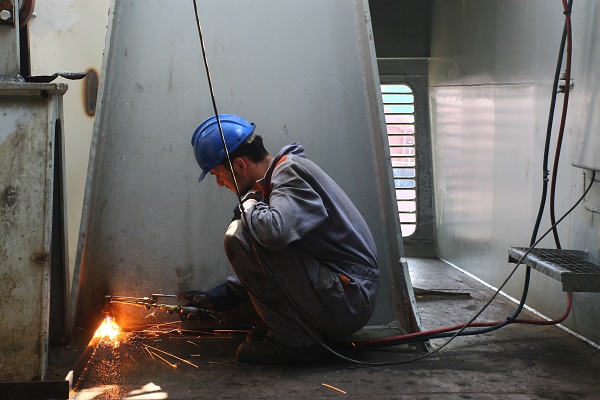
Welders make and put together metal parts using heat. They are most commonly employed in the oil, gas and mining industries, but also work in the automotive, marine and military sectors.
Skilled welders are always in demand, and this demand is expected to increase this year thanks to retirement numbers and developments in energy and manufacturing.
Read on to find out why now is the perfect time to enrol in welding training.
Welders Are Always in Demand
Figures show that this year Canada could face a ‘baby boomer retirement’ crisis, as ‘baby boomers’ (those born between 1946 – 1964) retire in huge numbers. This is good news for those starting a new career in a trade like welding, as there will be plenty of job opportunities. The Canadian Government estimates that may be as many as 24,000 new job openings across the country between 2017 and 2026.
As well as this, there is lots of development happening in the energy sector right now which will create demand for welders. The nation is looking to invest in better sources of renewable energy, as well as continuing to build infrastructure for current sources like wind turbines and solar panels. These are often made using metal, meaning that welders will be needed.

Skilled welders with specialized experience in Gas Metal Arc Welding (GMAW), Gas Tungsten Arc Welding (GTAW), Flux Cored Arc Welding (FCAW), and Shielded Metal Arc Welding (SMAW) are among the most in-demand.
As part of your welding technician training at North American Trade School, you will gain practical experience in each of these techniques, putting you in an excellent position to find employment after graduating.
Work in a Variety of Industries with Welding Technician Training
Studying to become a welder can lead to a career in a wide variety of industries. Welders are needed in almost every area of manufacturing, construction, energy, and repair and maintenance, and are also able to switch between industries throughout their careers.
Welders can choose to work in factories, on ships or shipyards, as part of the military repairing military tanks and vehicles, as well as in the engineering, oil, gas and mining industries.
As well as this, there is always the opportunity to take your career a step further with extra studying, which could open up opportunities in robotics or education.
The Opportunity to Travel the World
If you’re looking for a career that will take you all over the world, then look no further. Demand for welders is increasing internationally, not just in Canada.
You can also work in interesting and unusual environments. A welder working on board a cruise ship, for example, would be able to visit multiple countries while working, and would also benefit from high pay, as well as free room and board.
Additionally, some welding jobs structure their contracts to allow you a lot of time off, such as roles where you work on the road for six months and then have six months off.
Earn a Competitive Salary
Welder salaries vary depending on skill, experience and location. Highly skilled welders that are prepared to travel can earn well over six figures. Welders working with the military in the Middle East can also expect to receive high pay because of the risk involved.
Are you interested in taking the next step in your career with welding training?
Contact North American Trade School to find out more!
Key words: welding training, welding technician training, become a welder
What Students in Home Renovation School Should Know About Spray Booth Painting
December 31, 2019

Spray booths are widely used in the automotive industry for painting cars. They’re also very useful in home renovation, when working on paint jobs that need to have a smooth, flawless finish. These booths aren’t just for classic spray jobs—you can also use a paint booth to apply lacquer or glaze, or for shading and faux finishing.
When you are working in clients’ homes, you want to work as neatly and cleanly as possible. Dust, debris and spills are undesirable when people have you in their houses, as you want to make your presence as easy as possible for them to live around. This cleanliness also applies to surfaces you are painting. Read on for more about why you should know about these handy booths if you’re going to work in home renovation!
Isolating Paint Jobs After Home Renovation School
When you are working on a paint job such as a door or trim, you don’t want any of the dust and dirt from working on other parts of the home to stick to the paint. This can create an uneven, gritty surface and take away from the smooth, professional finish you want. A booth allows you to separate the paint job from the surrounding environment, so that particles can’t blow onto the project and settle.
If you’re in home renovation school you might be looking to pursue a career in the field, or you may be most excited about doing your own home projects with a professional level of skill. If you’re working on your own home, you surely want to do the best job you can when reviving the space. Keeping clean can make the difference between a very DIY look and the stuff of pros.

Students in Home Renovation School Should Know How Airflow Works
The flow of air in a spray paint booth affects the quality of the paint jobs done inside of it. Air runs into a paint booth through a filter, so that the space is not contaminated by debris or dust from other work on the site. It then flows out through an exhaust area and rids the space of flammable fumes. This allows for the job to continue safely without any issues with regards to safety.
The ventilation in a booth prevents spray from escaping into the exterior of the booth. It also makes jobs more efficient—overspray, or suspended particles settling and painting areas that aren’t meant to be painted, is a concern during jobs. Well-ventilated paint booths will carry the overspray away from the cupboard door or tiles you are painting and not allow it to land on top of the project.
Why Lighting Matters in Spray Paint Booths
If you’re in home renovation technician school, you probably already know the importance of lighting projects well so that you can see your work. When you are working in a booth, you will require lighting that doesn’t cast shadows over the job, so that you can judge evenness and quality of the surface. You may also need to match colours while you paint, in which case light should adequately allow you to do this.
For painting, you need to be able to clearly see the wet edge on the item, so lighting has to show the surface of the project where the coating makes contact with it.

Are you looking for home renovation technician training?
Contact North American Trade Schools for more information.
Finishing Welding Classes? Here’s How You Can Land Your Dream Apprenticeship
December 24, 2019

Welding can be a challenging job, but also a rewarding one. Getting an apprenticeship is what helps students on their way from the classroom to a welding career, and gives them the knowledge necessary to move up to journeyman status. Students who love working in hands-on environments can thrive in this type of career, and there are several ways in which they can get the kind of training they want.
Although getting welding training at an educational institution is an essential step in the process, what you do after your schooling is even more important than what you do during it, and getting the best possible apprenticeship can help build a foundation for anyone wanting to work in a skilled trade such as welding. Here are some tips for you to land your dream welding apprenticeship.
Get the Right Welding Training, Both in and Out of the Classroom
Finding the right apprenticeship opportunity can begin with the right training program. In Canada, apprenticeship programs vary between provinces, but they often require classroom time during a span of six to eight weeks per year, as well as paid, on-site training between two and five years. For welding specifically, the combination of classroom time and on-the-job training amounts to about 6,000 hours, or around three years.

Whilst in school, students can learn various aspects of the trade through their welding courses. For example, the Structure & Pressure Vessel Welder diploma program at North American Trade Schools can teach welding students about concepts such as positional welding, blueprint reading, electrodes, consumables, and various welding processes.
How On-Site Training Can Give Students the Tools They Need for Success
Anyone hoping to have a career in welding in Ontario must become a member of the Ontario College of Trades, and must remain part of the College throughout their apprenticeship. As an apprentice on the job, students will be given instruction from a skilled worker, and the apprentice’s sponsor is tasked with signing the parts of the training standard demonstrating that the apprentice has met all necessary training requirements.
Apprenticeships can also pave the way for students to get good-paying jobs after their training. Apprentices get paid in the meantime so they can earn and learn at the same time. 90 per cent of the training for an apprenticeship takes place on the job, and the student will need to find a sponsor who can help provide them with the necessary training.

What a Student Needs to Do to Get the Most Out of Their Apprenticeship
Students should research various welding training programs, and call the schools to get more information on what each offers. Similarly, they can reach out to businesses offering apprenticeships or other welders to get tips and insights on how to get the apprenticeship they want after their welding courses. Since many training facilities are in close contact with companies hiring welders, they can work together to offer the best possible apprenticeship programs to students.
Furthermore, the length of an apprenticeship can be determined by how much prior work experience and classroom education the apprentice has under their belt. NATS’ welding diploma program also teaches students about searching for jobs, crafting resumes, and what they can expect during an interview for a job in welding to help them land an apprenticeship.
Want to attend welding classes?
Contact North American Trade Schools for more information!

Fuel gases help fuel heating systems, provide energy for transportation, and are used for welding—but what are they, really? Fuel gases are gases that, when mixed with oxygen or air, become combustible. They can apply to several different processes, and can be used for a number of different industrial applications. Since it’s very important for students training to become an HVAC technician to know how to practice the safest possible gas-handling procedures, learning the basics about fuel gases is a good idea.
While there’s a lot to learn about fuel gases, it’s worth knowing some of the basics beforehand, so that students have a solid idea of how fuel gases apply to heating. Here’s what students in HVAC training should know.
HVAC School Students Should Familiarize Themselves With the Different Types Used
One of the most important things to remember about fuel gases is that there are a number of different types that can be used. Some of the most commonly used are hydrogen, carbon monoxide, and ethylene. However, we’ll be focusing specifically on acetylene, methane, propane, and propylene. These four in particular are worth remembering for those in HVAC training, because each of them are comprised of hydrocarbons, either partially or in full.
Acetylene is considered the most efficient and productive fuel gas, producing the hottest and most concentrated flame. It can also be used for both welding and cutting, the only kind of commercial fuel gas that can do so. Methane is what natural gas is primarily made of, and is most often used for heating. Its combustion properties can also vary, and can be used for cutting purposes in some cases.
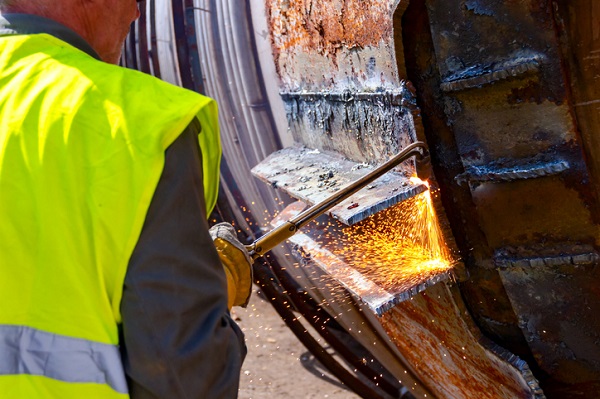
Propane has a lower flame temperature than acetylene when mixed with oxygen, and has the lowest flammability range among the most common fuel gases, but can be used for various purposes such as heating, brazing, melting and drying. Lastly, propylene’s double bond means it burns hotter and has a higher flame temperature than propane, and is often used during situations that call for a higher process performance.

Different Fuel Gases Have Different Heating Values and Other Properties Between Them
Since a big part of HVAC school involves learning about fuel gases and their respective characteristics and properties, it’s worth familiarizing yourself with the different heat values between each type of fuel gas. For example, acetylene has a gross heating value of 1,498 btu/ft3 and 21,569 btu/lb (British thermal units per cubic feet and pounds). Meanwhile, propane has a gross heating value of 2,572 btu/ft3 and 21,564 btu/lb, and propylene has 2,336 btu/ft3 and 21,042 btu/lb. Therefore, acetylene needs much less than propane or propylene to produce the necessary heat.
It’s also worth remembering that fuel gases each have different carbon to hydrogen atom ratios. This means that the efficient burning of the gas will require various amounts of oxygen to be used depending on the fuel gas type. Furthermore, some fuel gases are natural, while others are manufactured. Natural fuel gas largely consists of methane, while gases like ethane, propane and butane are considered natural gases. Natural gas is also considered the most commonly used fuel gas type today. Meanwhile, manufactured types of fuel gases include hydrogen, acetylene, biogas, coal gas, and blast furnace gas among others.
Want to start your HVAC technician training?
Contact North American Trade Schools for more information!
Exterior Wall Components for Electrician Training and Beyond
December 13, 2019

When you study construction maintenance for electricians, you will have the opportunity to apply what you learn in the classroom to hands-on training. This will include working on skill sets for commercial, industrial and residential electricity, analyzing and preparing machine controls, and building an exterior wall, among other things.
Exterior building walls, on first glance, may just appear to be what you see from the outside. When you look at a building you may see materials like brick, cement, siding, or shingles. However, the construction of an exterior wall that is fit for its environment is a complex process that requires a lot of attention to detail and design. Here are a few important points about exterior wall components.
A Brief Introduction to Components for Electrician Training
During your electrician training it will become clear that understanding a building layout and how walls are constructed is important for maintaining electrical systems. The exterior wall assembly in particular helps protect the interior of a building from outside elements. This not only refers to providing shelter for people, but also keeping systems within the building running properly.
Here is a quick introduction to the components of exterior wall assembly:
- Exterior cladding: this layer is chosen based on environmental conditions as well as aesthetics. It is the first, but not most important, defence against weather.
- Air barrier, also known as air paper or house wrap: this is a weather resistant layer that allows moisture to escape.
- Vapour control layer: moisture can build up in the exterior wall assembly without this component so it is typically required by building codes and regulations.
- Insulation: this supports interior temperature control.
- Structural element: this is the load bearing component (or components) that distributes weight and pressure to the structural frame of a building.

Interface Conditions
After you are introduced to the functions of each component of an exterior wall assembly it is important to understand how each component affects the whole. Essentially, the assembly must be able to control and mitigate moisture and protect the interior, including its electrical systems. The ways in which the components of the wall assembly are separated, joined and installed, are referred to as the interface conditions. For example, elements like flashing and end dams prevent excess rain from entering the dry zone of the assembly and may be necessary around windows, or where the wall meets the roof.
Examples of Common Materials
There are many standard materials for exterior wall assemblies that you might be familiar with even before you start maintenance electrician training. For example, Tyvek and Typar are two of the most common polyethylene air barriers. They let water vapour out, but eliminate exterior moisture, thus protecting wiring that may otherwise be vulnerable to moisture. Like tarpaper, another common air barrier, they can be damaged by UV rays.
For the exterior cladding some of the most common materials are cedar shingles, vinyl, cement board, stucco, brick, and a few others. Vinyl or steel siding can be applied directly to air paper. However, if you are using brick or stucco, the interface conditions dictate that a layer of rain screen siding may be required. At the very inside, the most common material is drywall. Overall, your expertise on each of these elements will be required as you work with building plans.

Want to become a maintenance electrician?
Find out how from the North American Trade Schools!
A Guide to Architectural Millwork If You’re Considering Cabinet Making School
December 12, 2019

Architectural millwork adds to the aesthetics of a building and is often a major part of what people notice and remember about a structure. Produced in a mill, millwork is manufactured to create decorative elements both for the interior and exterior of a building. Millwork can refer to doors, crown molding, baseboards, mantels, window casings and more.
Cabinet making is a skill that can lead to work in this field, as both require a technical and creative understanding of woodwork. Millwork also requires a good understanding of many elements, since building directly into a structure means interacting with other parts of it. Read on for some more things you should know about architectural millwork before graduating!
Millwork After Cabinet Making School Requires Diverse Knowledge
Millwork involves building decorative wooden elements directly into a building. Things like plumbing and lighting are affected by this, as these elements can interact with one another. Having a good basic knowledge of other trades is helpful and it is essential to know where elements are located in a structure to avoid problems or interference.
Since millwork is usually custom made, every job will be unique. The more diverse and extensive your knowledge is, the more you will be able to adapt to different rooms or environments when doing millwork. The projects you encounter will have to adapt to various layouts, dimensions and requirements. Cabinet making school is a great place to start understanding different types of projects and how to keep track of measurements and designs.
Architectural Millwork on Exteriors After Cabinet Making School
Architectural millwork refers to millwork made to fit in with the (often exterior) decor of a building. This could be elements such as trim and more elaborate details on the outside of a structure, like accents and moldings. Usually, exterior architectural millwork is done before millwork on the inside of a building. Architectural millwork can be done in a variety of styles and can be highly individualized.

An example of variation in exterior moldings is classical or ancient moldings versus gothic and medieval. The former have Grecian/Roman influence, while medieval and gothic styles draw from flora and fauna for inspiration.
Why Cabinet Making Matters for Architecture
A major difference between millwork and mass-produced pieces is the element of customization. When mass-produced pieces are used in spaces, they cannot be adapted to specific layouts or dimensions. This interferes with the overall look and style, which is important for architectural value. With customized pieces, woodwork can be designed and created to fit with the space, instead of finding a way to make the space work with the piece. Cabinet making training may lead you to working in the field of architectural millwork, which allows more opportunity for beauty and cohesive design.
A very important part of cabinetmaking is choosing materials. In custom projects, materials can make the difference when trying to achieve a look. Not only lumber, but also hardware for cabinets will affect the way that they are received. Architectural millwork can be a fulfilling path if you are interested in combining creativity with technical knowledge to improve spaces and environments.

Are you interested in cabinet making courses?
Contact North American Trade Schools to learn more.
3 Exterior Finishes Students in Home Renovation Training Should Know
December 11, 2019

To protect a newly renovated home from rain, wind and other conditions, you’ll need the best exterior finish. Exterior finishes are materials that cover the outside of a building or a home. Different exterior finishes are better for different homes depending on climate. They are essential for not only protecting homeowners from the weather, but also for maximizing the home’s resale value.
There are several ways anyone working in home renovation can protect buildings from the external elements, and make them look good in the process. Here are three exterior finishes you should know about if you’re studying home renovation.
1. Wood is a Traditional Finish That Every Home Renovation Tech Should Know
Wood is one of the more basic types of finishes for a home, but it’s also one that can provide plenty of versatility. For example, wood siding can come in redwood, spruce and cedar form, and can be stained or painted in various colours. While wood siding on its own is not very fire resistant, it can be treated to make it more resistant to fires. It can also be applied in multiple forms, including as vertical boards, drop siding, shingles, logs, and clapboards. Wood has a number of advantages, including its natural beauty, along with its resistance to impact and its ability to be quickly and easily installed.

2. Brick is Another Important Finish to Learn While in Home Renovation Training
This is important to learn about for anyone wanting to become a home renovation technician, since it doesn’t need a great deal of maintenance. In fact, occasional washing is often good enough for brick, and giving it sufficient maintenance can even make it last more than 100 years. Brick siding not only ages extremely well, but is also incredibly durable, which is perhaps why many brick buildings built decades ago are still standing and well-maintained. Whether you install it using brick veneer or brick masonry, this type of exterior finish doesn’t need any refinishing or repainting done, and holds up nicely against extreme weather conditions and fire—a testament to its durability and timelessness.
3. Vinyl Siding: Low-Maintenance, Highly Versatile, and Long-Lasting
Since you will be learning how to tackle various kinds of construction projects during your home renovation training, vinyl siding is another type of exterior finish you’d do well to learn more about. Vinyl siding is becoming increasingly popular thanks to its durability, lack of maintenance (since it only requires occasional washing), and cost efficiency. Plus, it can come in different shapes, sizes and colours. It can also be installed fairly easily by the homeowner rather than by a professional, and its colour will generally hold up for a long time. While it may be more vulnerable to damage in extreme weather compared to other finishes, it is extremely versatile and can be applied in different styles. Insulated vinyl is also very ecologically friendly in its ability to save energy in both warmer and colder climates.

Interested in home renovation school?
Contact North American Trade Schools to learn more!

There’s no doubt that the trades are an excellent path for individuals looking for a stimulating and reliable career that allows them to work with their hands and make a good income. If you’ve already determined that you want to work in the trades, the next step is to determine which particular trades career is ideal for you, so you can enroll in the right program at trades school!
There are plenty of exciting options available in the trades, from becoming a carpenter or cabinet maker to starting an electrician or HVAC career. Curious to learn more? Read our infographic below for an introduction to promising trades careers, so you can determine which career is right for you!

Which Trades Career Is Right for You?
Become an HVAC Technician!
What do they do?
- Install, service, and repair HVAC systems in commercial and residential buildings
Typical workplaces
- Private contracting companies
- Engineering firms
- Municipalities
- Residential services companies
Reap these benefits of an HVAC Career
- Canadian weather requires heating and cooling year-round, creating plenty of need for HVAC!
- Above average job growth expected in Ontario
Start a Hands-on Career as a Welder
What do they do?
- Install, maintain, and repair structural and piping systems in a variety of environments
- Weld together piping and metals
Typical workplaces
- Manufacturing organizations
- Residential service companies
- Private contracting companies
- Engineering firms
Unique perks of becoming a Welder
- A new challenge every day with a career that lets you work with your hands
- A variety of job opportunities available across many sectors
Launch an Eco-Friendly Career as a Solar Energy Technician
What do they do?
- Help to install, maintain, and troubleshoot solar energy systems
Typical workplaces
- Contracting companies
- Energy consultant companies
- Solar energy organizations
- Energy services organizations
Tempting perks of a solar energy career
- Work towards creating a more sustainable environment
- The renewable energy industry is booming in Canada
- 66% of Canada’s energy is from renewable sources
Put Your Hands to Work with a Cabinetmaking Career
What do they do?
- Transform wood into furniture and finishings such as trim and kitchen cupboards
Typical workplaces
- Millwork companies
- Furniture manufacturers
- Construction companies
Exciting benefits of a carpentry career
- Above average outlook for job growth in Ontario
- You can start your own business
- 34% of carpenters in Ontario are self-employed
Transform Homes as a Home Renovation Technician
What do they do?
- Work with clients to transform their homes
- Paint, add additions, and install windows, doors, flooring, and more
Typical workplaces
- Home restoration companies
- Residential renovation organizations
- Roofing companies
- Construction companies
Enjoy these perks of becoming a Home Renovation Technician
- Above average employment growth in Ontario
- Ability to work for yourself
- 68% of renovators are self-employed
Jumpstart a Lucrative Career as a Construction & Maintenance Electrician!
What do they do?
- Service, inspect, and test electrical systems
- Diagnose problems with electrical networks
Typical workplaces
- Electrical contracting companies
- Commercial and residential construction companies
- Government companies
Benefits of becoming a Construction & Maintenance Electrician
- Lucrative salary
- Above average job growth in Ontario
- 67% of workers work full-time
Sources:
https://www.app.tcu.gov.on.ca/eng/labourmarket/ojf/findoccupation.asp

Have you been considering enrolling in a training program for quite some time? If so, it’s the perfect time to stop making excuses and start making progress!
Trade school is an excellent option for students looking for an affordable and efficient education that will lead to a lucrative and secure career with great job satisfaction. There are so may trade and construction careers available in Canada, within many different industries, that you’re bound to find your ideal fit in the trades.
The first step towards starting your career, though, is enrolling in a training program so you have the knowledge you need to succeed. If you’re hesitant to make the leap, keep reading to discover some great excuse-proof reasons why you should take control of your future and enroll in trade school!

Excuse-proof Reasons to Enroll at a Trade School
You can’t argue with these great reasons to enroll in trade school!
Receive Highly Relevant and Applied Training
- Learn in a hands-on environment
- Begin practicing your new skills right away
- Apply all the knowledge you gain directly to your career
A Variety of Exciting Career Options
You can study to become a:
- Welder
- HVAC Technician
- Solar Energy Technician
- Cabinetmaker
- Home Renovation Technician
- Construction & Maintenance Electrician
- Electrical Technology Technician
- And more!
A Shorter & More Affordable Program than a Traditional University Degree
- Skip a 4-year degree
- Begin working quickly after graduation
- Financial options, like the following, help students pay for their studies:
- Student Lines of Credit
- Ontario Student Assistance Program (OSAP)
- Second Careers
- RESP
- Lifelong Learning Plan
- Employment Ontario
- Monthly Payment Plan
The Trades Are Booming Across Canada
- 6 million skilled job openings by 2021
- Trades workers make an hourly wage that’s about 6% higher than other occupations
Begin a Career That Aligns with Your Passions
- Train for a career you’re excited about
- Work in a hands-on environment
- See the fruits of your labour
- Have the opportunity to open your own business
Fun fact: Professionals working in the trades report higher job satisfaction
Receive Personalized Help Finding Your Ideal Career
- Learn how to create an effective cover letter, resume, and portfolio
- Benefit from private job listings through your college
- Choose a school with a Hire a Grad program
Experienced Instructors
- Receive career advice from experienced industry professionals
- Learn from knowledgeable and passionate instructors
Sources:
https://www.ontariocolleges.ca/colleges/paying-for-college
https://business.financialpost.com/executive/making-a-university-degree-pay-off
https://www.macleans.ca/work/jobs/the-future-of-jobs-in-canada/
Infographic: 4 Awesome Benefits of Trades Careers
November 20, 2019

Are you thinking about a new career? Whether you’re just out of school or you’re thinking of switching paths, you may want to consider a career in the trades.
Canada is currently facing a shortage of skilled trades people. Despite offering an opportunity to enjoy a high standard of living, trades careers aren’t attracting enough new professionals to meet demand. This is mainly due to outdated stereotypes about “blue collar” jobs, such as them being low-paid or unsatisfying. But forget what you think you know about the trades! Surveys of people in the construction trades, for example, finds that they are happier in their careers than other Canadians.
And pursuing a career in the trades doesn’t mean you have to give up a great pay cheque for the sake of your passion. Trades people also earn impressively high salaries. After finishing electrician training, for example, you could eventually make over $63,000, which is the average salary for electricians in Canada.
Still not convinced that a career in the trades is a great idea? Check out this infographic about 4 awesome benefits of a trades career.

4 Awesome Benefits of Trades Careers
1. Trades Careers Are Hands-On
Not too keen about sitting behind a computer all day?
Trades careers allow you to work with your hands every day
Build things you can be proud of
Tackle new and exciting challenges
Trades careers involve working in a variety of interesting settings
2. Trades Workers Are In Demand
Canada is facing a skilled labour shortage
The construction industry alone will have 44,100 unfilled job vacancies by 2028
Unfilled industrial maintenance jobs are expected to be almost as high
In Ontario, 91,100 construction workers will retire by 2028
Only 77,800 new entrants will be available to replace them
If you want a job that is in extremely high demand, join the trades!
3. Trades Careers Pay Well
Think a career in the trades doesn’t pay well? Think again!
A shortage of trades workers has fueled impressive wage growth
Check out these average Canadian salaries for in-demand trades:
- Electrician: $63,236
- Plumber: $63,345
- HVAC Mechanic: $58,500
- Roofer: $56,550
- Carpenter: $52,296
- Welding: $50,700
In the trades, experience counts:
Experienced trades workers on average make up to $91,163 per year
4. Earn While You Learn
Don’t want to wait through 4 years of schooling before making money?
Pre-apprenticeship programs take less time to complete!
Once you become a trades apprentice, you’ll earn while you learn
Apprentices work under the supervision of a certified tradesperson
There are so many reasons to pursue a career in the trades!
Discover which option would best suit your interests.
Sources:
https://www.ontario.ca/page/start-apprenticeship