Author: toppyhem
4 Essential Skills For Success After Logistics Training
August 08, 2023



The logistics field is broad and challenging, playing a major role not only in the delivery of goods and services but everything related to the sourcing of raw materials, product development, storage, and transportation. Plenty of factors play a role in the logistics process and a wide range of specialized skills are required to keep up with demand and adapt to sudden changes in the business world. Our Supply Chain and Logistics Operations Program will prepare you to be a sought after professional in the field industry by helping you develop the following skills. Keep reading to see if you have what it takes to become a logistics professional and what skills we can help you develop.
1. Stay Calm Under Pressure For Success In Logistics Work
Because of the multi-faceted nature of the logistics field, there is plenty of room for things to go wrong. If you’re a natural problem-solver who can remain calm under pressure, supply chain issues are just an exciting opportunity to find new solutions. Whether or not you have the ability to remain calm in the face of a challenging situation now, our online training program will introduce you to real-world logistics experience that can help you gain confidence. Students get to practice using software applications, communications, purchasing and contracting, order management, operations planning, and warehousing.

2. Develop Data Analytics Skills After Logistics Training
Data analytics will play an integral role in your work after logistics training. In an industry that is constantly changing and affected by so many different economic factors, it’s essential for supply chain and logistics professionals to be able to interpret and analyze data that allows them to make informed decisions. In this context, data analytics requires candidates to possess excellent numerical skills, read and create spreadsheets, and be able to use industry-standard software solutions.
3. Interpersonal Skills Will Help You Secure Good Deals
As a supply chain and logistics professional, you’ll need to collaborate with many vendors for goods, transportation services, and more. Determining the most cost efficient solution will be vital to the success of your company. Excellent negotiation skills will be the golden ticket to lower expenses and higher profit margins. Proper negotiation after logistics courses should always begin with a solid professional relationship with vendors which involves interpersonal skills like communication, conflict resolution, teamwork, empathy, flexibility, and a positive attitude.

4. Innovative Skills Will Help You Adapt To Industry Changes
As briefly discussed, the supply chain and logistic industry is frequently subject to change and disruption. For example, the 2020 pandemic had a major impact on the industry due to staffing issues and lockdowns and companies needed to find innovative technological solutions to keep the economy supplied with essential goods. The use of technology is likely to continue and accelerate. If you’re naturally interested in advancement and enjoy flexing your creative problem-solving muscles, you’re likely to thrive in supply chain management and we will provide you with the technical skills and tools you need to get started.
Are you ready to start logistics college?
Contact NATS for more information!
The Importance Of Physical Fitness For Home Renovation Training Grads
August 01, 2023

Home renovation is often a physically demanding job, with many tasks requiring strength, coordination, and endurance. Lifting, carrying, or moving heavy materials are routine activities. Even tasks that may seem relatively sedentary, like painting or plastering, can put stress on the body, specifically on the arms and back.
Physical fitness plays a critical role in enabling home renovation professionals to carry out their work safely and efficiently. It’s not simply about possessing brute strength but also having the endurance and flexibility to handle tasks for extended periods without risking injury. In this blog post, we shall explore the importance of physical fitness for home renovation professionals, and why home renovation graduates should pay particular attention to this.
Improved Physical Health
Engaging in the home renovation industry means embracing physically intensive tasks. Your day might involve demolition work, construction, or detailed activities like painting. Each of these tasks demands different physical attributes: strength, stamina, and flexibility. As a graduate of our home renovation training program, focusing on your physical health and incorporating regular exercise into your routine becomes crucial. This fitness regimen ensures your body is equipped to meet these strenuous demands, boosting your endurance, and minimizing the risk of work-related injuries.

Further, a fit body is less likely to succumb to chronic fatigue or other health complications. By prioritizing fitness, you can perform your duties more efficiently and preserve your overall well-being in the long run. Indeed, as a home renovation professional, physical preparedness is key to navigating the challenges of your work.
Improved Mental Health
Physical fitness is not just about the body; it also influences our mental health in remarkable ways. Regular participation in physical activities encourages the release of endorphins, the “feel-good” hormones, which enhance our mood, and mitigate feelings of stress, anxiety, and depression, thereby promoting a sense of well-being. The physical fitness level of graduates of home renovation training plays a crucial role in their ability to navigate the tricky world of home improvement projects.

The nature of renovation work can be complex and occasionally overwhelming. Encountering unexpected challenges or project delays is not uncommon. In these moments, physical fitness plays a vital role in helping you maintain a positive mental outlook, equipping you with the fortitude to face difficulties head-on. In essence, being physically fit doesn’t only contribute to a healthier body but also fosters a more resilient and positive mind, particularly beneficial in challenging industries like home renovation.
Reduced Stress Promotes Effective Decision Making During and After Home Renovation Training
Stress reduction is another crucial benefit of physical fitness. Home renovations are notorious for unexpected surprises and the stress that follows. Whether it’s the discovery of an electrical issue or a sudden change in the client’s plans, these situations can cause significant stress. Engaging in physical activities has been scientifically proven to help lower stress levels. This effect is vital for home renovation college graduates, as lower stress levels will enable you to remain calm under pressure and make effective decisions.
Increased Productivity
Increased productivity is a significant advantage of physical fitness. A body in prime physical condition can work longer and harder. Maintaining a high level of fitness can make you more productive and capable of completing tasks efficiently. Furthermore, regular exercise can improve sleep quality, leading to better concentration, fewer mistakes, and overall better performance on the job.
Are you interested in our home renovation courses?
Contact NATS for more information.

When people think about welding, they often picture sparks flying and skilled technicians working with their hands. While manual dexterity and practical skills are undoubtedly crucial in welding, you might be surprised to learn that math plays a vital role in this profession as well.
Mathematics provides the foundation for understanding welding processes, measurements, and calculations, making it an essential skill for those completing welder training. Welders, particularly professional ones, need to possess a strong understanding of various mathematical concepts, including fractions, decimals, geometry, volume, and area. This knowledge is crucial because welding demands exceptional precision to ensure the structural integrity of the resulting welds, especially in applications involving high-pressure vessels.
In this blog post, we will explore the significance of math in welding and why it is essential for aspiring welders to develop a strong mathematical aptitude.
Accurate Measurements and Calculations and Material and Alloy Comprehension
Welding requires precision and accuracy in measurements. From determining the length and angle of a joint to calculating the appropriate welding parameters, accurate measurements are critical to ensuring structural integrity and weld quality. Math skills enable welders to interpret blueprints, understand dimensions, and make precise calculations. Whether it’s determining the required material quantities, calculating heat inputs, or evaluating welding tolerances, math helps welders execute their work with precision and efficiency.

Understanding the properties of different materials and alloys is paramount to welding. Math provides the necessary foundation for comprehending these properties and their behaviour under various welding conditions. Equations related to material strength, thermal expansion, and mechanical properties assist welders in selecting the right welding technique and parameters for a given application. This knowledge helps prevent material distortion, cracking, and other welding defects that can compromise the quality of the weld.
Blueprint Interpretation Made Easy
Blueprints are a universal language in the welding profession. They provide welders with essential information regarding joint design, weld symbols, and dimensions. Proficiency in math allows welders to interpret blueprints accurately, identify critical dimensions, and plan their welding processes accordingly. Understanding geometric shapes and angles is particularly important when working with complex joint configurations. Welders with mathematical proficiency can accurately analyze the blueprint’s information, apply mathematical principles such as trigonometry, and determine the exact angles and dimensions needed for the welds. This attention to detail and mathematical precision ensures that the welds fit precisely, maintaining the desired structural integrity.

Problem Solving and Troubleshooting Made Easy After Welder Training
Welding often presents challenges that require problem-solving skills. Math, in addition to their welder training, equips welders with the ability to analyze complex situations, apply logical reasoning, and devise effective solutions. For instance, when encountering irregular joint configurations, welders can use math to determine the correct angles and dimensions for their welds. In addition, math proficiency allows welders to troubleshoot welding defects by identifying potential causes and making adjustments to welding parameters.
Mathematics provides a systematic framework for welders to approach challenges, encouraging a methodical and analytical mindset. It enhances their ability to understand the underlying principles of welding processes, enabling them to make informed decisions and take corrective actions when necessary.
Prepare for a Successful Welding Career Through Welder Training With NATS!
The Structural and Pressure Vessel Welder Diploma Program at North American Trade Schools (NATS) is a comprehensive program that provides students with the essential knowledge and practical skills needed to excel in the field of welding. Through hands-on training, students learn various welding techniques, safety protocols, blueprint reading, and welding symbols. The program’s curriculum is designed to meet industry standards and prepare graduates for entry-level welding positions. With experienced instructors, state-of-the-art facilities, and a focus on real-world applications, the welder diploma program at NATS equips students with the expertise and confidence to pursue rewarding careers in welding, contributing to their professional growth and success.
Are you looking for a world-class welder college?
Contact NATS for more information.
An Introduction To The Supply Chain Process For Those Considering Logistics Training
July 25, 2023

In today’s interconnected global economy, efficient supply chain management is crucial to the success of businesses across various industries. The supply chain process encompasses the movement of goods and services from raw materials to the end consumer. If you’re considering a career in logistics, understanding the fundamentals of the supply chain process is essential. In this blog post, we will provide an introduction to the supply chain process for those interested in logistics training.
What is the Supply Chain Process
A supply chain is a complex network of interconnected organizations, activities, information, and resources that work together to source, produce, and transport goods from their origin to the final destination, usually from suppliers to end customers. In today’s globalized world, supply chains have become increasingly intricate, often spanning multiple countries and involving numerous stages and processes.
The supply chain process refers to the series of interconnected activities involved in the creation and delivery of products and services. It starts with the procurement of raw materials and ends with the delivery of the final product to the customer. The key stages in the supply chain process include sourcing, manufacturing, distribution, and retail.
Sourcing
As you’ll discover in logistics training, the sourcing stage involves the identification and selection of suppliers capable of providing the necessary raw materials or components for production. Various factors, such as quality, cost-effectiveness, reliability, and sustainability, are considered in the evaluation of potential suppliers. Effective sourcing ensures that the right materials are procured from trusted suppliers, fostering the foundation for successful manufacturing and subsequent stages in the supply chain. Thorough supplier assessment helps mitigate risks, optimize costs, maintain product quality, and uphold sustainability standards throughout the supply chain.

Manufacturing
After the procurement of raw materials, the supply chain process moves into the manufacturing stage. Here, raw materials undergo a series of production activities to be transformed into finished goods. This involves a carefully orchestrated process of manufacturing, including production planning, quality control, and inventory management. Effective production planning ensures the optimal allocation of resources, scheduling of tasks, and coordination of activities to achieve efficient and timely production. Quality control measures are typically also implemented to maintain consistent product quality and meet customer expectations. To minimize stock wastage and ensure seamless production operations, effective inventory management practices are key.
Streamlined Distribution As Taught in Logistics Training
The distribution stage of the supply chain process revolves around the efficient transportation and storage of finished goods. It entails the movement of products from manufacturing facilities to various points such as warehouses, distribution centres, and ultimately to retailers or customers.

This stage heavily relies on effective logistics operations, including comprehensive transportation management and strategic warehouse optimization. And just as our logistics courses emphasize, businesses can enhance customer satisfaction by streamlining transportation routes, selecting the most efficient modes of transportation, and optimizing warehouse layouts. Needless to say, well-executed logistics operations are crucial for maintaining the smooth flow of goods throughout the supply chain network.
Retail After Logistics Training
In the supply chain process, the retail stage is the final frontier where products are made accessible to end consumers. A number of activities are carried out and considered essential at this stage, such as inventory management, order fulfillment, and exceptional customer service. Retailers play a pivotal role in ensuring that the right products are available in optimal quantities at the right time, meeting consumer demands and preferences effectively. They diligently manage inventory levels, efficiently process and deliver orders, and provide exceptional service, contributing to customer satisfaction and loyalty.
Are you looking for a world-class logistics college?
Contact NATS for more information.
4 Red Flags To Look Out For in Basements After Home Inspection Training
June 28, 2023

Basements are an integral part of a home. They provide useful storage space, serve as a foundation for the entire structure, and house most of the home’s key functioning systems. Despite all of these, though, potential homebuyers tend to spend the least amount of time in basements and typically fail to notice issues with them.
As is often the case, this can be a mistake; a troubled basement is a fertile breeding ground for sickness-causing mould. It can also pose a fire hazard in the future, or, at the very least, cause homeowners to spend a lot on repairs. During your inspections, you’re responsible for making sure that your clients don’t fall into these types of traps. In this blog post, we will discuss four common red flags to look out for during basement inspections after your training.
1. Moisture and Water Intrusion Founded Through Home Inspection Training
One of the most critical issues to identify in basements is moisture and water intrusion. Excessive moisture can lead to mould growth, structural damage, and a host of other problems. Signs of moisture include water stains, dampness, musty odours, and efflorescence (white, powdery deposits on surfaces). During your inspection, pay close attention to the basement walls, floors, and ceiling for any visible signs of water intrusion. Additionally, inspect the perimeter for proper grading, functioning gutters, and adequate drainage systems.

2. Foundation Cracks and Structural Issues
Just as you’ve learned during home inspection training, basements are susceptible to foundation cracks and structural problems due to soil movement, settling, or poor construction practices. These issues can compromise the stability and safety of the entire home. During your inspection, carefully examine the basement walls, floors, and foundation for any visible cracks, bulges, or signs of shifting. Horizontal cracks, widening cracks, or stair-step cracks are particularly concerning and should be evaluated by a structural engineer to determine their severity.
3. Home Inspection Training Highlights Inadequate Ventilation and Poor Air Quality
Basements often lack proper ventilation, leading to poor air quality and potential health hazards. Insufficient airflow can result in a buildup of moisture, stale air, and the proliferation of harmful substances such as radon gas. During inspections after your home inspection training, check for proper ventilation systems, including vents and exhaust fans, to ensure adequate air circulation. Consider conducting a radon test as well, as it is a colourless, odourless gas that can be harmful if present in high concentrations.
4. Electrical and Plumbing Issues
In addition, it is crucial to inspect the electrical and plumbing systems housed in basements. Outdated or faulty electrical wiring, exposed wires, improper grounding, and overloaded circuits can pose significant safety risks.

Carefully examine the electrical components for any signs of wear or potential hazards. Similarly, inspect the plumbing system for leaks, damaged pipes, and indications of water damage, which can lead to costly repairs and structural issues. Don’t forget to ensure that sump pumps, if present, are functioning properly to prevent basement flooding, which can cause extensive damage to the property. To ensure the basement’s safety and functionality, it is imperative to thoroughly inspect these systems.
Are you eager to learn more about a home inspection program?
Contact NATS for more information now!

Measuring a room may seem like a straightforward task that requires little guidance, and some people actually prefer to overlook this part. However, when it comes to home remodelling, accurate measurements are crucial for ensuring a successful project. Taking accurate measurements before starting a home remodelling project can prevent a lot of extra stress and expenses further down the road.
Knowing how to measure a room correctly is an essential skill that sets the foundation for any renovation endeavour. In this blog post, we will explore three essential tips to help you take accurate measurements after home renovation training.
1. Home Renovation Training Sets the Groundwork
The foundation of accurate measurements lies in using reliable measuring tools. While it may be tempting to use the tools you already have at hand, investing in high-quality measuring tools will greatly enhance your accuracy. A few essential tools to consider include a tape measure, a laser measure, and a level.

To ensure accurate measurements after your home renovation training, first, check that your tape measure has a minimum length of 25 feet. You should enlist a friend to help you hold the tape straight, as this improves accuracy. Take note of the location of electrical outlets while measuring, which is essential for planning lighting and other electrical needs. If you find it difficult to measure manually, consider using a laser measuring tool for precise and automated measurements. Lastly, remember to measure any windows to account for their dimensions in your remodelling plans.
2. Be Systematic and Thorough
To accurately measure a room during home remodelling, start by measuring the baseboard length from one corner to the next using either a tape measure or a laser measure. Record the measurements and repeat the process for the remaining walls. If the room is L-shaped, remember to measure the additional wall.

Take note of the measurements for doorways, including the swing direction of the door. Also, measure the distance from openings to hallways and open archways, using techniques and insights you picked up from the home renovation courses you took. Measure the height of the room, accounting for any key openings that affect the room’s layout.
Don’t forget to measure additional infrastructure features such as shelves, fireplaces, cabinets, and other built-in components within the room. These measurements should be included in your overall measuring process.
3. Home Renovation Training Ensures You Know How to Measure Correctly
To minimize errors and increase accuracy, always take multiple measurements of the same dimensions and cross-verify the results. Even the most precise measuring tools can be subject to human error, so this step is vital for ensuring consistency.
When measuring, take note of the smallest unit of measurement on your tool and record the measurements accordingly. For example, if your tape measure has markings in inches and centimetres, be consistent in your recordings and avoid mixing the units.
If possible, have someone double-check your measurements or use alternative methods to verify accuracy. For instance, if you measured a room’s length using a tape measure, cross-verify it by measuring the width as well. The measurements should match up, providing reassurance that your initial measurements were accurate.
Are you interested in home renovation technician training?
Contact NATS now for more information!
Residential, Commercial, Or Industrial: Which Path Will You Take After Electrician Training?
June 22, 2023
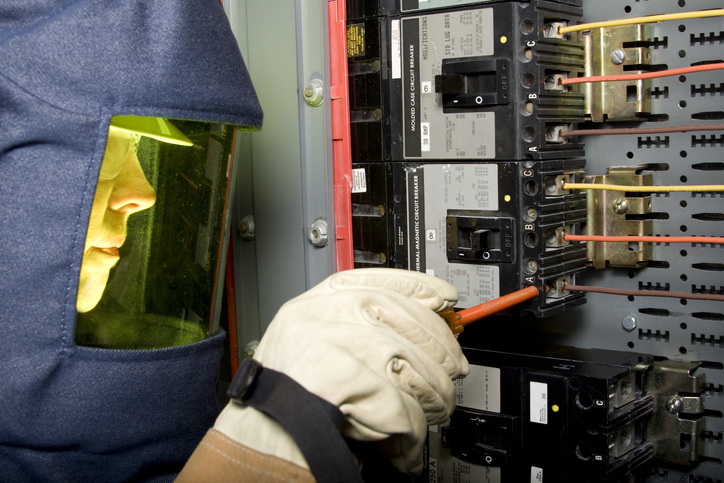
Many people who enrol in the Construction Maintenance Electrician Diploma Program at North American Trade Schools (NATS) already have a clear idea of where they would like to work before they even register for the program. Conversely, some others prefer to go with the flow and see what piques their interest along the way.
Irrespective of which side of the spectrum you fall in, the question of which path you’ll take after electrician training is an important one since there are typically differences between residential, commercial, and industrial electricians.
Ultimately, the decision should come down to which career path best suits your interests and career goals. To help narrow your focus leading to an informed decision, we’ll explore each of these career paths in this blog.
Residential Work After Electrician Training
Residential electrical work focuses on homes, apartments, and other residential properties. On a typical day as a residential electrician after your Electrician training, you’ll be responsible for installing, repairing, and maintaining electrical systems in these settings. This often involves tasks like wiring new homes, troubleshooting electrical issues, or upgrading outdated systems. One of the advantages of working in the residential sector is the opportunity to work directly with homeowners, helping them improve their living spaces and ensuring their electrical systems are safe and efficient. Residential work also offers more regular working hours, allowing for a better work-life balance.
Commercial Work After Electrician Training
On the other hand, commercial electricians deal with electrical systems in non-residential buildings such as offices, retail stores, and public facilities. Commercial work often involves large-scale projects, such as installing electrical systems in new commercial buildings or upgrading existing systems to meet code requirements. Typically, commercial electricians execute tasks like setting up lighting systems, installing security systems, or performing routine maintenance. Commercial work can be fast-paced and diverse, providing opportunities to work on a wide range of projects and collaborate with other professionals in the construction industry.

Industrial Work After Electrician Training
Industrial electrical work takes you into the realm of factories, power plants, and other industrial settings. In this sector, you’ll work with complex electrical systems that power heavy machinery, production lines, and industrial processes. Industrial electricians often use high-voltage systems, motors, control panels, and automation technologies. This type of work requires a strong understanding of industrial equipment and safety protocols. Industrial electricians may troubleshoot electrical issues under time pressure to minimize downtime and keep production running smoothly. Working in the industrial sector can be challenging but highly rewarding, with opportunities for career advancement and specialized training.

Which Path is Right For You?
When deciding which path to take after electrician training, it’s important to consider your personal interests, skills, and long-term goals. Do you enjoy working in various settings or prefer the stability of residential work? Are you intrigued by the complexity of industrial electrical systems or drawn to the fast-paced nature of commercial projects? It’s also worth noting that you can start in one sector and transition to another later in your career. Many electricians gain experience in one area before exploring new opportunities. Regardless of your chosen path, ongoing learning and professional development are essential.
If you’re interested in obtaining a more detailed understanding of each of these paths and the processes associated with them, consider registering for the Construction and Maintenance Electrician diploma Program at NATS.
Are you ready to start training toward your career at an Electrician college?
Contact NATS to learn how you can get started!
3 Rough-In Tips to Remember After Electrician Training
June 07, 2023

Rough-in wiring involves installing electrical wiring, boxes, and conduit in commercial or residential buildings before the walls and ceilings are completed. It’s a necessary process that sets the foundation for a safe and efficient electrical system in any building.
Regardless of the type of project being executed, it’s important to get the rough-in phase done right the first time. Ripping up the drywall to fix issues down the line can be messy, not to mention expensive. It’s also essential to be careful with this task to avoid the risk of electric and fire hazards. Attention to detail and adherence to electrical codes are necessary for a high-quality installation.
After completing your Construction & Maintenance Electrician Pre-Apprenticeship diploma program, you’ll often be tasked with projects like these. Here, we’ll discuss three practical rough-in tips that will prove invaluable throughout your career. Incorporating these tips into your work routine after completing electrician training will help you build a reputation for excellence and contribute to electrical systems’ safe and efficient operation.
1. Plan and Prepare Adequately After Electrician College
Before starting any rough-in work, careful planning is crucial. Begin by reviewing the electrical plans and blueprints for the building to understand the project scope clearly. Take note of the locations for outlets, switches, light fixtures, and other electrical components.
Next, ensure you have all the tools and materials readily available. This includes wires, cables, conduits, junction boxes, and fasteners. Organize your supplies to avoid unnecessary delays during the installation process.
Additionally, before commencing any rough-in work, shut off the power supply to the area where you will be working. As taught in Electrician training, safety should always be the top priority. Taking this precautionary measure will prevent accidents or electrical shocks.
2. Get Accurate Measurements and Layouts
During the rough-in phase, precision is essential. Accurate measurements and layouts ensure that electrical components are installed correctly, avoiding future problems or the need for costly rework. Students who undergo their Electrician diploma program know this process is often emphasized during their training.
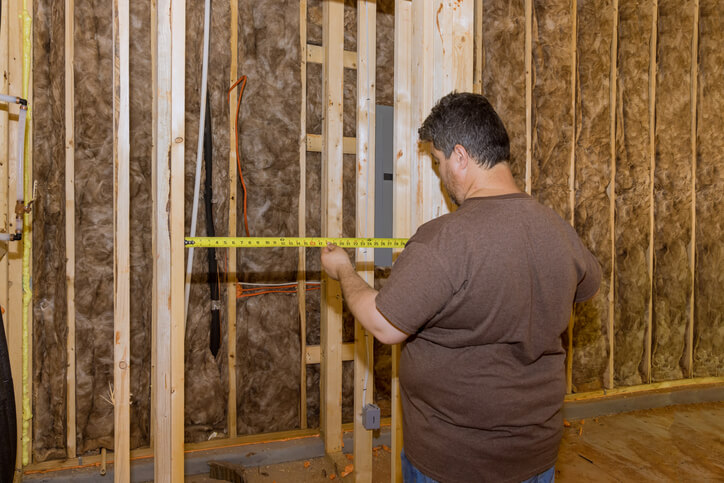
Mark the locations of electrical boxes on the walls and ceilings according to the provided blueprints, then use a tape measure and level to ensure the measurements are precise. Consider any obstructions, such as studs or pipes that may affect the placement of the boxes. Similarly, when running conduit or cables, maintain consistent spacing and alignment. This will facilitate future wire-pulling and make identifying and troubleshooting issues easier if necessary.
Further, pay close attention to electrical code requirements, including minimum clearance distances around boxes and conduits, and remember compliance with electrical codes is crucial for safety and ensures the installation meets industry standards.
3. Label and Document Each Step
The rough-in phase is the foundation for the entire electrical system, and documenting your work is invaluable for future reference. As you install wires, cables, and conduits, take the time to label them appropriately by using tags or markers to indicate the purpose and destination of each cable or wire. This makes it easier for future electricians or technicians to identify and troubleshoot issues.

You should also create a comprehensive documentation system that includes diagrams, plans, and any modifications made during the rough-in process. This information will be invaluable for future maintenance, repairs, or upgrades. Remember to photograph the rough-in work before the walls and ceilings are closed. These photos can provide evidence of a job well done and a visual reference if needed.
Are you looking to join a world-class Electrician college?
Contact NATS to learn how to get started.
3 Ways To Leverage Technology After Logistics Management Courses
June 06, 2023

The logistics industry is undergoing a significant transformation driven by advancements in technology. In an era where efficiency and cost-effectiveness are paramount, technology has become a key enabler in logistics and supply chain management. It has revolutionized how businesses handle transportation, warehousing, inventory management, and customer satisfaction.
Things move along at a breakneck pace in the Canadian logistics sector, and having access to real-time data is crucial for achieving freight visibility, staying updated on order status, and making informed, data-driven decisions. Technology is pivotal in enabling businesses to accomplish these objectives effectively and efficiently.
These days, ignoring technology and innovation is one of the surest ways to get overtaken by the competition. In this blog post, we will explore how you and your business can leverage technology after you complete your logistics management courses at NATS. From implementing supply chain management software to embracing the Internet of Things (IoT) and harnessing the power of data analytics, we will delve into the practical applications of these technologies in logistics.
1. Use Supply Chain Management Software
To ensure efficiency in your distribution processes, addressing the challenges posed by the growing number of retailers, limited carrier capacity, and increasing customer expectations is vital. Adopting a fully integrated supply chain network with real-time visibility is key, from order placement to fulfillment, shipping, and returns. Evaluating each workflow allows you to identify areas for optimization, resulting in improved overall efficiency. Technology can be crucial in elevating your supply chain capabilities, meeting customer needs, reducing costs, and enhancing the customer experience.

One of the most significant advancements in logistics technology is the development of robust supply chain management software. These platforms provide end-to-end visibility into the supply chain, allowing logistics professionals to monitor and control various operations effectively.
Completing Logistics Management courses at NATS will equip you with the necessary skills to effectively utilize software tools for your business. Equipped with this knowledge, you can identify and customize the most suitable supply chain management software to meet your specific needs. This ability to optimize processes through technology will empower you to enhance overall efficiency and drive success in the logistics industry.
2. Use Data Analytics for Improved Decision Making
Data is the lifeblood that fuels operations in the transportation and logistics industry. Historically, companies have utilized data to track shipments, optimize routes, and forecast demand. However, the potential data applications have expanded significantly by integrating artificial intelligence and machine learning.

The abundance of data generated throughout the supply chain can be leveraged to gain valuable insights and make informed decisions. With your expertise, you can effectively utilize data analytics tools and techniques to extract meaningful information from complex datasets.
By delving into data analysis, you can uncover trends, identify inefficiencies, and optimize various aspects of the supply chain. Data analytics empowers you to make accurate demand forecasts, enhance route planning, reduce transportation costs, and optimize warehouse operations throughout your Logistics Management career. Additionally, it enables you to proactively identify potential bottlenecks and areas for improvement within the supply chain.
3. Embrace IoT Technology in Your Logistics Management Career
Another way to steal a march on the transportation and logistics industry competition is by streamlining operations using Internet of Things (IoT) devices and blockchain technology. Connecting devices and tracking data on a blockchain ledger can help you enhance visibility into your supply chain, optimize asset utilization, and reduce costs. With IoT and blockchain integration, you can monitor assets in real-time, make informed decisions, automate tasks, and improve efficiency. This technology combination ensures data integrity, transparency, and secure transactions among supply chain stakeholders.
Are you interested in a Logistics Management diploma?
Contact NATS to learn how you can get started.

Cabinet making is fun and rewarding career path that allows you to use plenty of creative licenses. Many exciting decisions exist in this area, from the wood you choose to work with to the style your project emulates.
During cabinet making training, you’ll learn about the different types of hardware you can use to add the finishing touches to your cabinets. Handles on cabinet doors are essential, as they contribute to everyday ease of use and present the perfect opportunity to make a significant style statement. Read on to learn what you should consider when choosing hardware for your cabinets once you begin your career.
Know Different Hardware Styles After Cabinet Making Training
During cabinet making training and throughout your career, you’ll see and learn about a vast array of cabinet door handle styles. Knowing the characteristics of each style and what design components complement one another will help you make the right decision for your clients. Most cabinet hardware falls under one of the following style categories:
- Contemporary: Sleek lines, a neutral colour palette, and simplicity are hallmarks of the contemporary style. If you’ve built cabinets for clients wanting a contemporary space, opt for something simple and streamlined. For example, linear bar handles are a trendy contemporary option to create a harmonious effect that your clients are sure to love.
- Traditional: There’s a reason why the traditional style has stood the test of time. The ornate details and curved shapes create a look best described as ‘fancy.’ This hardware style looks best in a space with plenty of opulent details and pays homage to antique decor. Traditional-styled cabinet door handles can be added to a modern space for an eclectic touch.
- Rustic: The ‘farmhouse’ or rustic style has recently gained popularity among clients, particularly in kitchens. Rustic finishes tend to produce a homey look where simplicity is favoured with industrial details. Rustic hardware is simple but balanced, typically combining straight and curved lines.

Remind Clients to Keep Comfort in Mind When it Comes to Cabinet Hardware
Cabinet doors can be closed and opened multiple times throughout the day, depending on their location. After Cabinet Making training, it’s important to remind clients to consider comfort in order to maximize the overall results of the project.
Providing clients with samples of each style are so they may test each handle’s feel and functionality will help them make the right decision. Ask them to pay close attention to how each handle feels in their hands, whether there are any imperfections in the material, and how easy (or difficult) it is to open a door with the handle. Comfort plays a significant role in the overall user experience of cobinet making jobs.
Help Clients Choose the Right Finish After Cabinet Making Training
The finish will likely be the most noticeable characteristic of the hardware your client chooses for their cabinets. While chrome and brushed nickel are some of the more common choices, there are many other options your clients can choose from.
Regarding kitchens and bathrooms, there’s a common belief that the hardware should match the faucet; however, this isn’t necessary. Simply make sure that clients know that the finishes of their hardware should compliment (not necessarily match) other finishes in the space.

Our Cabinet Making diploma program teaches students about the wood selection process, as well as how to read drawings, operate woodworking machines, and practice the arts of cabinet making. Hands-on training is a hallmark of our program, and our students are fully prepared to work on various cabinet making and installation projects with confidence and mastery.
Are you ready to start Cabinet Making courses?
Contact NATS to learn how you can get started.