Author: toppyhem
3 Compliance Tips For Students In Logistics Training
October 16, 2023



Logistics, the critical backbone of modern supply chains, requires meticulous attention to detail and adherence to many regulations. As global trade expands and regulations evolve, it becomes crucial for professionals in this field to stay updated and compliant.
For students undergoing logistics training, understanding compliance ensures that their future operations run smoothly and keeps businesses and their clients safe from legal repercussions.
Here are three crucial compliance tips that every student in logistics training should embrace.
1. Stay Abreast of Global and Local Regulations After Logistics Training
In the rapidly evolving landscape of international and national trade laws, students in logistics need to remain informed. Changes in these regulations can stem from political shifts, the advent of new technologies, or alterations in global trade patterns.
Neglecting to stay abreast of these changes can result in severe operational setbacks and substantial fines. As a proactive measure, students in logistics training should consistently monitor the official sites of international trade bodies, local customs offices, and regulatory authorities.

Furthermore, participation in relevant seminars, workshops, and conferences can offer updated knowledge, while subscribing to logistics-focused newsletters and journals ensures a steady flow of current information. Crucially, building connections with seasoned professionals in the domain can grant insights beyond textbook teachings, enriching the comprehension of real-world compliance challenges.
2. Emphasize the Use of Technology in Compliance
With the challenges of today’s logistics terrain, tech tools, ranging from software that simplifies tariff and duty calculations to platforms enabling real-time shipment tracking, are invaluable assets for professionals.

For students preparing to navigate this landscape, it’s imperative to be well-acquainted with the latest technological advancements. This involves understanding these tools and their compliance-enhancing features and deep-diving into hands-on training simulations. Practical experiences can offer irreplaceable insights.
Further, staying at the forefront of evolving tech trends is essential, like integrating blockchain for transparency or leveraging artificial intelligence to foresee and counteract compliance challenges.
3. Ethical Practices and Sustainable Operations
As our logistics courses emphasize, adhering to regulations is not just about checking boxes. Many rules in logistics underscore the importance of ethical trade practices, environmental conservation, and social responsibility. Understanding the ethos behind the regulations can lead to more holistic compliance.
This can be achieved by diving deeper into the ethical dimensions of trade and logistics. Which involves knowing the origins of products, the conditions under which they’re produced, and their impact on society and the environment.
Further, educate yourself about sustainability measures within logistics. As the world grapples with environmental challenges, green supply chain practices are increasingly becoming the norm. You should also consider participating in dialogues, forums, and platforms that discuss logistics’ ethical and sustainable aspects. These conversations can offer fresh perspectives and mould you into a more conscious logistics professional.
Are you interested in a logistics diploma?
Contact NATS for more information.
Considering Welder Training? 3 Reasons Why Your Skills Are In Such High Demand
October 06, 2023

Job security is an essential factor for career seekers interested in the trades. Indeed, before enrolling in career training, you want to know that your skills will be in high demand upon graduation. Welding is an appealing career path for several reasons. It’s a skill that can open doors for you in various industries, including construction, manufacturing, aerospace, and automotive. As many welders retire, job seekers hold on to misconceptions about the role, industry growth continues, and opportunities abound. Keep reading to learn why the skills you’ll learn in our Structural and Pressure Vessel Welder Diploma will make you a sought-after candidate.
1. An Aging Welder Population Has Made Room for New Workers
Like many industries, many retirements among welders have caused a labour gap. According to 2022 data, the average age for welders is 55, meaning that many workers in the industry are preparing for retirement. This is an advantage to you if you’re considering this career path as many positions open up, but returning older welders is not the only contributing factor. When searching for the right career, projected industry growth is also essential.

2. The Rapid Growth of Canada’s Manufacturing Industry
Welder training at North American Trade Schools has an interdisciplinary scope, meaning your skills will help you find work in several industries. One field in particular offers candidates many appealing opportunities.
In Canada, the manufacturing industry has been growing steadily due to the rapid globalization of markets, fewer trade barriers, and high demand. To aid industrial production, welders in the manufacturing industry must join metal pieces together to create a wide array of products, make repairs, and reinforce structures.

3. Welder Training Opens You Up to Growth and Advancement
You may be wondering, why aren’t new trades workers rushing to fill welding positions? Misconceptions about the industry keep positions available. Some career seekers falsely label welding as a ‘dead-end’ field, but on the contrary, there is plenty of opportunity for continued growth and advancement. Some also believe the work of welders to be monotonous. Still, in reality, welder college leads to opportunities for work in several fields and a wide array of exciting tasks that significantly contribute to Canada’s infrastructure.
Are you ready to start welder courses?
Contact NATS to learn more!

Have you ever wondered what life looks like for a cabinetmaker after completing cabinet-making courses? Cabinet makers craft and set up cabinets, desks, and other premium furnishings crafted from wood, plastic laminate, and solid surface compositions. They employ woodworking machines and power tools to cut, mold, and structure these items precisely.
Cabinetmaking is a unique and skilled craft that requires precision, creativity, and dedication. In this blog post, we’ll take you through a typical day in the life of a cabinetmaker who has honed their skills through cabinet-making courses, showcasing the challenges, joys, and rewards of this profession.
Blueprint Analysis and Dimension Verification
A cabinetmaker starts the day by meticulously inspecting the blueprints of the day’s project. Whether it’s a custom cabinet for a client’s kitchen or an exquisite piece of office equipment, understanding the design down to the smallest detail is crucial. One of the first tasks involves verifying dimensions. With a keen eye, they ensure every measurement on paper matches the intended physical output. This step ensures that the final piece adheres strictly to specifications, ensuring durability, aesthetics, and functionality.
Post blueprint analysis, the cabinetmaker shifts focus to raw materials. Selecting the right lumber stock or an appropriate wood substitute is a delicate choice, influenced by design requirements and client preferences. With a blueprint, they measure and mark the dimensions of the chosen material. Every mark has to be exact; after all, ensuring a tight fit and a top-quality product lies in these initial markings.
Machine Operation and Component Assembly
As the workshop hums with activity, the cabinetmaker gets into the heart of the process. Their cabinet-making training has made them adept at handling various woodworking machines – power saws, jointers, morticers, tenoners, molders, and shapers. Each machine has a specific role, from cutting and molding to shaping the wood or its substitute. Operating them requires skill, and after their courses, the cabinetmaker wields these machines with confidence and precision.
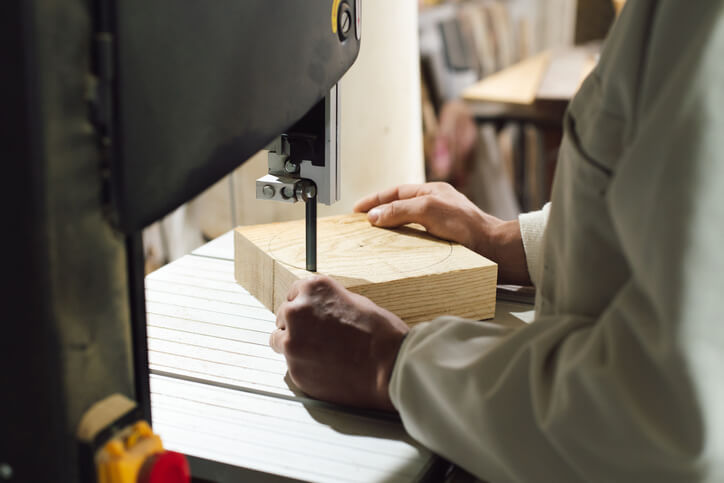
As individual components get fashioned, they are gradually assembled throughout the day. This assembly isn’t merely about joining pieces; it’s an art. The alignment must be perfect, and every component, whether a door hinge or a cabinet shelf, needs to fit seamlessly.
Finishing and Quality Inspection After Cabinet-Making Training
After assembly, it’s time to refine the cabinet’s surface. This involves sanding down any rough edges and applying a finish to enhance the wood’s natural beauty and protect it from wear and tear. Cabinet Makers often have a selection of stains, paints, and varnishes, allowing them to achieve the desired look for each project. This step can be time-consuming, but it’s essential for achieving a polished and professional appearance.

Before any project leaves the workshop, it undergoes a thorough quality control inspection. As they have learned from their cabinet-making courses, cabinetmakers meticulously check for imperfections, ensuring that the piece meets their high standards of craftsmanship. They also verify that all components, such as drawers and cabinet doors, function correctly. This attention to detail ensures that the final product will delight the client.
Once the cabinetmaker is satisfied with their work, it’s time to invite the client for a final inspection. This is a rewarding moment, as it allows the cabinetmaker to see the joy and satisfaction on the client’s face as they take possession of their custom-made piece. After client approval, the cabinet is carefully packed and delivered to its new home.
Are you interested in a cabinet-making diploma?
Contact NATS for more information.
4 Tips For Effective Procurement After Logistics Management Training
September 14, 2023

For businesses to remain agile, competitive, and sustainable, procurement must be prioritized as much as distribution. Yet, many business owners mistakenly believe that the supply chain begins once goods are sourced and received, placing more emphasis on the transportation of finished products from the warehouse to the end user.
However, in their inventory planning process, neglecting to prepare for possible alterations in the procurement phase, such as production lead times or fluctuations in the pricing of raw materials, can result in unforeseen delays and disruptions further down the supply chain.
Effective procurement remains a vital cog in the wheel of successful logistics management as you move forward in your career after logistics training. Here are four crucial tips to enhance your procurement skills post-training.
1. Calculate Procurement Lead Times and Incorporate Them Into Reorder Points
Understanding lead times is the first step towards an efficient procurement process. Lead time refers to the time between placing an order and its delivery. While it might seem straightforward, it’s not just about considering the supplier’s delivery timeline. You should also account for any potential delays like customs checks, transportation issues, or holidays.
Incorporate these calculated lead times into your reorder points – the inventory level at which a new order should be placed. Doing so ensures there’s enough stock to meet demand while awaiting the new delivery. This proactive approach reduces stockouts’ chances, thereby consistently meeting customer demands.
2. Factor in Forecasted Demand to Procurement Planning
In logistics management courses, it is emphasized that demand forecasting is an invaluable tool in procurement. Predicting future demand enables you to tailor your procurement strategies to ensure you always have the correct quantity of stock on hand. It’s about more than avoiding stockouts; it’s also about not overstocking and incurring unnecessary storage costs.

Consider historical sales data, market trends, seasonality, and planned promotional activities to forecast accurately. Integrating this data will provide a clearer picture of future needs, allowing you to plan procurement activities with a higher degree of precision.
3. Track Raw Materials While in Transit
One of the key takeaways from logistics management training is the importance of visibility and tracking throughout the supply chain. This principle extends to procurement logistics as well. Once you’ve placed an order with a supplier, tracking the movement of raw materials or goods while they are in transit is crucial.
Advanced tracking technology and software can provide real-time information on the status and location of your shipments. This constant visibility allows you to monitor the progress of your orders, anticipate potential delays, and make informed decisions to mitigate any issues that may arise during transit.
By tracking raw materials in transit, you can maintain better control over your supply chain, reduce the risk of stockouts, and ensure that your procurement processes run smoothly.

4. Optimize Procurement Logistics As Learned In Logistics Management Training
Finally, after completing logistics management training, it’s vital to view procurement logistics as an integral part of your supply chain. Just as you optimize logistics’ transportation, warehousing, and distribution aspects, apply the same principles to procurement.
This means continuously seeking opportunities for improvement, optimizing processes, and leveraging technology to streamline procurement operations. Evaluate supplier performance regularly, negotiate favorable terms, and explore innovative procurement strategies, such as supplier collaboration and just-in-time inventory management.
Are you interested in earning a logistics management diploma?
Contact NATS for more information.
A Day In The Life Of A Construction Millwright Apprentice After Welder College
August 29, 2023

An apprentice millwright is a craftsman trained in high-precision work, specializing in the installation, repair, upkeep, and assembly of machinery in power plants, construction zones, and manufacturing facilities. Daily, these apprentices engage in preventative care for forklifts. They support electricians and experienced millwrights, gaining insights and skills from them. Their responsibilities include conducting routine maintenance on Durco pumps, motors, and cranes, and operating heavy machinery as required.
An apprenticeship is typically a paid position where the individual learns the trade directly on the job, while a pre-apprenticeship prepares individuals with the foundational skills they’ll need once they secure an apprenticeship, acting as a stepping stone. At NATS, our training focuses on imparting those foundational, transferable skills, setting students up for success in either avenue.
Setting out on a professional path after graduating from welder college can be both thrilling and life-changing. If you’re eager to sharpen your skill set and step into the realm of machinery setup and care, the role of a construction millwright apprentice could be the perfect fit for you. In this piece, we’ll delve into a day in the life of a construction millwright apprentice, highlighting their daily duties, growth avenues, and the priceless competencies they gather in their journey post-welder college.
Setting the Stage
A construction millwright apprentice typically starts their day bright and early, usually as the first rays of dawn appear. Before diving into the day’s work, they take a moment to go over the tasks they need to accomplish, mentally preparing for the challenges ahead. Their education at welder college provides a solid foundation, ensuring they are well-equipped for what’s to come. As the day gains momentum, they often begin with crucial first tasks like measuring, cutting, and fitting hangers.
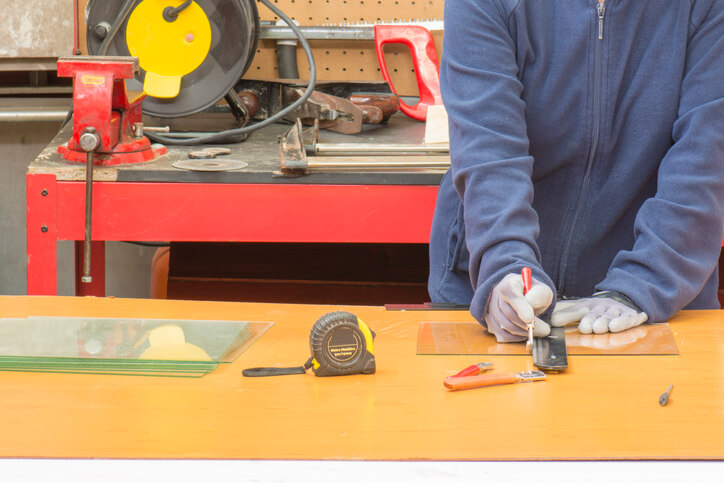
To do this, they rely on hand tools and ladders, applying their skills meticulously. This initial activity not only dictates the flow of the rest of the day but also demands a high level of accuracy and focus—traits they’ve honed to perfection during their welder training.
Mastering the Art of Welding and Equipment Alignment
The midday period offers a stage for the millwright apprentice to display an array of mastered skills, under the watchful eyes of an experienced Construction Millwright. Drawing on the in-depth knowledge attained in welder courses, the apprentice becomes a maestro of metalwork. With proficiency in arc welding, MIG welding, TIG welding, and the delicate art of oxyacetylene cutting, they tackle intricate welding repairs and installations. From restoring the vitality of worn-out pumps, motors, and gearboxes to adeptly aligning hefty machinery with a selection of specialized tools. The apprentice effortlessly merges welding artistry with the multifaceted responsibilities of a millwright. This synergy of skills not only showcases their versatility but also underscores the comprehensive training that shapes their daily operations.

Collaborative Work and Problem-Solving
After a satisfying lunch break, the apprentice gets back to work, joining forces with experienced millwrights and electricians. This teamwork creates a friendly and cooperative environment, where everyone works together. The afternoon is a chance to do different tasks: assisting in making heating and cooling systems better, fixing things very carefully, and even working on big building projects. Some jobs include putting up strong railings, setting up ladders, and making sure pipes and powerful fans are held securely. Every job, whether it seems simple or hard, is a great chance for the apprentice to learn. It’s a time to put what they learned in welder college and millwright training to good and practical use. It’s a mix of classroom learning and real-world practice.
Our Structural and Pressure Vessel Welder Diploma program at NATS is a stepping stone, offering the foundational and transferable skills you need to potentially obtain an apprenticeship or pre-apprenticeship. While we don’t directly offer these positions, our training equips you with the fundamental knowledge and confidence to pursue them while securing potential future employment in the industry.
Are you interested in welder training?
Contact NATS for more information.

This obviously does not apply to everyone, but there’s something so wholesome and fulfilling about rescuing items (or constructions) from potential ruin and restoring them to their original glory. If this desire to repair and add value applies to you, you probably are already considering home renovation college.
One area that often requires attention during a renovation is wood restoration. Wood can add warmth and charm to any home, but over time, it may lose its lustre and become damaged. Wood restoration is also one of the most common projects faced by home renovation professionals, so here are four wood restoration tips to help you bring new life to wooden elements in any home.
1. Assess the Condition of the Wooden Element
Before embarking on the restoration of your piece, it’s essential to conduct some research to ascertain its value. Carefully examine the furniture for any marks or labels that might provide insights into its origin or manufacturer. If you suspect that it holds significant monetary or historical worth, it’s advisable to consult with a professional before proceeding with any restoration work. It’s also a good idea to take detailed photographs of any markings or tags as documentation. Refrain from stripping or sanding a collectible antique’s finish until you have a clear understanding of its value, as doing so could potentially diminish or even eliminate its worth.
As you’ll discover in home renovation training, it’s crucial to assess the condition of the wood you’re working with. Take a close look at the surfaces, checking for signs of rot, pests, or water damage. Look for cracks, warping, or discolouration. Understanding the extent of the damage will help you determine the best approach to restoration. Minor issues might only require sanding and refinishing, while more severe damage could require repair or replacement.
2. Prepare the Surface Correctly as Taught in Home Restoration College
Proper surface preparation is vital for achieving a successful wood restoration. To give your furniture a comprehensive cleaning, start by using a sponge and a solution of warm water and vegetable-based oil soap. Scrub the surfaces of the furniture thoroughly to remove any dirt and grime. Rinse the surface with clean water and allow it to dry completely before moving on to the next step.

For intricate or detailed pieces, employ a soft toothbrush to access hard-to-reach areas and clean the nooks and crannies effectively. In case there are tight spots that are difficult to reach, you can fashion a slender wooden dowel rod into a pointed tip, similar to sharpening a pencil. This sharpened end can then be utilized to carefully extract grime from those narrow spaces.
If you have stubborn stains or old finishes, you may have to scrape them off with sandpaper or a wood stripper.
3. Choose the Right Finishing Method
The choice of finishing method will depend on the desired look and the type of wood you’re working with. Some popular options for wood restoration include staining, painting, and applying varnish or oil-based finishes. Staining can enhance the natural beauty of the wood, highlighting its grain and texture. Painting can provide a fresh and uniform appearance, while varnishes or oils offer protection and durability. Research different finishing techniques and consult with professionals to determine the best option for your specific project.

4. Home Renovation College Educates on Proper Restoration Techniques
Wood restoration requires careful attention to detail and proper technique, just as our home renovation courses explain. When sanding the wood, start with coarse-grit sandpaper to remove any imperfections, then gradually switch to finer grits to achieve a smoother surface. Always sand in the direction of the wood grain to avoid scratches. If repairs are necessary, use suitable wood fillers or epoxy to fill cracks and holes, ensuring a seamless finish. Apply finishes evenly, following the manufacturer’s instructions, and allow sufficient drying time between coats.
Are you looking for a world-class home renovation college?
Contact NATS for more information.

The journey to becoming a full-fledged HVAC Technician will require you to pass your Gas Technician exams. These exams provide a route to proving your professional competence and qualification in diploma and meeting key licensing requirements that prepare you for a lifetime of practice.
It is mostly by making the mark in these exams that you can give your career a big push, even after all the years of HVAC technician training and work experience. This is why it is important to prepare adequately for your Gas Technician exams. Here, we have provided a few crucial tips to help you prepare for and ace these exams. They are discussed below:
Create a Study Plan and Schedule and Stick to it Throughout HVAC Technician Training
To prepare adequately for your gas technician exams, you need to create a plan that’ll account for your study, practice, and other relevant exam conditions. You must try to settle on a study schedule and a comfortable study location and method that’ll give you enough room to cover sufficient grounds as well as a consistent process to fall back on. You may plan for a physical group study of your peers if you are comfortable with it or check into virtual forums.

Gather relevant study materials, practice resources, gas codes, and other resources that’ll help your course. Set out times for reviewing your learning materials from your HVAC technician training and taking on previous exam questions. And after setting up the schedule, make a conscious effort to follow through on it.
Extensively Review Your Training Materials
The notes, textbooks, and other learning resources from your HVAC Technician courses should provide a handy study guide for exam purposes. So you must go over these materials and get the entire gist of what they contain to prepare you for your upcoming exams. Get a solid grasp of the key concepts behind important topics and research supporting data to break them down into their base form.
You should find notes on such topics as piping systems, safe practices, local codes and regulations, gas heating basics, and other critical subjects. And when you do, ensure to review them in detail, making sure to note down important points and problem areas that you can seek further clarity on.
Practice Previous Exam Questions and Use Exam Prep Guides
Gas technician exams from previous years can provide a critical study/exam practice guide for most people. And by solving the problems from these exams repeatedly, you can set yourself up nicely for a successful exam. You’d be coming to terms with the likely exam questions and the topics they touch on while also familiarizing yourself with the exam format and other conditions.

By getting the right answers to these questions, you can get an even better understanding of your study materials. This is the same for exam prep books that focus on key areas. They can help you provide targeted learning and give you improved exam leverage.
Get Relevant Practical Experience
Some of your gas technician exams will test your appreciation of certain technical skills and knowledge relevant to your discipline. To give you a good chance of success in these exams, ensure to get as much hands-on practice as possible. Your HVAC diploma program should equip you with this practical experience, and further practice beyond the classroom can help you gain extra ground.
Try your hands on critical practical applications/skills like inspection of leaks, venting, and other HVAC installations. Practice with relevant work tools like fasteners, analyzers, cutters, and benders. Work on real-life scenarios that require your use of these skills and you’d be giving yourself a solid headstart in your upcoming exams and future work/career pursuits.
Are you interested in HVAC Technician training?
Explore the HVAC Technician diploma program at the North American Trade School (NATS).
4 Essential Woodworking Techniques for Those in Cabinet Making Training
August 11, 2023

Like many other handcrafts, cabinet-making requires the use of several intricate skills and techniques. The accuracy, precision, and skill that go into it can only be obtained from quality learning and constant practice. This is why we have dedicated and passionate instructors at the North American Trade Schools (NATS) to pass down their wealth of experience to willing learners. If you choose a cabinet making career, you’ll be interested in the woodworking techniques discussed in this article.
Milling After Cabinet Making Training
Milling involves the conversion of rough lumber into symmetrical and precise work pieces, and it’s one of the most useful techniques you’ll learn during cabinet making training. It is the wood preparation process that begins with flattening one face of the board at the jointer and then smoothening the board’s opposite face at the planer. Next, you can make the board’s remaining edge true to the other by using a table saw and a chop saw.

Jointing
Jointing is the process when you smooth one face of the workpiece so you can reference it from that face whileTruing up the workpiece. During your journey through the cabinet making certificate program you will be shown the importance of good jointing techniques.
Planing
Planing is a surface-smoothing technique that rids the wood surface of any defects and excess material. You must learn to use a hand or electric planer to carry it out. When properly done, the lumber board will turn out with an even thickness across its required length. This is after you must have used the jointer to flatten one face of the board.
Sawing
Sawing is unarguably one of the most important parts of cabinet making. Our cabinet making courses provide insights into how to use several sawing tools and the various techniques for handling them. These tools include the chop saw, handsaw, table saw, circular saw, and chainsaw, among other sawing tools used for different purposes and project types. The key to using some of these tools is maintaining the right posture to achieve maximum impact without endangering yourself.
Drilling and Boring
While drilling creates holes in the wood, boring further enlarges the hole by removing excess material along the depth of the opening. Both processes will need precise control of the work tools to create openings with the right fit, and this requires adequate knowledge of the use of the proper drilling and boring tools and their accessories.

While using the drilling press, ensure the drill is at the correct speed, as drilling too fast can break the drill bit and create poorly machined holes. And while drilling in deep cuts, take out the drill at intervals to cool and clean the bit.
Finishing
This is the last stage of the cabinet-making process. It involves a series of actions, including sanding, filing, and rendering, all of which are taken to add finishing touches to the cabinet. For the best results, start with coarse grit sandpaper and sand in the board’s grain direction to create a fine grit surface free of scratches.
Top it off by applying thin coats of the selected finish across the entirety of the cabinet while looking out for joints and other hidden parts. Lightly sand on the cabinet surface before applying the topcoat, if necessary.
Want to earn your cabinet making diploma?
Contact NATS to learn how you can get started.
3 Reasons to Pursue a Construction Apprentice Position After Home Renovation Training
August 10, 2023

Construction apprentices are essential workers who perform various tasks on different types of residential and commercial construction projects, such as houses, roads, bridges, and skyscrapers. Construction is an interesting and great career choice in a country like Canada which continues to develop rapidly and welcomes hundreds of thousands of immigrants annually.
A look at the numbers might provide some perspective. According to Statistics Canada, investment in building construction in February 2023 alone was a whopping $20.6 billion. This figure could have been even higher; a severe shortage of construction workers means the industry is not functioning at its full potential.
If you’ve been mulling over choosing a career as a construction apprentice after your Home Renovation training, our enthusiastic recommendation would be to go for it! If you’re still unconvinced, this article offers three reasons to pursue a construction apprentice position after Home Renovation training.
1. The Position Offers Ample Job Opportunities and Flexibility
The construction industry is one of Canada’s largest and fastest-growing sectors, and according to Construction Canada, it expects demand for more than 300,000 new workers by 2030. This is exciting news for construction apprentices, as it translates to many opportunities for year-round engagement. Unlike in many other careers, you will also have the flexibility to choose the type of projects that interest you, the location that suits you, and the schedule that works for you.

If you’re the type of person who loves challenges, you’ll find the perfect fit for your personality in construction after your Home Renovation Technician training. No two days on the job are the same, and there’s always something new to discover and new heights (maybe even literally) to explore. To make things even more interesting, you don’t need to be tied to any location, company, or even project if you don’t want to be.
2. Career Growth as a Construction Apprentice
Working as a construction apprentice can be a stepping stone to other positions in the construction industry, such as foreperson, supervisor, estimator, or project manager. Our Home Renovation Technician diploma program encourages students to be optimistic and strive for goals despite challenges and obstacles. They carry this mindset into the workplace, motivating them to strive for career growth.

3. A Rewarding Career After Home Renovation Training
It’s an unarguable fact; working as a construction apprentice can be challenging. But it can also be vastly satisfying and fulfilling. The job provides the perfect platform to use your skills and knowledge from Home Renovation training to create structures that improve people’s lives and communities.
In addition, you’ll get to work with a diverse team of professionals who share your passion and vision for crafting solid structures that meet the basic needs of a large group of people. Beyond this, there’s that satisfaction of seeing the results of your hard work every day.
Are you ready to earn your Home Renovation diploma?
Contact NATS to learn how to get started.

The nature of a trend is that it is perpetually changing. People are always looking for the next best thing and to modernize as much as possible. In the case of home design and renovation trends, this is no different. With the shift in the working situation that has occurred in the past few years, many people are looking to make their home a space where they can both work and relax. This means that several different trends are emerging this year which follow this train of thought. As someone invested in home renovation, it will be important that you stay updated with these trends. Read on to learn more.
Working From Home Means More Home Offices
The number of people working from home has increased in the past few years. This means that there has also been an increase in people needing home offices or home working spaces. People have renovated spaces in their homes, turning them into work-from-home offices. There has also been an increase in the number of garages and sheds converted into work-from-home offices. These rooms are generally pretty simple in design and conducive to healthy and efficient working. Paint schemes are predominantly light colours, with some accent colours mixed in.
As someone considering Home Renovation training, this trend is will be good for future business. It means more renovations, and the work itself is not complex. Your training covers everything you need to know, including desk installation, wall painting, and renovation. Due to these being spare rooms or garages/sheds, they may also require patching up in several areas. The practical training you’ll receive in your program will prepare you for such work.

Use Calming Colours After Home Renovation College
The current trend for bathrooms is to use light and calming colours. This could be in the form of light greys, whites, greens, or blues for example. People want their bathroom to be a relaxing space, almost like a mini spa in their home. This means that the bathrooms are being renovated to include larger baths and showers. People prefer their bathroom tiles to either contrast the wall colour or match it. With this, it means that you may need to lay tiles. During Home Renovation college, you’ll learn about renovating bathrooms, including laying tiles, installing baths and showers, and connecting them. Acquiring these skills will ensure you’re ready to take on bathroom renovations in the future.

People Want More Outdoor Living Spaces
After enduring so much time indoors in isolation throughout the pandemic, many people focused on bringing the outdoors into their homes. With an increase in people working from home even now, they still want to be able to get up from their desks and experience nature. This could be in the form of balconies or patios. As people look to renovate their homes to do this, a professional home renovator will be well-equipped to fulfil this gap in the market. Whether you work for yourself or a company, a good Home Renovation program will ensure that you have all the knowledge you need to thrive.
Are you ready to earn your Home Renovation diploma?
Contact NATS to learn how you can get started.