Category: HVAC
HVAC & The Environment: What You Should Know If You’re Pursuing an HVAC Career
March 10, 2021


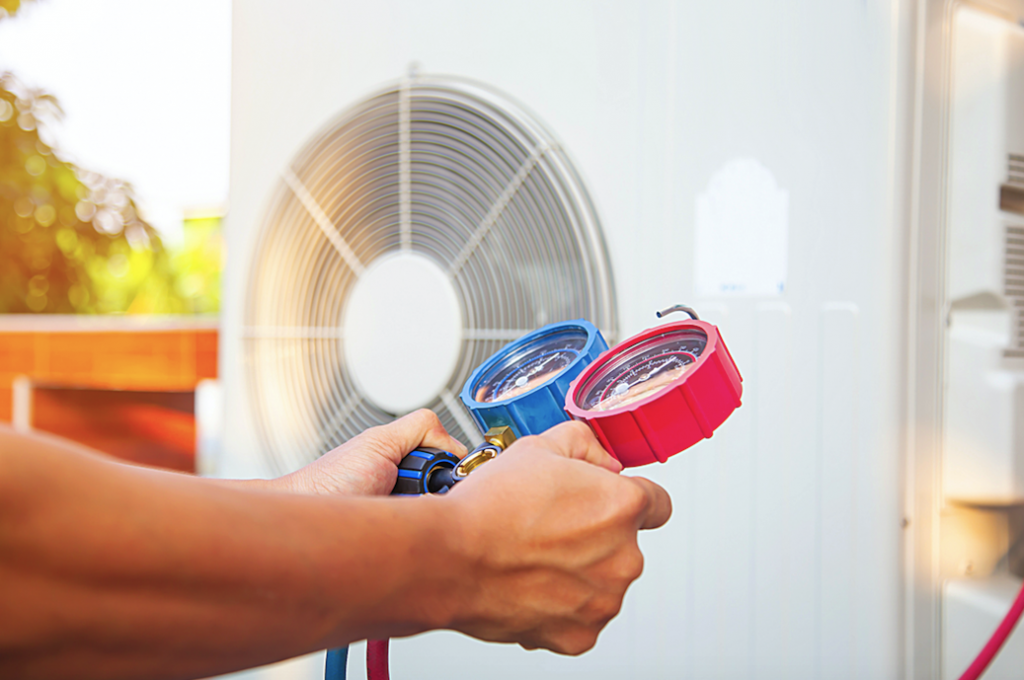
Heating, ventilation and air conditioning (HVAC) systems have an essential function. They keep our homes cool in the summer and warm in the winter, in addition to regulating the quality and movement of the air that we’re breathing indoors. While HVAC systems aren’t the home appliances with the most severe environmental impact, there are still a few ways that HVAC systems can contribute negatively to the environment. HVAC systems may use refrigerants that can damage the ozone layer, and they also use electricity, the consumption of which burns fossil fuels and contributes to ozone depletion.
While HVAC systems can cause environmental harm, there are many solutions offered today which have the potential to reduce the impact HVAC systems can have on the environment. Some of these solutions can be implemented by HVAC technicians themselves. If you’re interested in becoming an HVAC technician, here’s what you need to know about the environmental impact of these systems and the solutions available today.
Those in an HVAC Career Should Know That HVAC Systems Can Emit Harmful Refrigerants
Air conditioning systems rely on cooling agents, or refrigerants, to drive cold air into homes, but these cooling agents have a known negative environmental impact. Hydro-chlorofluorocarbons (HCFCs), hydro-fluorocarbons (HFCs) and chlorofluorocarbons (CFCs) are all refrigerants that have been reported to contribute to ozone depletion and global warming, as these compounds are greenhouse gases. In Canada, Federal Halocarbon Regulations, 2003, bans the release of halocarbons from air conditioning systems in quantities over 0.1 kg of halocarbon per 01. kg of air, but these refrigerants are still being released into the atmosphere in lower quantities. Freon (R-22), a commonly used HCFC, has been banned in Canada for use in newly manufactured HVAC systems, and Puron (R-410A), a less-harmful HFC, is now more commonly used. However, this refrigerant still contributes to direct and indirect greenhouse gas emissions.
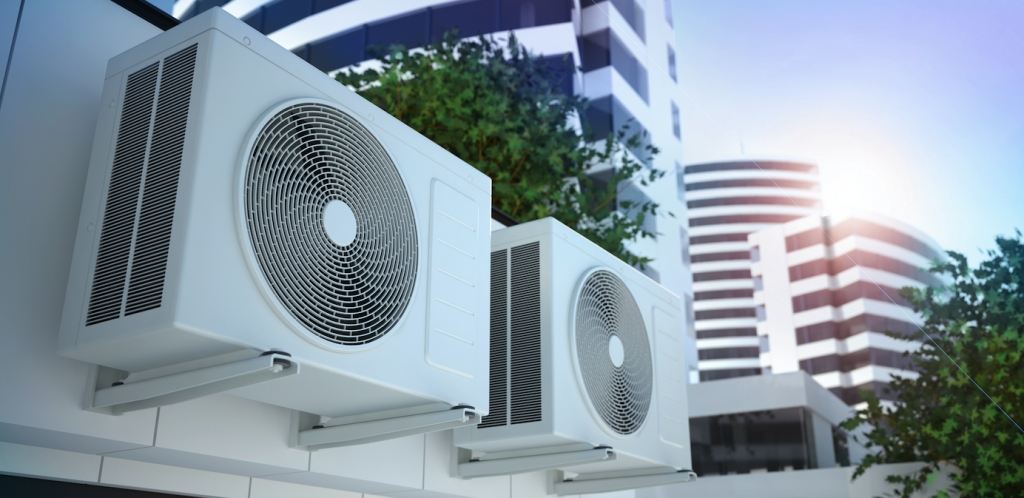
While it is difficult to control the emission of refrigerants into the atmosphere due to the range of HVAC systems in use today, advancements in technology have the potential to reduce their environmental impact. If you want to become a HVAC technician, you’ll probably become familiar with R-32 as a possible solution. R-32, or difluoromethane, is an HFC refrigerant known to have a lower impact on greenhouse gas emission than R-410A, and is being explored by HVAC engineers as an option to reduce the environmental impact of HVAC systems. It has been found that R-32 can even be used to make these systems more energy efficient, as it has better thermodynamic properties. In the future, developments in the use of alternative refrigerants such as R-32 have the potential to reduce the amount of greenhouse gases in the atmosphere as a result of HVAC systems.
HVAC Systems Use Energy
It’s important to be aware that HVAC systems consume high amounts of energy. Depending on the type of system and the season, an air conditioning system can consume around 3000 to 5000 watts of electricity every hour. Electricity consumption results in the burning of fossil fuels and the release of carbon dioxide into the atmosphere, a major cause of ozone layer depletion. One way to determine how much energy an air conditioning system is using is by checking its SEER rating. Older air conditioners have lower SEER ratings and tend to consume more energy.
As a way to reduce the amount of fossil fuels released, HVAC products that harness renewable energy sources are also becoming a more popular option. Renewable energy sources such as solar and geothermal energy can reduce the environmental impact of HVAC systems by using sources of power that don’t burn fossil fuels. Solar energy harnesses energy from sunlight rather than from fossil fuels to power HVAC systems, while geothermal heat pumps convert natural energy stored underground for use.
Small-Scale Solutions to Reduce the Environmental Impact of HVAC Systems
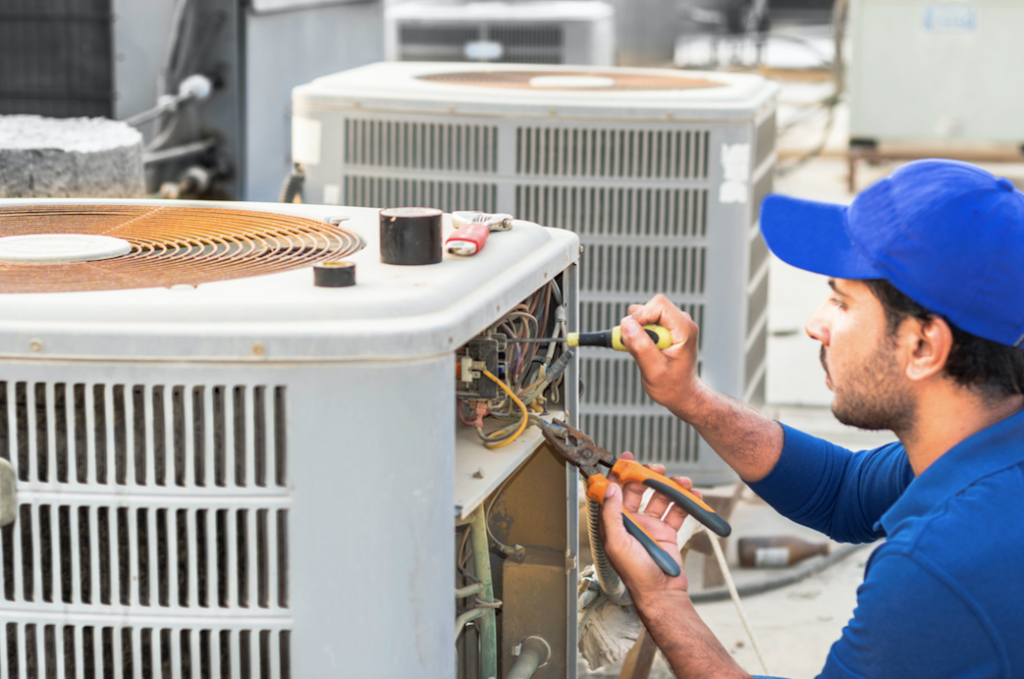
The environmental impact of HVAC systems can be reduced on a small scale, and as a professional in an HVAC career, this is an area where your services are especially useful to clients looking to reduce their own personal energy consumption and greenhouse gas emissions. The efficiency of an HVAC system depends on the equipment being used. If a system’s equipment is outdated, chances are it’s using more energy or emitting a greater quantity of harmful refrigerants. Advising environmentally-conscious clients to replace old HVAC systems with an updated, energy efficient system can reduce the negative impact of older units.
Additionally, HVAC systems should be regularly maintained in order to prevent excess emissions. Air filters should be replaced regularly, ducts and pipes should be inspected for leaks, and valves and steam traps should be examined for efficiency.
If you want to be equipped with the ability to make HVAC systems less harmful for the environment, a program at the North American Trade Schools (NATS) could be right for you. Jason, a graduate of the North American Trade Schools HVAC technician program, says he chose NATS because of its reputation as a “hands-on school.” He notes, “They teach you what you need to know and then you apply your knowledge.” Practical, experiential training enables HVAC technicians to apply their newly learned skills in the field in innovative ways. That includes approaches that may help to reduce the environmental impact of HVAC systems.
Are you interested in attending HVAC school?
The North American Trade Schools program could be right for you!
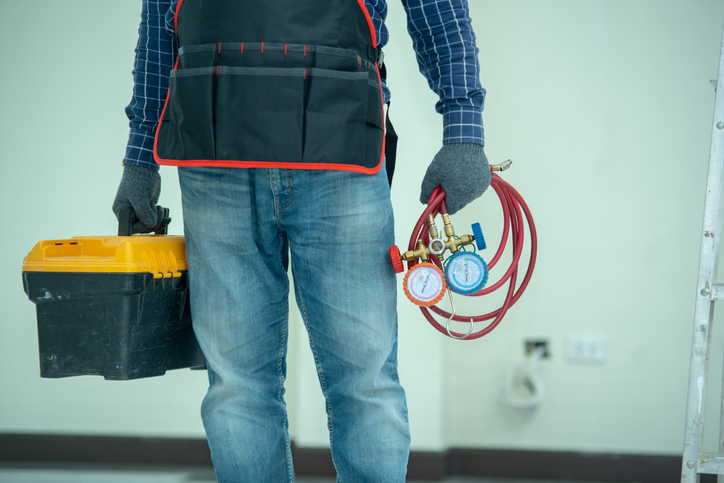
When you replace an old HVAC unit with a new one, there are certain things worth keeping in mind. For example, many people tend to only replace their HVAC unit on rare occasions. However, having those units replaced in regular intervals can ensure that their HVAC unit is keeping them safe, healthy, and sufficiently heated and cooled. Some homeowners may also want a new unit to help them save on energy. With the right tools and knowledge, you can complete an HVAC replacement job that accomplishes each of these things.
Although replacing an HVAC unit involves a number of steps to complete before, during, and after the installation, these are some of the more important phases to remember during this process. Read on to find out what you can expect with regards to replacing HVAC units.
Preliminary Measures for HVAC Technician Training Students to Remember
Before the replacement process can begin, there are certain tasks to take care of. For one, you’ll need to assess both the home and the old HVAC system, and complete the necessary calculations and measurements. Once this has finished, you can determine how big the new HVAC system needs to be. Measure the square footage of the home to better understand how big the new unit will need to be, and how many tons of heat it can remove. You and the client will also need to determine how they will pay for the installation. Depending on the payment plan, they may put a down payment on the replacement prior to the installation.
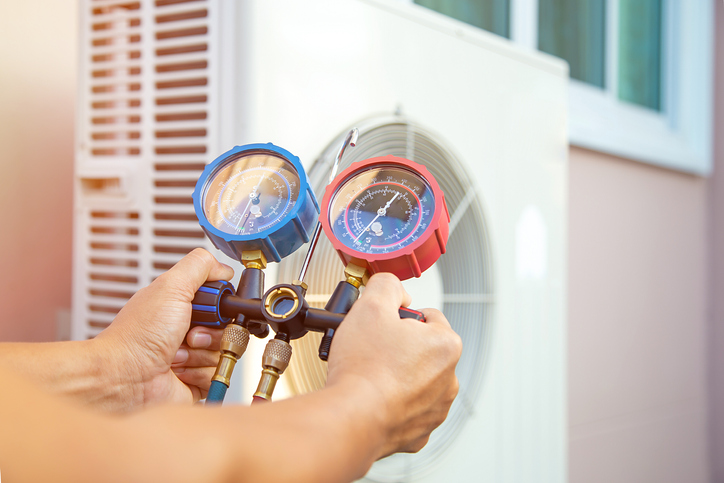
Upon completing your cost estimate, replacing the HVAC unit can go ahead. Complete a ductwork inspection, if necessary, and disconnect the unit being replaced after powering it off. If any parts of the interior, such as furniture, are impeding your ability to get the job done, move them away from your working area. Since HVAC technician training students will learn about installing many different types of systems during their studies, it’s equally important that they learn what’s necessary for the pre-installation phase.
The Installation Process: Out With the Old, In With the New
Once these tasks have been completed, the installation of the HVAC unit replacement can begin. When installing, remember to use dust covers and wear protective gear to prevent any direct contact with debris. Even if only one component of the HVAC unit needs to be replaced, you should still replace the entire unit so that its capacity for efficiency is optimal. Be sure to also cut off power from the old HVAC unit, flush any remaining coolant, take apart the old equipment, and then remove those parts to make room for new ones. The HVAC unit replacement can often be done within the day of installation, but can sometimes go beyond that if complications arise.
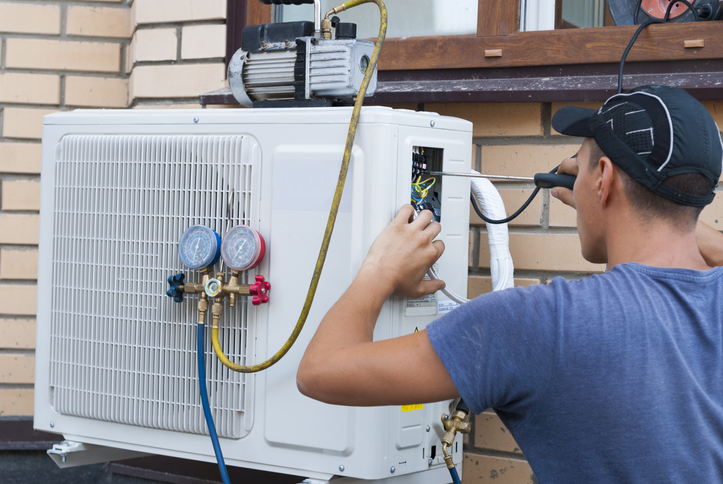
Students in HVAC college should also familiarize themselves with the parts that will be involved in the replacement. These parts include the outside compressor, thermostats, evaporators, air handlers, condensate pumps, and/or supply lines for coolant. Once the installation process is done, remember to put the new unit through a series of tests to make sure it works correctly and can sufficiently cool the home. Inspect the system to catch any possible issues, then add a new coolant and keep testing the unit until all systems look good. Lastly, remember to discard and/or recycle any old HVAC equipment being replaced. Explain to clients how the new system works, and recommend a timeline for their next replacement.
Want to get your HVAC diploma?
Contact NATS today for more info!
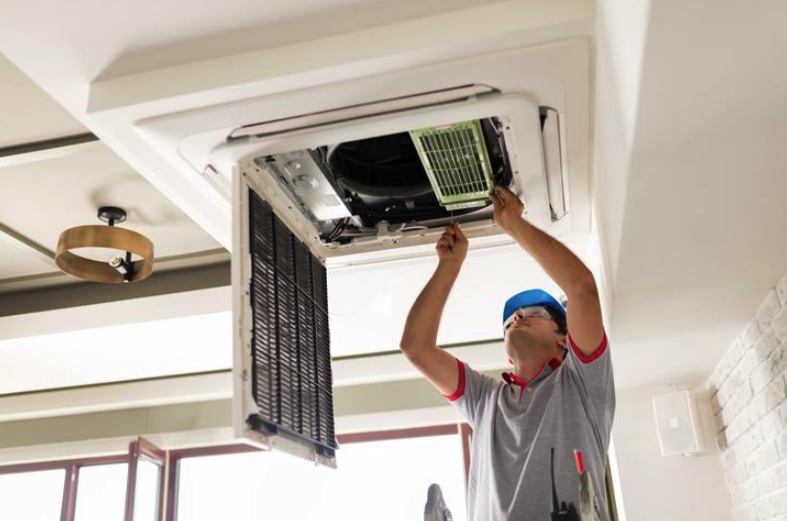 Working within the heating, ventilation, and air conditioning (HVAC) industry is a rewarding career path. However, it takes more than classroom learning to gain the confidence you need to feel comfortable on the job. In order to become successful in this field, it’s important that you also get hands-on training and experience.
Being an HVAC technician is all about knowing how to diagnose a situation and use the correct tools and equipment to perform the task at hand–whether that’s installing, maintaining, or repairing a system. When choosing an HVAC program, make sure that you’re choosing one that offers hands-on training to equip you with the experience necessary to handle all kinds of situations.
Here’s more on why hands-on training is necessary for aspiring HVAC technicians.
Hands-On HVAC Technician Courses Promote Problem-Solving Skills
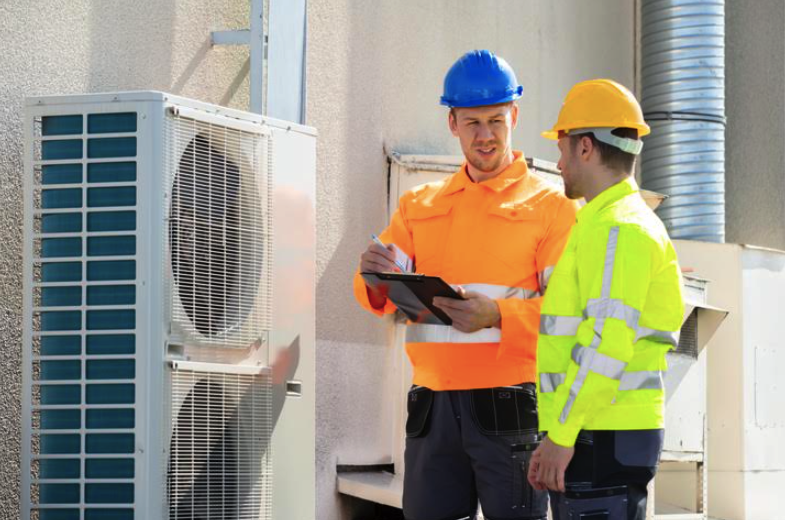
A good HVAC technician should be able to apply the knowledge they learn in the classroom to real-world situations, and be able to actively solve the problem at hand. The only way to get better at problem-solving on the job is to gain experience at an HVAC college–offering students the opportunity to participate in hands-on training. At North American Trade Schools (NATS), students receive hands-on training in the lab in addition to the information they learn in the classroom. They can expect to work with testing devices and various types of equipment. This helps them to gain first-hand experience with common problems encountered on the job.
Greater Retention of Information
Learning by doing has been proven to be a fool-proof way to remember information. When engaging in hands-on learning, students enrolled in HVAC technician training have the opportunity to familiarize themselves with common materials and equipment of the trade, and get to practice using these tools. Because they’re learning by doing with hands-on training, students are more likely to retain what they’ve experienced, and can easily access and apply that knowledge to situations on the job.
Students Will Gain Familiarity with Safety Protocols
Within this field, there are always risks and safety hazards that may be encountered. Working within the real-world environment offered through hands-on training gives students in HVAC technician courses the chance to practice following safety protocols, and allows them to better understand the risks that go along with the job.
Get Training From Industry Experts
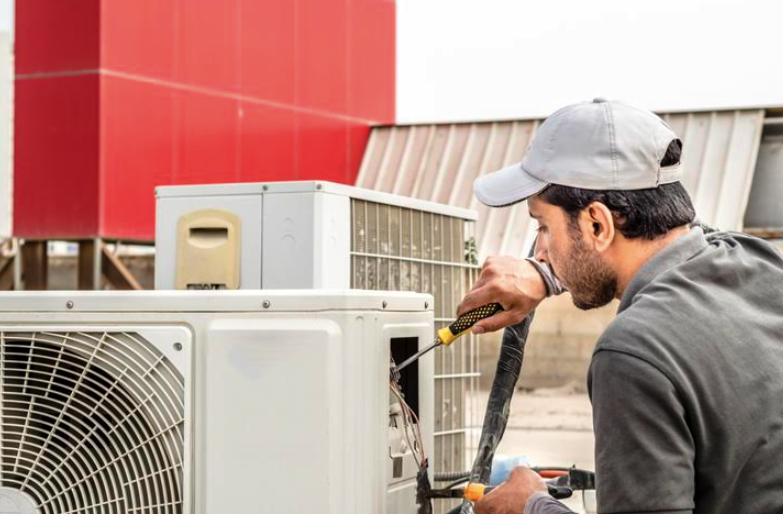
As an HVAC technician student, much of what you learn will depend on the advice and experience of others. It’s important to get hands-on training from experienced teachers in order to learn as much as possible about the field. At NATS, the instructors supervising your training are industry experts. Input from these seasoned professionals proved invaluable to NATS welding graduate Emily Harrison, who said her “favourite thing about the campus was the knowledge of the teachers and how much practical work you were able to do. It was very helpful.”
Receiving hands-on training from experienced instructors will ensure that all your questions are answered, making you that much more ready to tackle on-the-job challenges.
Are you interested in attending HVAC school to prepare you for this role with hands-on training?
Check out program options from North American Trade Schools today.
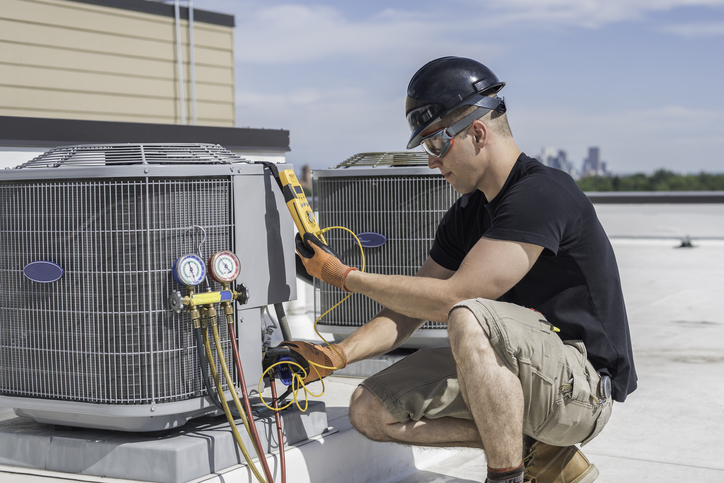
If you value doing a variety of work and are good with hands-on tasks, then chances are that a career in heating, ventilation, and air conditioning (HVAC) could be a great fit for you. HVAC technicians are quick problem-solvers, possessing a solid understanding of mechanical systems and how best to install and repair them. They are relied on whenever the heating dies off or the air conditioner breaks down—and practically every modern building uses either, if not all, of these systems.
Becoming an HVAC technician has many benefits, including the rewarding feeling of a job well done. Here are some reasons why becoming an HVAC technician might be a good idea for you!
Technicians Benefit of Short Training and Fast Results
Starting your HVAC training is key for your success as an HVAC professional. And, unlike lengthy university programs that can take four years to complete, pre-apprenticeship training can be completed in significantly less time.
Pre-apprenticeship training also includes plenty of hands-on work, rather than just sitting through long class lectures. As Jason Boyer, HVAC student at NATS, puts it, “I chose North American Trade Schools because it’s a hands-on school.” He adds, “They have the experience, they have the know-how, and you take what you can from them and apply it to your trade.”
HVAC Careers Include a Variety of Work and Opportunities to Advance
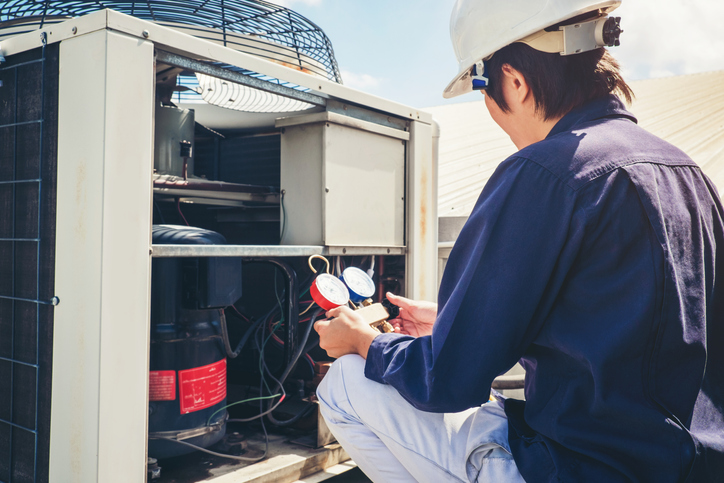
Every day on the job offers the chance to do something new—working in both indoor and outdoor settings while meeting all kinds of different people. This means you’ll have plenty of opportunities to stay active on the job. Each task will contain different challenges for you to overcome, turning every service call into an opportunity for a change of pace. It’s anything but your typical 9-5 office job!
HVAC is a diverse field, offering a variety of work for its professionals. Technicians work with a variety of heating and air conditioning systems, having been trained to install and maintain gas and propane heating systems and ventilation as well as air cooling equipment in residential and light commercial environments. As a result, technicians have room to advance their careers after years of training and earning specialized certifications.
HVAC Is a Highly Valued Service That Comes with Many Rewards
Contrary to what some might think, HVAC work is not seasonal—no matter the time of year, people often need help with their HVAC systems. Due to the nature of the work, technicians need a solid level of mechanical skill and technical ability. HVAC technicians are effective problem-solvers. They have to analyze entire HVAC systems to root out key causes of failure before knowing how to make the necessary repairs. Because the work they do is hands-on, they also get the satisfaction of seeing the concrete results of their actions after a job well done.
An HVAC career is service-oriented, leaving plenty of room for customer satisfaction. Technicians are often met with gratitude as they work to provide valuable service, keeping temperatures well-regulated in all kinds of environments—ultimately providing comfort and security for their clients.
Are you interested in attending an HVAC college?
Contact NATS for more information!
 For future HVAC technicians just completing their training, there are many exciting career opportunities available. Graduates can look for jobs as HVAC Installers, Technicians, Maintenance Assistants, or Maintenance Technicians. In Ontario, job opportunities in HVAC are good. Part of the reason for this is that population growth is driving the need for more buildings, especially in certain urban areas.
When interviewing for your first job in HVAC, it’s important to know what employers are looking for and how to present yourself in order to ensure you’re putting your best foot forward. Read on for a few tips on how to ace your interview and land the job.
Know How to Highlight Your HVAC Training in the Interview
When interviewing for an HVAC career, it’s important to research the company you’re applying to, so that you know a bit more about what they could be expecting from you. Try to determine the types of services they provide (whether they’re primarily residential or commercial), what kinds of locations they cater to, and what kinds of equipment they typically utilize. This kind of information will help you to highlight the skills you have that will be most impressive to the employer.
Graduates of hands-on training programs like the North American Trade Schools’ HVAC technician training program can reference the marketable skills they know will impress their potential employer simply by doing a bit of research on the company they’re applying for.
Become Familiar with Possible Questions You Might Be Asked
While you might not be able to anticipate every question, it’s good to come prepared with a few possible interview questions. You’ll probably be asked simple but important questions like what motivates you, what about their company interests you, and other questions which allow them to get to know you as a person. They also might ask you some questions more relevant to the HVAC industry, such as inquiring why you’re interested in HVAC, what your driving record is like, and more. Prepare answers that show you’re ready for an HVAC career and have excelled in your HVAC training.
Prepare Questions to Ask Your Potential Employer
It’s also good to have in mind a list of questions that you would like to ask during the interview. These questions should be about the company specifically, demonstrating that you’ve taken the time to get to know them and showing them that you’re interested. Your questions could be about the company’s expectations for you as an employee, what a typical day on the job might look like, what about the company is especially unique, or any other company-related questions you might have.
A “Thank You” Never Hurts
Lastly, remember to thank the interviewer after you’ve finished, in addition to sending a follow-up thank you email. Make sure they know you’re interested in the job!
Think you have what it takes to become an HVAC technician?
Check out the North American Trade Schools program options today.
What Those with HVAC Technician Training Should Know About the Benefits of Preventative Maintenance
September 15, 2020
 There’s nothing worse than the AC breaking down on a blazing hot day—apart from maybe the heating system fizzling out when it’s a frigid -30 degrees! HVAC technicians become very popular individuals at the height of summer and winter, serving to rescue home and business owners from uncomfortable temperatures by performing emergency repairs as they come up.
Keeping HVAC units in good working order through routine checkups is another important role of the technician. Here’s why routine maintenance practices are important for keeping these systems in their best shape all year round!
Routine Maintenance Helps Owners Breathe Easier
Respiratory problems like asthma and bronchitis can often be traced back to the living conditions of the home, with the dirty HVAC unit a prime culprit in many cases. The problem comes from condensation forming in the coils and ducts of the AC unit, which can lead to all kinds of harmful mold and bacteria growth.
Customers who keep to a routine maintenance schedule for their HVAC units are ensuring that all of the harmful contaminants that may have built up inside the system are eliminated. A service technician is responsible for cleaning filters, coils, and other components of the unit on a routine visit, which leads to a cleaner unit, thereby improving air quality.
A Well-Maintained System Can Save the Owner Money
What would a home or business owner care more about than breathing clean air? How about more money in the old pocketbook! If you’re interested in HVAC technician training, you should know that keeping an HVAC system in good working order can help the owner save money by optimizing efficiency to keep energy costs down. A well-maintained HVAC system uses a lot less energy and puts less wear and tear on the machinery of the HVAC unit, running a good 20% more efficiently than a neglected unit.
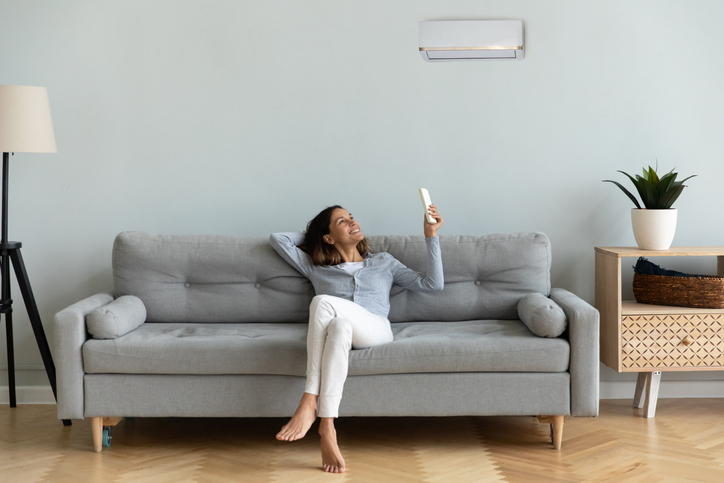
Regular checkups in the fall and spring can keep efficiency strong, and help an owner get a good ten years out of their HVAC investment. Routine checkups also allow the service tech to catch a small problem needing a quick, inexpensive fix before it turns into a much more complicated problem requiring lots of work—and lots of coin to repair.
Fewer Emergency Breakdowns and More Warranty Opportunities
People run their HVAC systems pretty hard in the summer and winter months, which can lead to breakdowns. These machines are designed to handle the energy levels the owner demands, but only if the unit is being looked after properly. If you’re seeking your HVAC diploma, you should know that breakdown prevention during the hottest and coldest times of the year is reliant on keeping routine maintenance and inspection checks.
By keeping up regular twice-a-year visits, the owner may even be lucky enough to discover that a part that needs work or full replacement is still under warranty. Longer waiting times between visits reduce the opportunity to spot a problem before a warranty period has reached its expiration date.
What Are Some Maintenance Tasks Those Attending HVAC School Should Know About?
There are a few things to watch out for during routine maintenance checks. On heating systems, the tech will need to check: fuel lines and power sources, inspect combustion chambers, inspect the heat exchanger for cracks or other evidence of damage, as well as check for carbon monoxide leaks.
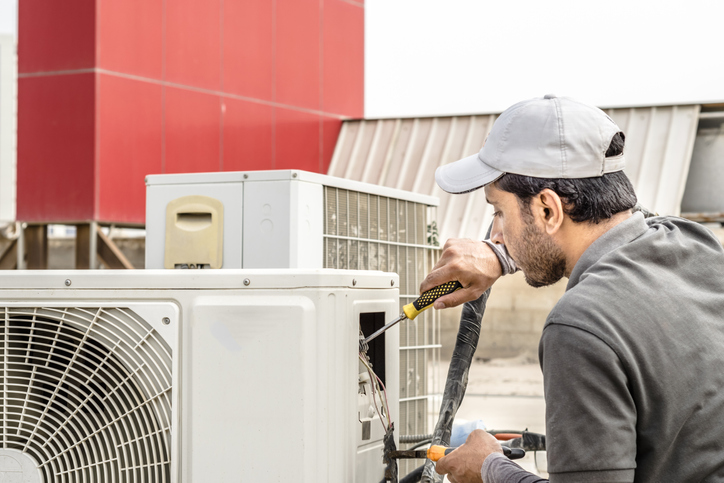
On cooling systems, the tech needs to take a look at the fans and blowers, thermostat, system controls, ductwork systems, evaporator and condenser coils, and condensate drains to ensure everything is clean, undamaged, and functioning properly. Additionally, fans and motors must be lubricated, and refrigerant levels must be filled.
All of these tasks need to be performed at regular intervals to ensure that systems keep running properly.
Are you interested in training at HVAC school?
Contact North American Trade Schools today to learn more!
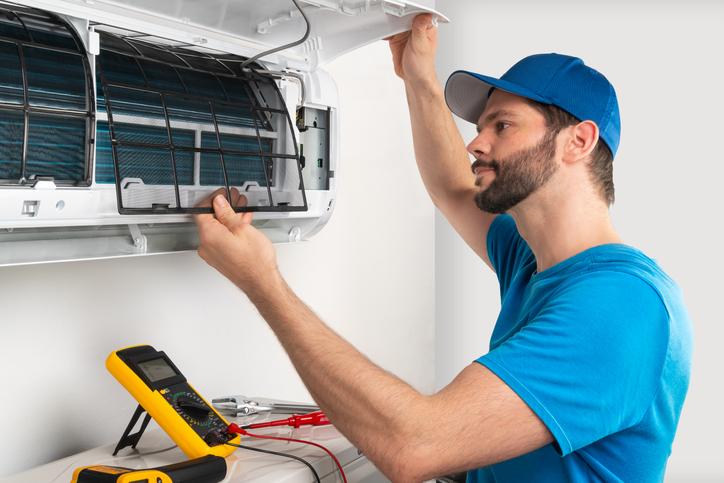
It’s not just the quality of an HVAC unit that counts, but how it’s installed. As an HVAC technician, your responsibility is to install these systems and detect any issues that can arise within their many different components and figure out how to correct them. However, there are several mistakes you can find yourself making if you aren’t careful with the installation process.
Since learning how to maintain and install HVAC systems are a significant component of your job, it’s just as important to know what not to do as it is to learn best installation practices. Here are some of the more common mistakes you may find yourself making after your HVAC training.
Ductwork is One of the Most Important Factors to Watch After HVAC School
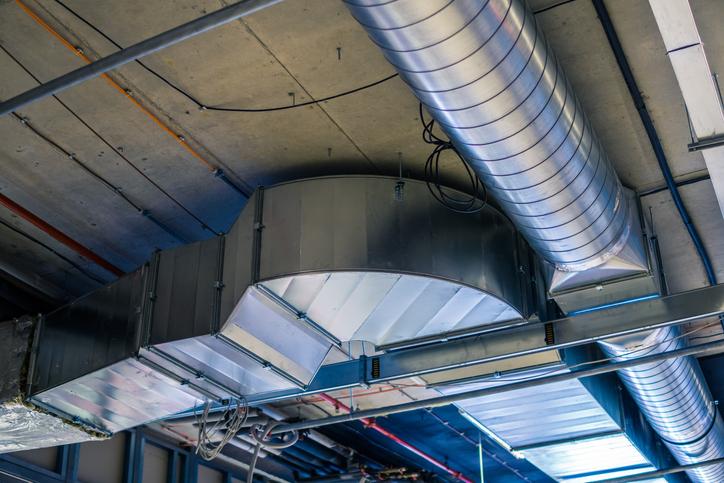
It’s important to be sure you choose the correctly-sized duct for the HVAC unit you’re installing, and use high-quality materials in the process (e.g. using a heavy-duty sealant instead of tape, and adding R-6 insulation wrap).
If you don’t, it can create issues with both air flow and leaking, and potentially result in gaps, dust, loud noises, or an overheating furnace. As a result, the unit itself won’t function properly, and those living in the home will likely see their energy bills rise. Not only that, but up to 30% of the HVAC unit’s overall output can be compromised when not properly insulated.
When it Comes to the Furnace, Size is Everything
By “size is also everything”, we don’t mean they need to be as big as you can possibly get them. Rather, the important thing to consider after finishing your HVAC training is to find a furnace that is sized proportionately to the one previously in place, and is also a newer model.
This not only helps with the flow of air in the home, but with the system’s efficiency as a whole. Should you not pick a correctly sized furnace, problems could occur. This includes the unit overworking itself to provide better cooling or heat if too small, or uneven temperatures if too big. However, be sure to double-check that the size calculations are correct, even if it’s technically the same size as the previous furnace.
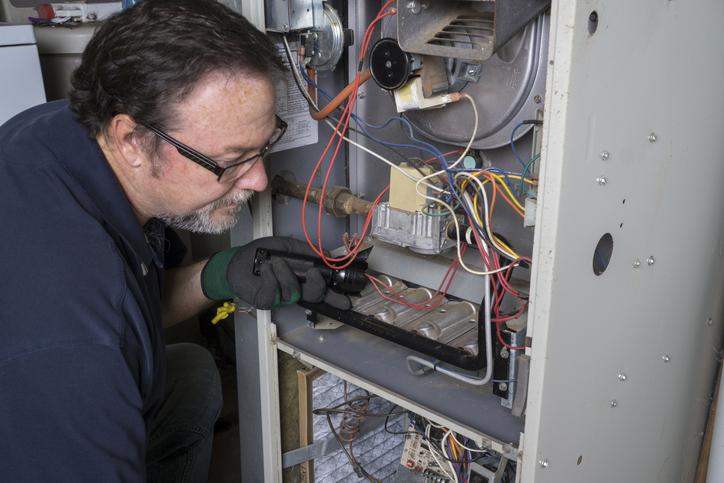
Make Sure Air is Properly Distributed at All Times
This is one of the most crucial parts of a successful HVAC installation, as it can otherwise lead to uneven cooling or heating. HVAC school students should be aware that proper air distribution design is a must, and that the ductwork is symmetrical in size to the unit’s output capacity.
To achieve this, apply new ductwork rather than the preexisting one, and be sure it’s distributing air evenly. Another of the more important aspects to keep in mind is proper ventilation. You’ll need to ensure the HVAC unit you’ve installed has a strong balance of both hot and cold air, and that the air is balanced and flows cleanly throughout the home.
Want to start your HVAC technician training?
Contact North American Trade Schools today!

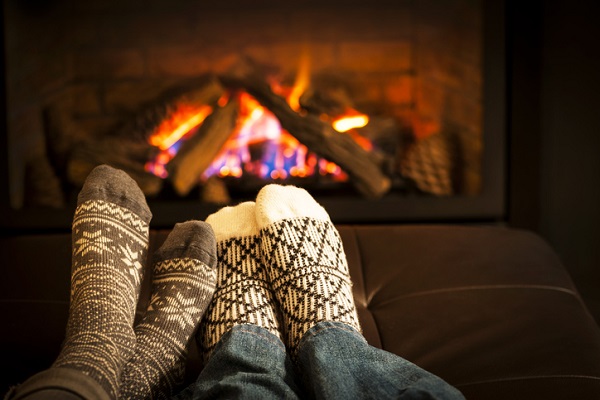
Heating, ventilation, and air conditioning (HVAC) technicians specialize in keeping houses and the people that live in them warm in the winter and cool in the summer. Read these tips and tricks to make your customer’s home a firelit haven, sheltered from the icy elements outdoors.
Seal Any Gaps When You Become an HVAC Technician
One of the main causes of a cold house is gaps around the doors and windows that let hot air out and cool air in. When you become an HVAC technician, the first thing you should do when you get a new client is examine their home for any unsealed gaps.
They can use an acrylic-latex caulk to seal any gaps around the window frames or a spray foam that will expand into any unfilled crevices. This will also help clients to save on their energy bills, as they will need less energy to heat their homes.
If the house has a fireplace, the chimney pipe could be letting cold air in,too. When the fire is not lit,advise clients that they should close the damper. However, make sure they know to check that all embers have fully burnt out – otherwise, smoke could fill their home.
Reverse Any Fans
You might assume that fans are only useful in the hot, summer months when you need to cool down. However, fans can also keep a house warm. If you reverse the direction of the fan so it’s spinning clockwise, it will stop the hot air from rising, and push it back down to warm the room. This can be a very useful tip for many clients.
Look After The Furnace and Outdoor Unit
The majority of HVAC systems have an outdoor unit attached to the outside of the house. Even though this is built to withstand cold temperatures and heavy snow, it is still a good idea to shelter it in someway. You could build a small, temporary shelter out of wood, or use a plastic cover. This will protect the fan from freezing so that your house stays warm all winter.
At HVAC college, you may also learn the importance of checking the furnace filter. This can become dirty over time and needs to be regularly cleaned and replaced. A dirty furnace filter will not be as effective, and will mean that the house needs to use more power to generate heat.
Thermostat or Portable Heater? It Depends
Both thermostats and portable heaters have an important role to play during winter. To save energy, it’s recommended that clients program the thermostat so that it automatically turns down when they are asleep or at work. The recommended temperatures are 20 degrees Celsius in the mornings, evenings, and weekends when at home, and 10 degrees Celsius when at work, asleep, or out of the house.
If a client needs to heat up their house fast,you should advise them that turning the thermostat to max is not the answer. This will drain energy and could damage the thermostat. It also won’t be effective, because the thermostat is designed to maintain a constant temperature.
In these situations, it’s better to use a portable heater. These can generate a lot of heat from electricity in a short amount of time. However, clients need to be sure to switch them off when they are not in the room, so as not to create a health and safety risk.

Do you want to find out more about HVAC certification?
Contact North American Trade Schools today!

Since heat pumps are such a common tool in the heating, ventilation, and air conditioning (HVAC) industry, aspiring technicians should expect to become very familiar with them throughout their education and future career. Read on for an introduction to heat pumps to get you warmed up!
Learn How Heat Pumps Work With an HVAC Diploma
Heat pumps are not a new technology. In fact, the first heat pump was invented in 1948 by Robert C. Webber. Since then, the technology has been developed to resemble the air conditioning and heating units we have in our homes and offices today. HVAC technician courses will give you the opportunity to learn hands-on how this technology works.
Heat pumps can provide both heating and cooling services. In heating mode, heat is absorbed from outside by the condenser coil and transferred to the interior space via air vents. Even on cold winter days, heat pumps are able to collect warm air from outside. However, if there’s not enough warm air outside, heat pumps can use electric energy or an additional gas furnace to provide extra heat.

In air conditioning mode, the cycle is reversed. Warm air inside the house is pulled into the system with a motorized fan and transferred outside, usually behind or underneath the condenser coil. Cool and dehumidified air then enters the home through the air vents.
Heat Pumps are Energy Efficient
Eco-conscious homeowners will be relieved to discover that heat pumps are incredibly energy efficient. As you will learn in HVAC technician training, heat pumps generate 4 units of thermal energy per 1 unit of electricity used – that’s an efficiency rating of 400%!
In contrast, electrical heaters are 100% efficient, meaning that they generate 1 unit of thermal energy for every 1 unit of electricity. As well as this, heat pumps generate zero emissions, so are a great option for people that want to warm or cool their homes without damaging the planet.
Air Source vs. Ground Source Heat Pumps
As an HVAC technician, you will need to know about two main types of heat pumps: air source and ground source. Air source heat pumps are the most common type and absorb or reject heat from the outdoor air.
As the name suggests, ground source heat pumps get heat from the ground or from water. These are sometimes referred to as geothermal heat pumps and are actually slightly more efficient than air source systems. However, they are more expensive and complicated to install as the systems will need to be built into the soil around a home.
What are the Main Heat Pump Parts?
Air source and ground source heat pumps are made up of a number of components. These include:
- Compressor– to move the refrigerant through the system
- Control board – to control whether the system is in cooling or heating mode
- Condenser coil – to transfer heat outside in cooling mode
- Evaporator coil–to transfer heat inside in heating mode
- Refrigerant – a chemical substance that moves heat through the system
- Thermostat – to choose the desired temperature
Are you interested in a HVAC diploma?
Contact North American Trade Schools to find out more!
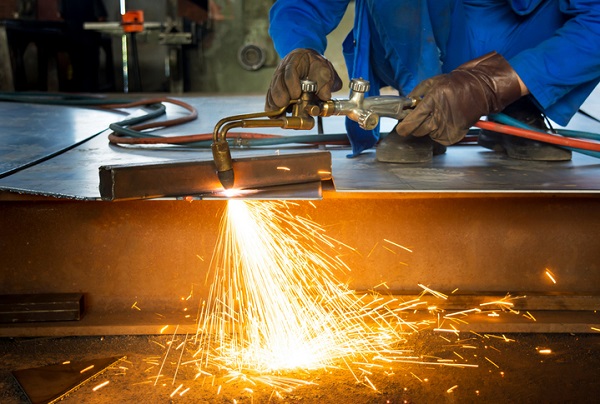
Acetylene torches are to HVAC (heating, ventilation, and air conditioning) technicians what calculators are to mathematicians: an essential tool with many uses. Providing one of the most powerful methods of welding and cutting metals, this tool is widely used in the industry to fix leaks and solder line sets.
But like any gas-powered tool, if you want to use it properly, there are a few key things you’ll need to know and some safety regulations you’ll need to follow. Read on to learn all about acetylene torches and the role they will play in your HVAC career.
What is Acetylene & How Can You Use it?
As one would expect, the basis of an acetylene torch is the hydrocarbon compound called Acetylene. What you may not know is that this element can get really, really hot. In fact, acetylene produces the third hottest chemical flame, and can reach an astounding 3,300 degrees Celsius when mixed with oxygen.
Acetylene is a highly unstable compound. However, once you combine it with another chemical, you can use acetylene safely and easily while still benefiting from its thermal capabilities. Oxygen is the substance most commonly combined with acetylene – but it’s important to note that the term “acetylene torch” can also be used to describe any type of oxy-fuel torch where other gases such as propane and propylene are used.
Regardless of which chemicals are involved, the two gases are present in two separate gas tanks, which are connected to the torch by two metal hoses. The flame is produced when these two gases are passed through the hoses and combined. When this flame contacts metal, it produces a chemical reaction that initiates a process known as oxyfuel cutting.
Acetylene Torch Safety Regulations
As with any power tool, it’s important to know how to safely handle an acetylene torch before you put it to use. One advantage of HVAC school is learning the safest ways to handle the equipment you’ll encounter in your career. Graduates of North American Trade Schools will learn the safety regulations and precautions they need to take to operate an acetylene torch.
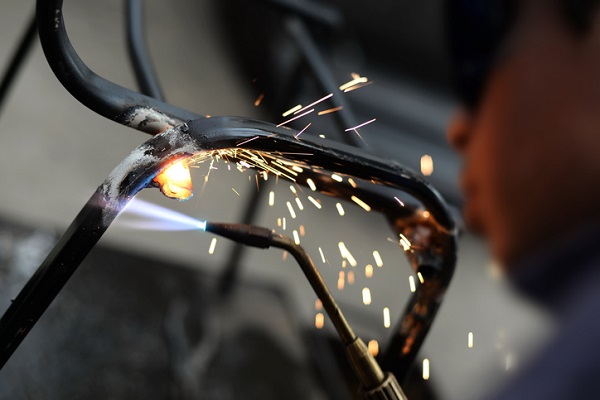
One procedure you will need to learn is how to check your acetylene torch before using it to make sure it’s functioning properly. Firstly, you should check that the torch is closed, and ensure that the pressure adjustment screws are blacked out. Then you can separately open the gas cylinder valves and adjust the regulator p/a screws to change the pressure settings. Next, you can open and close valves separately and make any other changes to the pressure settings on the regulators.
HVAC Technician Training 101: Using an Acetylene Torch
HVAC technician training will allow you to learn how to use these power tools through a hands-on approach, but it’s good practice to know a bit about the steps in using them before you begin your studies.
To use an acetylene torch, you’ll first have to light it by purging the oxygen and fuel gas lines – separately – and opening the fuel gas valve slightly. Next, using a striker, ignite the flame. You can then adjust the gas flow to make the flame form a sharp tip. Now your acetylene torch is ready to use.
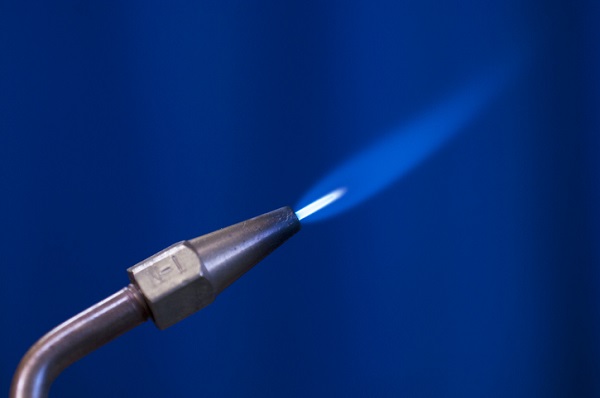
Once you’re finished with the torch, you can shut it down by closing the oxygen and fuel gas torch valves. If you don’t plan on using the torch for a while, make sure that all the regulator gauges read zero.
Want to earn your HVAC diploma?
Contact North American Trade Schools for more information!